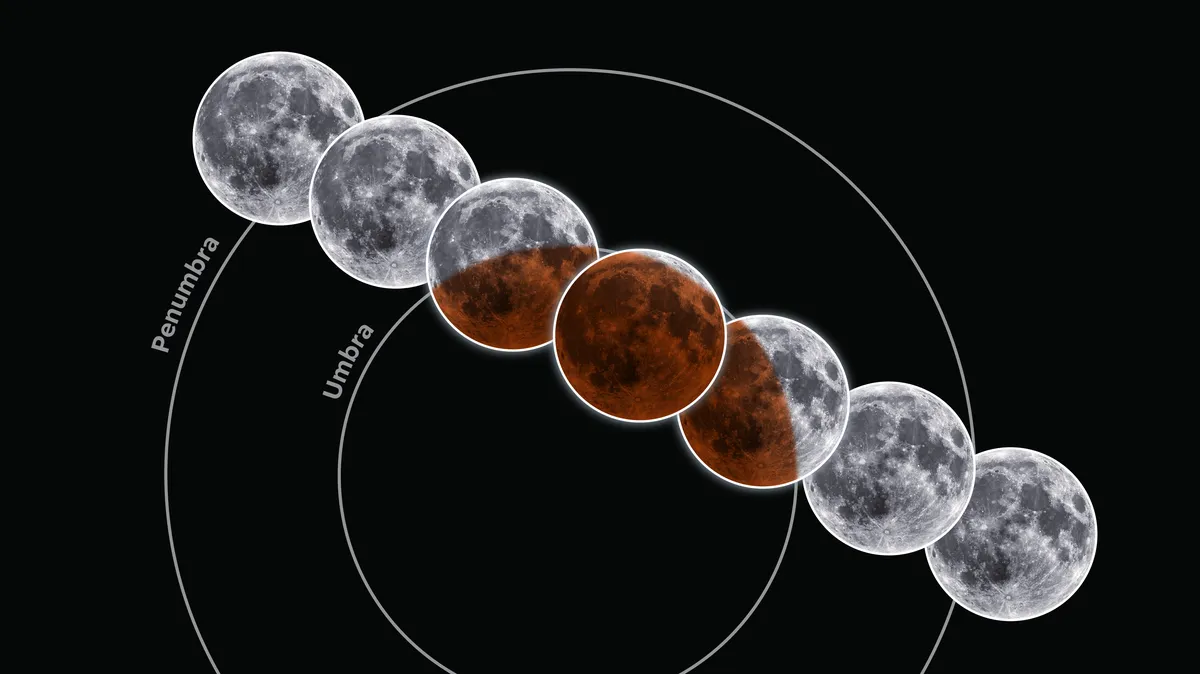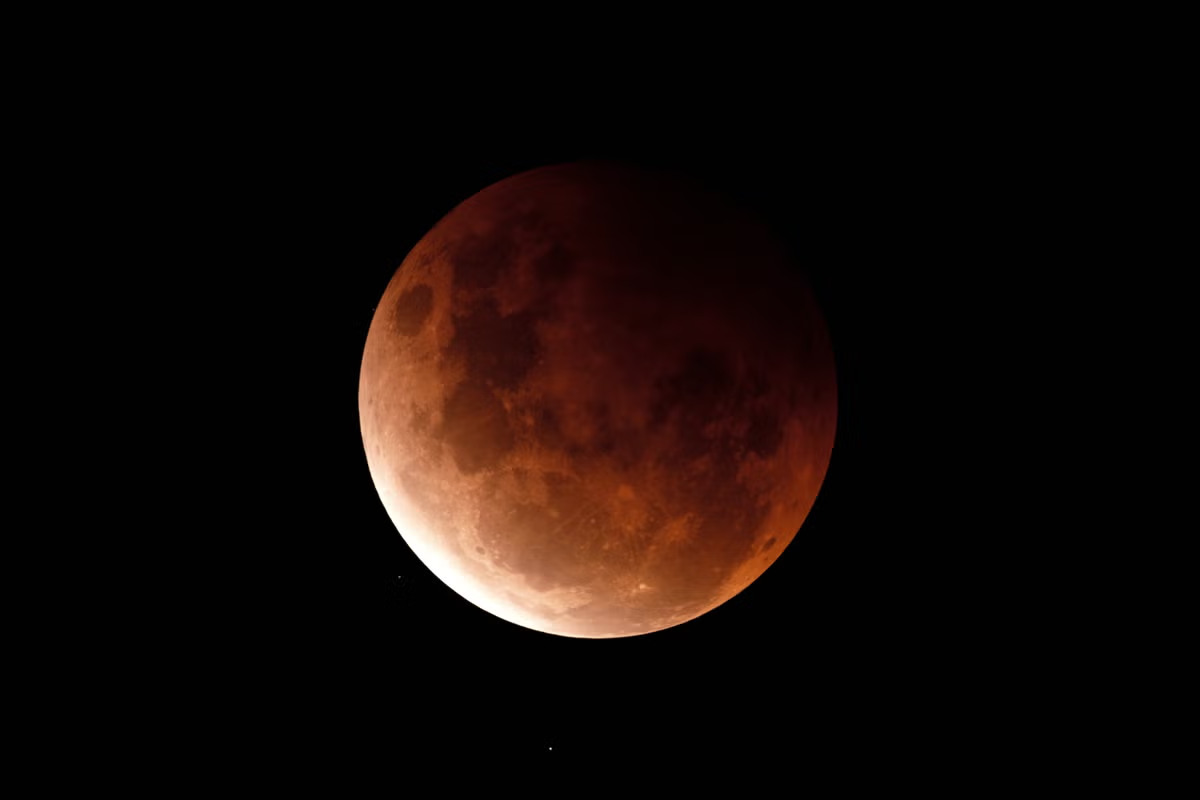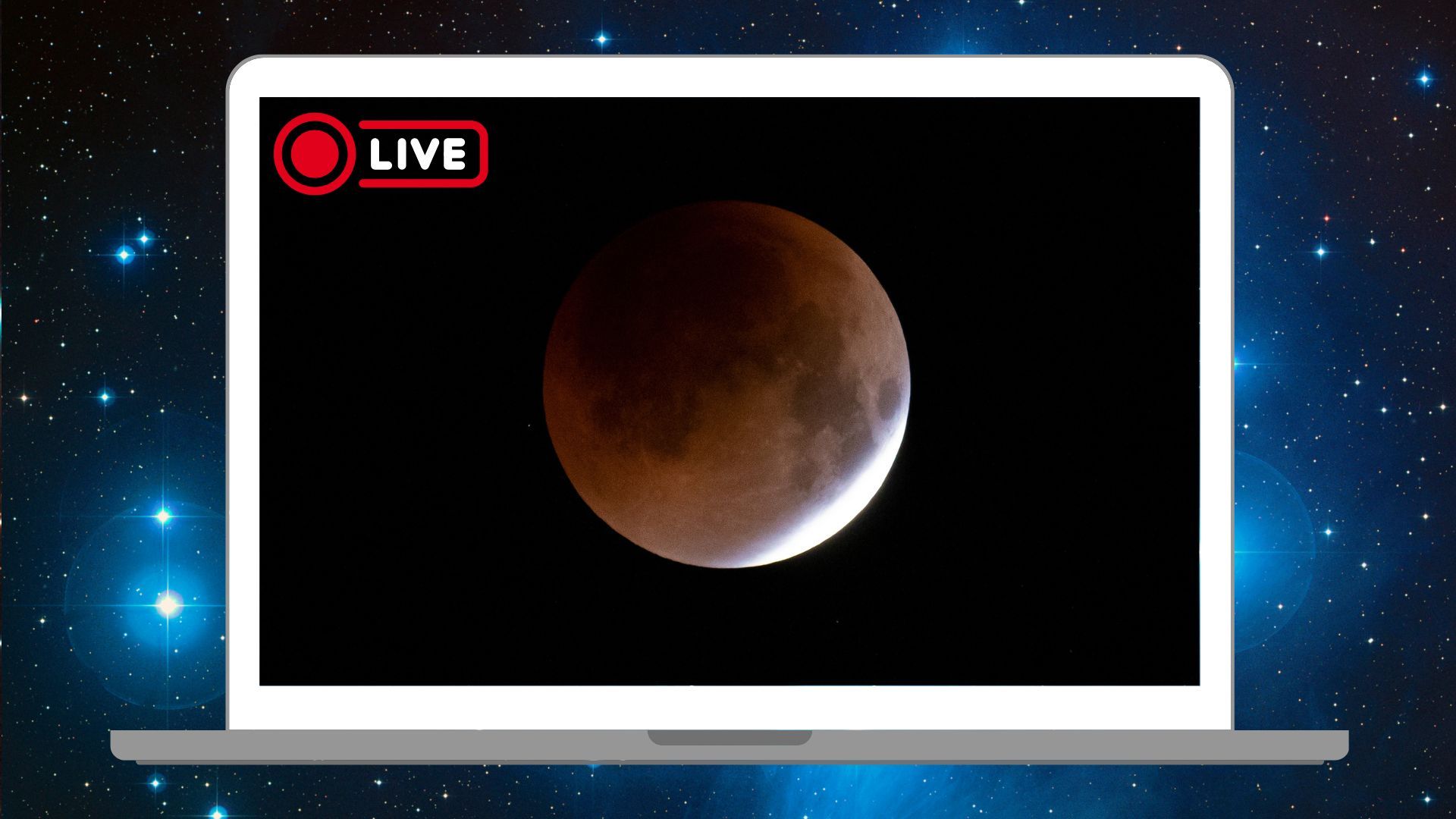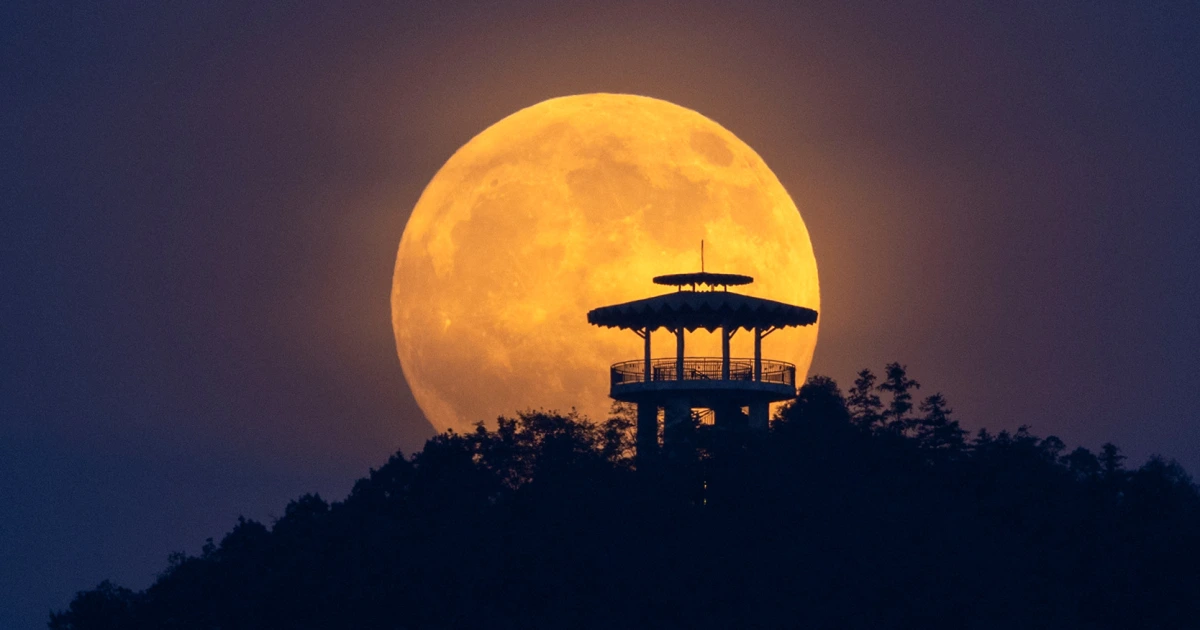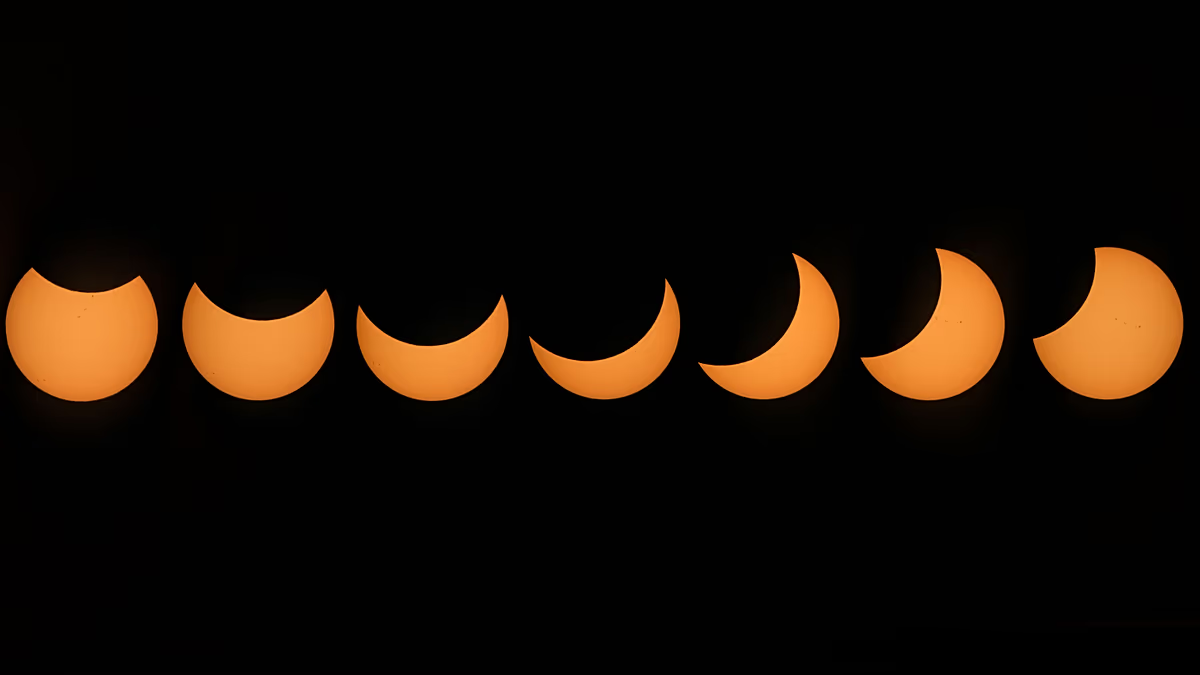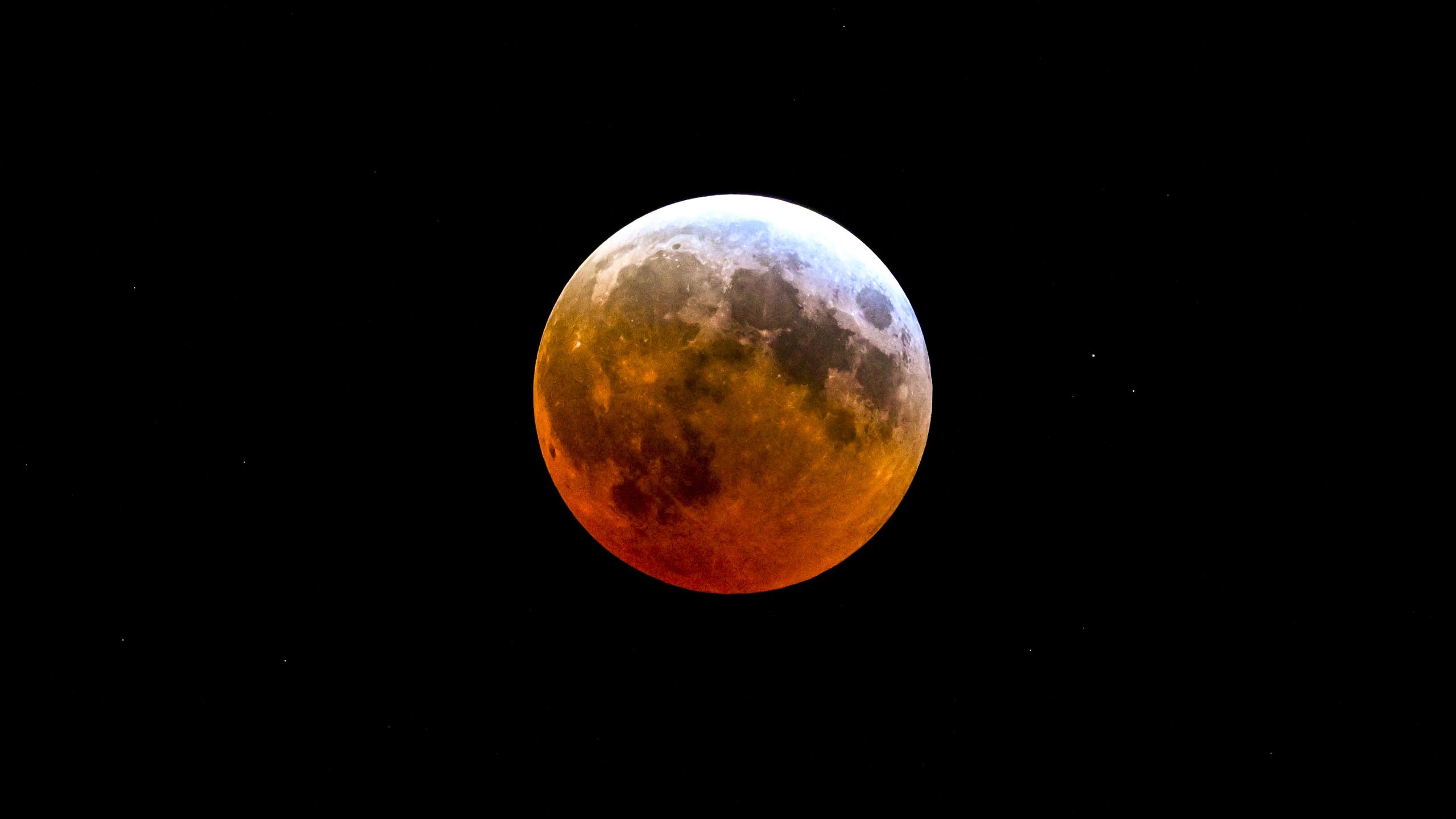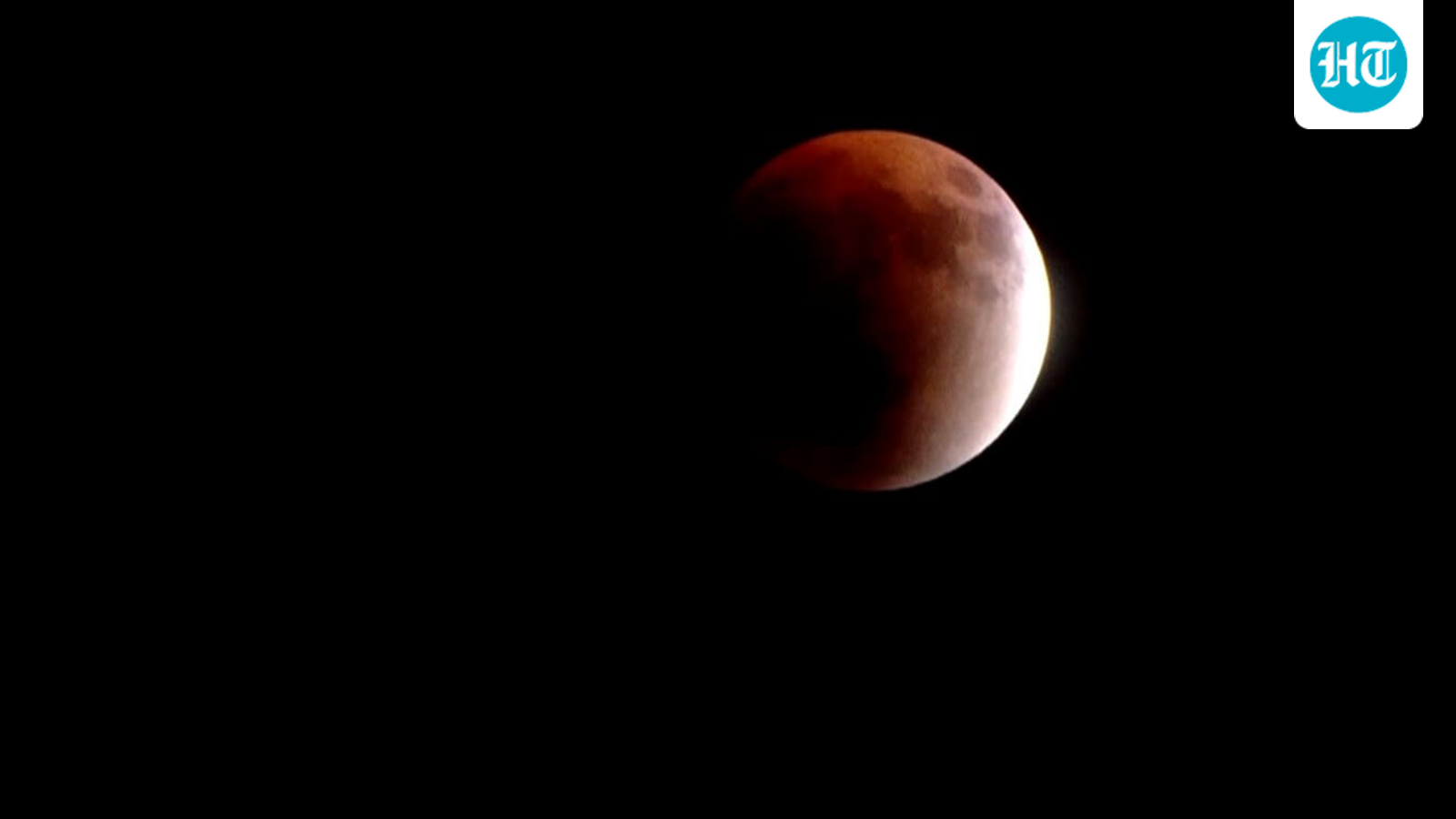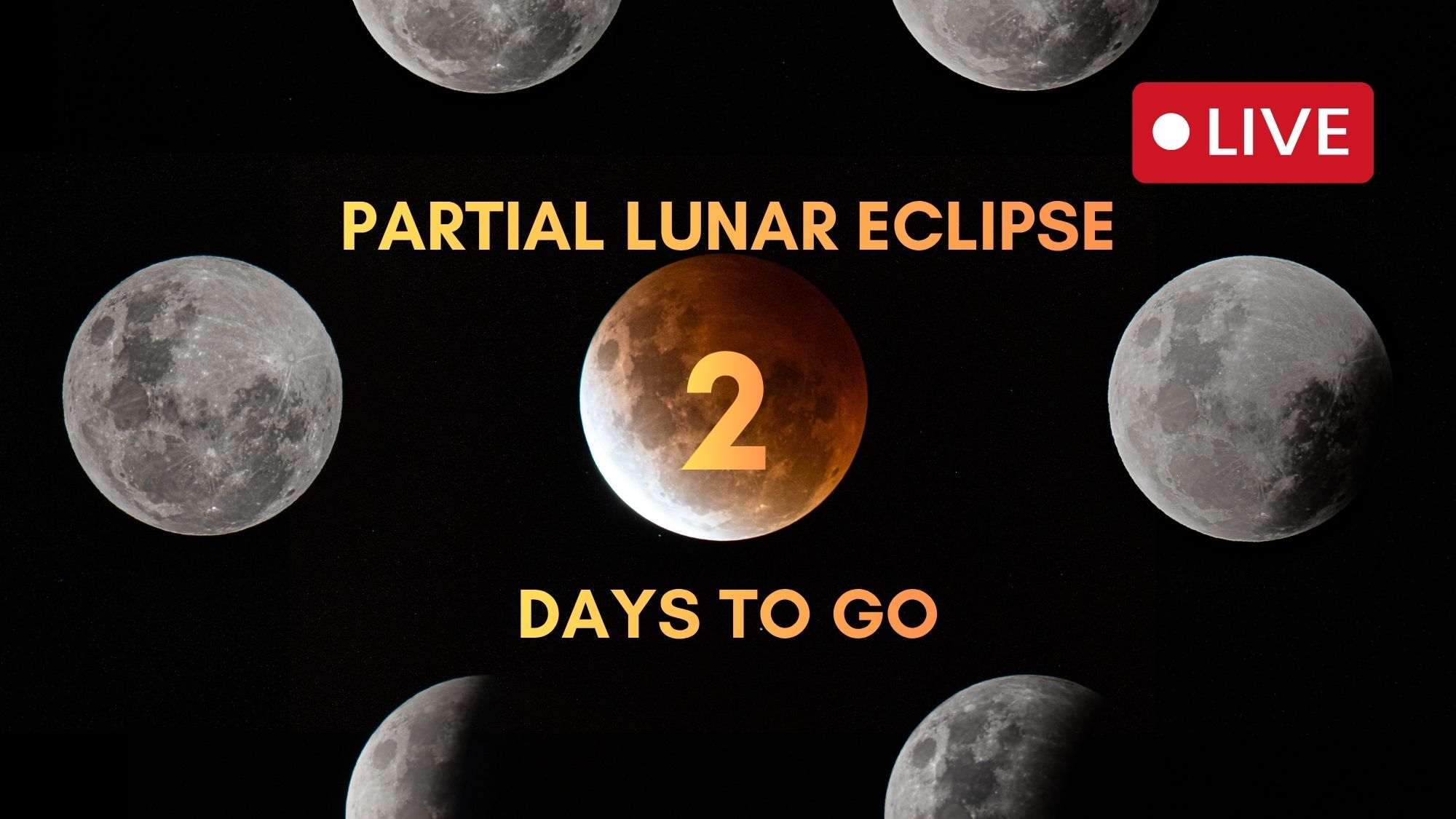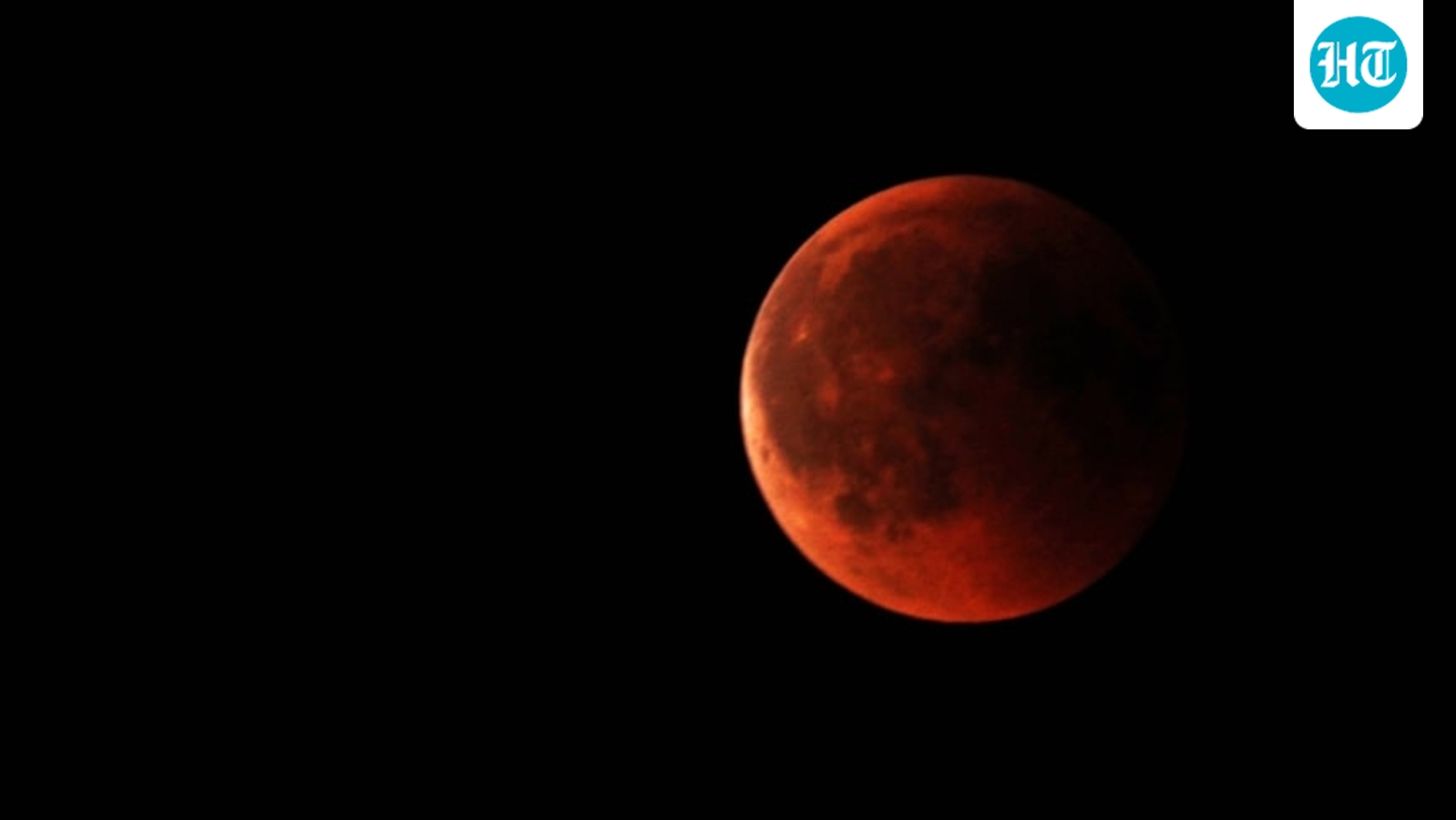
A deep partial lunar eclipse will be visible across North America on Thursday night, Aug. 27, and into early Friday, Aug. 28. In western North Carolina, the Moon will move deep into Earth’s shadow and could appear dark copper or red near the peak. NASA says 96.3% of the Moon’s disk will be inside Earth’s darkest shadow, called the umbra, at the height of the eclipse. The event will also coincide with August’s traditional Sturgeon Moon. For viewers in Asheville and nearby areas, clouds could decide how much of the eclipse is actually visible.The Aug. 27 lunar eclipse will turn the Moon coppery, but western North Carolina clouds could make viewing difficult. (Unsplash)Lunar eclipse 2026: When can Asheville, North Carolina see it?According to WLOS, the eclipse will be seen for several hours, Thursday night and early Friday morning. The key times for Asheville are:9:23 p.m. Thursday: Penumbral eclipse begins.10:34 p.m. Thursday: Partial eclipse begins.12:13 a.m. Friday: Maximum eclipse.1:52 a.m. Friday: Partial eclipse ends.3:01 a.m. Friday: Penumbral eclipse ends.The most noticeable part starts when the Moon enters the umbra. As more of the Moon moves into that dark shadow, the part still lit by direct sunlight becomes smaller. That allows the reddish color to stand out more clearly.Also Read: When is the next lunar eclipse in 2026? Date, timing and what astrologers say about the Full Moon dayWhere can the lunar eclipse be watched in the US?You do not need a special location to watch the lunar eclipse. Anyone with a clear view of the Moon can see it, including from a backyard, balcony or open area.The eclipse will be visible across the contiguous United States, although the exact view will depend on local weather and the Moon’s position in the sky. NASA says the Aug. 27-28 partial lunar eclipse can also be seen from parts of Europe and Africa.For the best view, choose a spot with an open sky and as few buildings or trees blocking the Moon as possible. A darker area can also make the color easier to notice, but you do not need a telescope or binoculars.Also Read: Partial lunar eclipse in August 2026: An astrologer shares how the lunar event brings an astrological impactAsheville weather forecast: Clouds and fog could affect lunar eclipse viewingFor viewers in Asheville and across western North Carolina, weather conditions could make Thursday night’s lunar eclipse harder to see. The area may still have lingering clouds after evening storms, while high humidity, low clouds and possible fog could continue overnight.WLOS reported that these conditions could block the Moon at times, including around the eclipse’s peak shortly after midnight. Viewers may still get a clear look if breaks develop in the clouds.Unlike a solar eclipse, a lunar eclipse is safe to watch with the naked eye. No special glasses or filters are needed. NASA says the Moon can appear red or coppery because some sunlight passes through Earth’s atmosphere before reaching its surface.
Thursday night’s lunar eclipse: Where to watch, peak time and Asheville weather update
The Aug. 27 lunar eclipse will turn the Moon coppery, but western North Carolina clouds could make viewing difficult.
490 words~2 min read