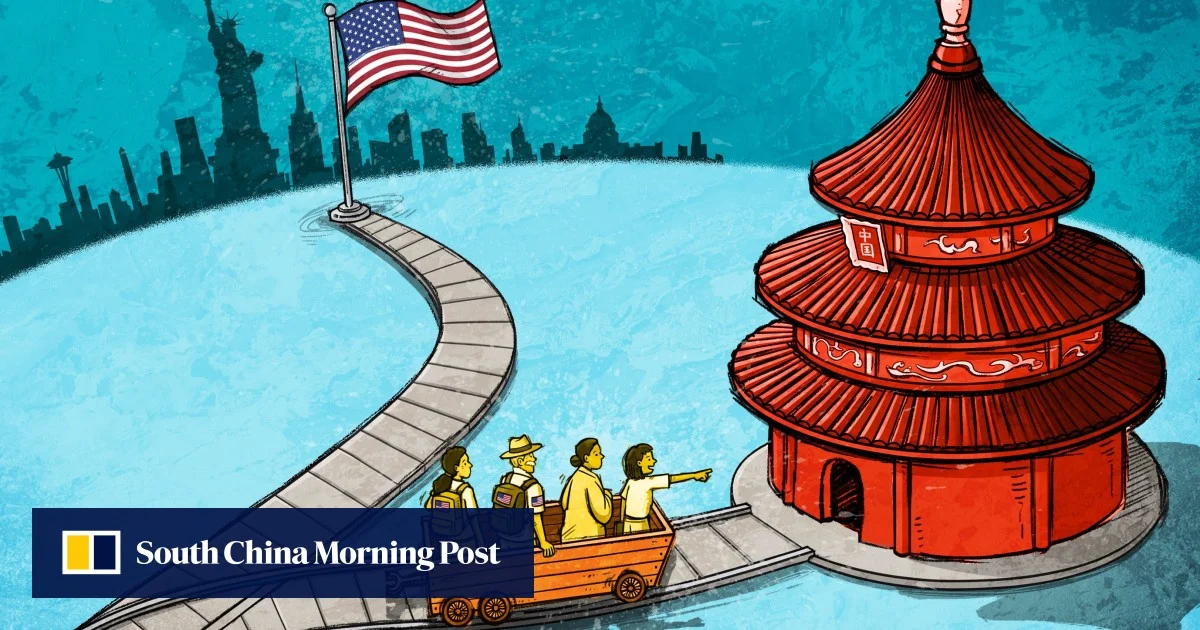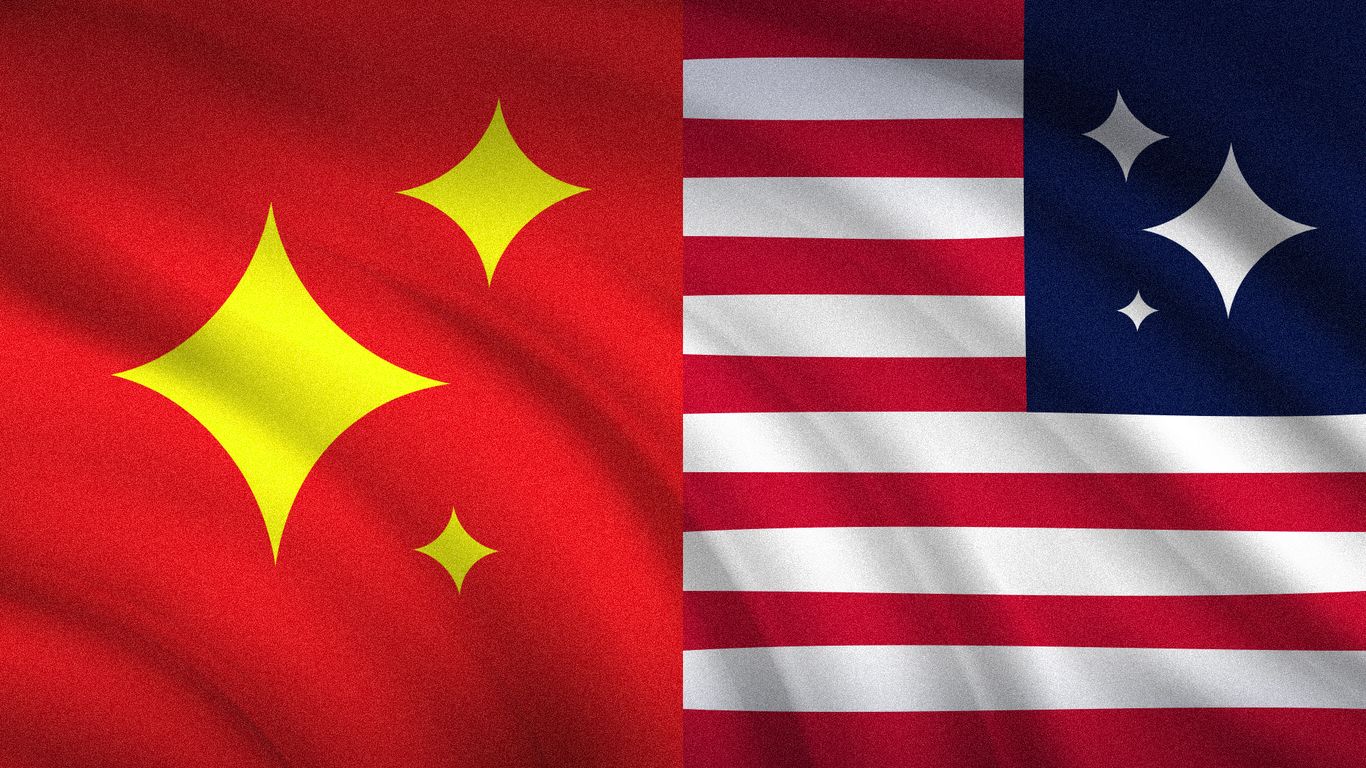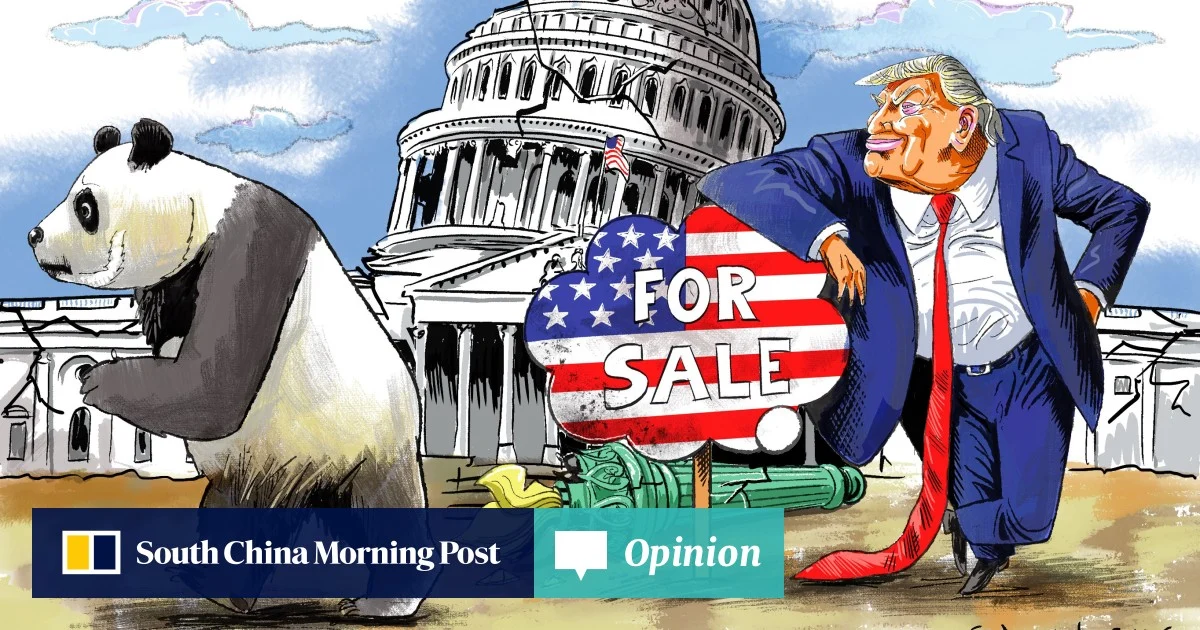
China is increasingly seen as the future by many young people in Africa, Latin America, and parts of the West, while the United States is viewed as more backward-looking. The article says this shift reflects demographics, the COVID-19 pandemic, and frustration with Western policies and interventions. It also notes that China’s appeal is pragmatic rather than ideological and remains fragile. Western countries, the piece argues, will need to solve real problems rather than rely on propaganda or better branding.
Mark Leonard
BERLIN — For much of the 20th century, the United States represented not just a place on the map. It was also a point in time. When Western Europeans looked at images of America after World War II—depictions of Hollywood’s glamor, American cars, and newfangled labor-saving devices—they thought they were looking into the future.
The American Dream had an especially irresistible draw for East Europeans behind the Iron Curtain, and for tens of millions of Chinese during the opening and reform era that began after Mao Zedong’s death in 1976. China’s great economic reinvention was inspired, in part, by Deng Xiaoping’s awe at American modernity, which he witnessed firsthand during an official visit in 1979.