The Nigerian political class must prioritise beneficial, people-centred interactions at this period, writes MONDAY PHILIPS EKPE
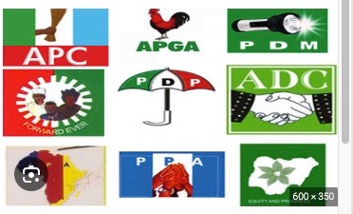
Should we pretend that political parties in the country have only just begun their electioneering campaigns in preparation for next year’s general polls, in line with the official timetable? Of course not! August 19 was fixed to usher in direct, vote-prospecting exercises between those seeking elective offices and the various electorates. It’s among the variables that ensure the much-touted level-playing field. Like in athletics where runners proceed from designated spots and wait for the whistle before hitting the tracks. No competition can claim equity and fairness without this simplest of requirements.
Sadly, however, the Nigerian polity is not a stranger to practices that are strange to polished democratic norms. Many functionaries of the major parties went into action before that time to canvass votes, directly or otherwise. The easiest thing to do is blame the Independent National Electoral Commission (INEC) for not rising up to its duty of monitoring the processes. But doing so without factoring in its own institutional handicaps would be unfair. At any rate, its capacity to keep track of the activities of politicians has now been further weakened by today’s expanded and liberalised mass communication channels. The orthodox media, far more restricted and easier to monitor, can now be readily side-lined in preference for their social counterparts and still gain access to sizable portions of the population. Policing the virtual space can indeed be daunting. Let’s leave sanitising the political climate for another day.