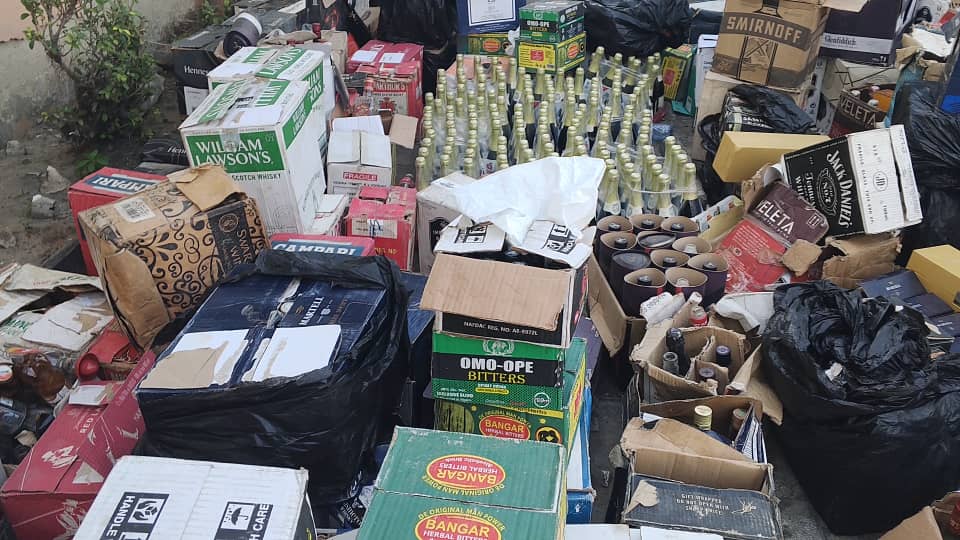
Nigeria’s illicit alcohol trade is increasingly threatening investments, jobs and government revenue as counterfeit and smuggled products undermine legitimate businesses, prompting industry stakeholders to call for stronger enforcement, coordinated regulation and tougher measures to protect consumers and the economy, writes SAMI TUNJI
Nigeria’s battle against illicit alcohol is no longer a routine regulatory exercise or merely a campaign against fake drinks. It has become a test of the country’s ability to protect consumers, preserve investments, sustain jobs and ensure that legitimate businesses are not placed at a disadvantage for obeying the law.
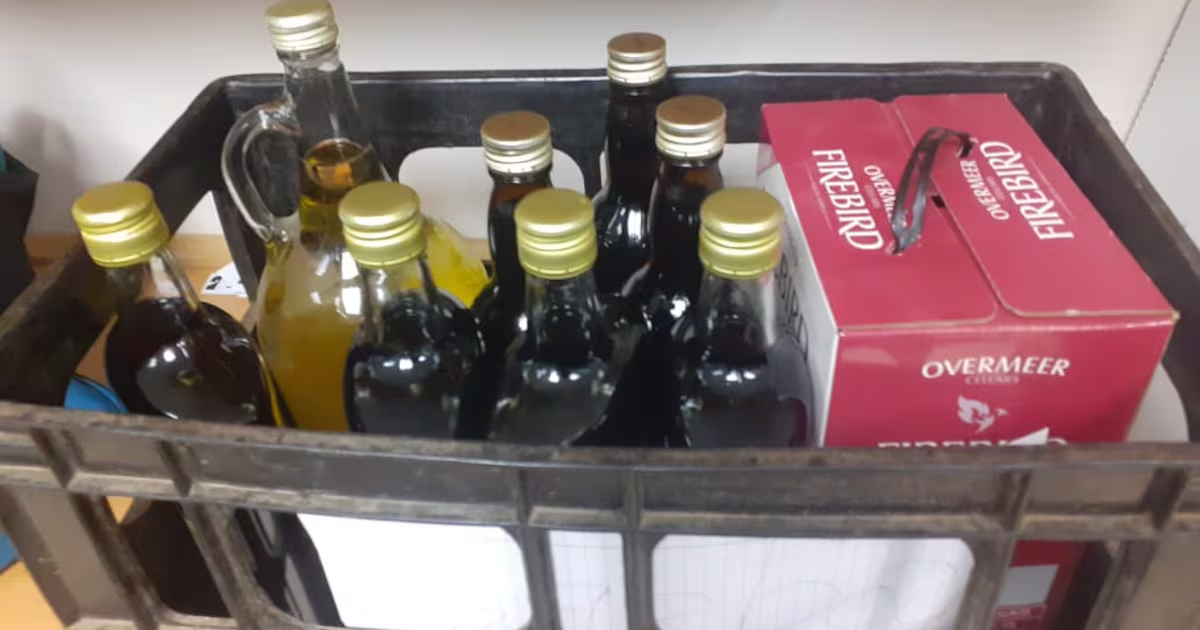
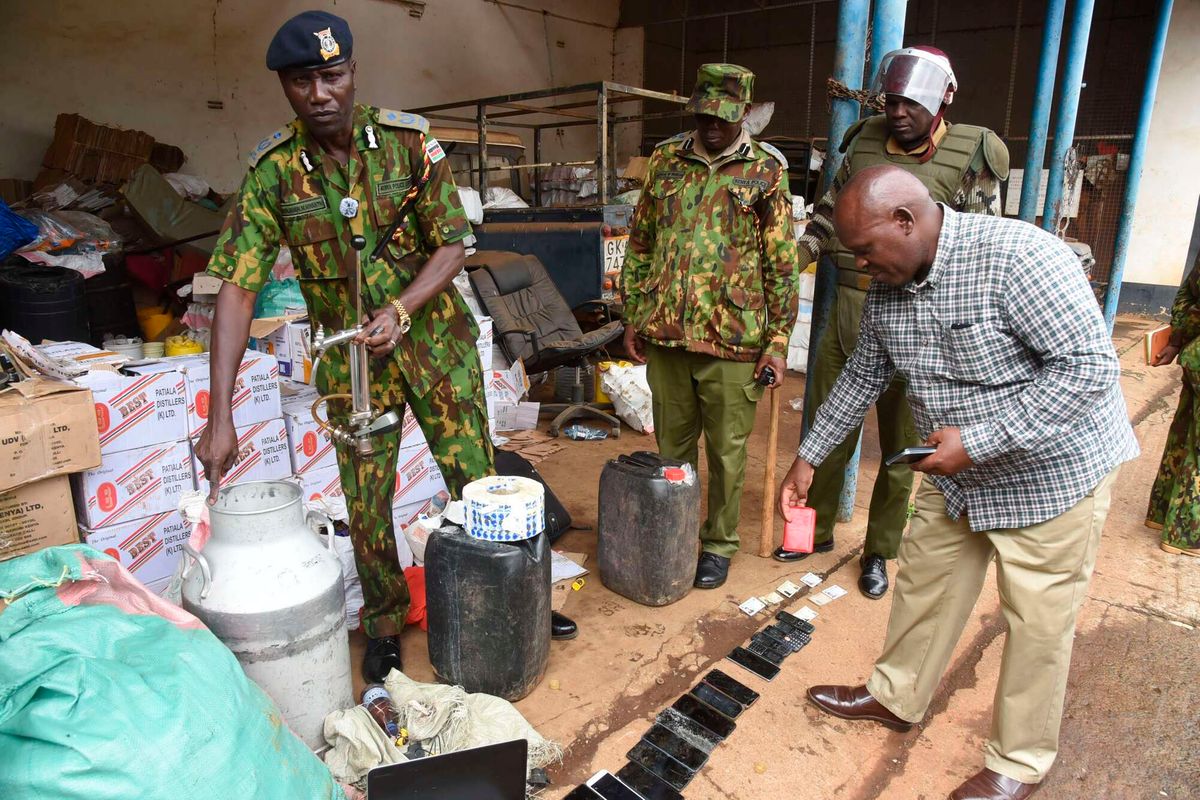
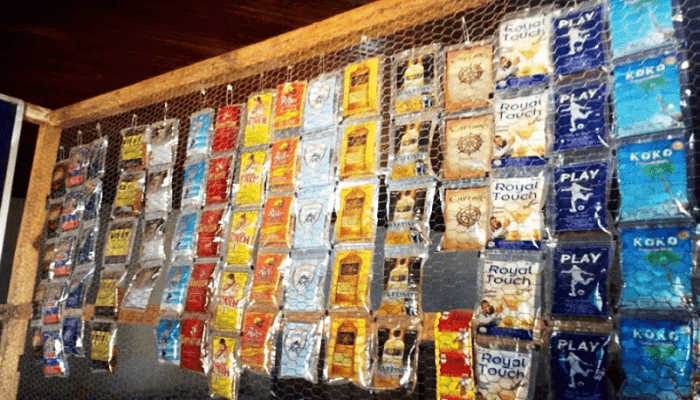
Counterfeit wines and spirits, smuggled products, illegally refilled bottles and drinks produced in unlicensed facilities operate largely outside the tax and regulatory system. Their producers often avoid excise duties, customs charges, quality-control expenses and other costs borne by registered manufacturers.
For legitimate companies, the result is an uneven contest. They invest in factories, machinery, product testing, packaging, staff training, distribution networks and regulatory compliance, while illicit operators seek to profit from established brands without carrying the same financial obligations.