August 24, 2026
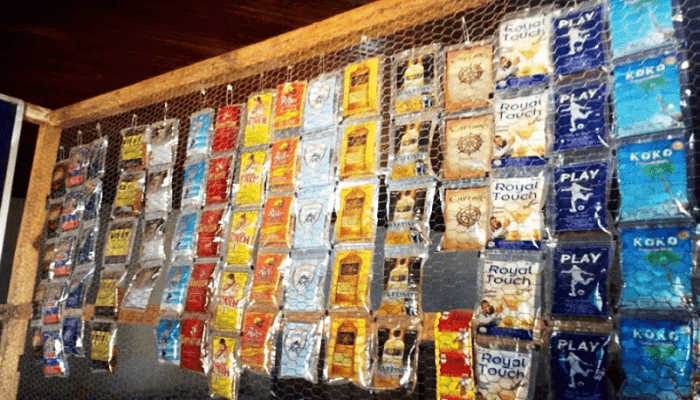
File image
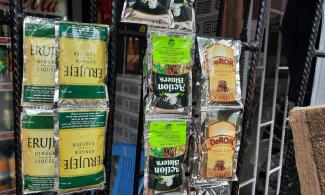
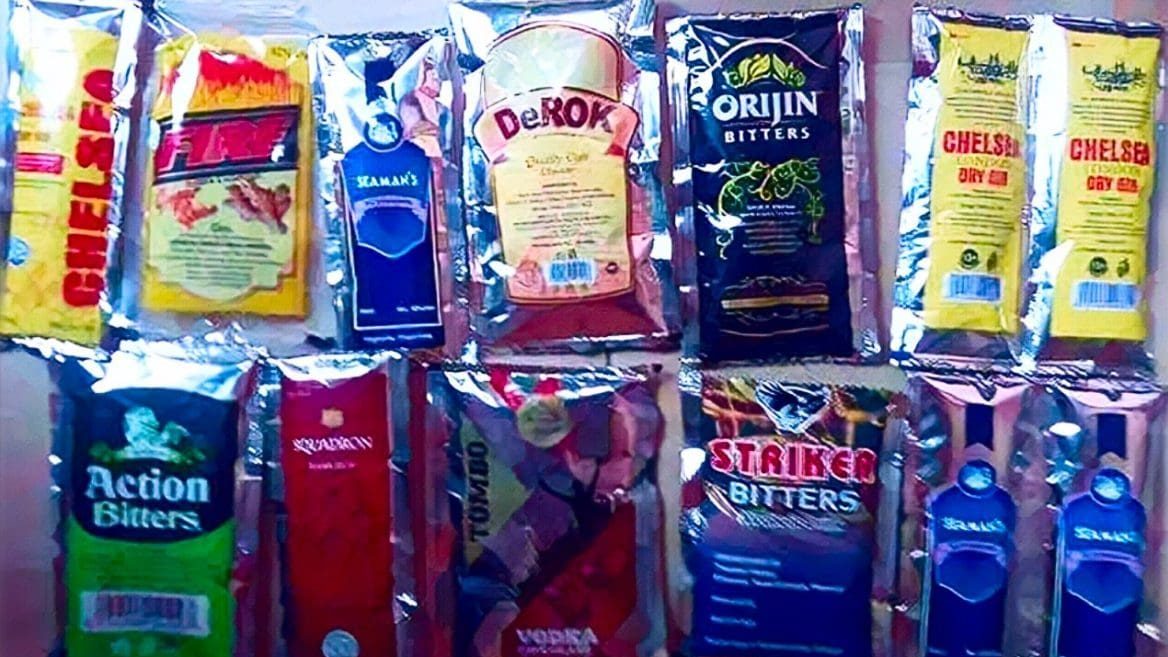
Thousands of Nigerians begin their day with something far more dangerous than tea: cheap alcohol. At bus stops, motor parks, roadside kiosks and places frequented by young people, sachets and tiny plastic bottles have made spirits remarkably easy to obtain. The small package may look harmless. It is not.
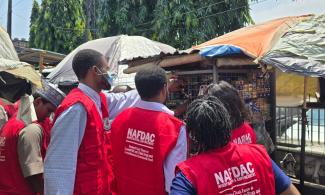
The Federal Government, through the National Agency for Food and Drug Administration and Control (NAFDAC), deserves support for its renewed nationwide enforcement against alcoholic beverages sold in sachets and PET bottles below 200 ml. NAFDAC says the prohibition covers production, importation, distribution, sale and consumption. Its central argument is persuasive: small, cheap packs facilitate access, concealment and underage drinking and can encourage harmful patterns of consumption.
This is not merely a personal choice. Alcohol is a public-health and public-safety issue. The World Health Organization links harmful alcohol use to liver disease, hypertension, cardiovascular disease, mental-health disorders, injuries and cancers. It also identifies restrictions on physical availability, drink-driving countermeasures, taxation and treatment as among the effective tools for reducing alcohol-related harm.