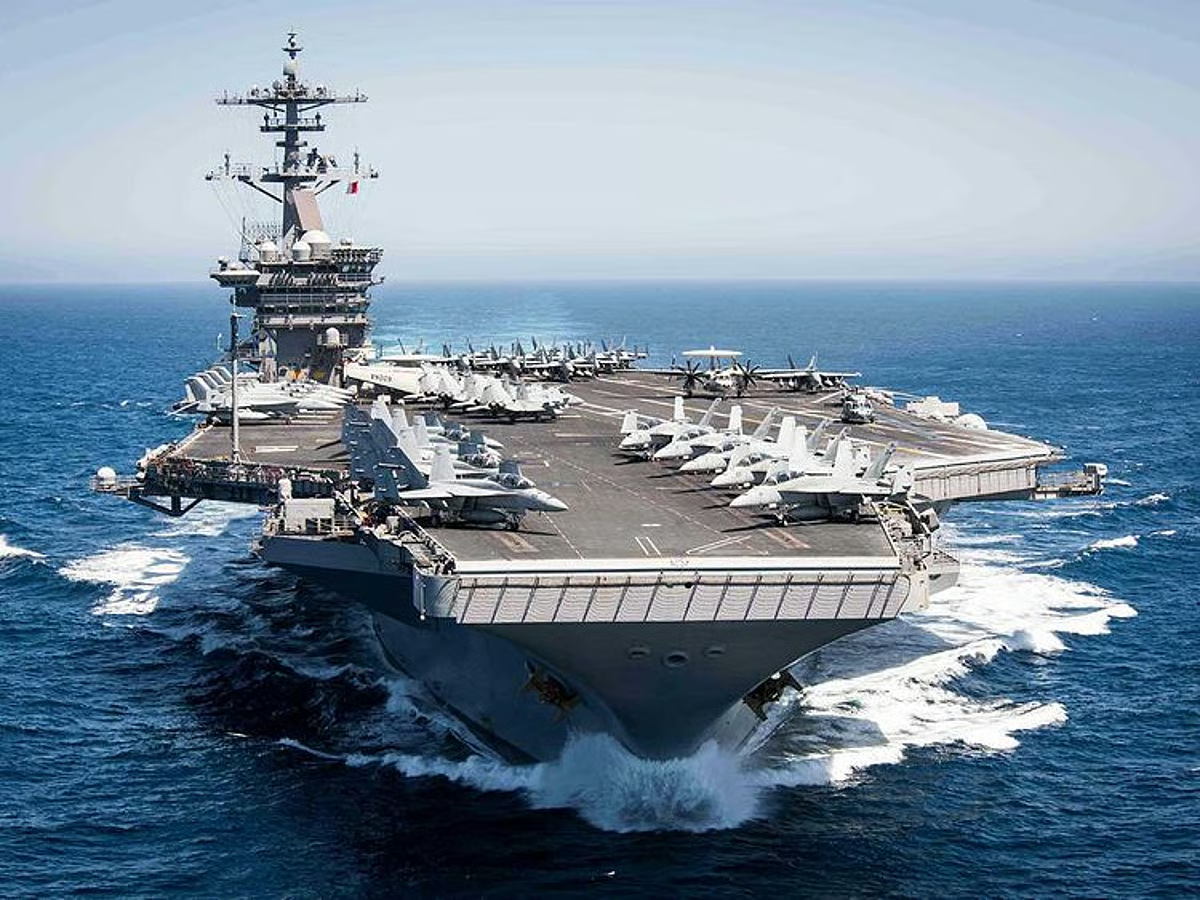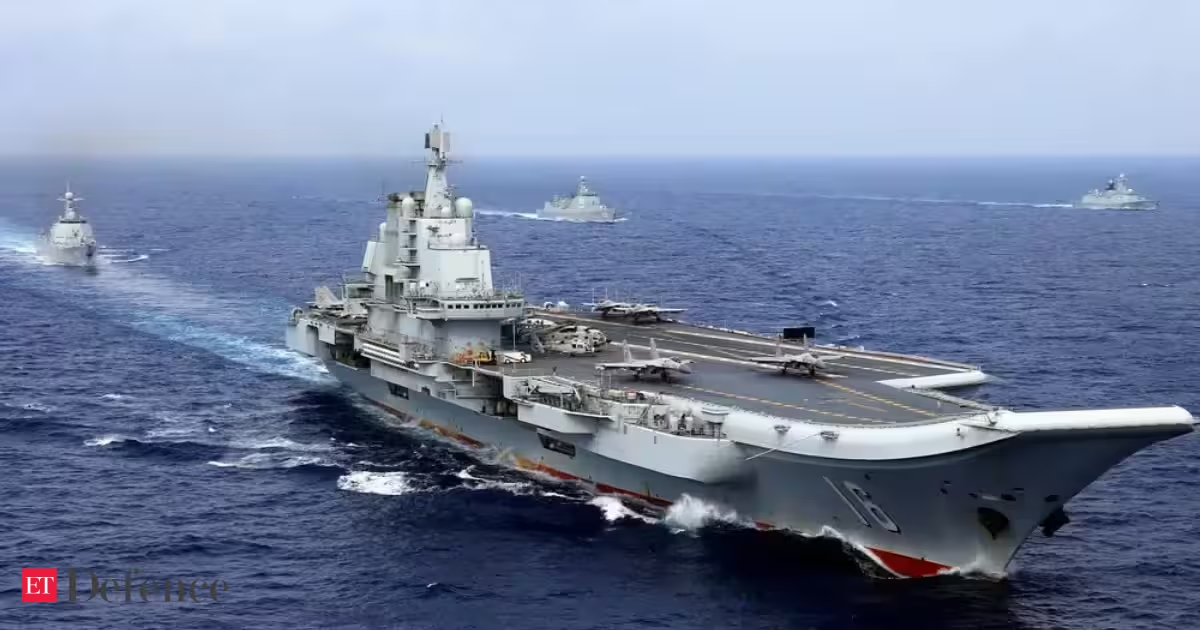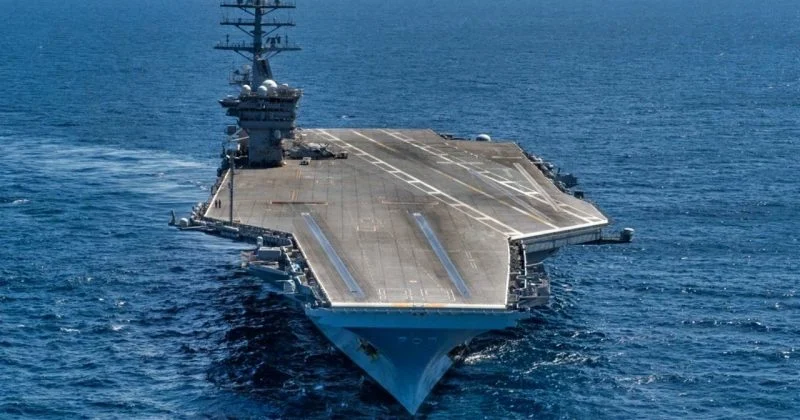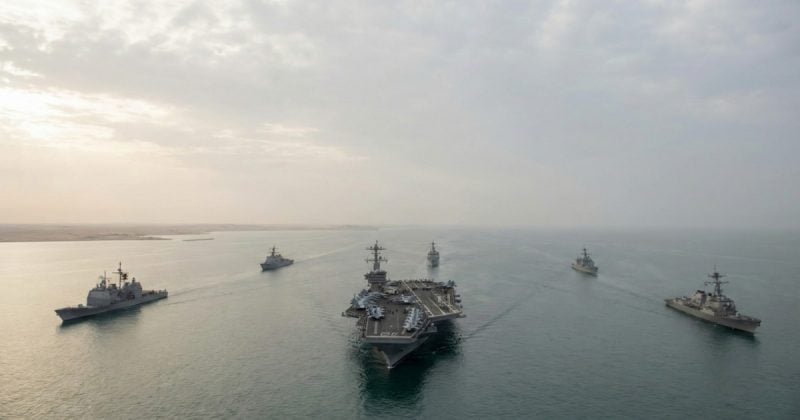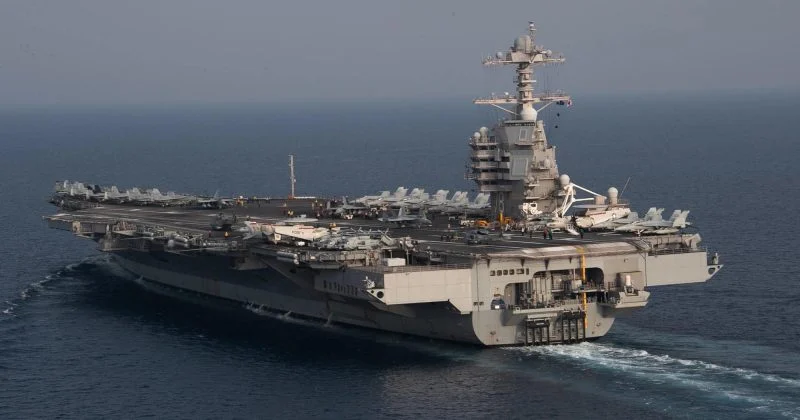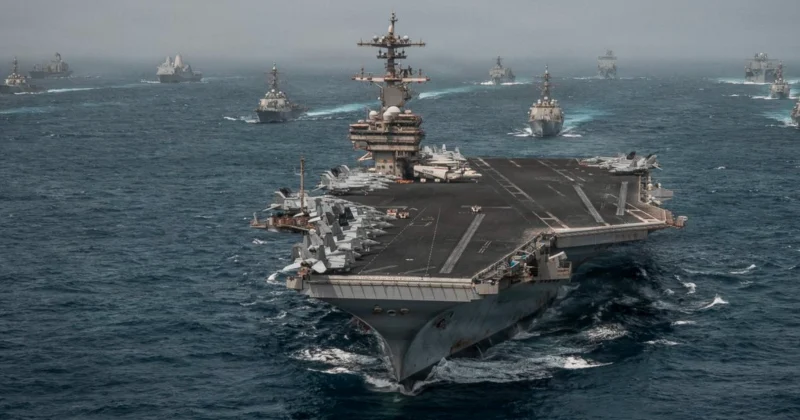
The U.S. Navy is preparing for extended carrier deployments in response to ongoing conflicts with Iran, according to recent announcements by the Chief of Naval Operations (CNO) and the Master Chief Petty Officer of the Navy (MCPON). This adaptation comes amid sustained military operations following the U.S.-Iran war that erupted earlier this year. The Navy’s plans suggest a commitment to protracted high-intensity operations, which may involve keeping multiple carriers in the Middle East for extended periods. This strategic decision aligns with a posture of escalation rather than routine deterrence, indicating the continued volatility of the geopolitical situation in the region.
The implications of this development are reflected in prediction markets, particularly concerning the likelihood of Iran implementing a full airspace closure. Current market pricing suggests that the probability of such a closure by August 31 has further decreased. The extended deployments are interpreted as a sign of ongoing conflict rather than resolution, influencing market perceptions and reducing expectations of a full airspace shutdown.
The market for a full Iranian airspace closure by August 31 has seen a decline in YES probability, now standing at 1.8%, down from 2% yesterday and significantly lower than 6% a week ago. Similarly, the market for a closure by December 31 has dropped to 17.5% from 28% just 24 hours ago. These shifts indicate that market participants view the continued military readiness and lack of diplomatic resolution as factors decreasing the likelihood of a complete airspace closure.