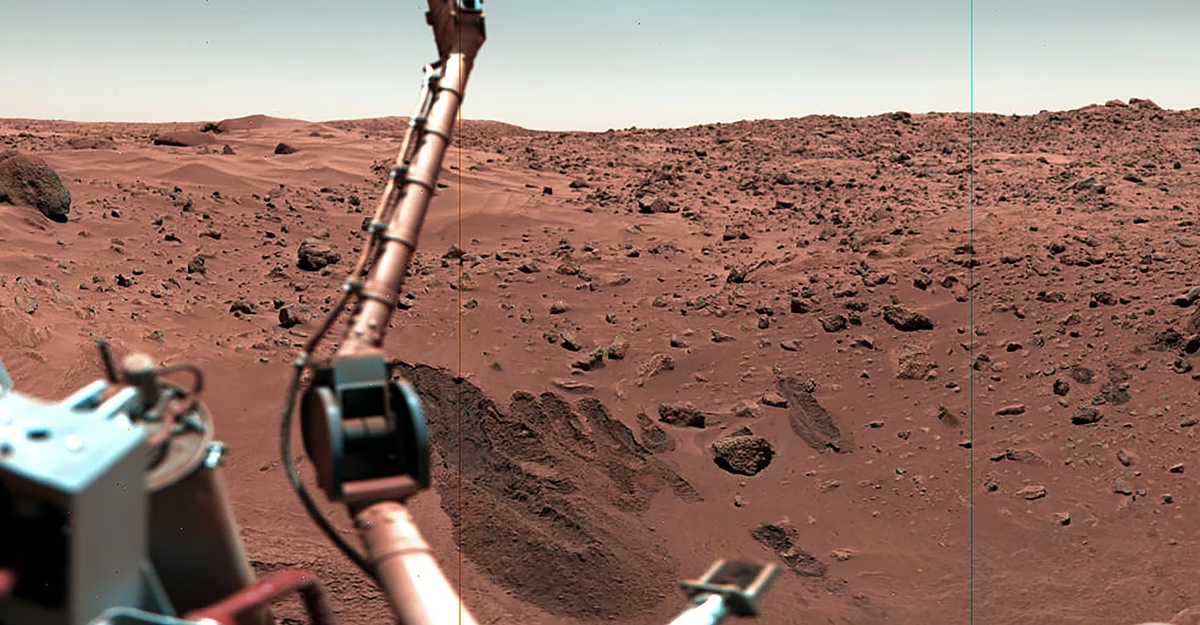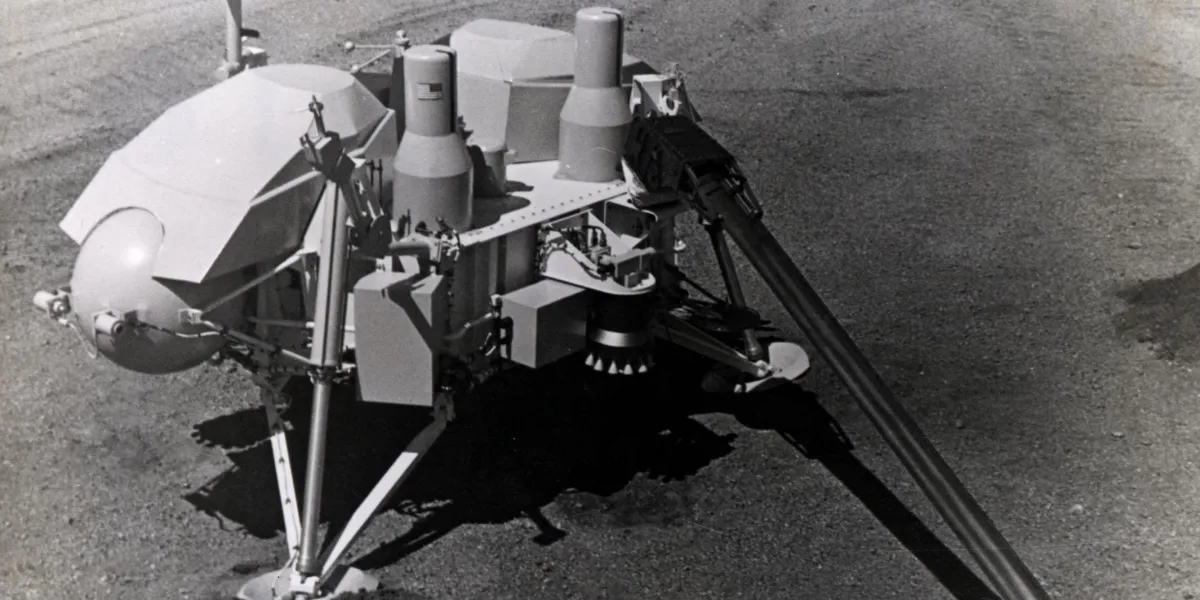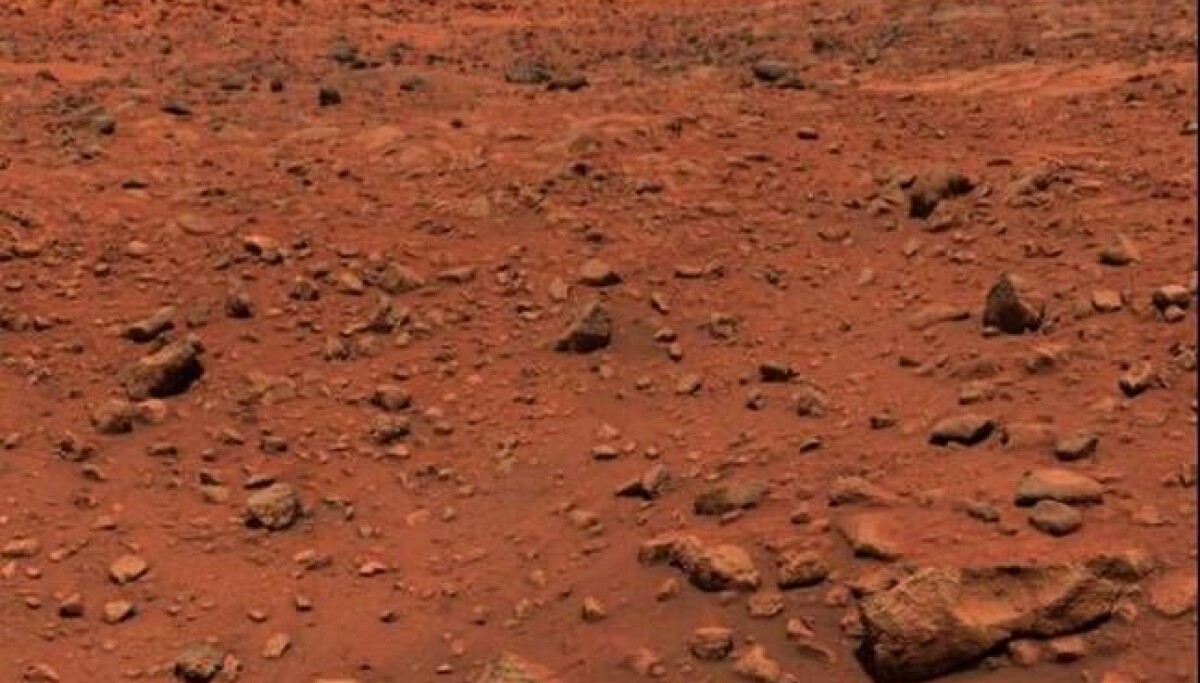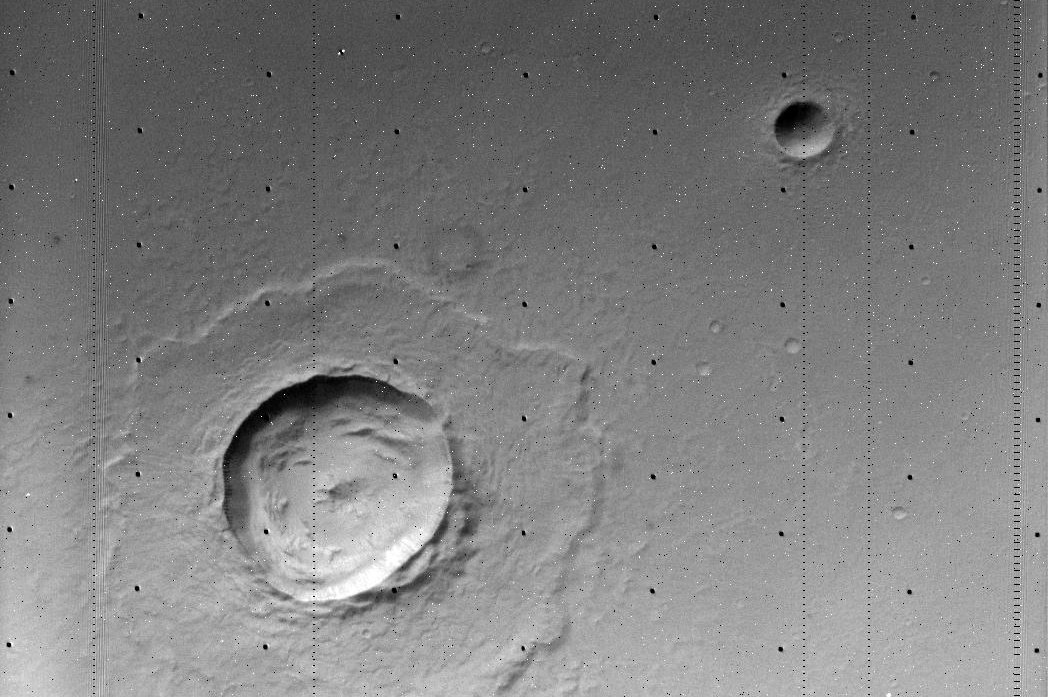
When the Viking 1 lander touched down on Mars in July 1976, the clock began ticking on Viking’s 90-day primary mission. Experiments had to be conducted and data relayed to Earth before Mars slipped behind the sun in November, making communication impossible. The Viking team hoped to reestablish communication after Mars reappeared, but they couldn’t count on it. When they did so in December, James Tillman ’58, SM ’61, was thrilled that the mission would continue. As an MIT student, Tillman had helped design meteorology instruments for the original Voyager mission to Mars. And after becoming a research professor of atmospheric sciences at the University of Washington (UW) in 1970, he began working with Conway Leovy, PhD ’63, on the meteorology team for Viking, which had replaced the canceled Voyager program in 1968. So intent was he on studying Martian weather that as the rest of the team cheered the first images Viking 1 sent back upon landing, he was hyperfocused on verifying that its meteorological instruments were working. When the Viking mission resumed that December, some researchers stayed at the Jet Propulsion Lab in Pasadena to access the data flowing in every sol (the 24.6-hour Martian day). It took a day for the data to get into JPL’s punch card system, but Tillman had established a network protocol and written a FORTRAN program that let him receive and process meteorology data at his UW office within minutes of its arrival at JPL. Despite the treasure trove of Martian data coming in, funding was limited, so NASA began winding down Viking in 1978. With characteristic frankness, an appalled Tillman told the head of NASA, “You are not shutting down my mission.” Tillman and a small “tiger team” of experts then got the necessary approvals and negotiated for time on NASA’s Deep Space Network (DSN). A JPL staff member would continue to initiate the DSN downlinks of Viking’s meteorology data, which would flow through the network to UW. And in early 1979, when JPL systems that had been dedicated to Viking were reassigned to serve other programs, what became known as the Viking Computer Facility at UW continued to process and store that data.
The Martian weatherman
James Tillman ’58, SM ’61, began designing instruments to study Martian weather as an MIT student. When NASA decided to shut down the Viking mission after two years, he wouldn’t hear of it.
521 words~2 min read