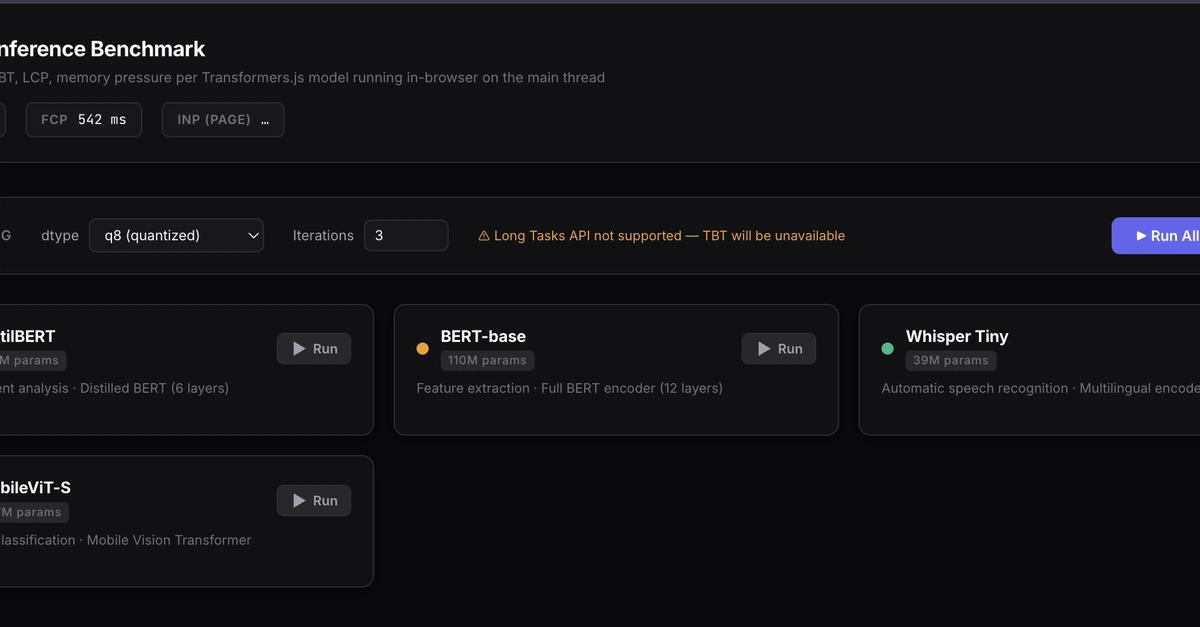
For years, heavy computational tasks like computer vision, semantic segmentation, and deep feature extraction were strictly locked behind powerful backend server clusters equipped with expensive GPU arrays. When a user uploaded an image for background removal or semantic profiling, the browser acted merely as a thin presentation layer. It captured pixels, compressed them into JPEGs, and shipped them over HTTP to a remote Python microservice running PyTorch or TensorFlow. Then, it waited for the server to reply.
This client-server round-trip introduces severe friction: high latency, massive bandwidth consumption, recurring cloud infrastructure bills, and deep privacy concerns. Routing private user video streams or sensitive enterprise assets through centralized cloud endpoints invites compliance nightmares under frameworks like GDPR and HIPAA.
Today, that architecture is obsolete.
Thanks to the convergence of advanced hardware acceleration APIs, the maturation of WebAssembly (Wasm), and portable machine learning runtimes, we can now execute complex deep learning inference directly inside the browser. The client device is no longer a passive terminal—it is a sovereign edge-computing node. In this guide, we will explore how to build high-performance, client-side computer vision pipelines using ONNX Runtime Web (onnxruntime-web), transforming raw HTML5 canvas pixels into real-time segmentation masks and dense vector embeddings entirely in the browser memory space.