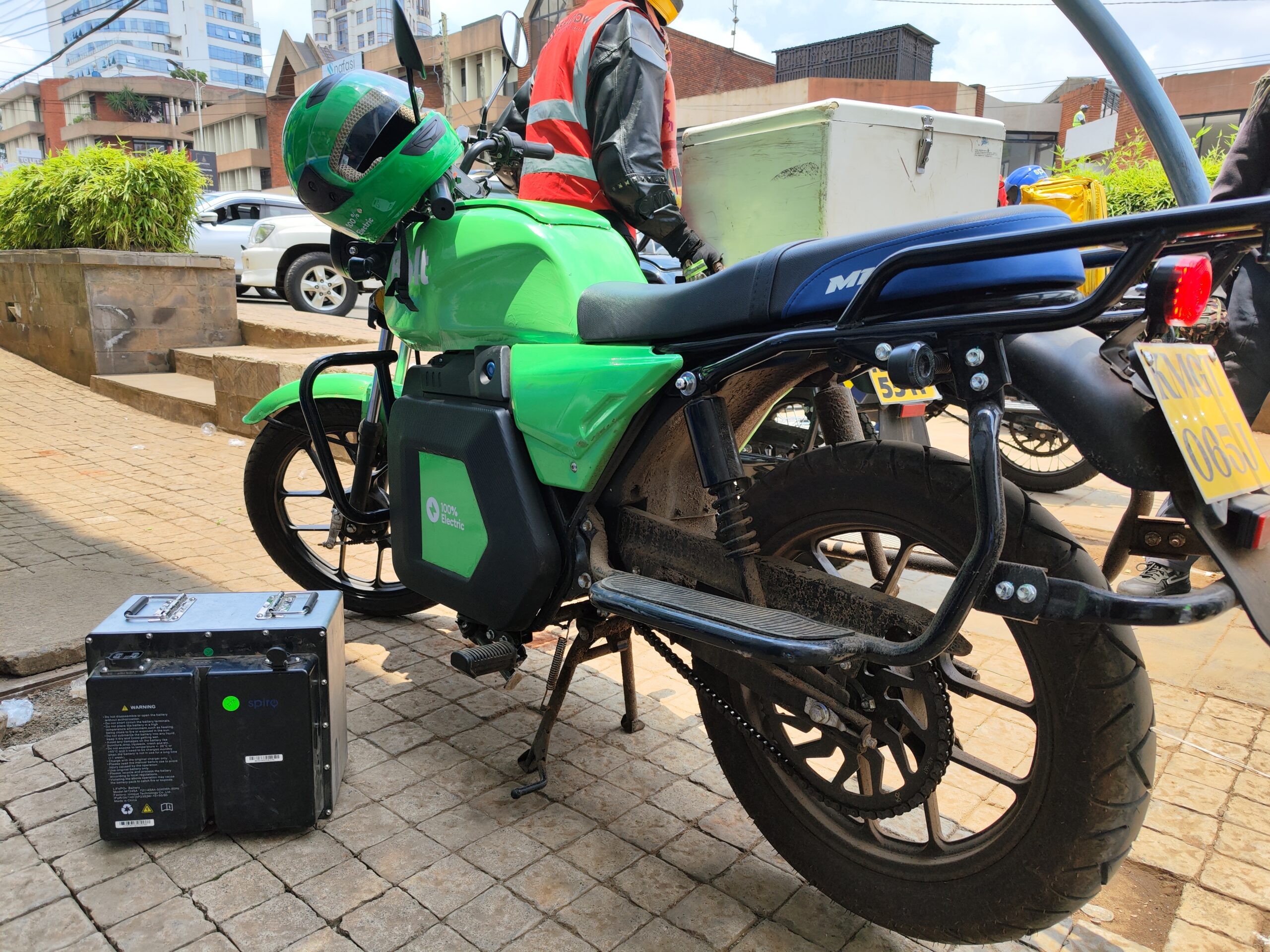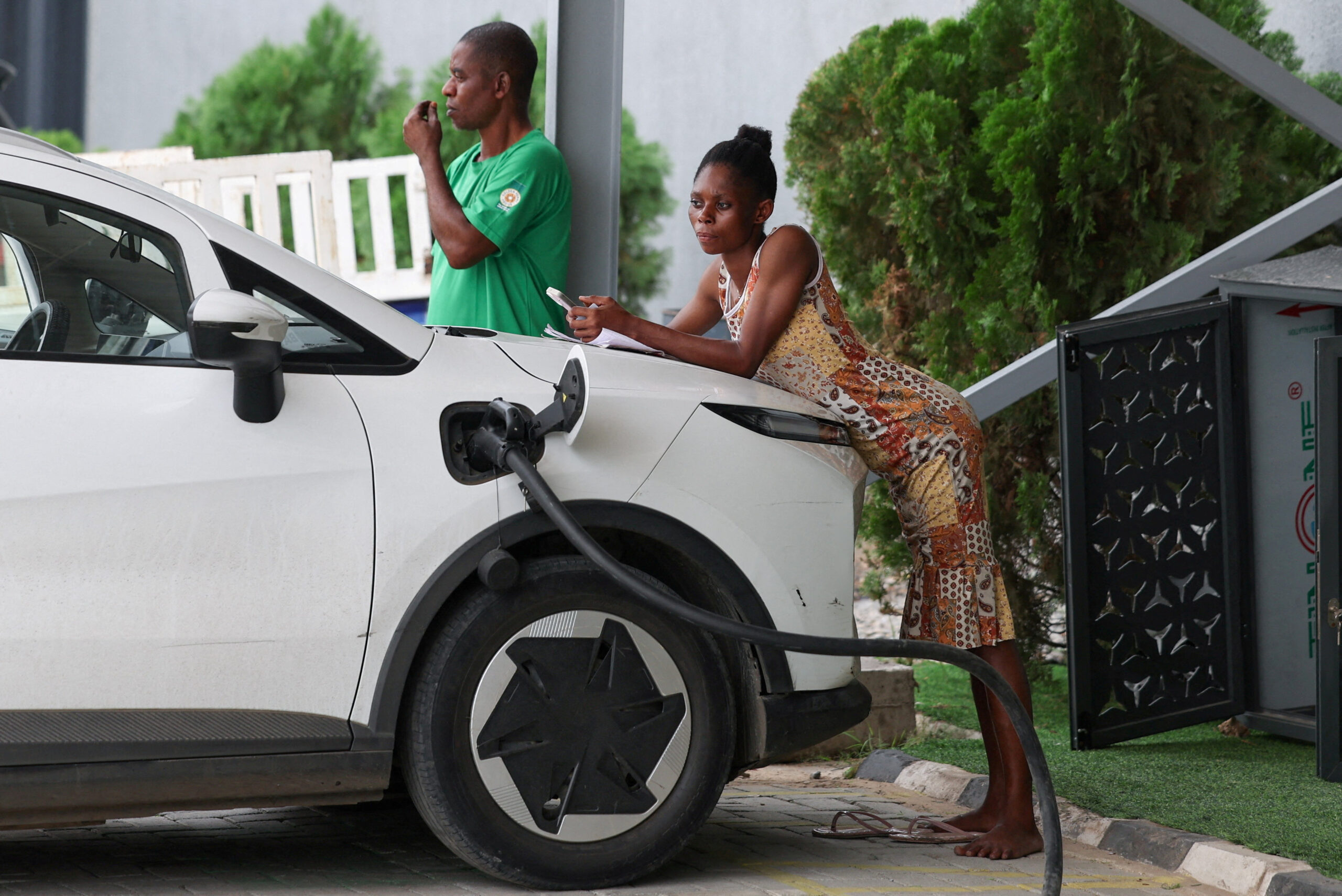
Electric vehicles (EVs), such as electric cars, motorbikes, three-wheelers, and trucks, are taking off across Africa. The countries that actively encourage the adoption of EVs will be first to reap the technology’s benefits for society and the economy.
In the past two years, EV sales in Africa have surged. For example, electric car sales across the continent rose from four thousand units in 2023 to twenty-five thousand in 2025. The trend is particularly clear in East Africa. Ethiopia alone accounts for a third of the entire continent’s imports of EV parts from China. According to the Energy for Growth Hub (which maintains an Africa EV Readiness and Impact Index), Kenya and Ethiopia, as well as countries such as South Africa and Rwanda, are among the readiest for EV adoption. Electric motorbikes are being adopted the fastest. Spiro, a manufacturer, estimates it already has 114,000 electric motorbikes on African roads, which it says is a 68 percent increase since last December. Electric motorbikes will likely continue to outpace electric cars in the years to come, as both they and their charging stations are less expensive upfront than cars.
The EVs hitting the roads in Africa are increasingly being assembled locally—albeit from Chinese components. Local assembly, by skirting tariffs on imported vehicles and high shipping costs, is lowering costs associated with the vehicles, prompting more orders. Rising numbers of new, locally assembled EVs defy the usual expectation that new technology reaches Africa last, via imports of secondhand products from Europe and Asia.