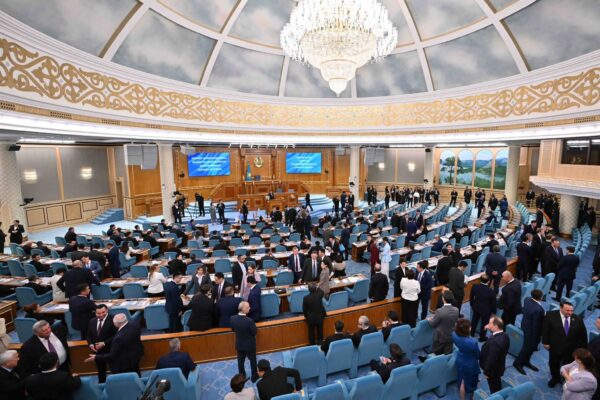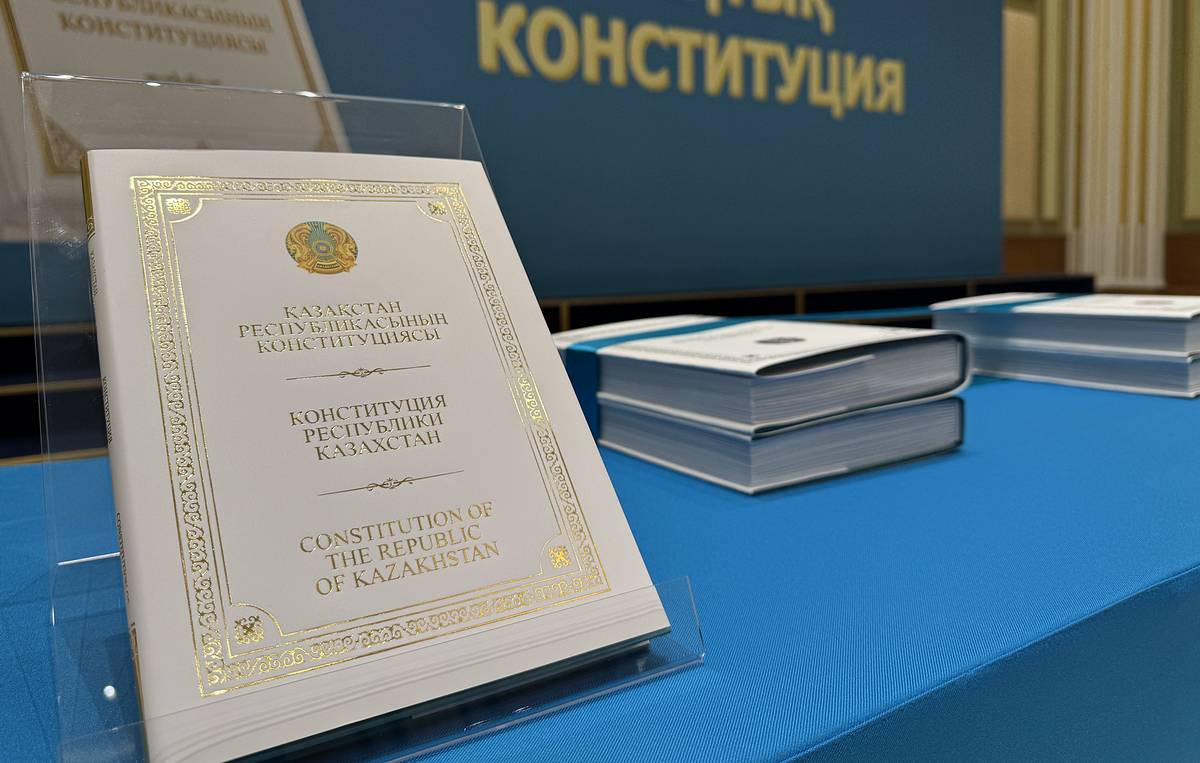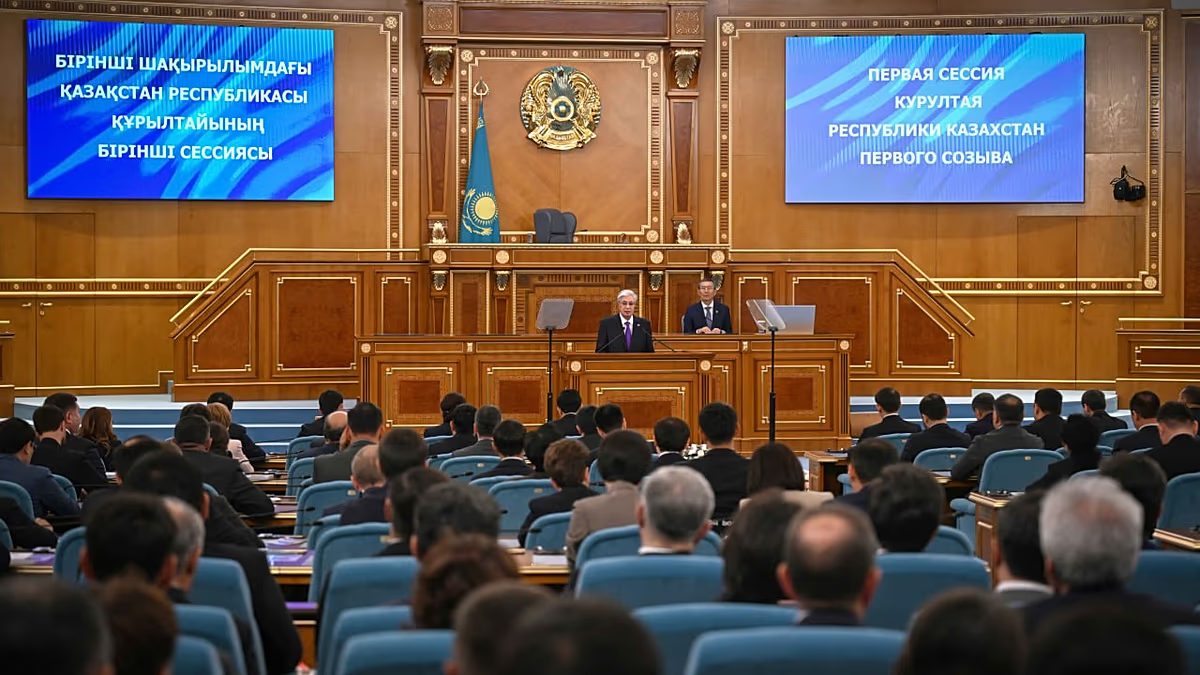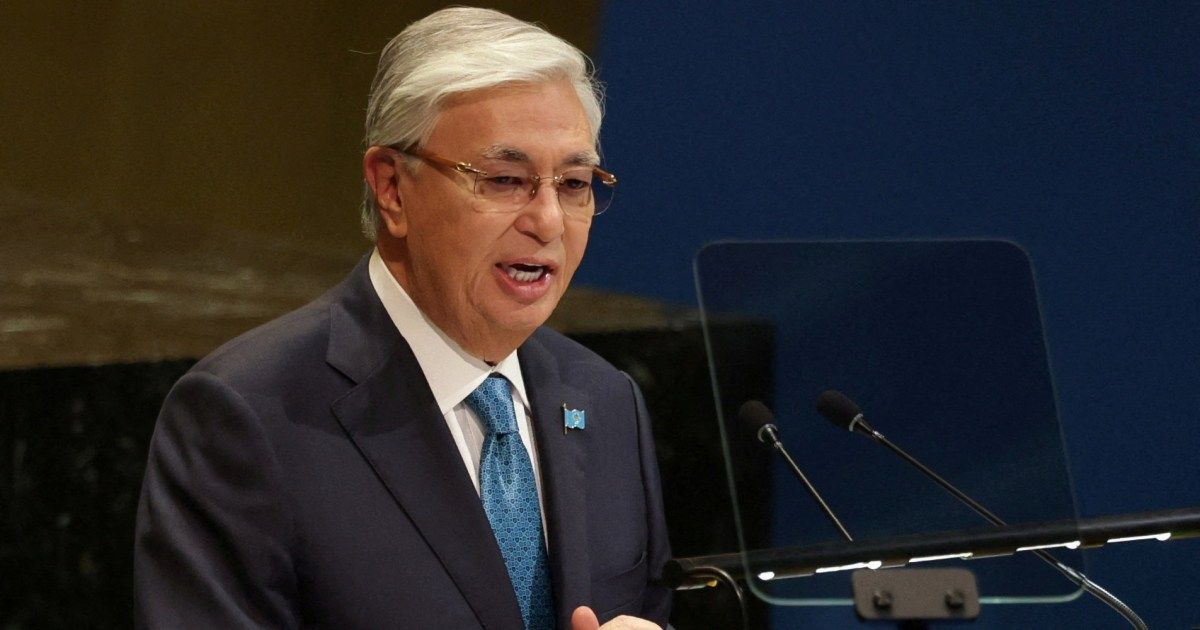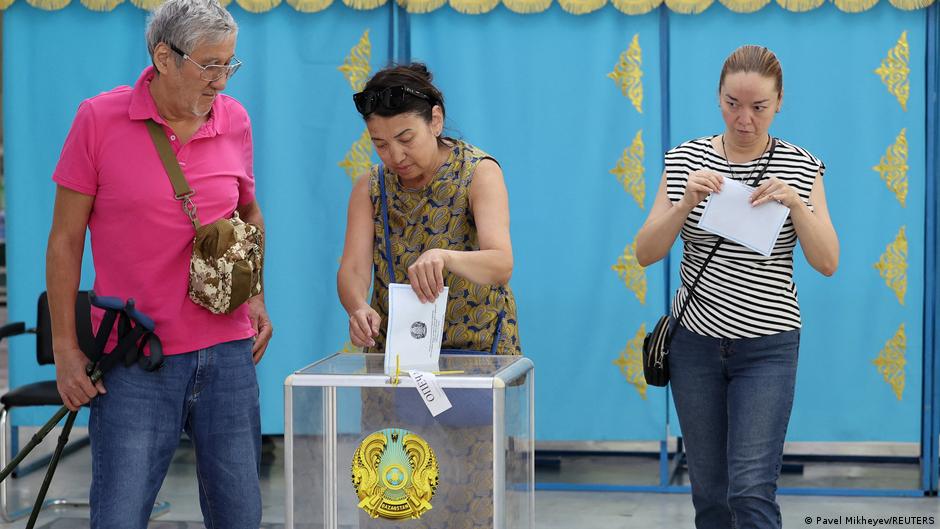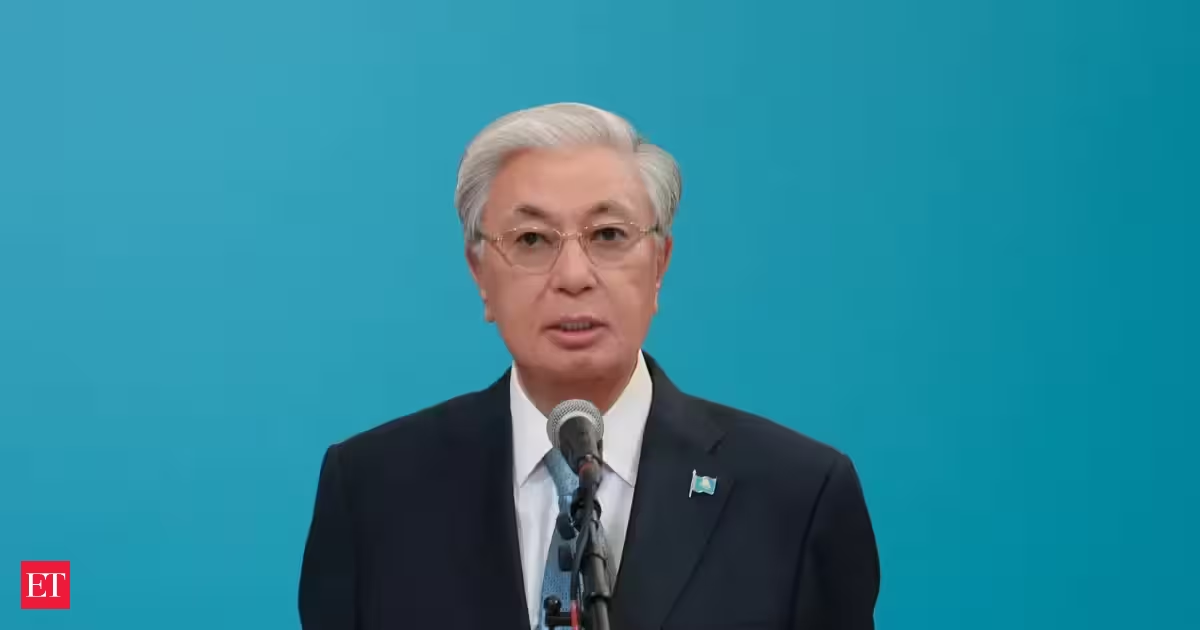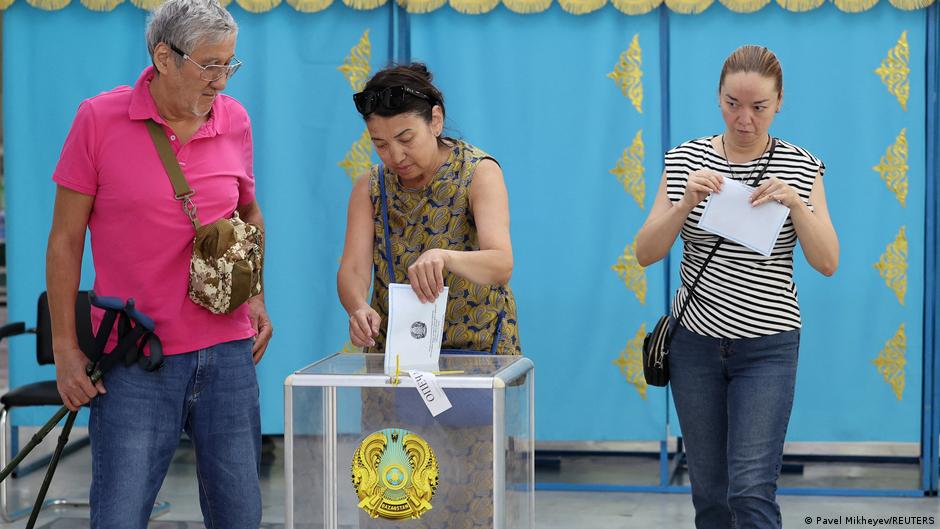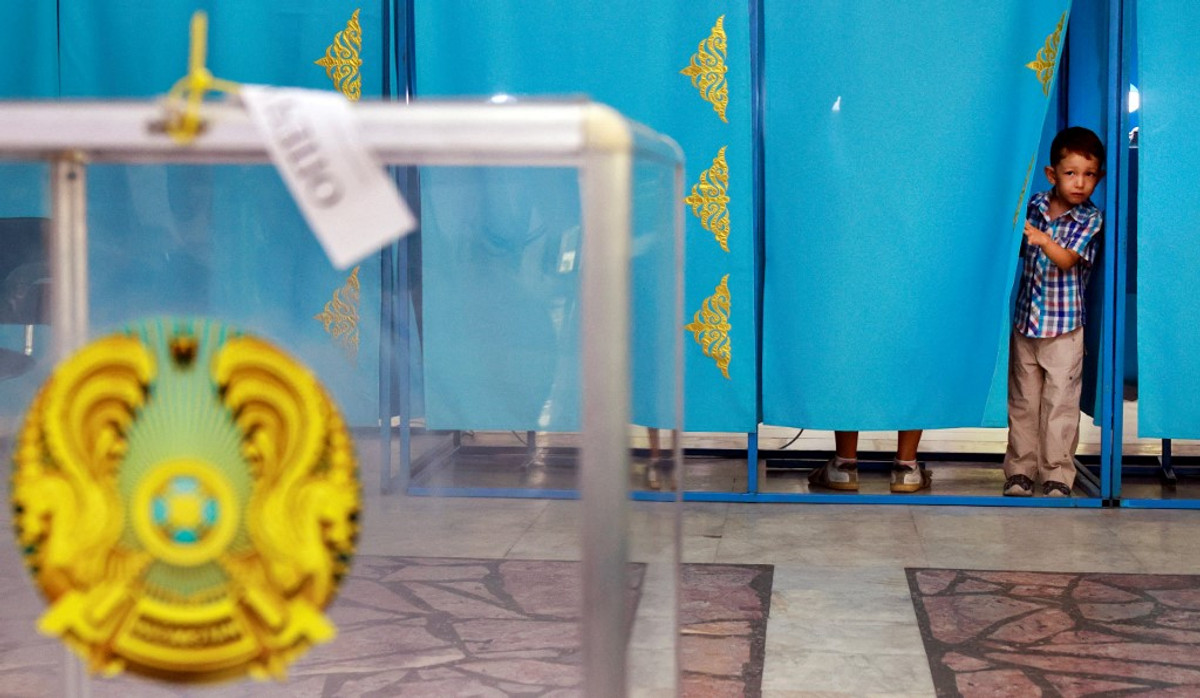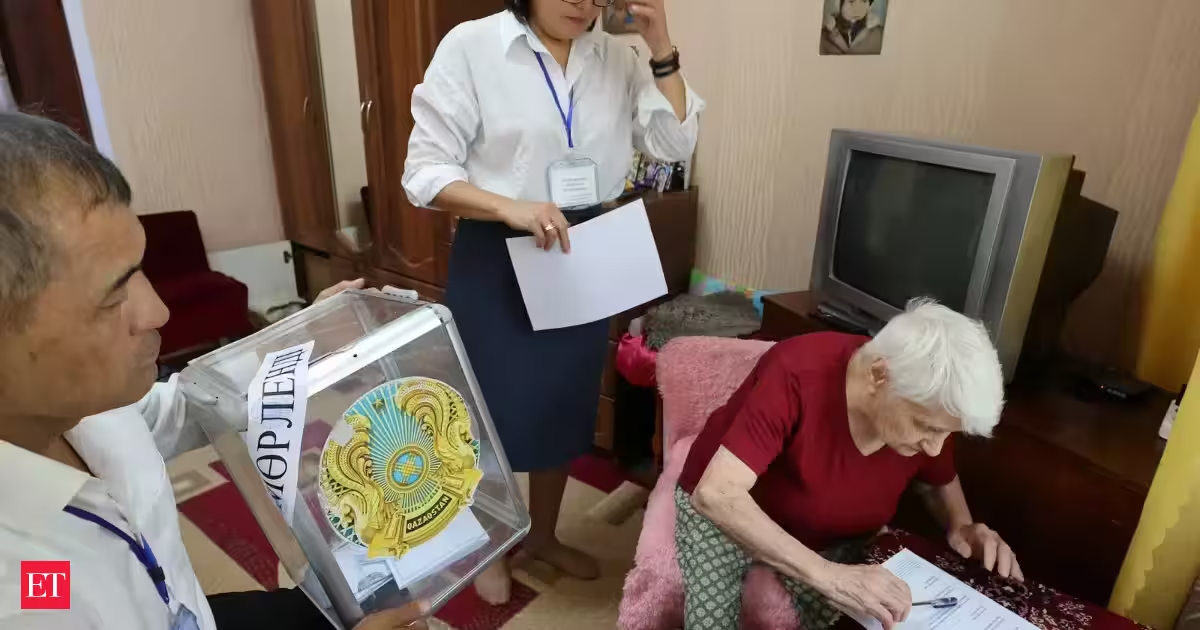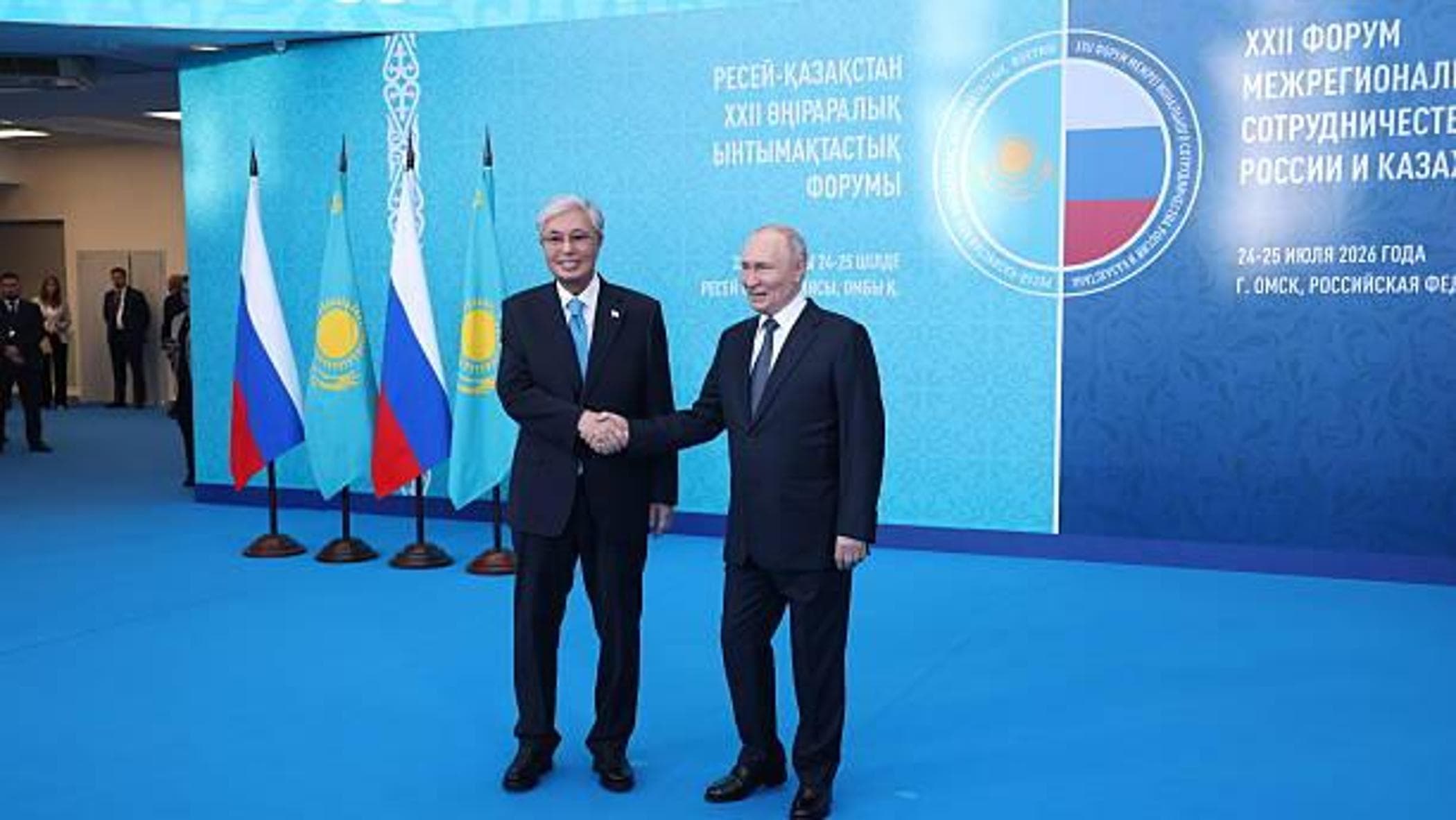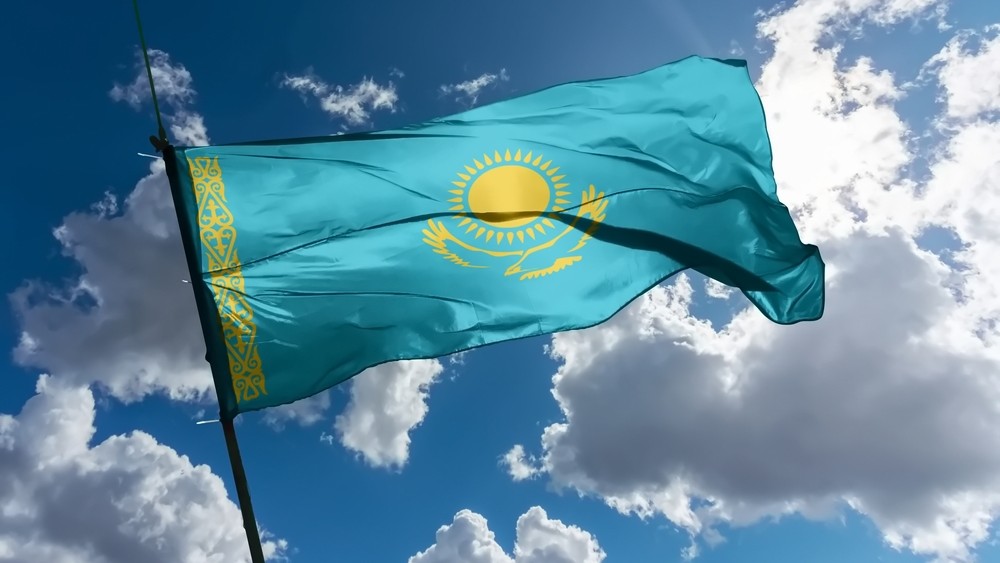
Kazakhstan’s parliamentary election on August 23 marked an important step in the country’s political development, completing the formation of an updated system of government under the new constitution that took effect in July. The election also has significant implications for efforts to expand global trade.The new unicameral legislature, the Kurultai, will be dominated by members of a pro-presidential party, Adilet, which received just over 71 percent of the vote. Four other parties will also be represented. Turnout was 74 percent. But those figures only tell a small part of the story. The real significance is that the Kurultai is expected to make a break with past practices, improving accountability and transparency.The reform process launched by President Kassym-Jomart Tokayev is designed to redistribute political power among state institutions, streamline the system of representation and make the business of legislating more efficient and effective. The transformation of Kazakhstan’s institutional architecture coincides with the emergence of a new stage in the country’s foreign policy engagement with key partners, including the United States.For Washington policymakers, the reforms can usher in the formation of a more structured and predictable political and legal environment, which is important for long?term economic and strategic cooperation. In this respect, the constitutional changes open up a new window of opportunity for the Trump administration, one that can enable the intensification of an already deepening dialogue across a variety of topics. Political stability, institutional predictability and Kazakhstan's ability to pursue a long-term economic policy are directly linked to the interests of American business and Washington's strategic interests.In recent months, there has been an increase in top-level US-Kazakh contacts, including political consultations and discussions on economic and investment initiatives. These contacts are seen as part of a broader trend towards the pragmatization of bilateral interaction and the strengthening of economic relations.Kazakhstan occupies a strategic trade position, standing at a crossroads connecting China, Russia, the Caspian Basin and South Asia. The country also possesses significant reserves of natural resources and is becoming an increasingly prominent participant in new Eurasian transport and economic routes.It is time for Washington to take fuller advantage of the numerous trade opportunities that Kazakhstan has to offer.One of the most promising areas of cooperation between the United States and Kazakhstan is critical minerals. Washington seeks to diversify global supply chains for materials that are important for high technologies, energy, and industry. Kazakhstan, in turn, has a significant mineral resource base and is interested not only in exporting raw materials but also in attracting technologies, investments and creating industries with higher added value. That is why cooperation in the sector should accelerate, shifting more rapidly from general political statements to discussions about specific projects – from geological exploration to processing. Kazakhstan’s new political system, the US-Kazakhstan memorandum of cooperation in the field of critical minerals and the subsequent intensification of dialogue create an institutional foundation for this.Transport connectivity marks a second area of intersecting US and Kazakh interests. Known as the Middle Corridor, the emerging network of trans?Caspian trade routes can vastly expand commerce between Central Asia and the West.For Kazakhstan, this is an opportunity to turn its geographical location into an economic advantage. For the United States, the development of alternative Eurasian routes has a broader strategic meaning – increasing the resilience of international supply chains and expanding Central Asia’s economic connections to global markets.The development of the Middle Corridor will require significant investments in railway, port and logistics infrastructure. It will also necessitate greater attention to some important issues that can impact trade, especially the shrinking level of the Caspian Sea.For the Middle Corridor to reach its full potential, the involvement of public-private partnerships, private capital and international financial institutions will be particularly important. Kazakhstan is working to improve conditions that facilitate such participation.The US approach toward Central Asia is shifting. Washington increasingly views the region as an independent economic and geopolitical area, rather than solely as a space for competition among major powers. It is here that the significance of political reforms extends beyond domestic policy. The more resilient national institutions are, the broader the space for long?term economic and political interaction with external partners.Prior to the August 23 election, Kazakh leaders were focused on changing the constitutional architecture. Now, attention is turning to the new legislative body. The new Kurultai will need to address issues that are of direct importance to investors and international partners. These issues include the quality of legislation, the reliability of investment protection, business development, the effectiveness of public administration, infrastructure policy and economic modernization.The election to the Kurultai has completed the formation of Kazakhstan’s new institutional architecture. Now, it is up to the freshly elected legislators to uphold the intent of the new constitutional system. Its stability will be determined by declarations. One of Kurultai’s central tasks in the coming months and years will be to show international investors, including those in the United States, that there is a clearer institutional framework for the next stage of interaction with Kazakhstan.By EurasianetMore Top Reads From Oilprice.comBureaucracy Is Strangling America's Clean Energy BuildoutSummer Heatwaves Are Rewriting the Rules for Britain's Power GridKazakhstan Extends Petroleum Export Ban Six Months as Hormuz Tensions Flare
Why Kazakhstan’s New Political Order Matters for US Trade | OilPrice.com
Kazakhstan’s new political system could create opportunities for deeper US cooperation in critical minerals, investment and Eurasian trade.
859 words~4 min read