NEW YORK—If there is one general lesson to learn from the long history of great-power competition, it’s that the state or alliance with the larger economic base tends to emerge victorious from long-term strategic competition—if it can mobilize the necessary resources in a timely and sustainable manner.
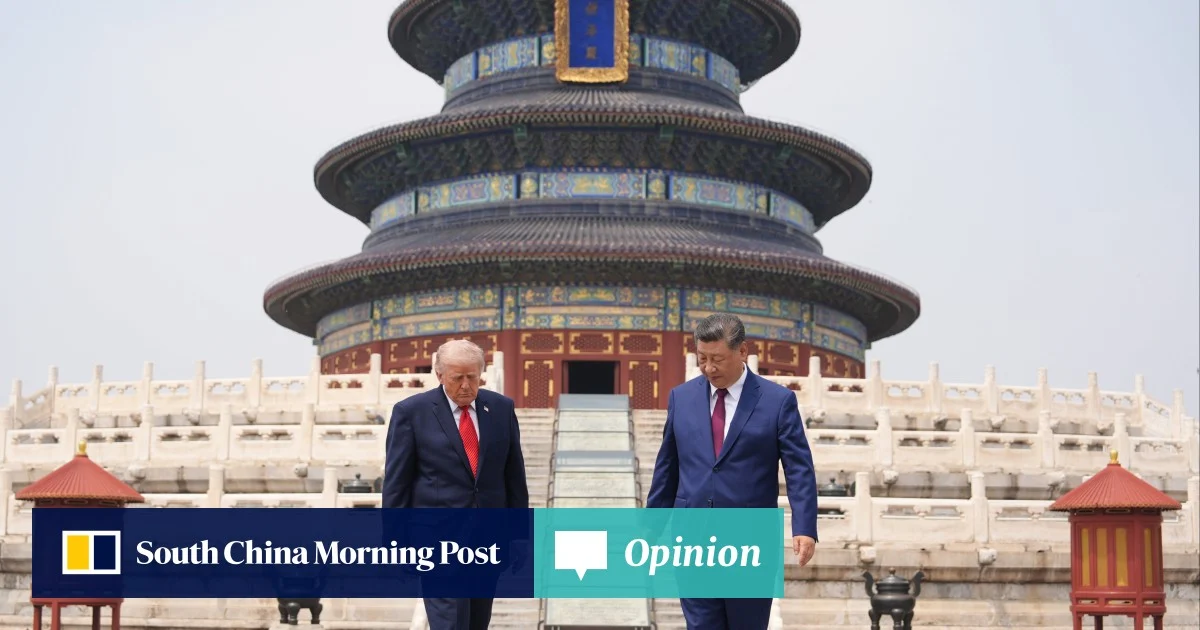
That lesson applies today, with great-power competition returning to the scene. In East Asia, the United States and its allies face pressure from a rising, more assertive China. In Europe, a declining but aggressive Russia is challenging the status quo and the regional balance of military power. In both theaters, the United States is well-positioned to help maintain the balance of power: it is committed to defending the status quo, it is a great power with an extensive alliance network, and it can bring significant military power to bear around the world.
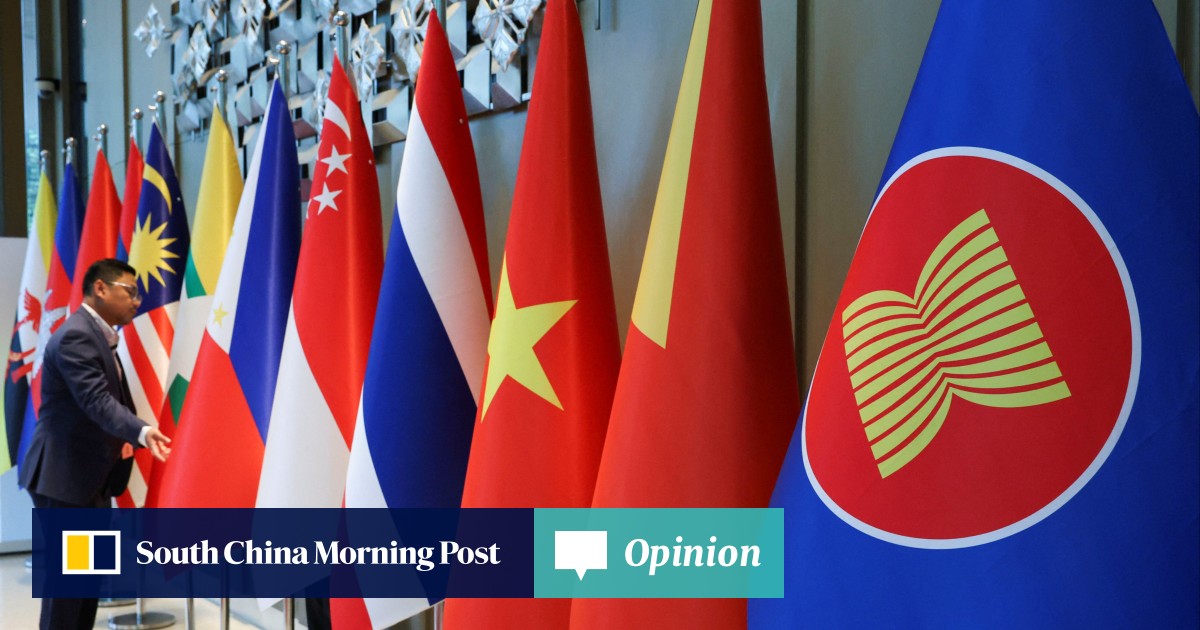
Networks matter because they act as force multipliers and because democracies rarely look to authoritarian powers as their preferred security patrons. Their preference for democracies is known in political science as democratic alliance theory. A case in point: a broadly democratic NATO is squaring up with an undemocratic Russia, whose most important sources of support have come from other nondemocratic countries such as Belarus, Iran, North Korea, and China, over a democratic, if fragile, Ukraine. Meanwhile, in East Asia, a US-led alliance of democracies, including Australia, Japan, and South Korea, faces off against China over—among other things—a democratic Taiwan. At the same time, China has no formal treaty allies in the region beyond North Korea.