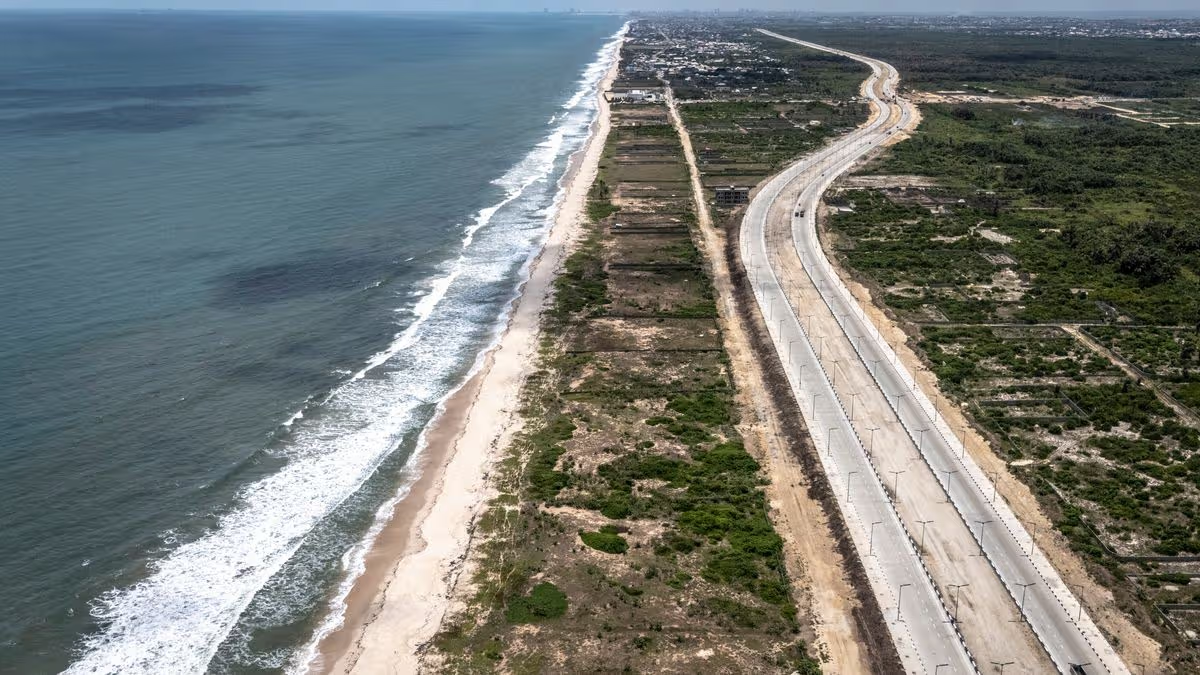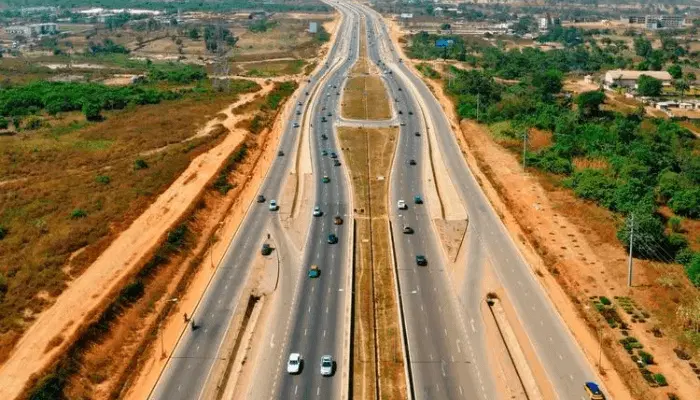
To improve living conditions in Nigeria, new roads like the Lagos–Calabar Coastal Highway are needed.But these can and must be built in such a way that protects mangroves, swamps, and remnant forests, using knowledge and tools like environmental and social impact assessments.“The question is not whether Nigeria should develop. It is whether development will be intelligent enough to avoid destroying the natural infrastructure that already protects coastal communities,” a new op-ed argues.This article is a commentary. The views expressed are those of the author, not necessarily of Mongabay.
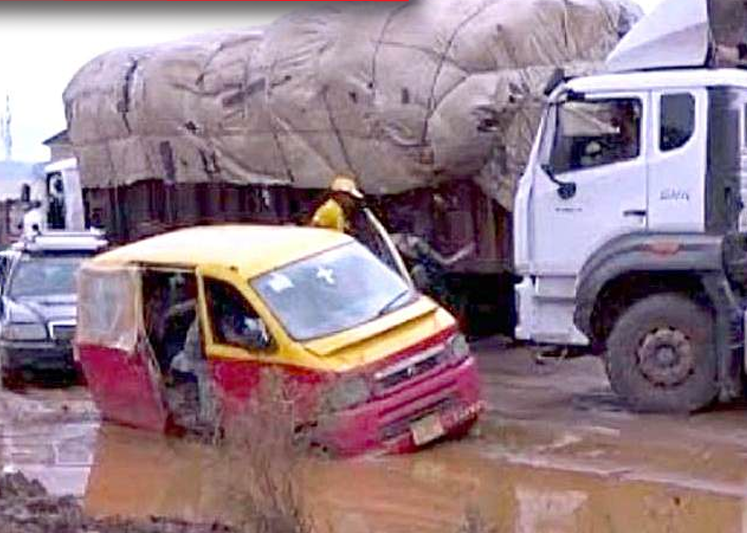
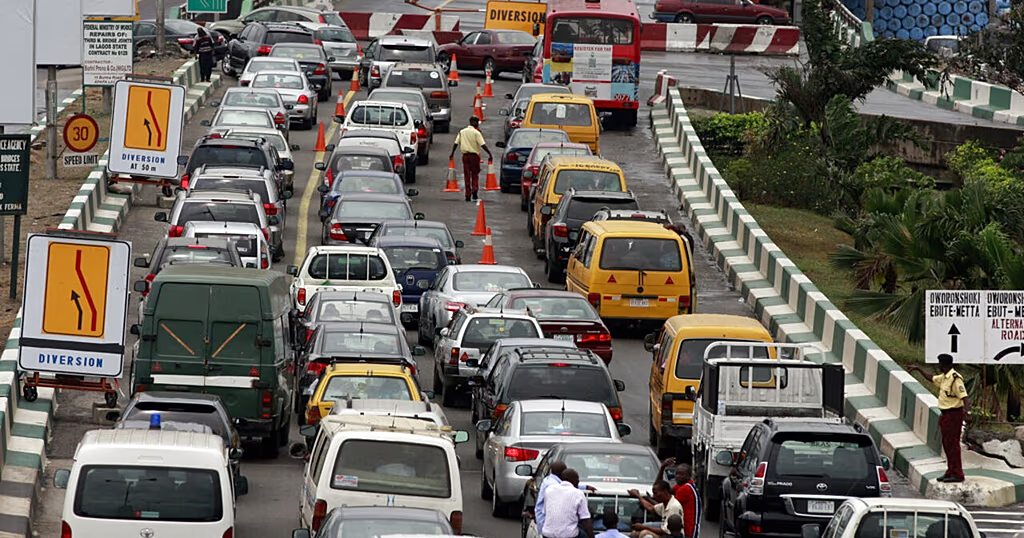
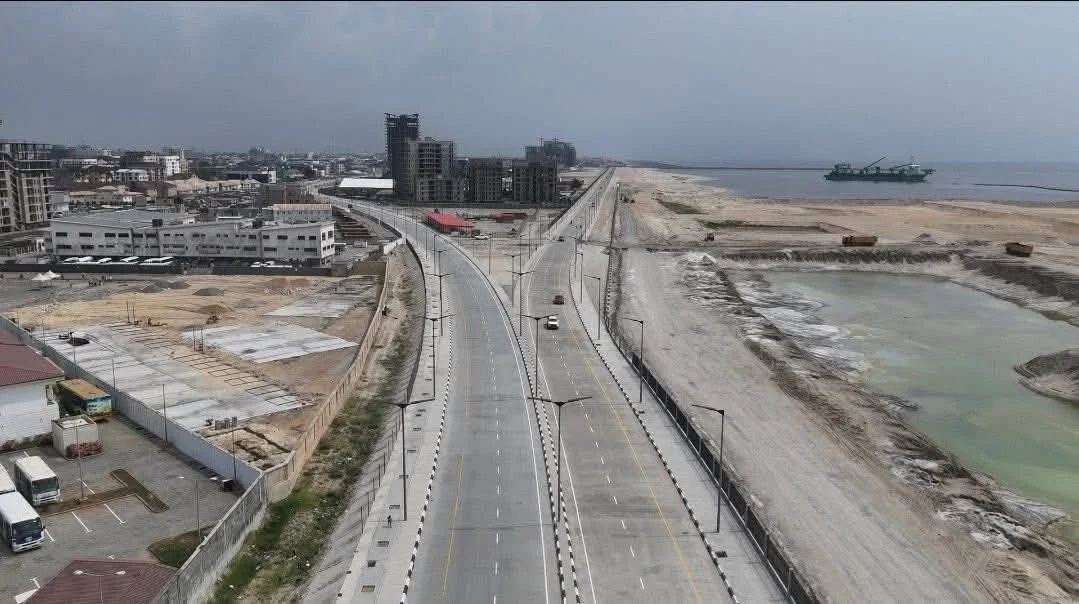
Nigeria needs road infrastructure for improved living conditions. Anyone who has watched trucks crawl out of Lagos, farmers and fishermen struggle to reach markets, or small coastal businesses lose value to poor logistics, knows that road infrastructure in Nigeria is not a luxury. The proposed Lagos–Calabar Coastal Highway, running roughly 700 kilometers (about 435 miles) from Badagry toward Calabar, is therefore easy to sell as a nation-building project: faster trade, more jobs, increased tourism, port access, socioeconomic development, and a stronger southern economic corridor.
However, the same road could also become a long concrete trigger for ecological loss. Nigeria’s coast is not empty land waiting for asphalt. It is a living system of mangroves, freshwater swamps, tidal channels, floodplains, fishing settlements, and remnant forests. These ecosystems store carbon, buffer storms, nurse fisheries, serve as breeding grounds for marine life, and support livelihoods that rarely appear in road-cost spreadsheets.