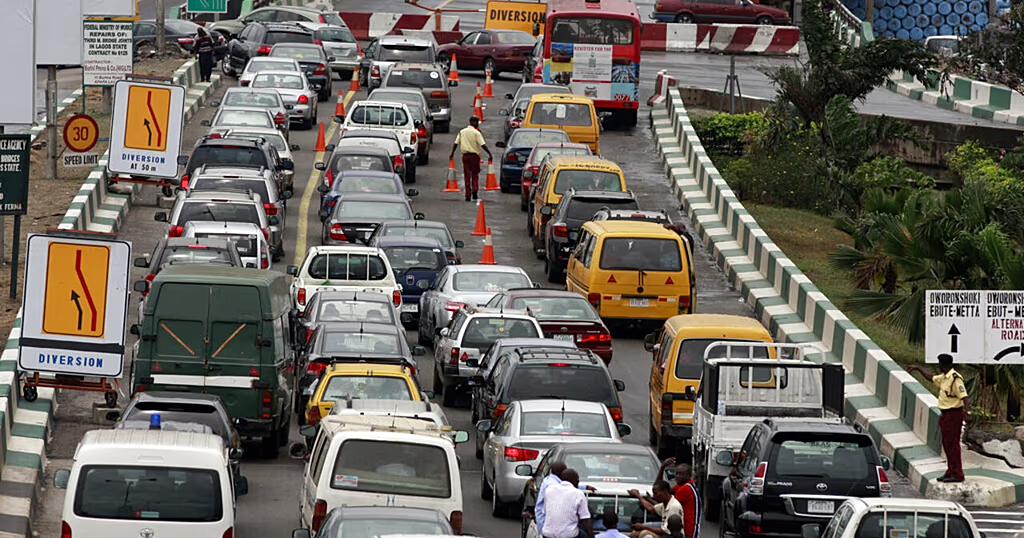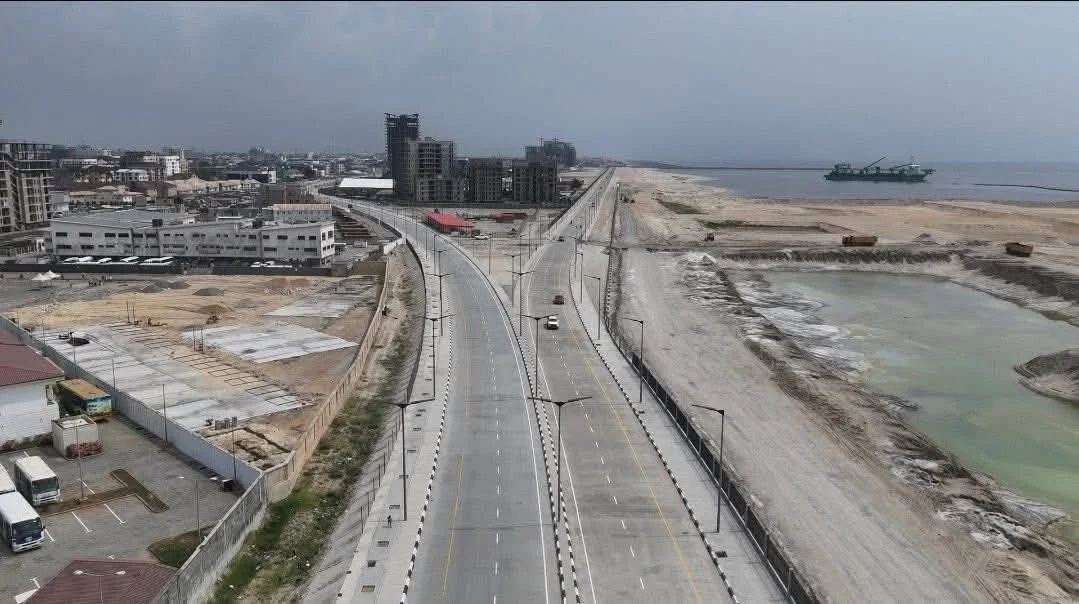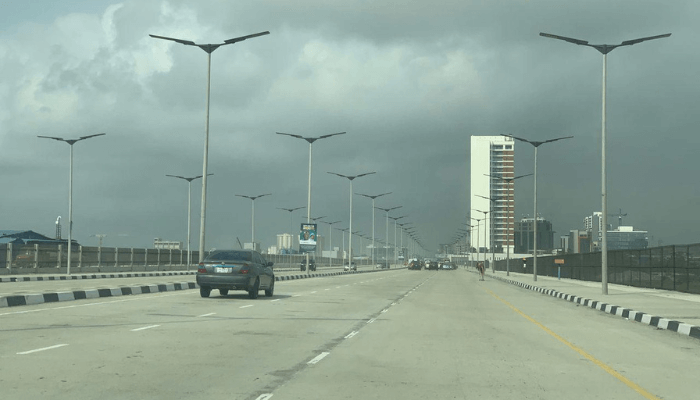
Stakeholders in the built environment have stated that the Lagos-Calabar Coastal Highway has the potential to improve national connectivity, strengthen regional development, support logistics, open economic opportunities, promote tourism, connect coastal markets and reduce spatial isolation.
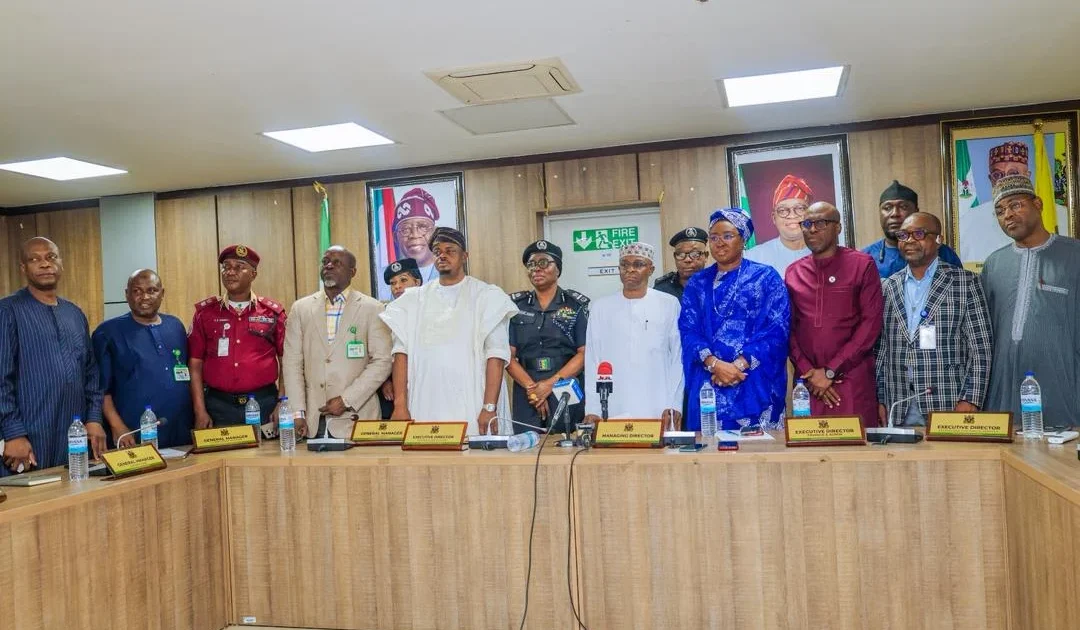
This formed the thrust of discussions on Thursday at the National Theatre, Iganmu, Lagos, during the 2026 Femi Olomola Lecture themed, “Lagos-Calabar Coastal Highway: Balancing National Development, Environmental Concerns and Socio-Economic Opportunities.”
The event was organised by the Nigerian Institute of Town Planners, Lagos State Chapter, in conjunction with the Association of Town Planning Consultants of Nigeria, Lagos State Branch.
The guest speaker, Prof Peter Elias, Professor of Geography and Co-Director, Centre of Housing and Sustainable Development, University of Lagos, stressed that the Lagos-Calabar Coastal Highway represents both promise and risk.
“Its promise lies in its potential to improve national connectivity, strengthen regional development, support logistics, open economic opportunities, promote tourism, connect coastal markets and reduce spatial isolation. Nigeria needs such transformative infrastructure. A country of Nigeria’s size, population and economic ambition cannot achieve inclusive development without major investments in transport connectivity. Yet the risk is equally clear,” Elias said.