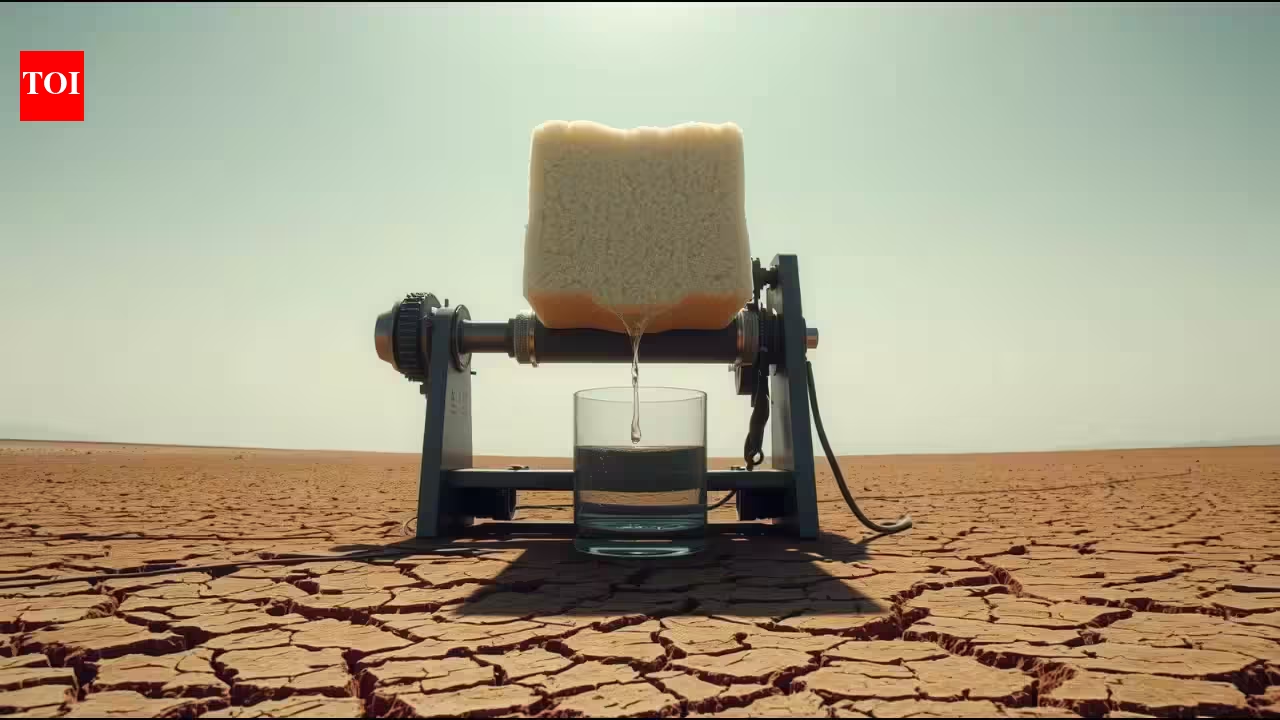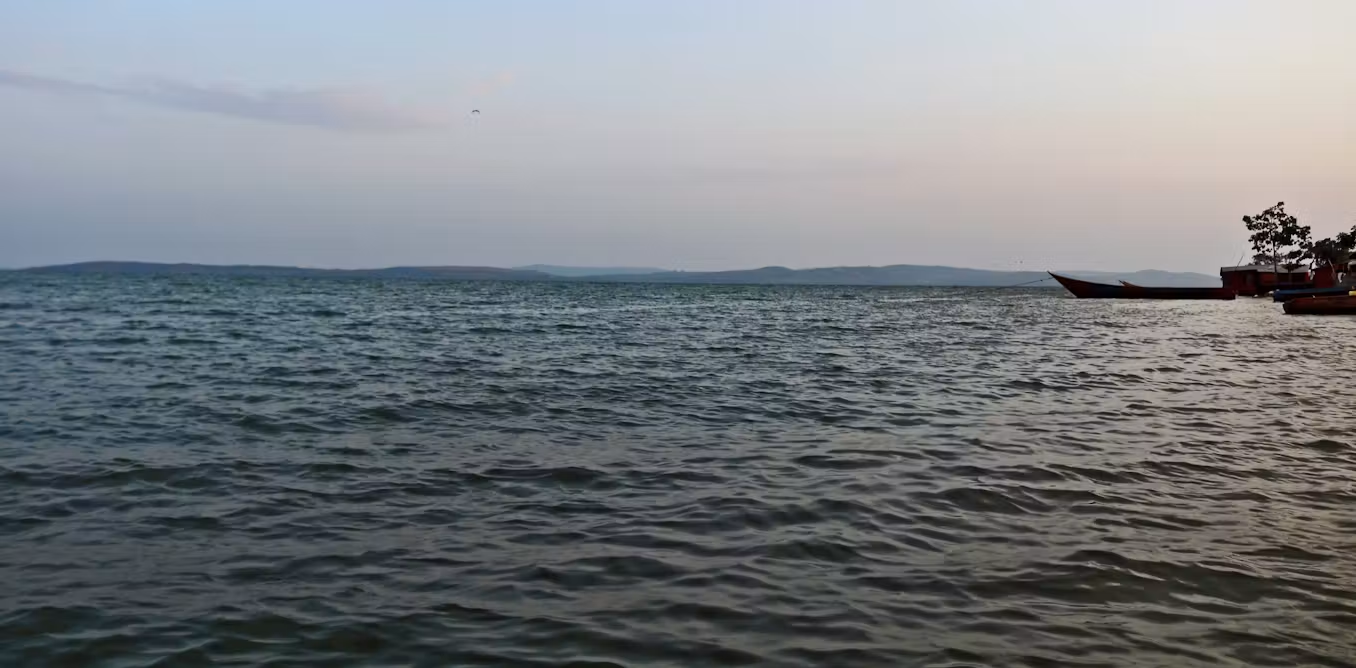
Water stored in dams and reservoirs for humans to use often evaporates, especially in hot regions like southern Africa. Rising temperatures speed evaporation up, leaving less water for people, farming and industry. Daniel Kwasi Kpeglo has just completed a PhD in physics. He explains his laboratory research into a new design – a thin nanomaterial floating cover that could be placed over lakes and dams like a blanket, reducing evaporation by limiting the amount of infrared heat from the sun that reaches the water. He also outlines what hurdles need to be cleared for the design to be tested in the real world.
Why is reducing water evaporation so important?
Reducing evaporation simply means wasting less of the water we already have. The idea behind my research was quite simple: if we can keep more of the water that we have already stored, we reduce the pressure to find new sources of water.
This is especially relevant for Africa, where water stored in dams and lakes can make an important contribution to water security, food production and resilience to drought.
How does the nanomaterial cover stop evaporation while letting sunlight through?