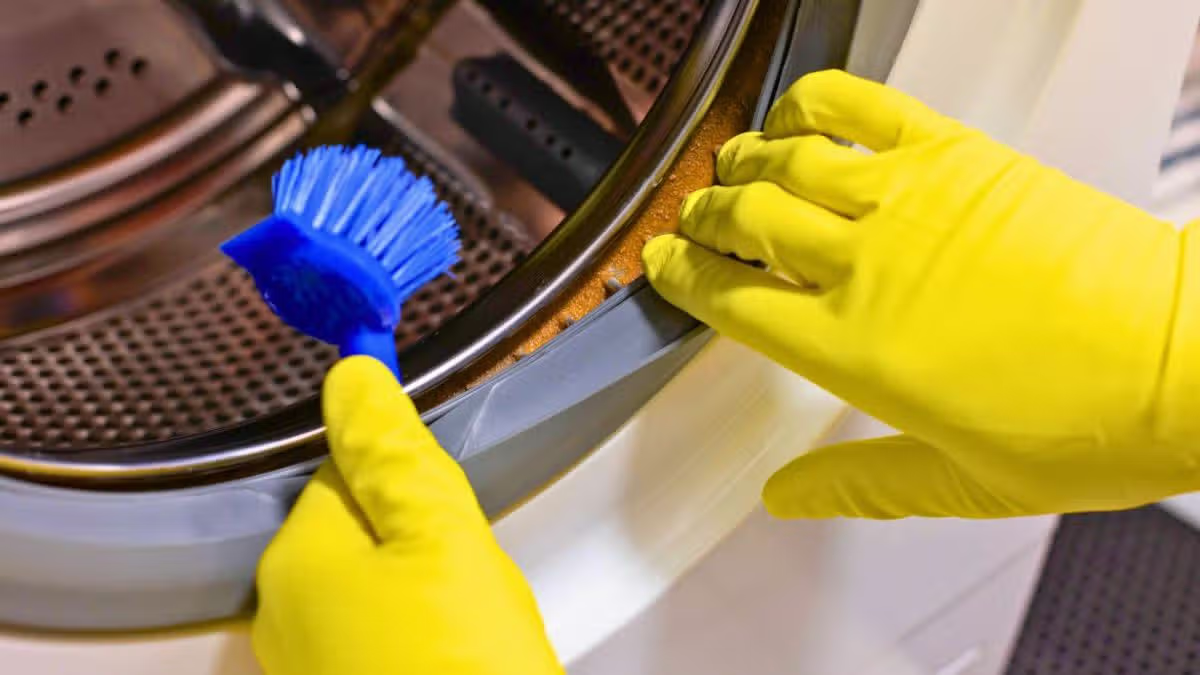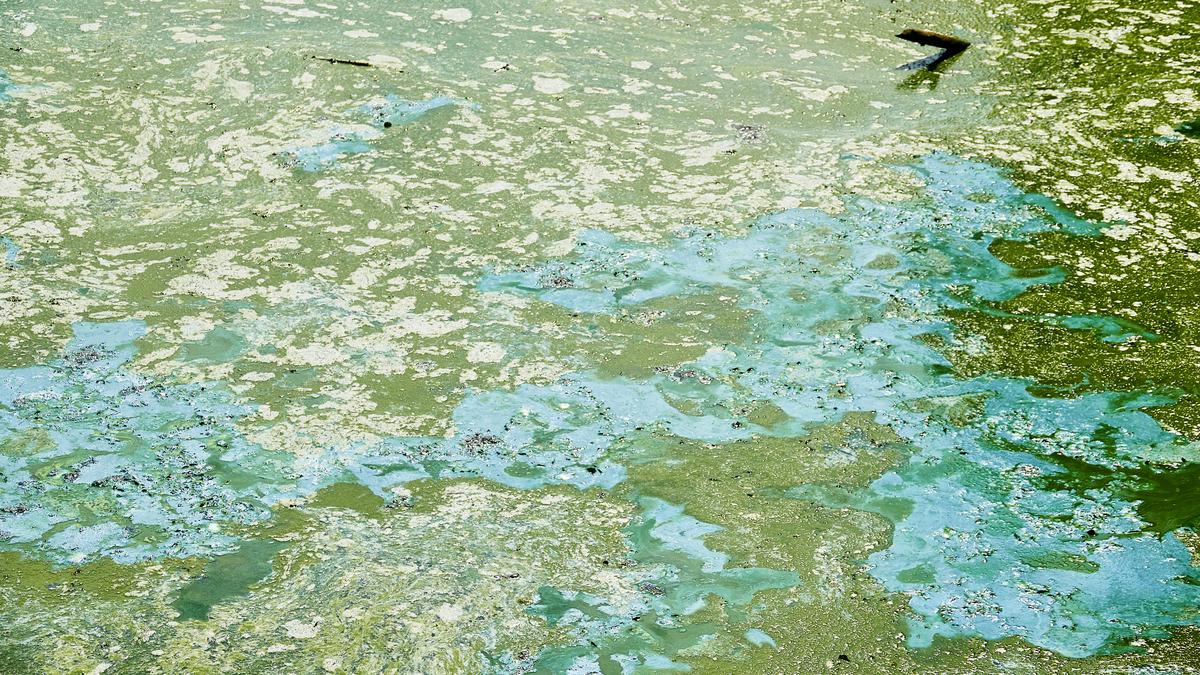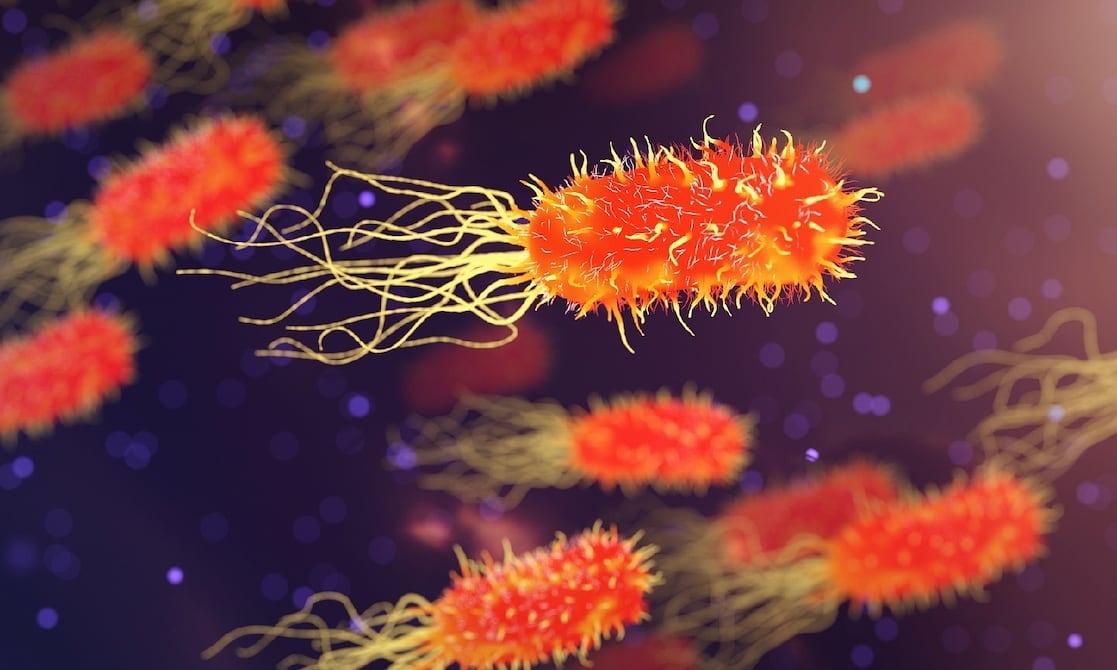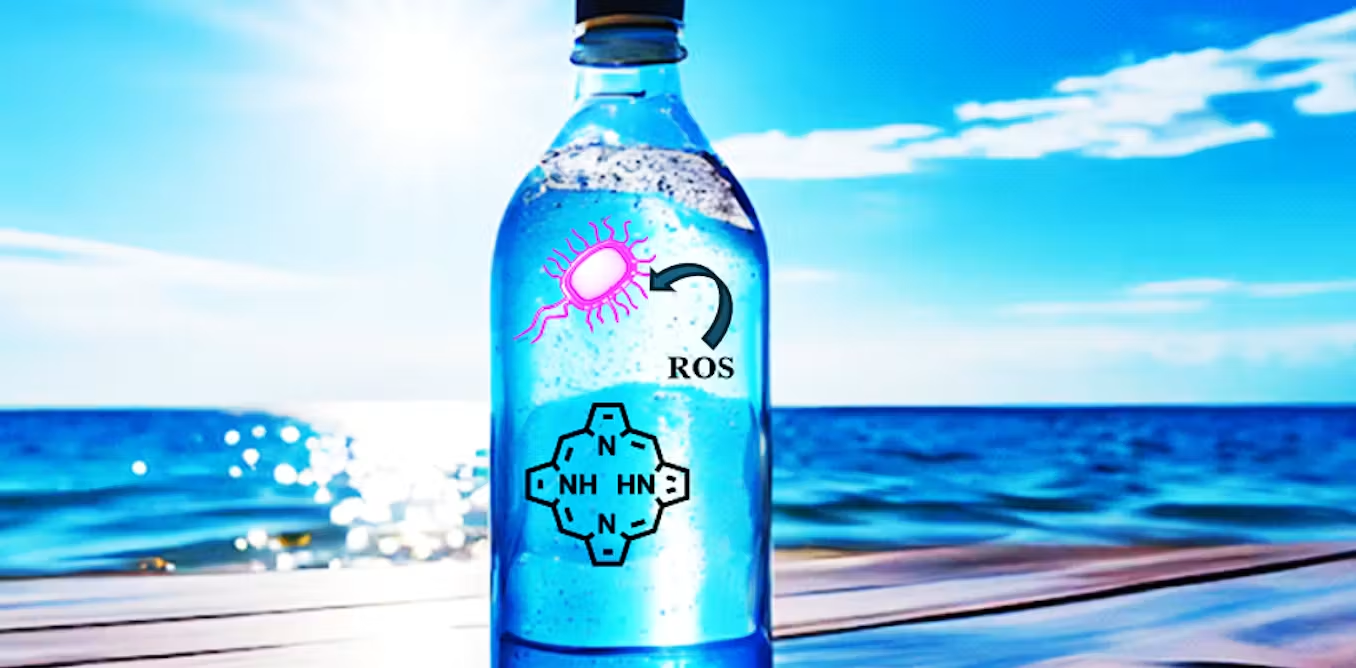
When drinking water is stored in containers, a thin layer of microorganisms can grow at the interface of the container and water. This thin layer is called a biofilm. It’s made up of bacteria that make the water unsafe to drink. Slimy biofilms are harder to kill with ordinary disinfectants like chlorine. So scientists are always looking for new ways to clean water in household storage systems. Nanotechnologists Lijo Mona and Muthumuni Managa are exploring innovative ways to eradicate pathogens in water. They’ve reviewed the ways that photosensitiser agents (molecules that absorb light and transfer energy to other molecules) can trigger the chemical and biological changes that can make water safer to drink.
What water problems does South Africa face?
Access to water and sanitation is a basic human right provided for in the South African constitution. However, only 77.1% of households have access to reliable water sources.
Many rural areas and villages experience severe water shortages because of minimal municipal infrastructure or water scarcity. Often, rural families get their water from polluted rivers.
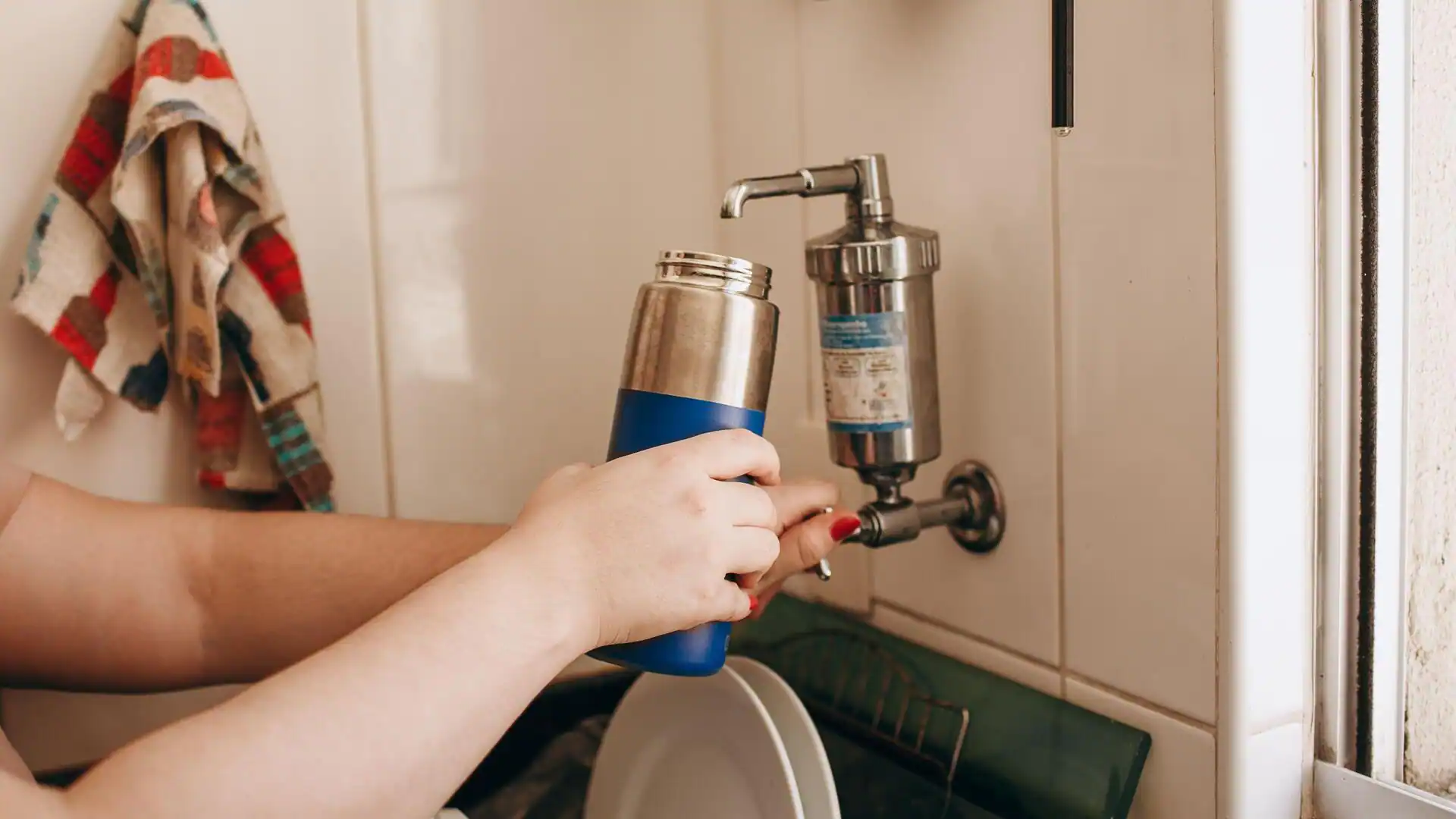
In some areas, municipalities deliver water in tanks that people collect and store at home over a long time in buckets. But this poses an additional health risk as microorganisms may form bacteria-filled biofilms inside the buckets.