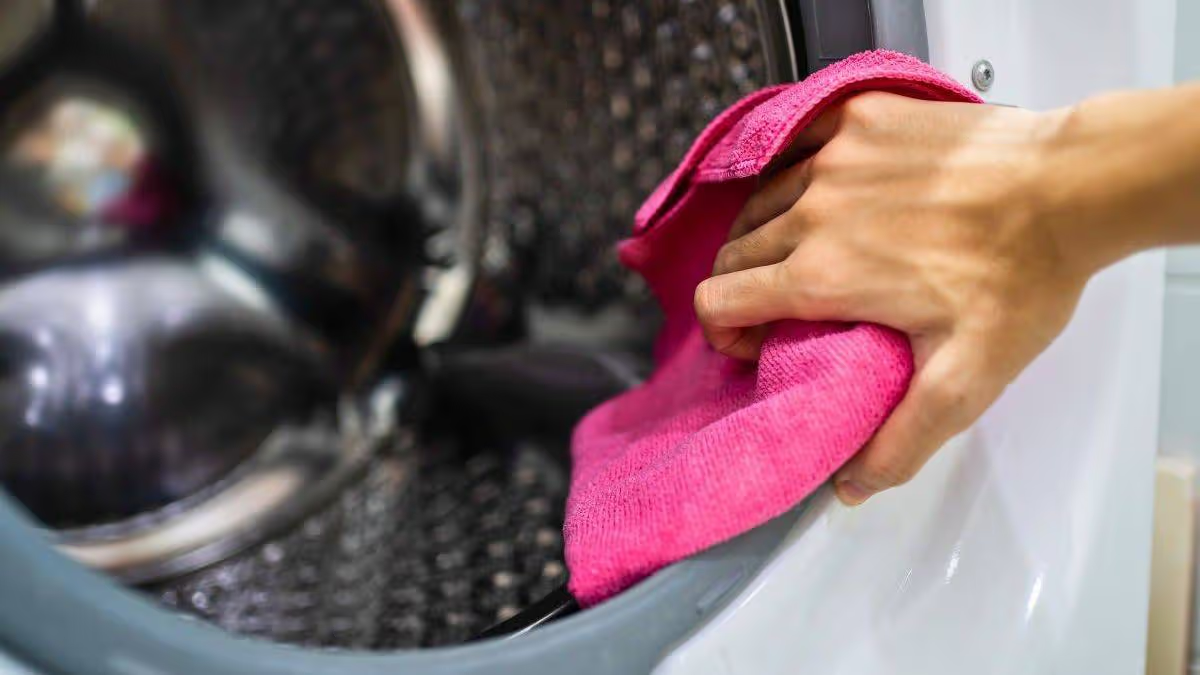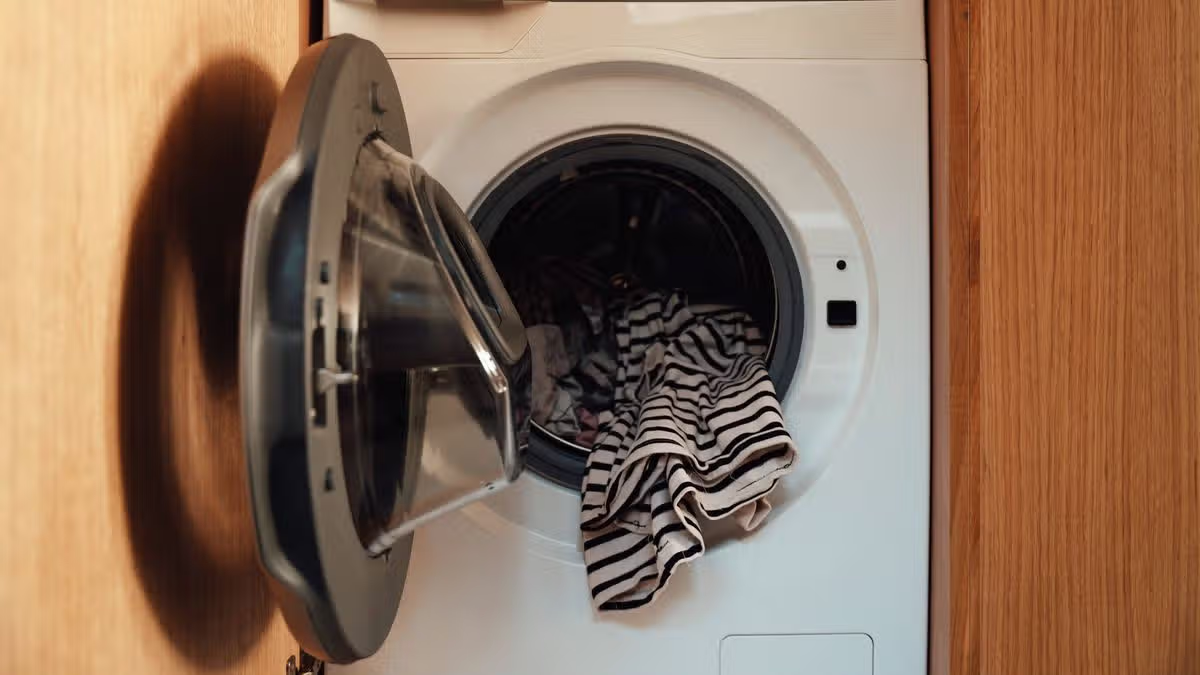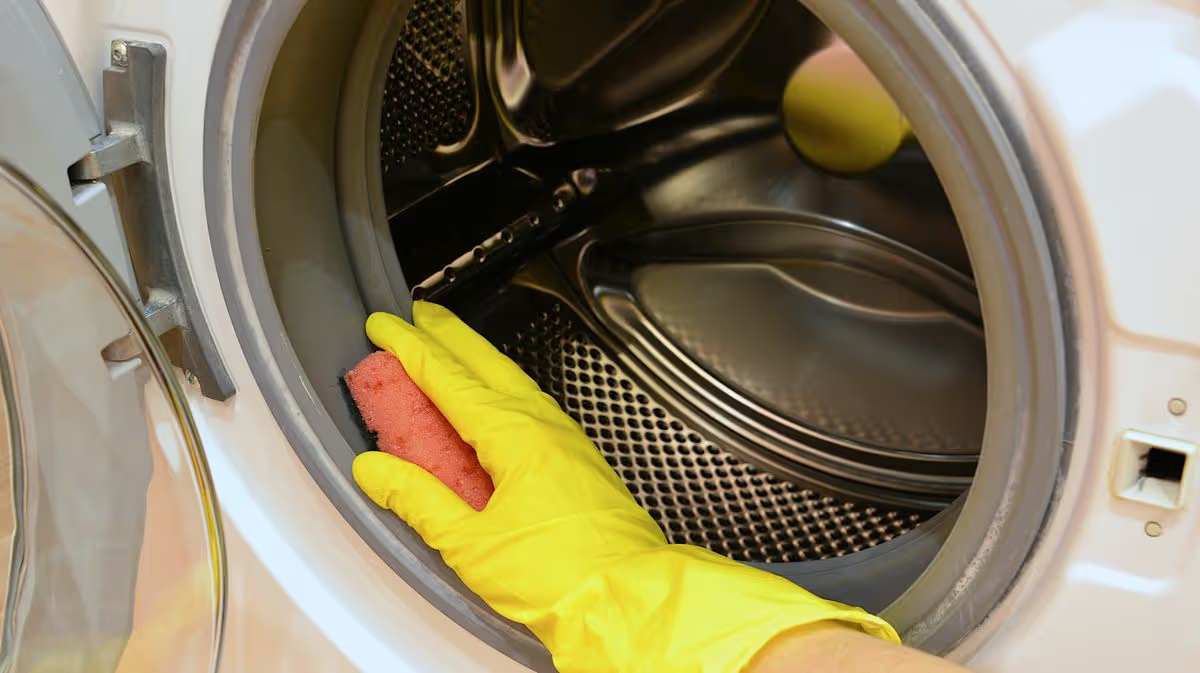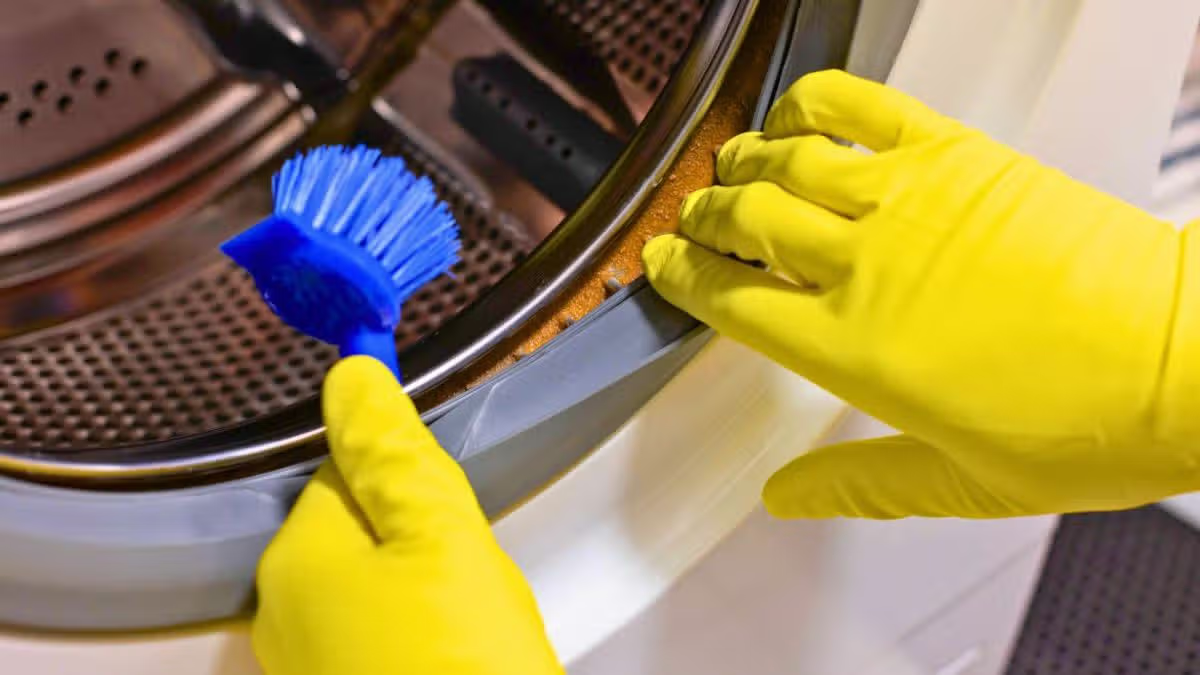
Washing machines can become a breeding ground for bacteria and mould in summer, but keeping the insides clean is actually very simple as it just takes a few seconds of effort.11:28, 06 Jul 2026Updated 11:28, 06 Jul 2026As temperatures across the UK continue to climb, it's worth taking a closer look at your washing machine, which is particularly susceptible to developing mould during the summer months. Fungal spores thrive in humid conditions, and following a wash cycle, the drum and detergent drawers can remain damp for an extended period, significantly accelerating mould growth.A build-up of mould creates a slimy residue inside the machine, which can cause blockages and breakdowns, while also leaving your clothes smelling unpleasantly musty rather than properly clean. Many people neglect their washing machine maintenance, assuming it must be a complex task — but keeping it in good condition is actually far simpler than you'd think.Marilee Nelson from cleaning brand Branch Basics has revealed that the single best way to prevent mould is simply to leave the washing machine door ajar after each wash.She said: "Mould and mildew cannot grow in your front loader (or anywhere for that matter) without a food and water source. So, your first step is to remove the moisture from your washer by leaving the door open between washes."How to prevent mould in a washing machineIt may sound almost too straightforward, but washing machines can remain damp for several days after a cycle, and leaving the door open allows that excess moisture to fully evaporate.Allowing dampness to linger on surfaces over time will inevitably lead to mould, and any leftover laundry detergent residue that stays wet can also become a hotbed for harmful bacteria.Simply remove all your clothes from the washing machine the moment a cycle finishes, then leave both the door and detergent drawer open.This allows air to circulate freely around the drum, helping moisture to evaporate and keeping all surfaces dry — which is the most effective way to keep mould at bay.How to deep clean a washing machine if it becomes mouldy.If you spot any slimy residue or notice musty odours coming from your washing machine, don't panic — tackling mould can be surprisingly straightforward.All you'll need is some distilled white vinegar, a natural cleaning agent widely available in most supermarkets. It contains acetic acid, which is well known for breaking down bacteria and mould spores.Spray a generous amount of white vinegar onto the detergent drawer and inside the rubber seal around the washing machine door.These areas are particularly prone to mould as they are enclosed spaces where soap and moisture can easily become trapped.Leave the white vinegar to work on these surfaces for five minutes, then wipe them down with a damp cloth.Article continues belowIt can also help to pour white vinegar directly into the detergent drawer, set your machine to a hot wash, and run it on an empty cycle to flush out any remaining spores.Keep a watchful eye on your washing machine during the summer months, as the warmer conditions make mould far more likely — but if you leave the door open and use white vinegar regularly, it should remain spotlessly clean.
Washing machines will be cleaner without mould if you do 10-second job
Washing machines can become a breeding ground for bacteria and mould in summer, but keeping the insides clean is actually very simple as it just takes a few seconds of effort.
527 words~2 min read