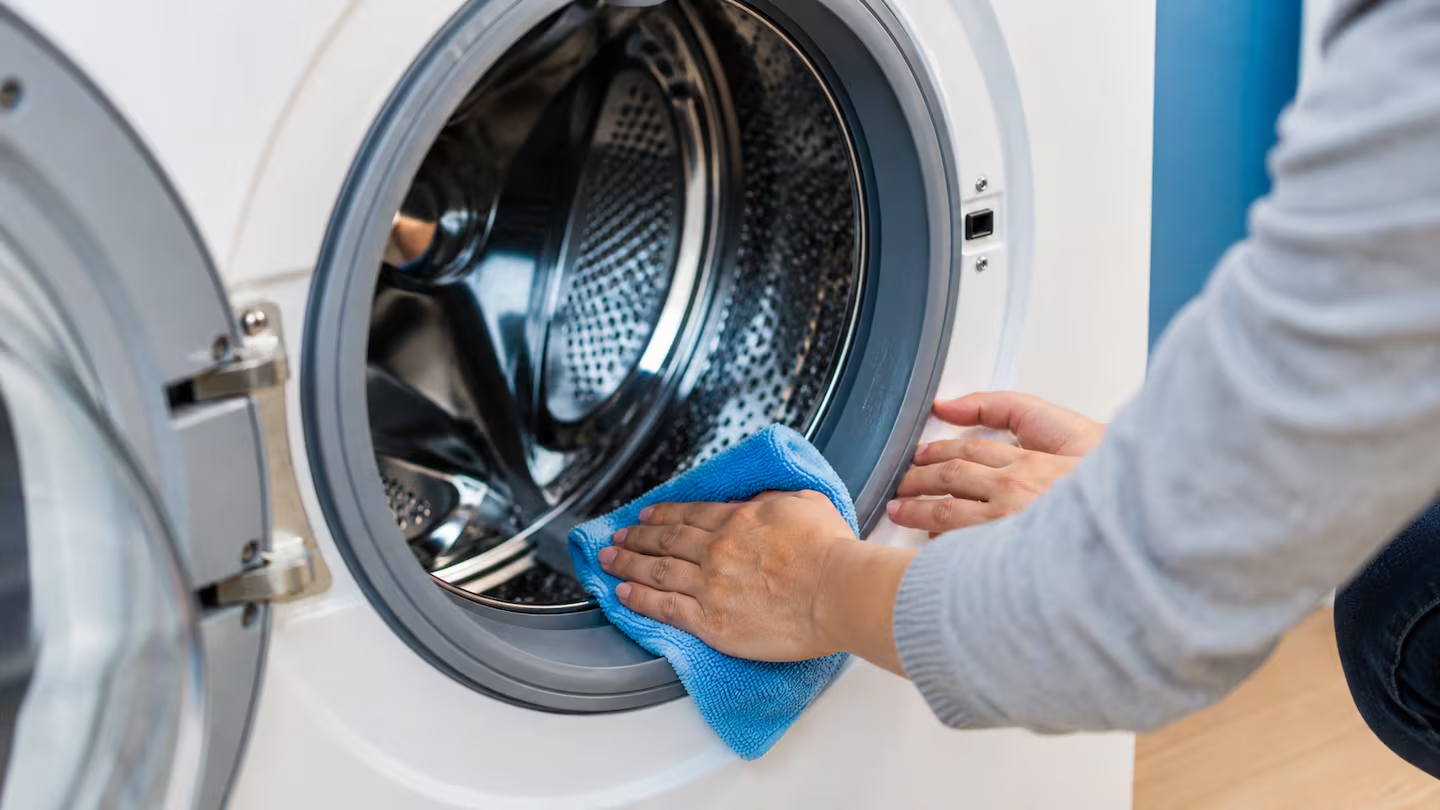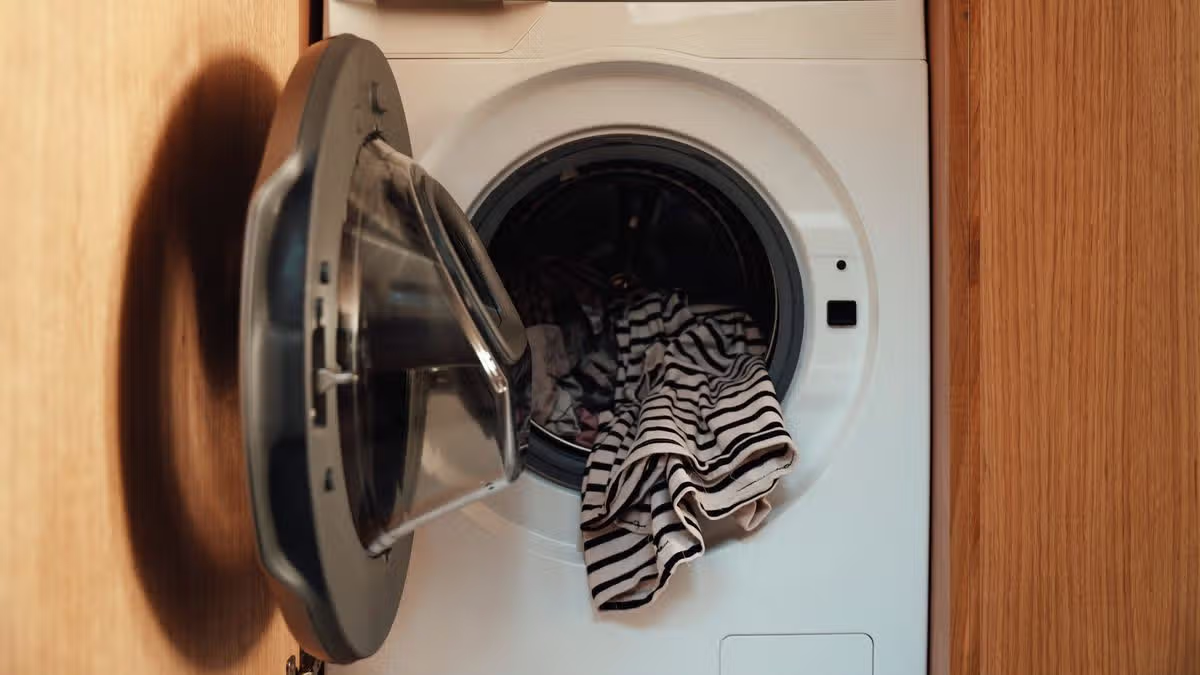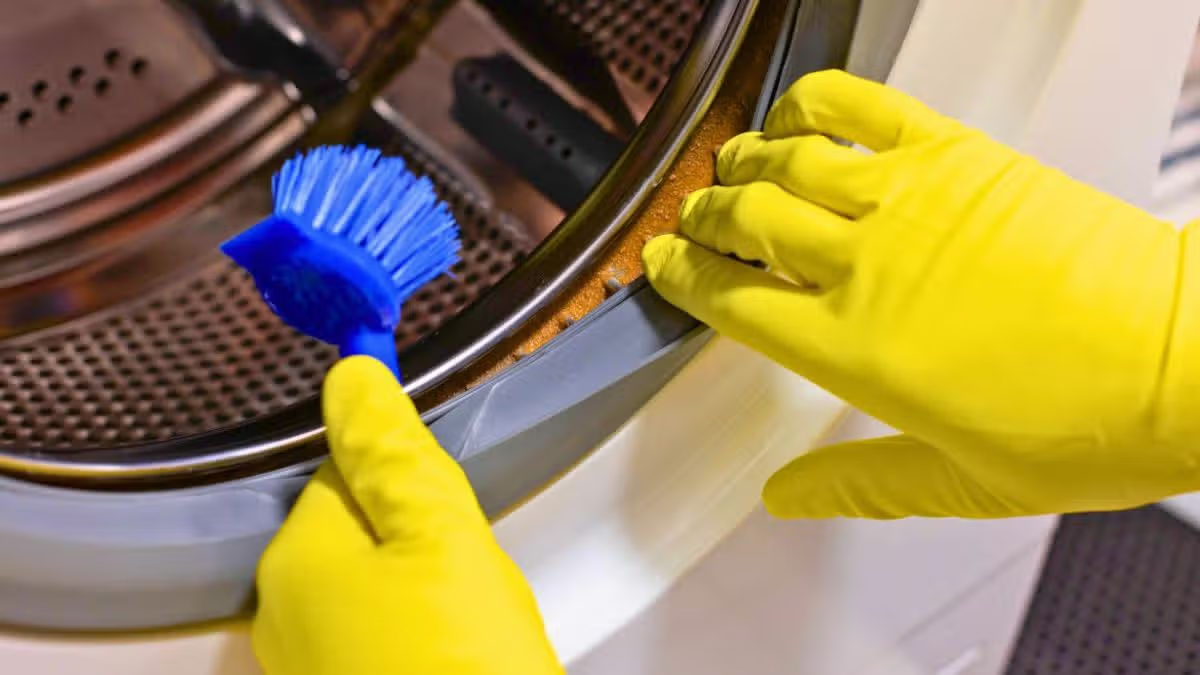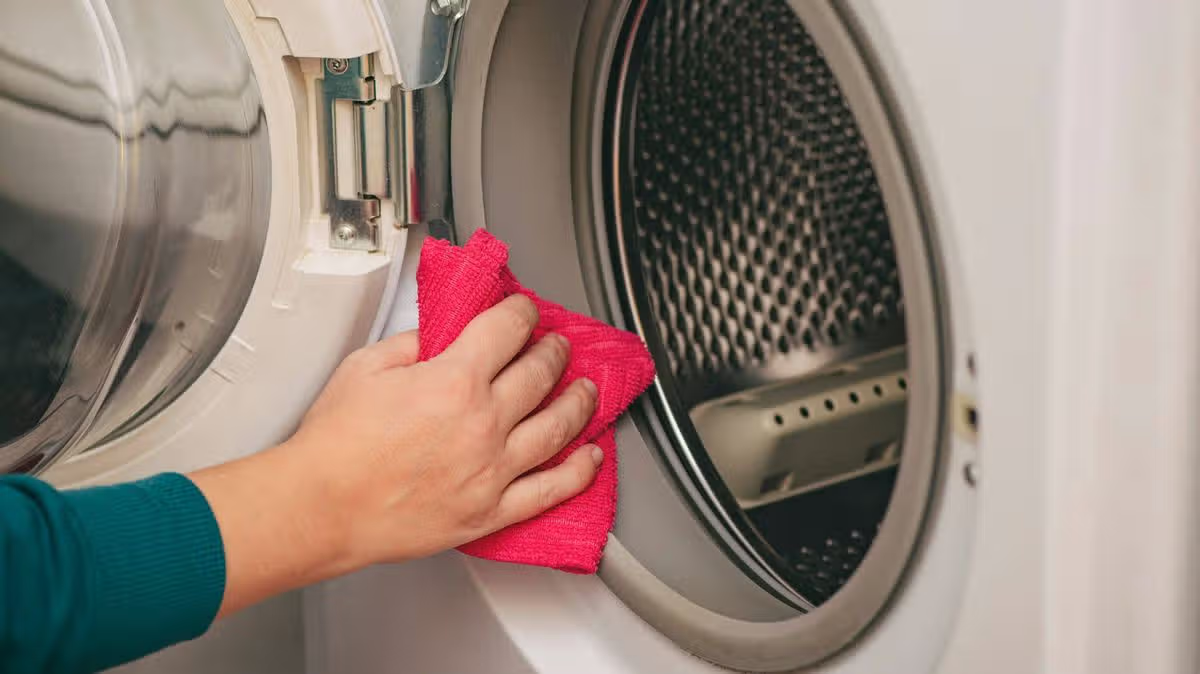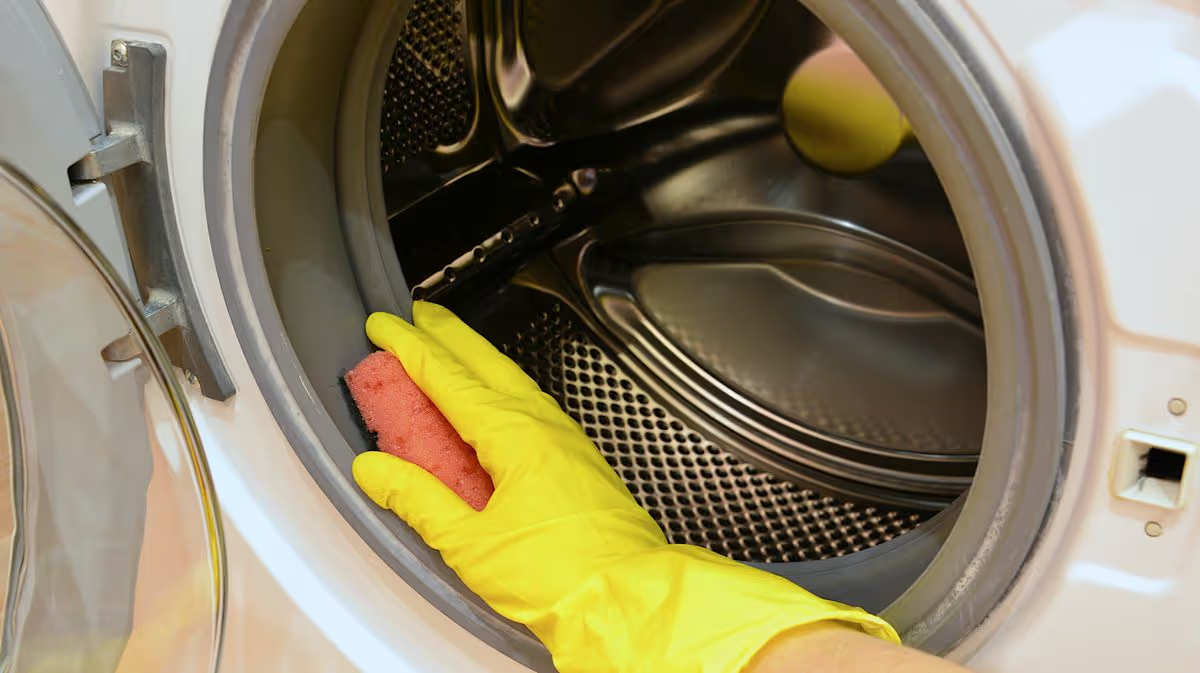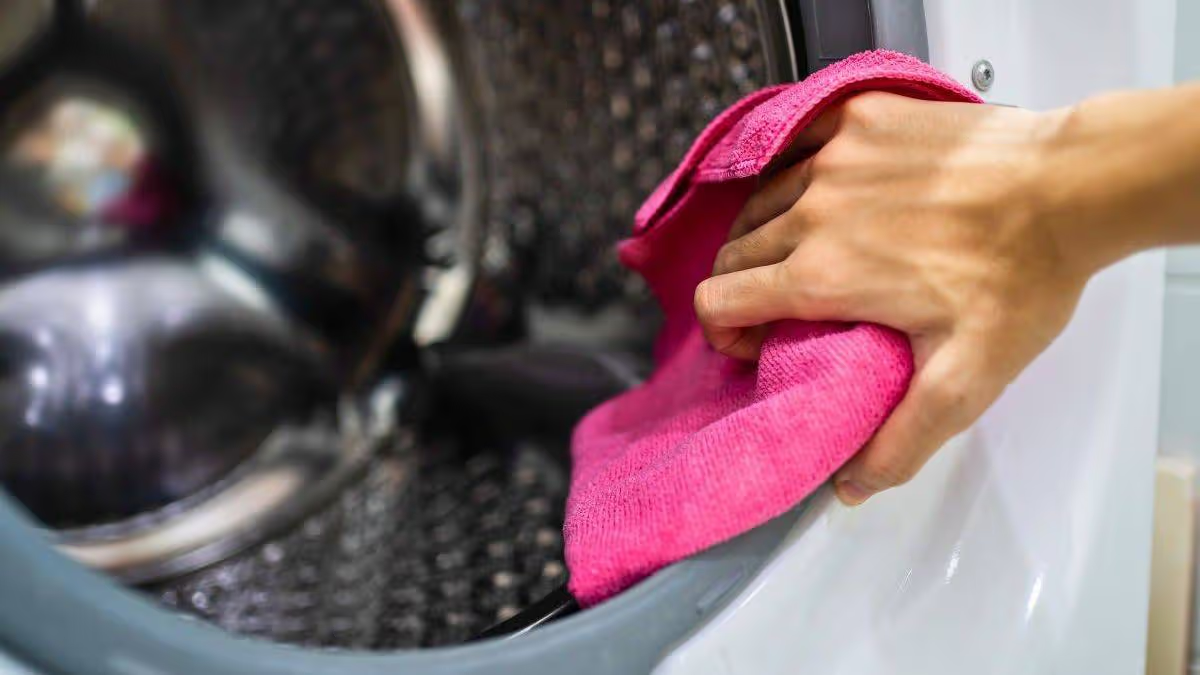
A mouldy washing machine can be a real nuisance, but experts say there's one simple trick you can do after every wash to help prevent mould build-up – and it only takes a few seconds09:13, 21 May 2026Laundry can often feel like a never-ending chore that quickly piles up if you're not careful, meaning most of us run our washing machines at least several times a week. It's among the most essential appliances in our homes, and it's vital to check washing machines regularly, as residue can build up inside them and promote mould.Washing machines can stay damp for long periods, which mould loves, and if left unchecked, the spores can block the drainage and cause the machine to break down. Many people avoid cleaning their washing machine because they think it must be complicated, but the experts at Santa Cruz Appliance Repair say preventing mould is actually among the easiest tasks you can do.They explained: "One of the simplest ways to prevent mould and mildew growth is to leave the washer door slightly open after each cycle. This allows air to circulate inside the drum, helping to dry out any moisture left behind."How to stop washing machines from becoming mouldyIt may sound simple, but taking a moment to open the washing machine door after doing laundry is genuinely the most effective way to keep it clean.Once you've finished a wash, certain areas like the drum and rubber seal around the door stay wet, which is perfect for mould as it can only thrive in a damp and dark environment.Getting into the habit of leaving the door and detergent drawer open will allow moisture to evaporate quickly, making it far less likely that you'll end up with a mouldy washing machine.What else can you do to keep your washing machine spotless?It's well worth taking a few moments to run a cloth around the washing machine door and wipe it down roughly once a week.The rubber gasket seal on the door is the prime breeding ground for mould, as dirt, moisture, and spores can easily become trapped in its folds, allowing mould to spread at an alarming rate.Many people swear by white vinegar for tackling mould, as it is a natural, highly acidic substance that kills spores without harsher cleaning products.Simply pour a small amount of white vinegar onto a cloth, wipe down the rubber seals, then use a separate clean cloth to thoroughly dry the area.Running a hot water cycle with an empty drum once a month will also make a considerable difference, as high temperatures can kill off any lingering mould spores lurking inside the machine.Just add a few tablespoons of white vinegar to the detergent drawer, run a 90C or 60C cycle, and once it's finished, your washing machine should be left perfectly clean.Article continues belowTaken together, these cleaning habits should take no more than 10 minutes of effort a month, meaning musty-smelling clothes and a mould-clogged washing machine will be a thing of the past.
Washing machines will never go mouldy if quick task is done after each wash
A mouldy washing machine can be a real nuisance, but experts say there's one simple trick you can do after every wash to help prevent mould build-up – and it only takes a few seconds
498 words~2 min read