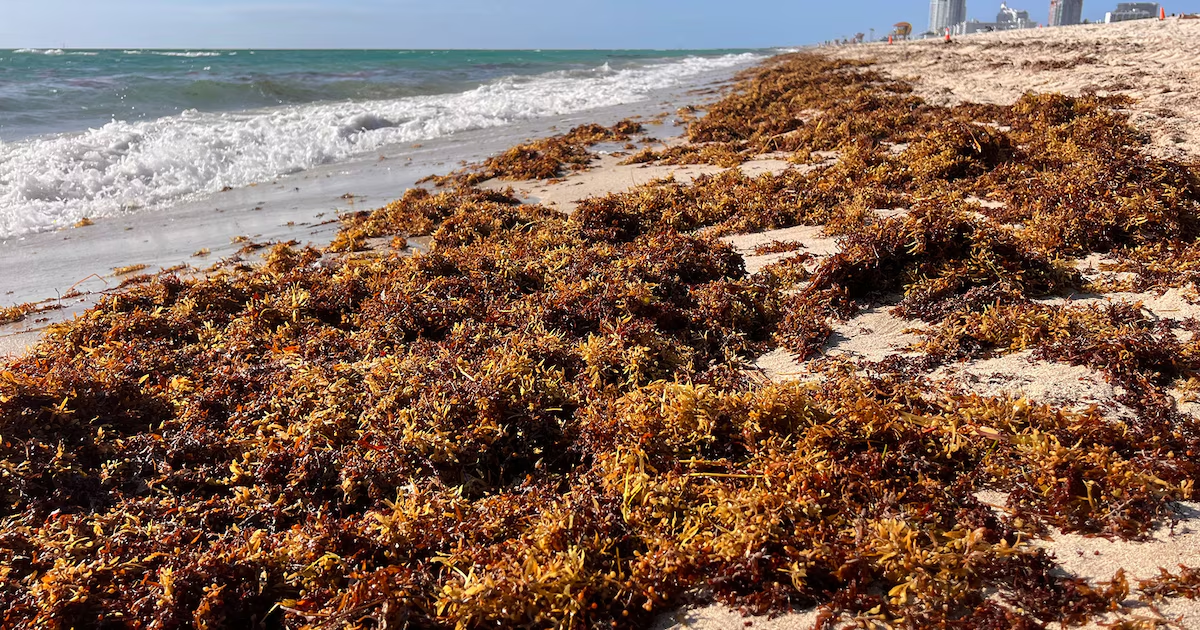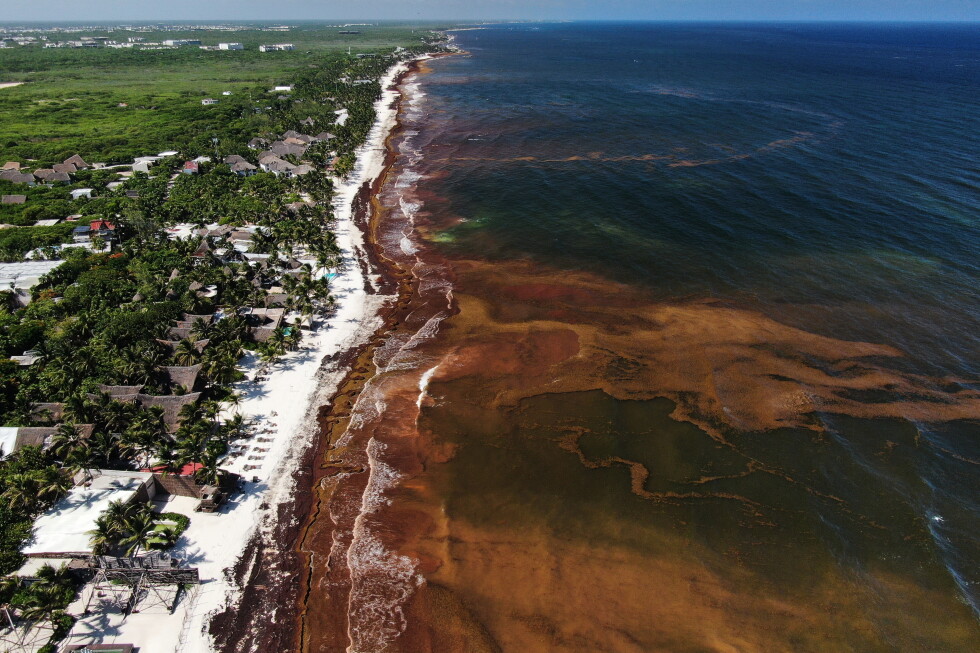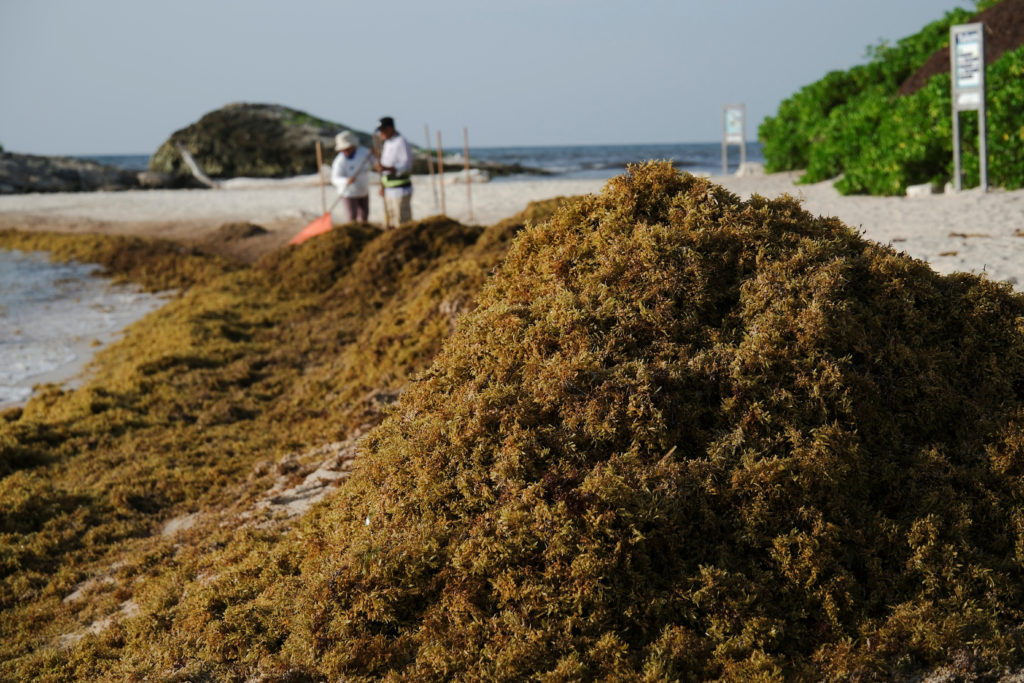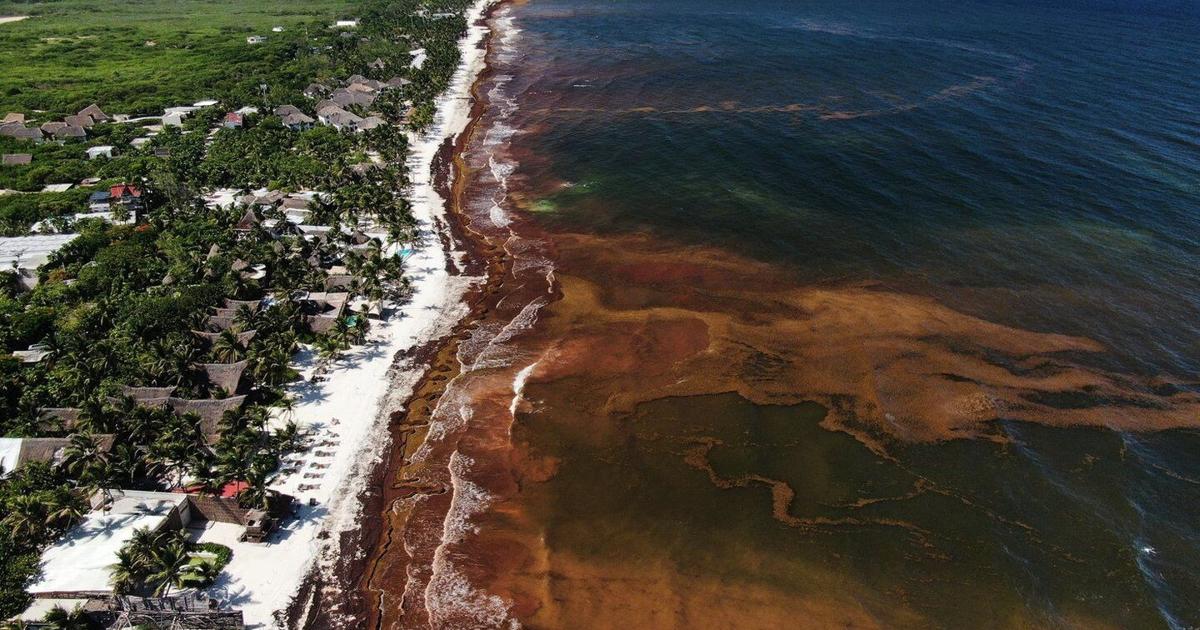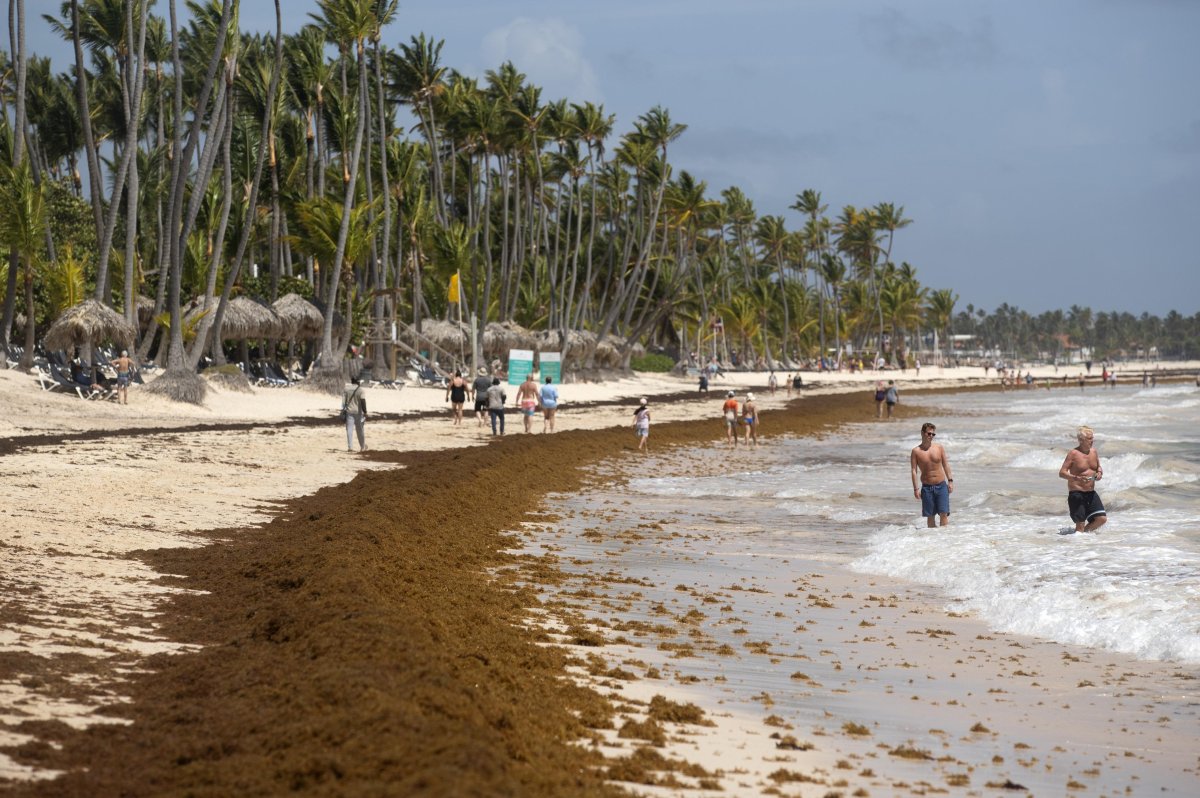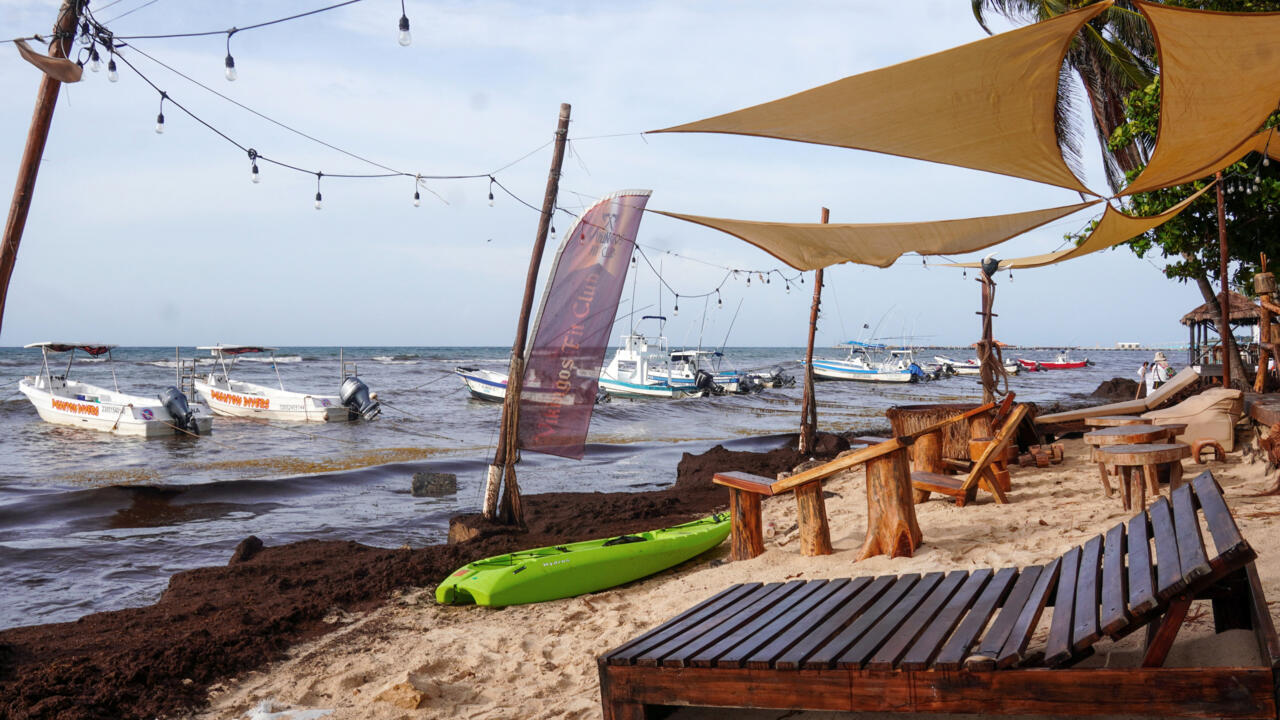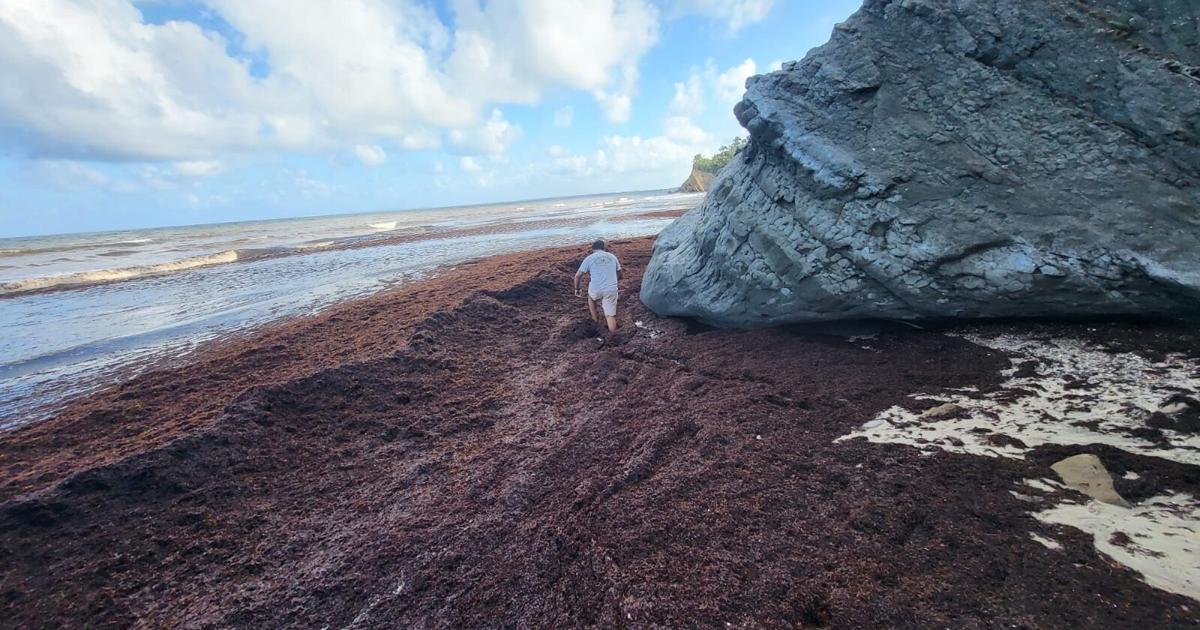
OVER the last two months, thick mats of brown sargassum seaweed smothered parts of Trinidad's coastline, piling kneedeep along some beaches and feet high at others, as the Caribbean recorded historic levels of the phenomenon.Across the southern coastline, along the Columbus Channel, beaches were overcome while parts of the east coast saw heaps of sargassum washing ashore.Rio Claro/Mayaro Regional Corporation Chairman Raymond Cozier said yesterday that there was no sargassum influx in the region at this time. But in July, one Guayaguayare fisherman told the Express that as many as three- to four-foot-high heaps had gathered along the coast.'It was really, really bad; you could not go on the beach or anything. It was really bad in July, more than the years past. It was on the beach multiple feet in height,' he said.
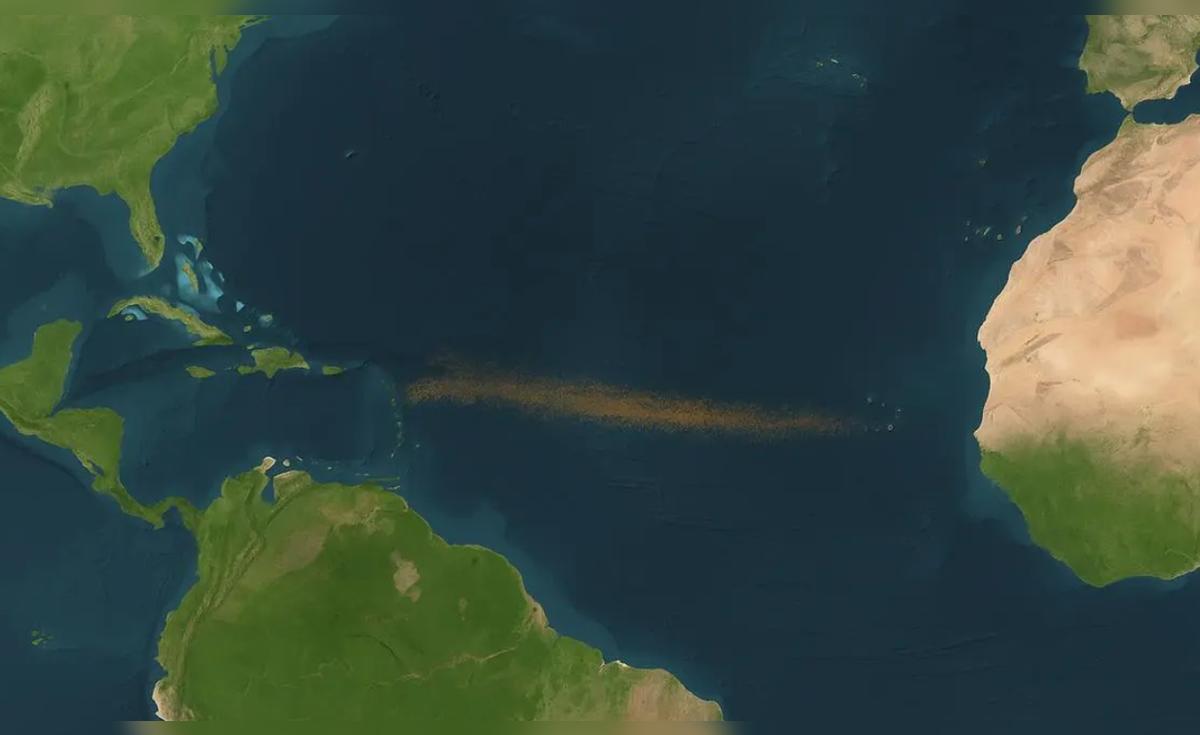
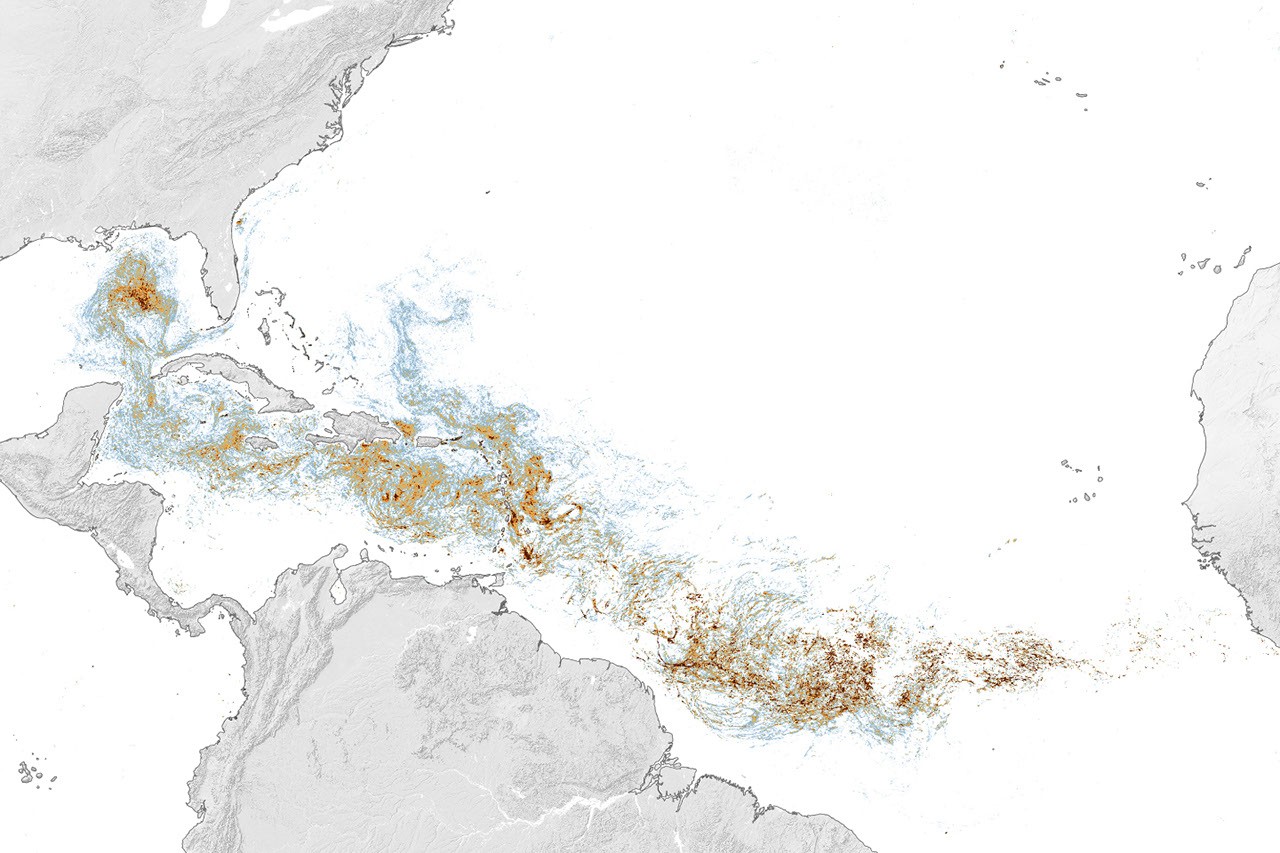
The Express also noted heaps along the Cedros and Icacos shorelines and Quinam Beach in Siparia. Councillor for the area Shankar Teelucksingh says the occurrence is typical, occurring annually. The Corporation, he said, often assisted fishermen in removing piles, when such a request was made.The issue is not only a local one. According to the NASA Earth Observatory, the Great Atlantic Sargassum Belt, a mass of the brown seaweed that stretches along the tropical Atlantic from West Africa to the Caribbean, hit near-record levels in June 2026, the Gulf of Mexico and the Caribbean Sea seeing all-time highs.A UK Guardian report two weeks ago stated that beaches like Loiza in Puerto Rico, Quintana Roo in Mexico, and Forte Pierce in Florida have been choked out by the bloom.A perspective for the Caribbean Sea and Gulf of America published by the University of South Florida Optical Oceanography Lab on June 30 used satellite imagery to determine that at least 12.6 million metric tonnes were at that time floating in the East and West Caribbean.