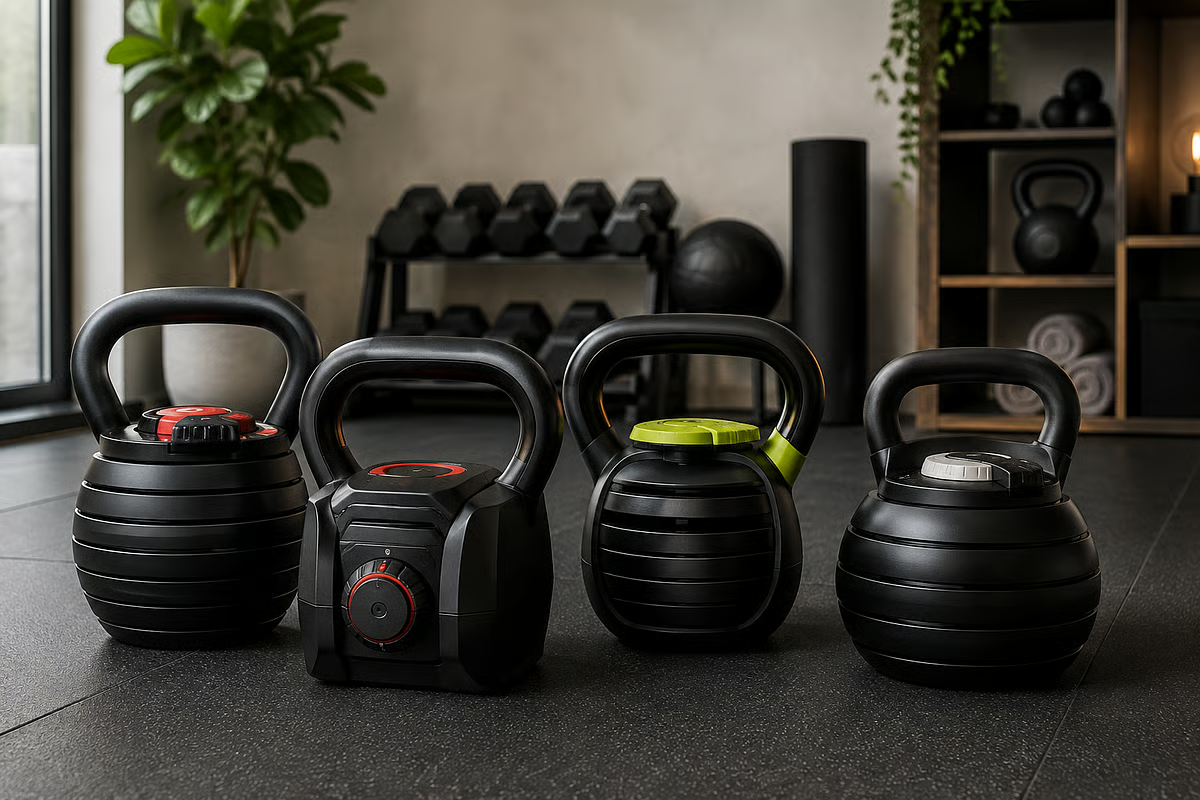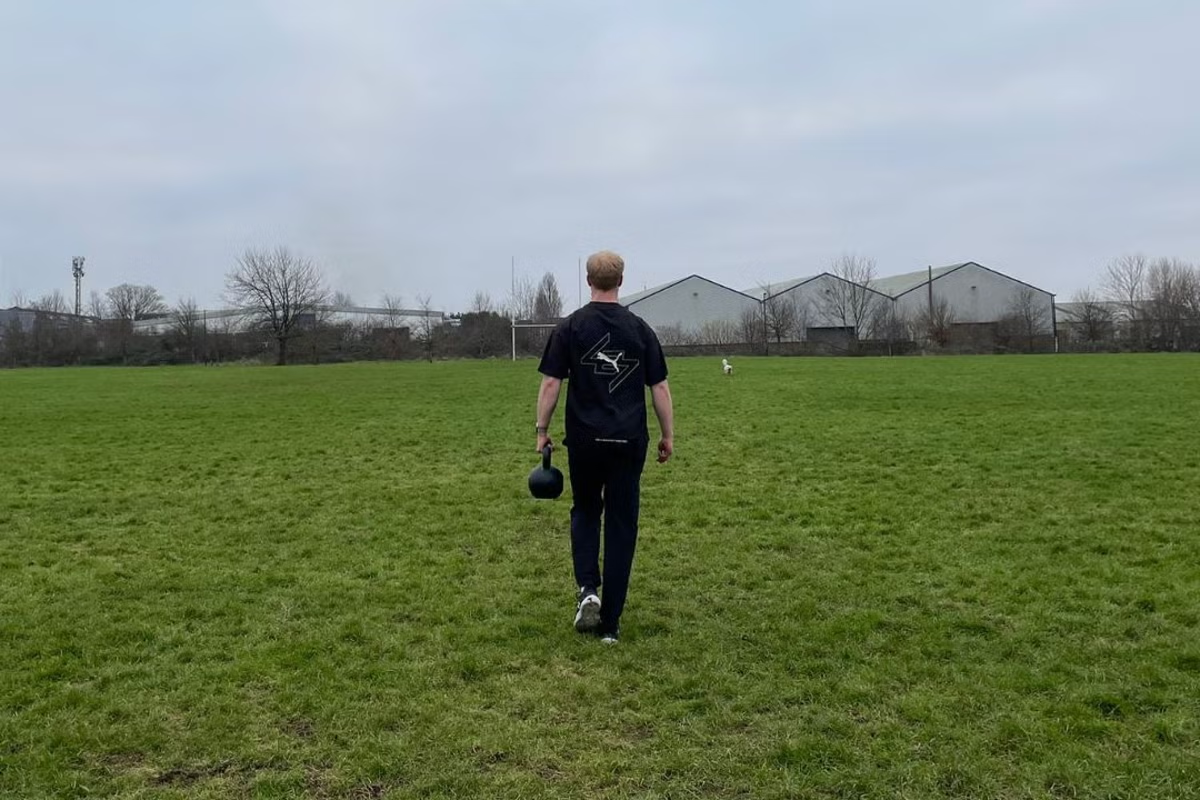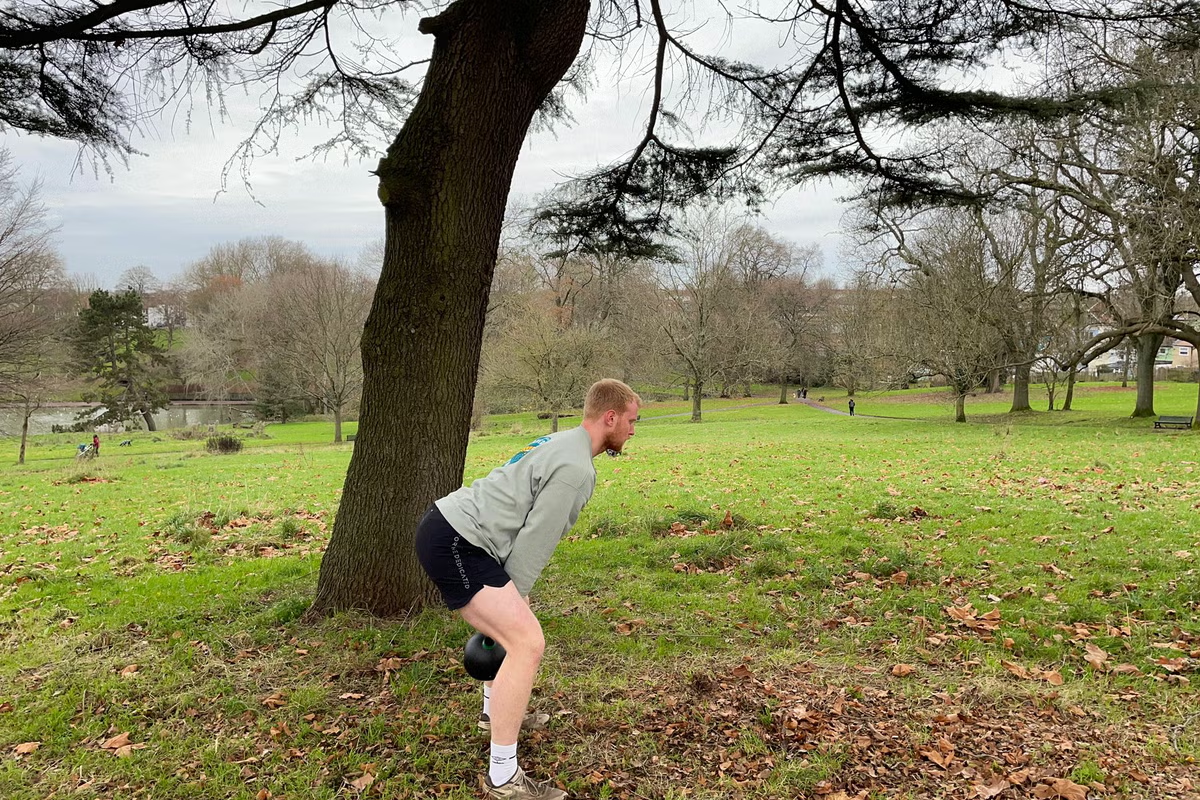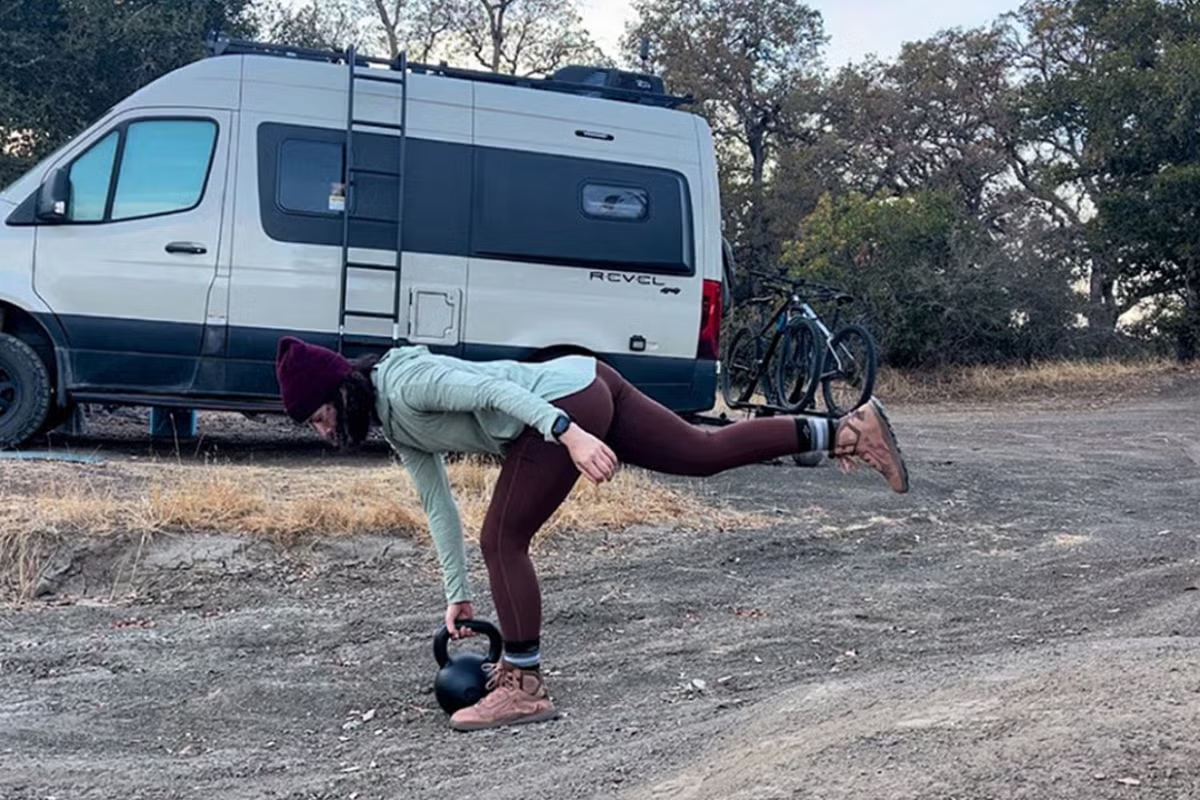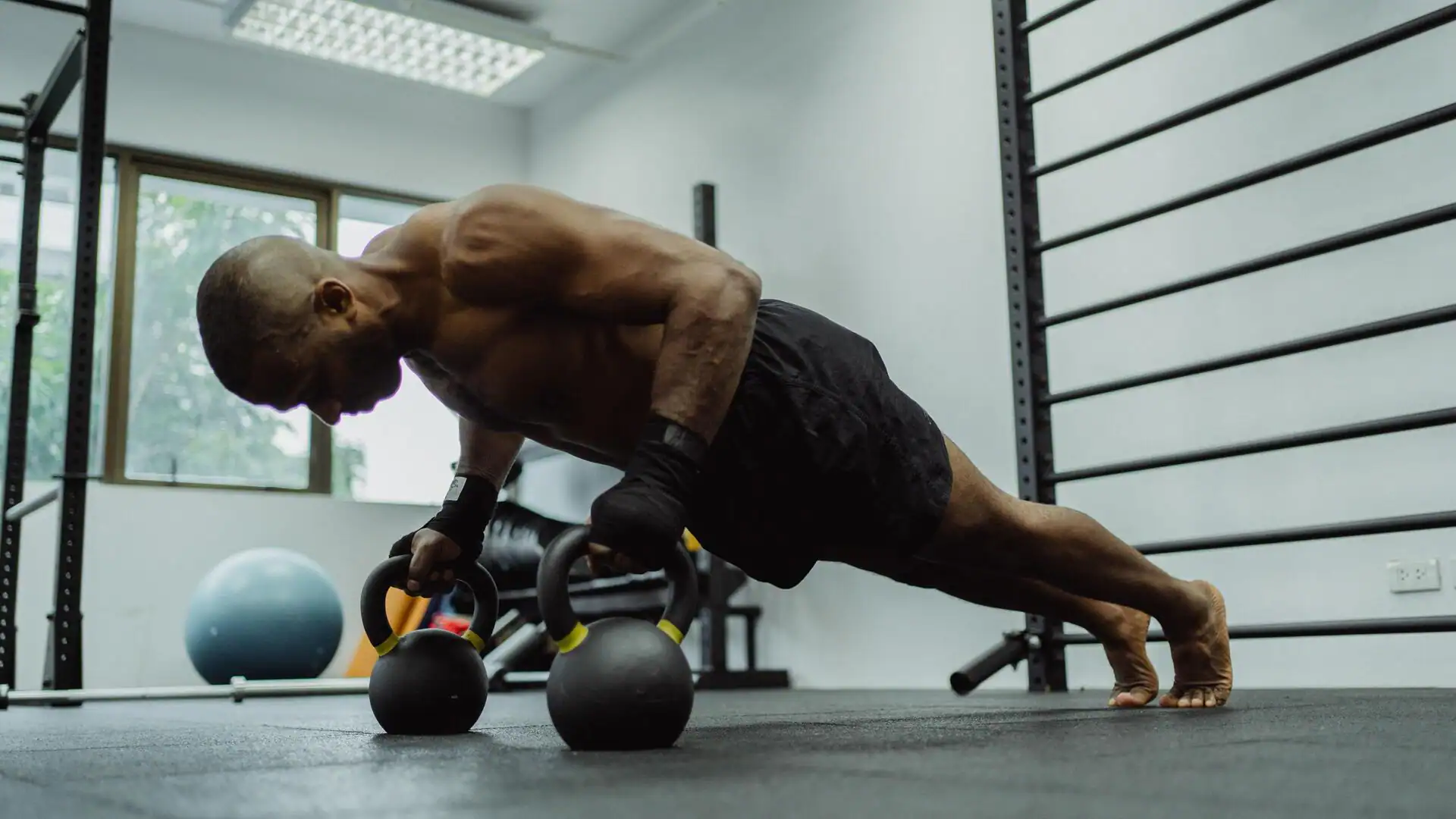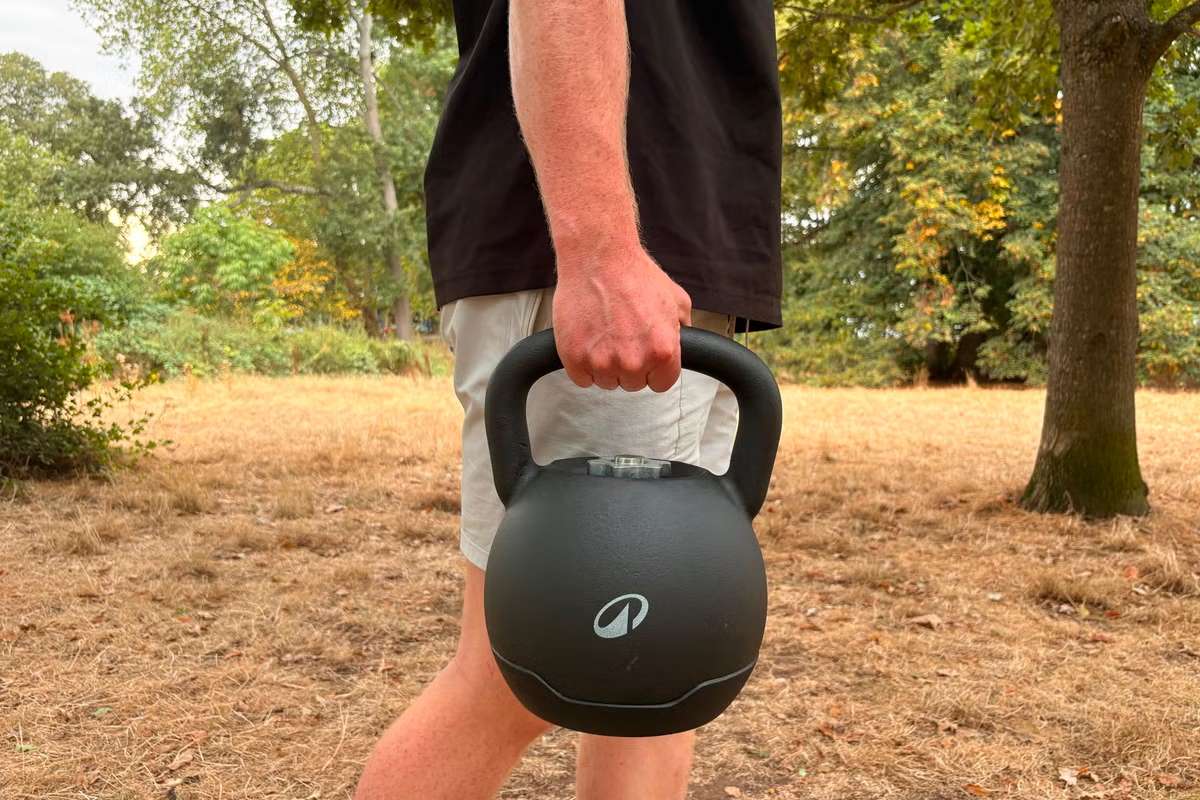
If I were only allowed one piece of fitness equipment for the rest of my life, it would be the kettlebell. No singular training tool puts more options on the table for improving all facets of fitness, no matter your ability level, and it’s fairly affordable too.There are two key things standing between you and a fit, functional body forged by kettlebells. The first is which kettlebell to buy – I’ve solved that by suggesting my favourite at the bottom of the page. The second is knowing what to do with it. In this article, I’m going to help you bridge that gap. I’ve interviewed top coaches, kettlebell specialists and even trainers who have exclusively used this tool to stay in shape – with great success. This piece is a distillation of their expertise, aiming to arm you with all you need for a comprehensive kettlebell training routine, including a twice-weekly workout to get you started. Read more: Best kettlebells for building strength, testedThe beginner kettlebell workout that covers most fitness basesPart one: get sweaty Kettlebell swing x15 Suitcase carry right x20m (or march on the spot x20 if you are indoors) Kettlebell swing x15 Suitcase carry left x20m (or march on the spot x20) Kettlebell swing x15 Suitcase carry right x20m (or march on the spot x20) Kettlebell swing x15 Suitcase carry left x20m (or march on the spot x20) Flow: Start by performing 15 kettlebell swings, then hold the kettlebell in your right hand and walk tall for roughly 20 metres (or 20 strides). Once you have done this, perform another 15 kettlebells without putting the weight down then turn around, hold the kettlebell in your left hand and walk tall back to the starting position. Continue this sequence until you have performed four lots of kettlebell swings. To adjust the difficulty, you can use a heavier or lighter kettlebell, and increase or decrease the target number of kettlebell swings each round. Part two: get strong Goblet squat 2x10-15 Single-arm row 2x8-12Kettlebell deadlift 2x15-20 Press-up 2x6-10 Flow: Perform the exercises above as a circuit for two rounds. The movements have been listed in a way that minimises overlap, focussing on your upper and lower body in turn. You can change the target number of repetitions for each exercise depending on the weight of the kettlebell you have available. As long as the last few repetitions of each set feel challenging, but not so challenging that you are unable to maintain good technique, the workout will be effective. Part three: get mobile Goblet squat hold with prying 2x30sec Single-leg balance 2x5-30sec each sideChild’s pose 2x30sec Quadruped thoracic rotation 2x30sec each side Flow: Perform these movements as a circuit for two rounds, spending 30 seconds on each one. For added difficulty, you can add movement such as hops and kettlebell around the worlds to the single-leg balances. Read more: Expert coach shares five kettlebell workouts to get you in ‘the shape of your life’With kettlebell training, the workout often starts early – simply carrying it to your chosen workout spot can be a challenge (Harry Bullmore/The Independent)What you need to know for this workout to be effectiveI recently spoke to Dr Brad Schoenfeld, a professor of exercise science at Lehman College in New York and one of the world’s leading strength training researchers. He told me there were three standards that must be met for strength training to be effective. Firstly: consistency. One workout will not transform your health and fitness. Instead, doing a full body workout like this one two or three times per week, for several consecutive months, will deliver the results you are after. You will start to notice changes in how you look, feel and function after roughly eighty weeks, Dr Schoenfeld advises. Secondly, sound technique should be a priority. Lifting weights is a skill, so practice fine-tuning your form with lighter weights before moving on to heavier loads. This brings us nicely to our final point. To build stronger joints, bones and muscles, the weights you are lifting must be feel challenging for you. “If you’re lifting a weight, and at the end of your set you could do 10 more repetitions with the weight you’re using, you’re not really going to see much in the way of benefits,” Dr Schoenfeld explains. “The last few repetitions [of each set] need to be difficult to complete.” Read more: Swap the gym for this trainer’s six-move kettlebell workout to build full-body strength at homeThe goblet squat can build strength, muscle, mobility and favourable squat mechanics (Harry Bullmore/The Independent)How to use this workout to improve your health and fitnessThis workout should take no more than 25 minutes and it is designed with beginners in mind. If you do not feel ready for kettlebell swings, you can perform glute bridges in part one instead. The session comes in three parts, and it’s down to you to decide how you use it. You can split up the three sections and use them as exercise snacks throughout the week, which can be helpful for building a consistent daily fitness habit. Or you can do the whole thing two or three times per week for maximum bang for your buck. The aim here is to cover many fitness bases as efficiently as possible. As experienced coach Dan John told me in our interview: “As you learn more kettlebell exercises, you can figure out that one day a week is a mobility day, one or two days a week are ‘get sweaty’ days, one or two days a week are ‘get strong’ days. The piece of equipment remains the same: the kettlebell.” This workout recruits all major muscle groups, includes fundamental movement patterns such as squatting, hinging, pressing and pulling, and even has a little bit of rotational work and balance training built in for bonus perks. Read more: Best dumbbells for building strength, tested
I’ve found the best adjustable kettlebell – plus the workout to try
If you have one kettlebell, you have everything you need to get into the shape of your life, according to experts. Here’s how to get started.
982 words~4 min read