AI and robots are advancing faster than you think, and we're not prepared for a world where the majority may be out of work
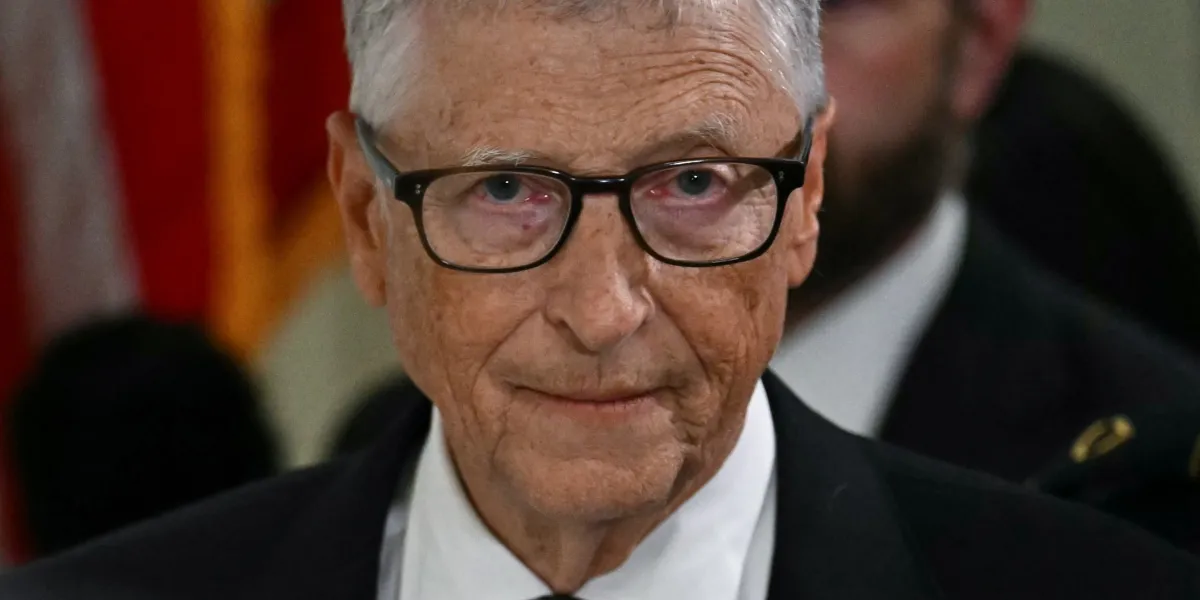
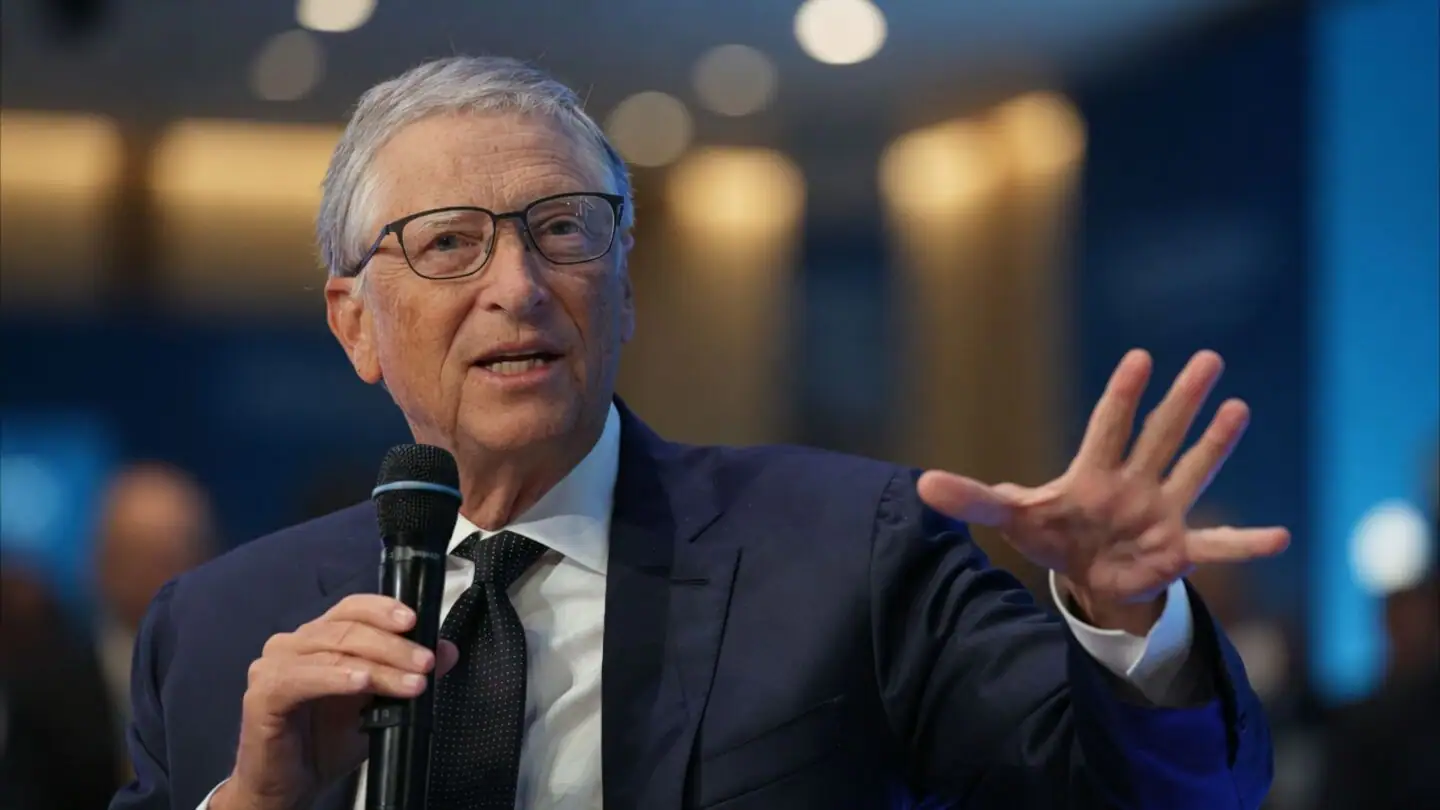
Bill Gates thinks that experts underestimate the potential havoc AI will wreak on society and says preparations to ease the transition are inadequate. The Microsoft founder and former CEO is usually a cheerful proponent of AI tech, talking up its potential to transform healthcare, education, and business productivity.Yet in a missive posted to his personal website, the billionaire philanthropist says the AI era is likely to be one of the most turbulent times in human history, and how we allow it to play out will determine whether the world becomes a fairer place or if the divide between rich and poor becomes greater than ever.
This kind of talk will sound dangerously close to socialism for many Americans. There are always winners and losers in a market-led economy, so why should things be any different with AI? Those wealthy enough to invest in it and control it will prosper, as others will find themselves on skid row.
But, Gates says, this time it will be different. Previous technology transitions happened over several generations and created new jobs where human cognition was required, whereas AI is starting to replace human cognition. The winners are likely to be a small group of people, and the losers will be everyone else.It will not affect just one or two sectors, according to the AI fab club: AI will replace human roles in fields as diverse as law, customer services, medicine, software, and manufacturing. And it will hit these industries rapidly, over the course of a decade or less, rather than taking a few generations.Gates wrote:In a capitalist society, employment is the way most people get the money they need to pay for the basics of life as well as being a key source of dignity and social connection.When a community has high unemployment, the ripple effects can be pervasive. Research suggests that in some parts of the United States, factory closures contribute to a rise in deaths from opioid overdoses. Now imagine similar pressures on both white-collar and blue-collar workers nationwide.