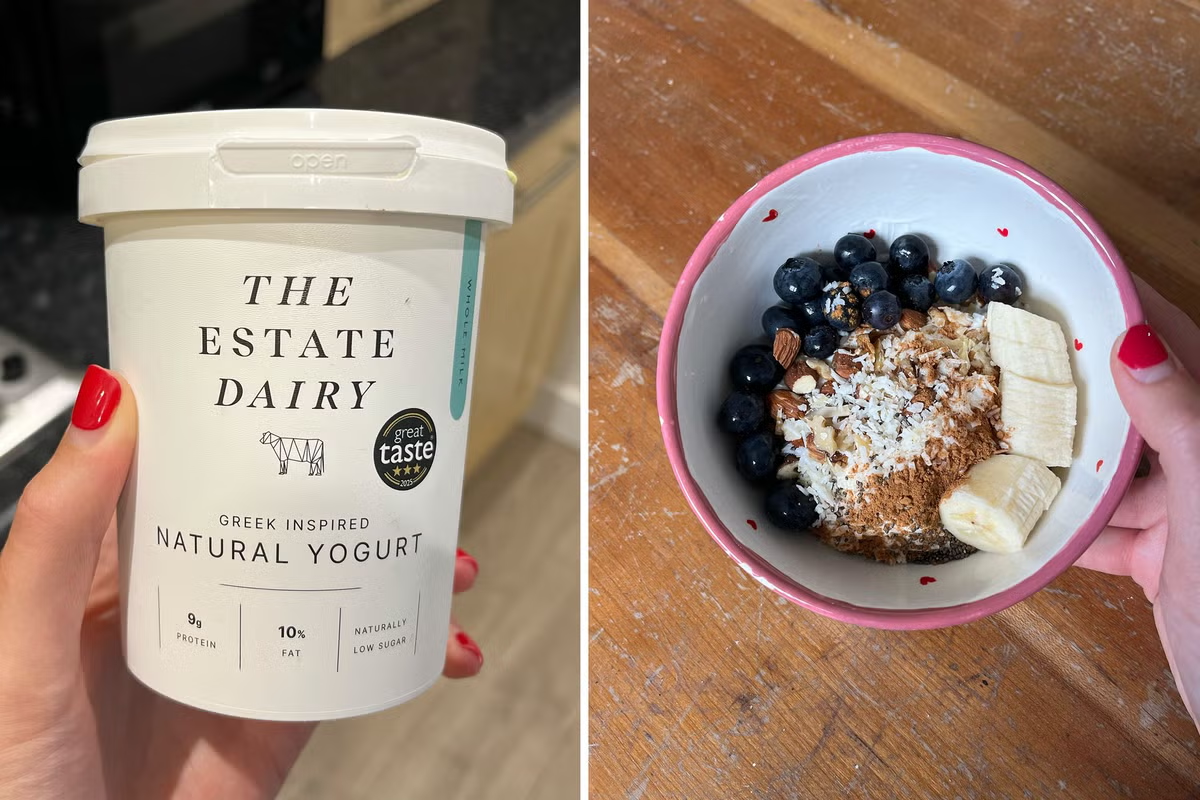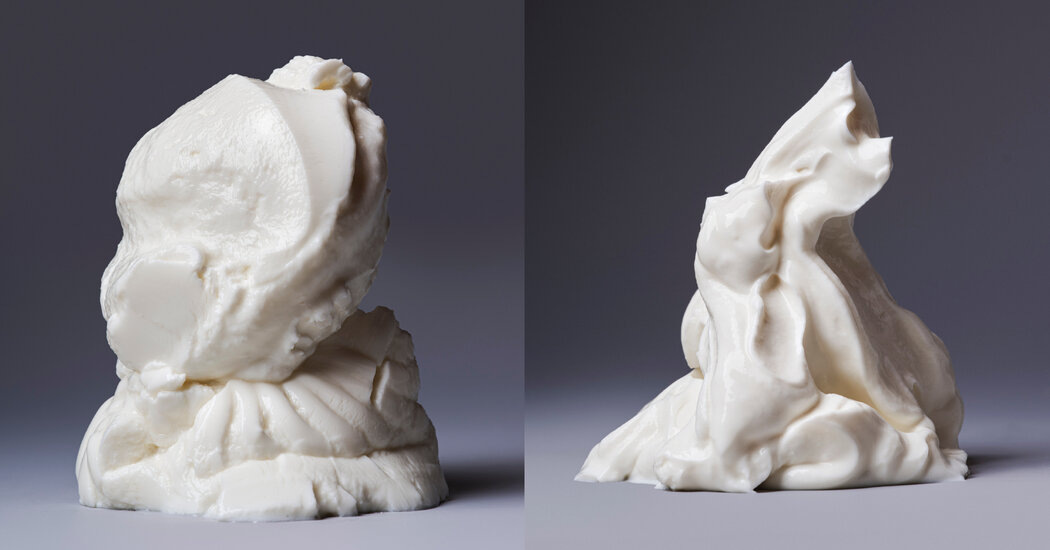
It's perhaps the most versatile product sitting in your fridge - used in everything from soups, to curries and puddings. Yoghurt is a staple in 90 per cent of UK households, bought 2.7 billion times a year across the country. But the low-calorie dessert has attracted somewhat of a bad rap over the last decade. Diet gurus regularly attack yoghurts - particularly those marketed at children - for being packed full of 'hidden' sugar. Even ministers are cracking down on some types, with the sugar tax extended to cover sweet yoghurt drinks from January 2028. But experts, like dietician Laura Perez, insist that yoghurts are a nutritious addition to a daily diet - providing you pick the right type.'Yoghurt is generally great for breakfast because it's high in protein, which will keep you full until lunchtime, and it also contains calcium and other important nutrients,' she says.With so many varieties to choose from, it can be tough to know which to pick - especially when we're told low-fat kinds are teeming with sugar. Here, diet expert Perez - Nutrition Lead at Simple Online Pharmacy - reveals the healthiest type to pick, and which to avoid. Greek yoghurt has long been praised for its high protein and probiotic content - but is it the healthiest choice?Greek yoghurt All nutritional analyses are per 100g (or six tablespoons)Tesco Finest Greek Yoghurt: 132 calories, 3.3g sugar, 6.1g protein, 7.2g sat fat, roughly 110mg calciumGreek yoghurt is generally heavily strained to remove more of the whey - the yellowish liquid that naturally separates and pools on top of the yoghurt.This often results in a higher protein content, which can boost muscle growth and strength, and satisfy hunger pangs. This version has almost twice the protein of some others but, for this, you're also getting more than a third of your recommended intake of saturated fat - the type that increases heart attack risk.Greek yoghurts can also fall flat on their calcium content, dietician Laura Perez says.That's because the whey is the part that contains the bulk of the bone-boosting nutrient. While this version is relatively low in sugar - boasting less than a teaspoon - Perez warns against 'Greek style' varieties, which are often sugary and high in fat, without the impressive protein count. Verdict: 2.5/5 Yeo Valley natural yoghurt Yeo Valley Bio Live Organic Natural Yoghurt: 72 calories, 4.9g sugar, 4.2g protein, 2.5g saturated fat, 166mg calciumYeo Valley’s full-fat natural yoghurt sits somewhere in the middle of the pack, with 72 calories and three times less saturated fat than Greek yoghurt. It has slightly less protein than the Greek-style Tesco option - but about the same as half an egg - and considerably more calcium, providing 166mg per portion and nearly a third of the recommended daily intake. Calcium content tends to be lower in Greek yoghurt varieties, experts sayThere's marginally more sugar than Greek yoghurt, but only just, and it's still only roughly a teaspoon, which is worth it for the protein and calcium boost, Perez says. But don't be swayed by labels advertising products as 'live'.'Live or bio’ generally indicates that live cultures are present,' says Perez. 'But this does not guarantee a beneficial probiotic effect.' Probiotics are live bacteria that feed the trillions of health-boosting bacteria in our gut. Diets high in foods with probiotic qualities have been linked to a lower risk of a host of conditions, including dementia, cancer and depression. 'Yoghurt is not something that is inherently good for the gut,' Perez says. 'The effects of fermented foods and live cultures are not universal, and people respond differently.'Verdict: 3/5Low-fat natural yoghurt M&S Low Fat Natural Yoghurt: 66 calories, 6.5g sugar, 5.4g protein, 1.2g saturated fat, 183mg calciumThis is a classic example of manufacturers using extra sugar to account for the reduction in flavour that comes with removing most of the fat. There's almost twice as much sugar here compared to Greek yoghurt, and more than a quarter of your daily limit of free sugars (the type that's added to food). Kefir is a fermented milk, similar to a thin yoghurt, that is rising in popularity thanks to its gut health benefits. Just 250ml supplies around 40 per cent of your daily calcium needsYou're only saving a very small amount of saturated fat and calories, compared to the full-fat version of natural yoghurt, and gaining not even a full gram of extra protein.The one plus is that there's nearly 200mg of calcium here - a little less than you'll find in a 200ml glass of semi-skimmed milk - and the second highest of all the yoghurts tested. Verdict: 1/50% fat Greek yoghurtFAGE Total 0%: 54 calories, 3g sugar, 10.3g protein, 0g saturated fat, 120mg calciumIf protein is your priority, FAGE Total 0% is the standout winner.It packs 10.3g of protein into every 100g - more than twice as much as the natural yoghurt.It is also the least calorific of the six products, has the lowest sugar content and contains no saturated fat.Perez says: 'FAGE Total 0% is the strongest all-round option for someone prioritising protein and lower saturated fat, which would apply to most of us.'The high protein content is likely to make you feel full, but it can also be less creamy, which might make some people less likely to prefer it.'However, there's one flaw in a totally fat free yoghurt. 'Removing fat may reduce the amount of naturally occurring fat-soluble vitamins, such as vitamins A and D,' says Perez. Verdict: 4/5 Kefir yoghurt Biotiful Kefir Yoghurt Original: 75 calories, 7.4g sugar, 6g protein, 1.4g saturated fat, 190mg calcium Often hailed as a gut-health hero, kefir differs from conventional yoghurt because it is fermented using a more diverse collection of microorganisms, said to offer greater digestive benefits.'Kefir is interesting because it contains a mixture of bacteria and yeasts, whereas yoghurt is generally made using a smaller number of bacterial cultures,' explains Perez.'There is promising evidence for potential benefits, including improved lactose digestion for some people, but the research is still developing and products vary considerably.' While kefir is high in protein and calcium, there's almost two teaspoons of sugar per portion - three digestive biscuits worth - which cancels out any slight appetite-satisfying benefit.Perez adds: 'Claims that kefir will "reset" or "heal" the gut should be treated cautiously. While there may be some benefits to eating kefir, it also depends on what your individual gut bacteria require.'Verdict: 2/5 Flavoured yoghurt Onken Mango, Papaya and Passionfruit Biopot Yoghurt: 102 calories, 15g sugar, 3.7g protein, 1.7g saturated fat, 111mg calcium Onken’s tropical fruit yoghurt tastes more like a pudding - and that’s because it basically is, thanks to the considerable sugar hit.It contains five times the sugar as the FAGE 0% and a teaspoon more than in a small KitKat. It is among the most calorific options overall at 102 calories, while its 3.7g of protein and 111mg of calcium are the joint-lowest.'Onken mango, papaya and passionfruit yoghurt would be my least preferred choice for regular use,' says Perez.'It still provides protein, calcium and live cultures, but given its higher sugar and lower protein content, I’d personally favour other options for eating regularly.'It doesn’t make the yoghurt a ‘bad’ food - it’s simply one factor to consider alongside protein, calcium, taste, preference and the rest of your diet.'Plain yoghurt with fresh fruit gives you more control over sweetness. You can adapt it to your personal preference, while the fruit provides added fibre, vitamins and minerals.'Verdict: 1/5
What's the healthiest yoghurt? Full fat or 0%? And what about Greek?
It's perhaps the most versatile product sitting in your fridge. Yoghurt is a staple in 90 per cent of UK households, bought 2.7 billion times a year across the country.
1,246 words~6 min read