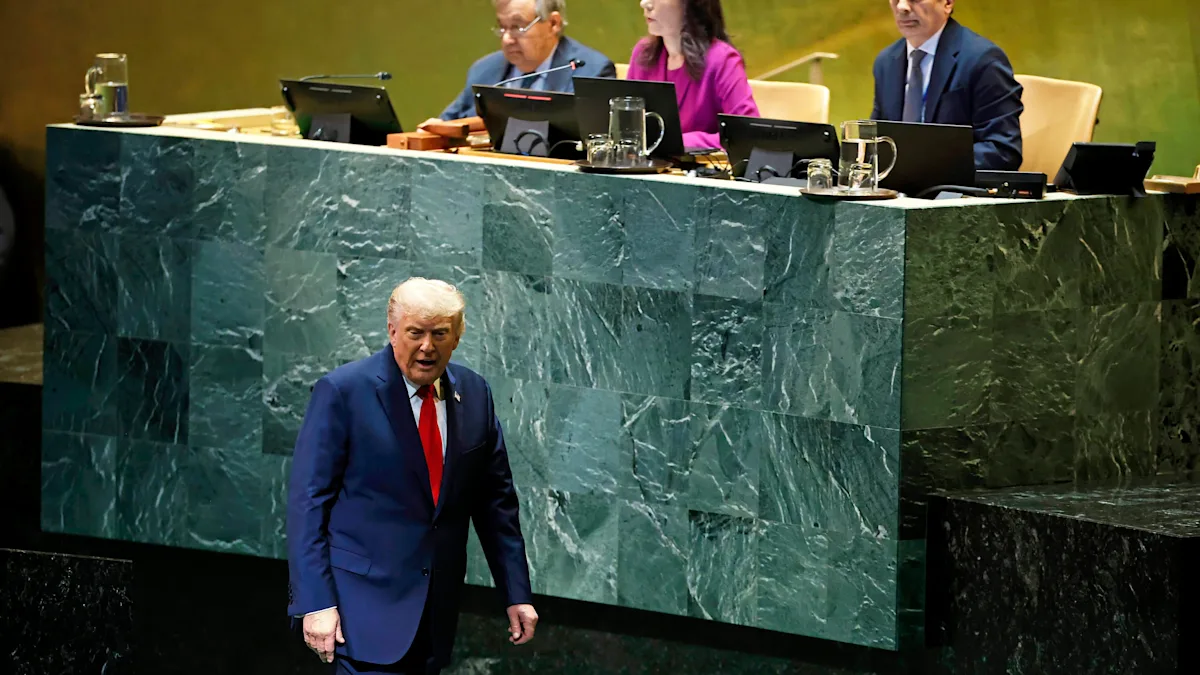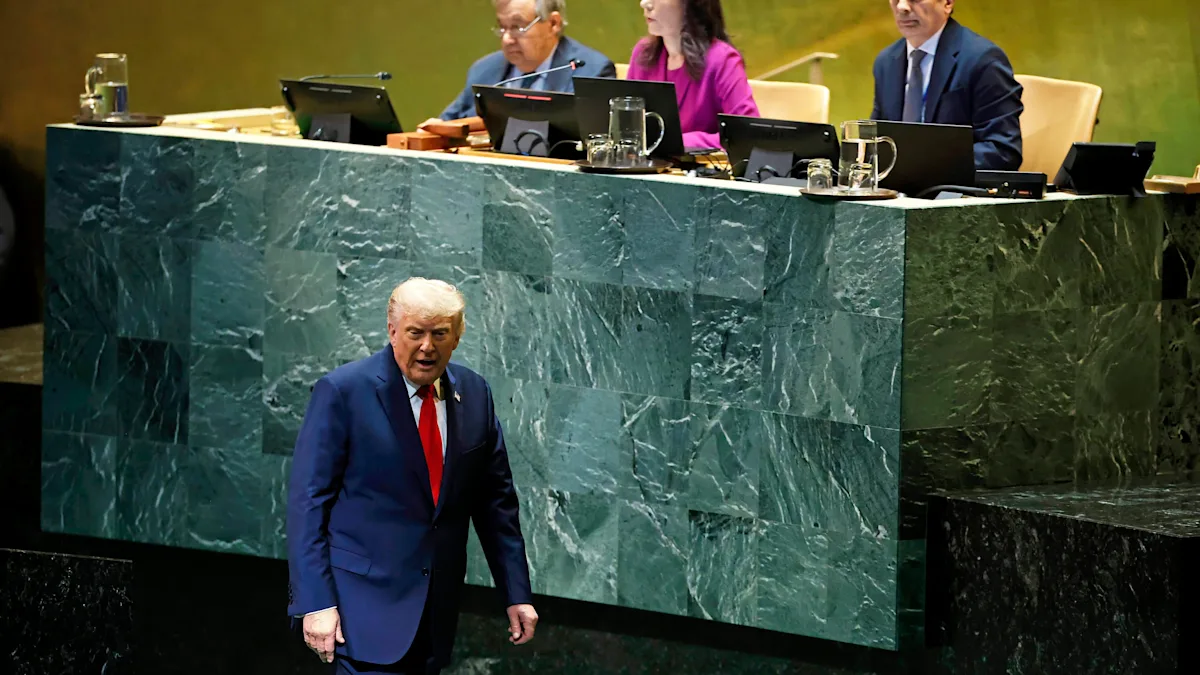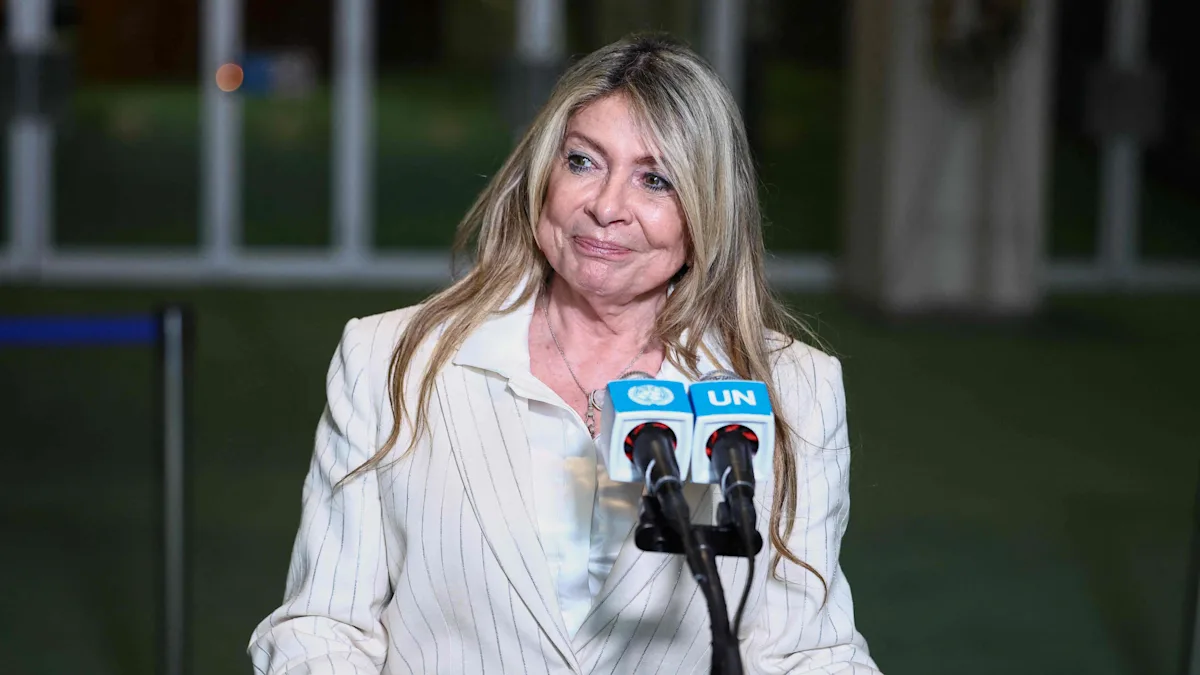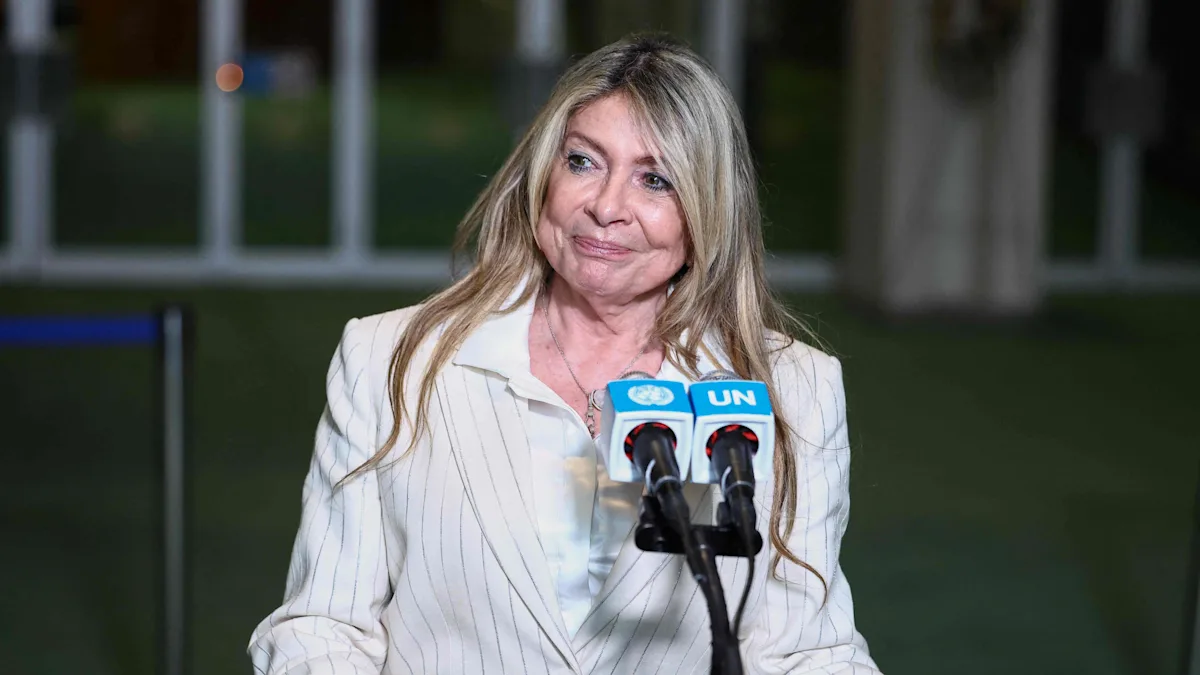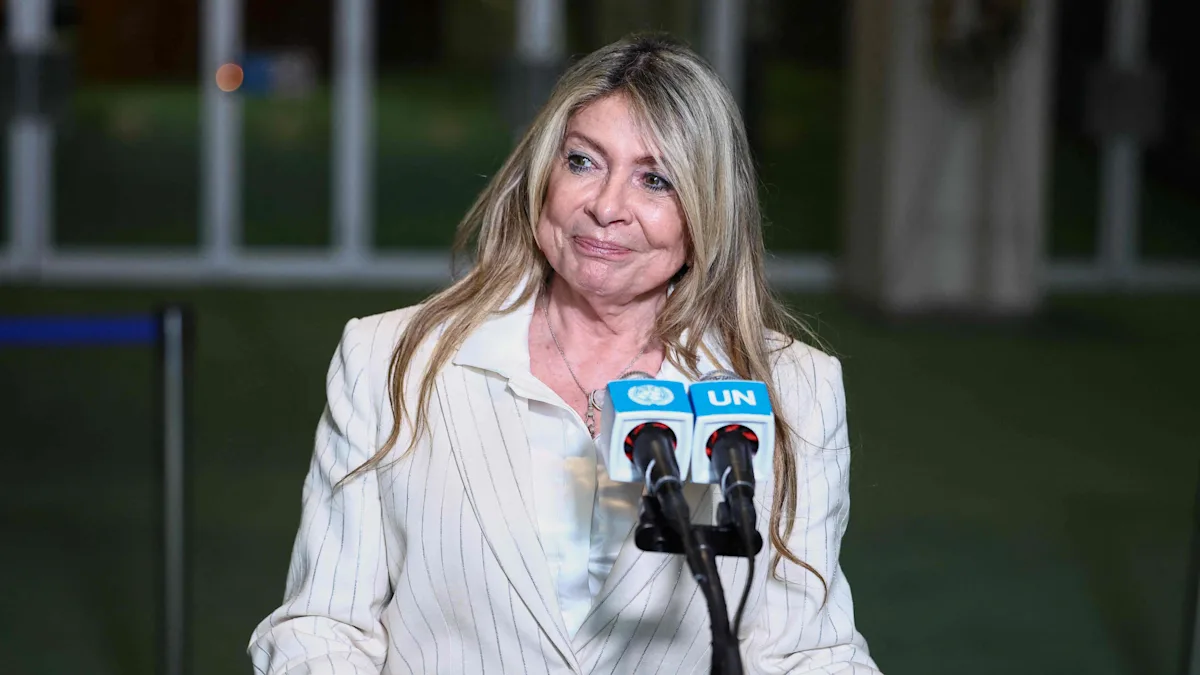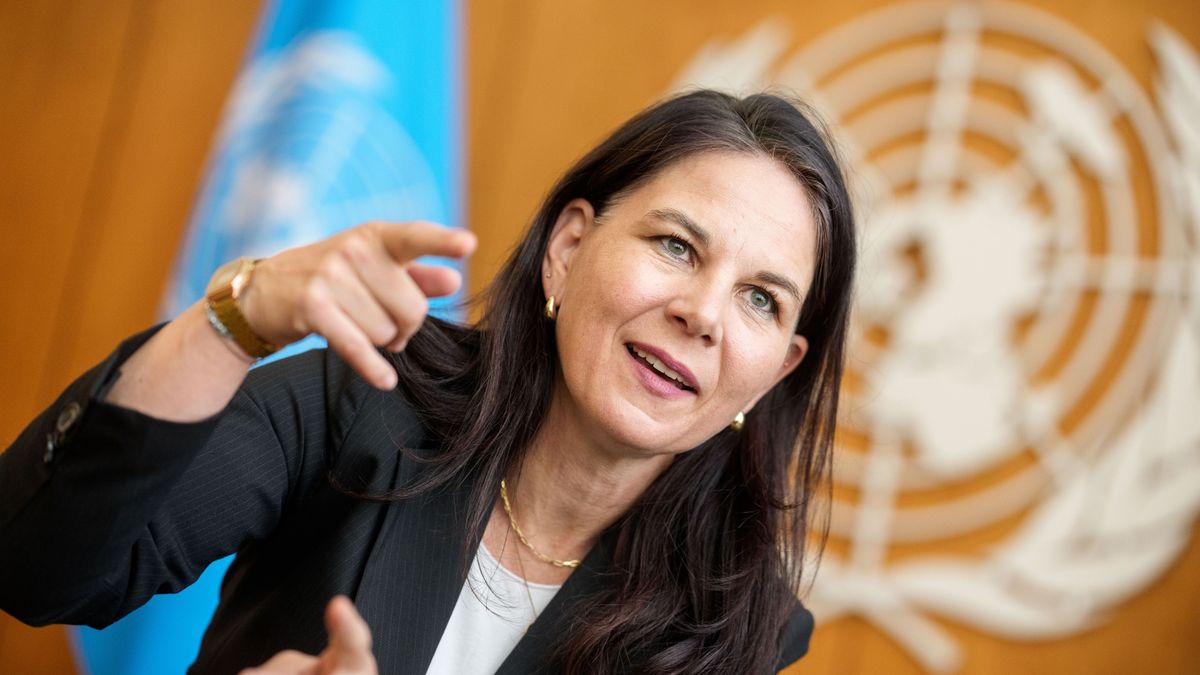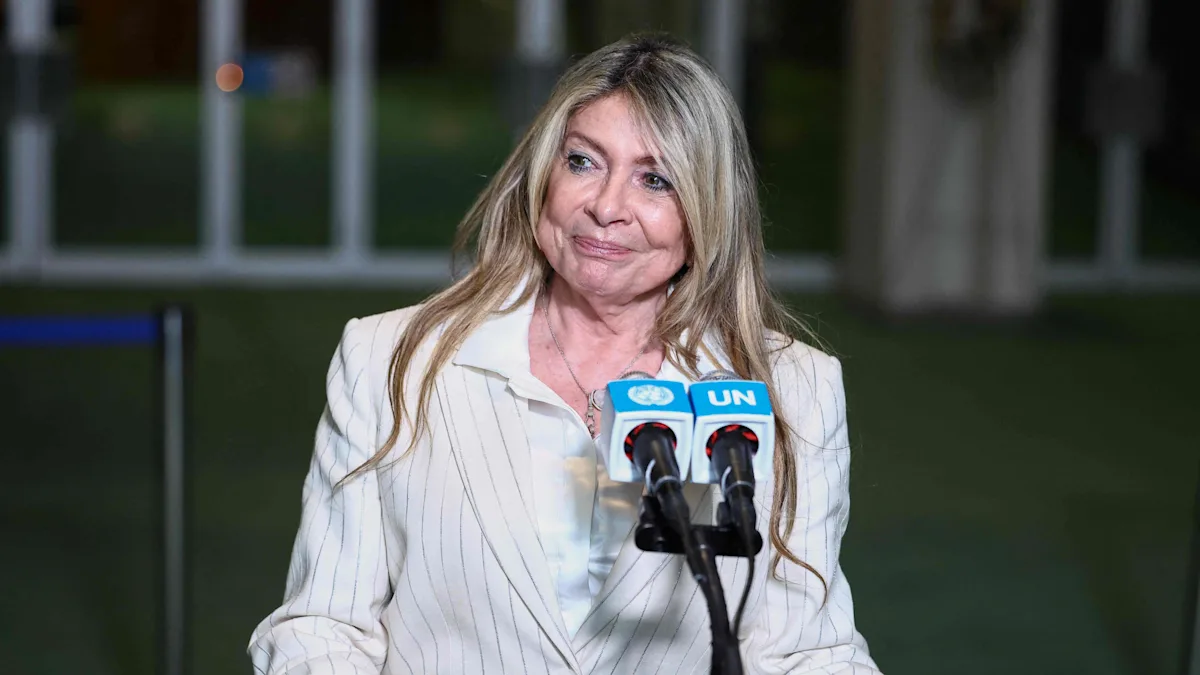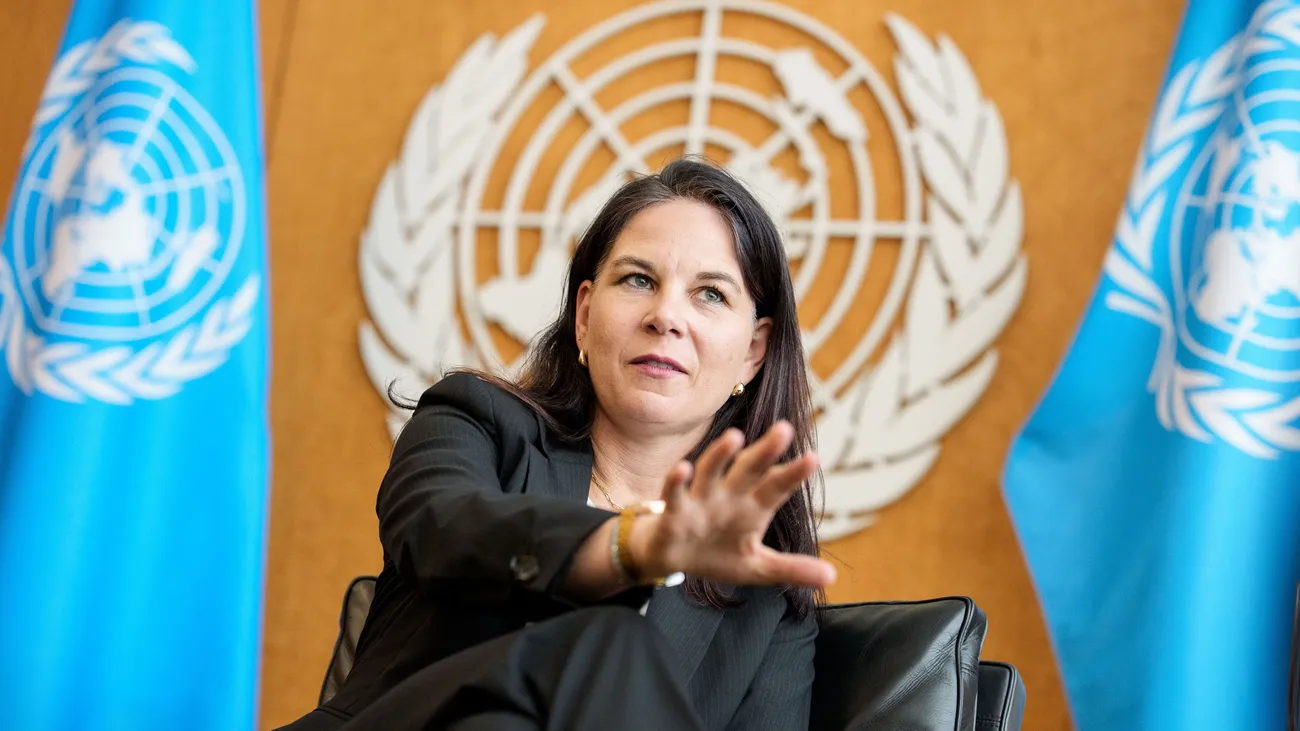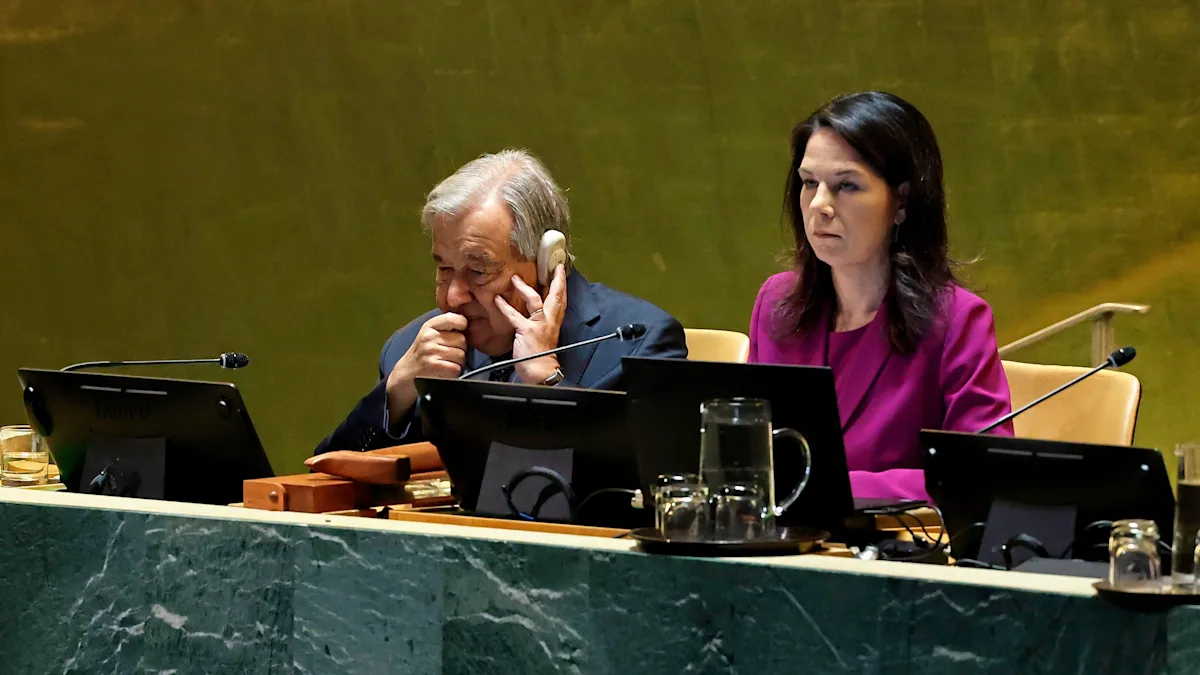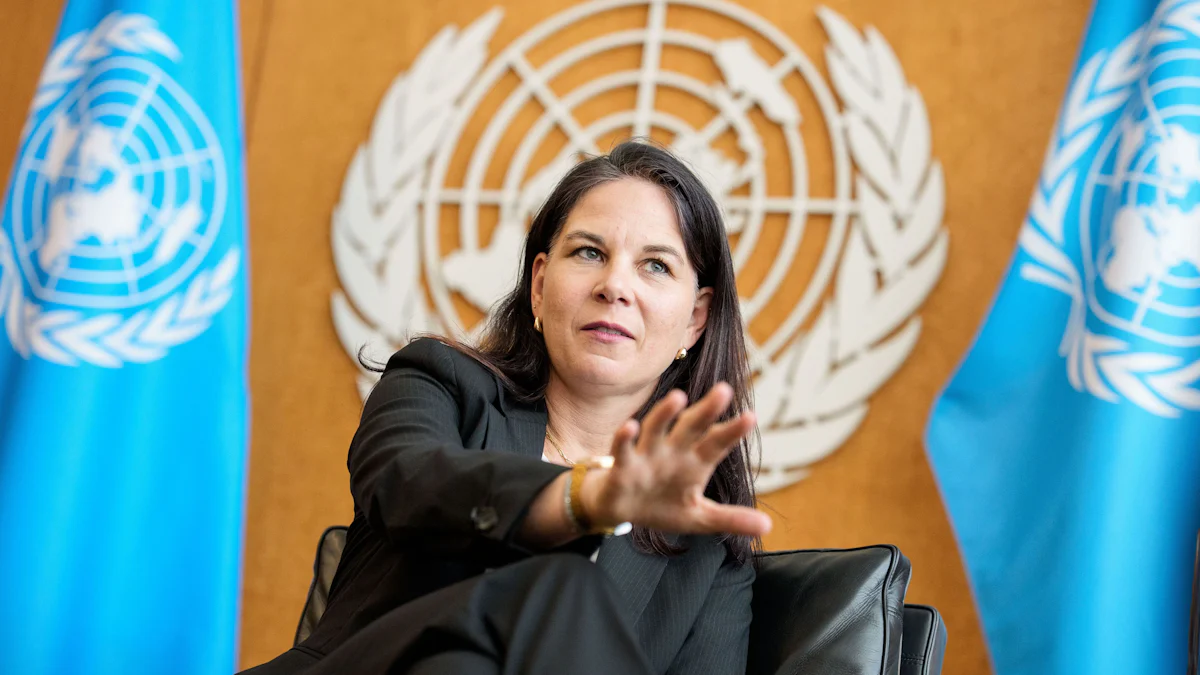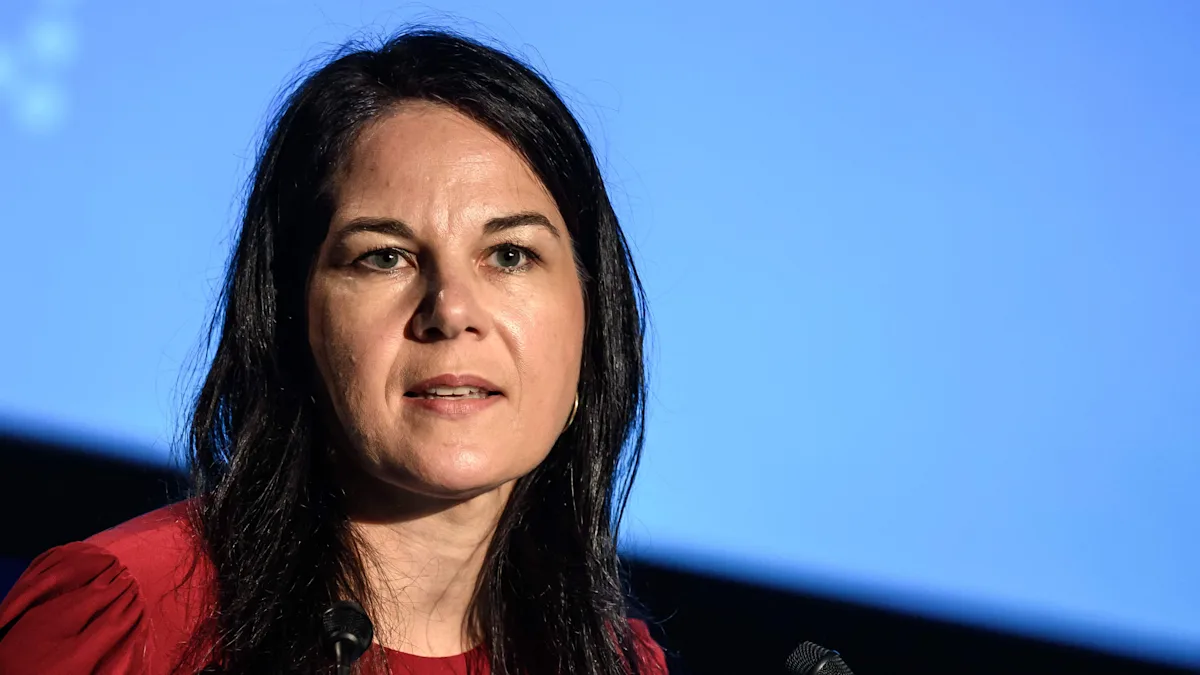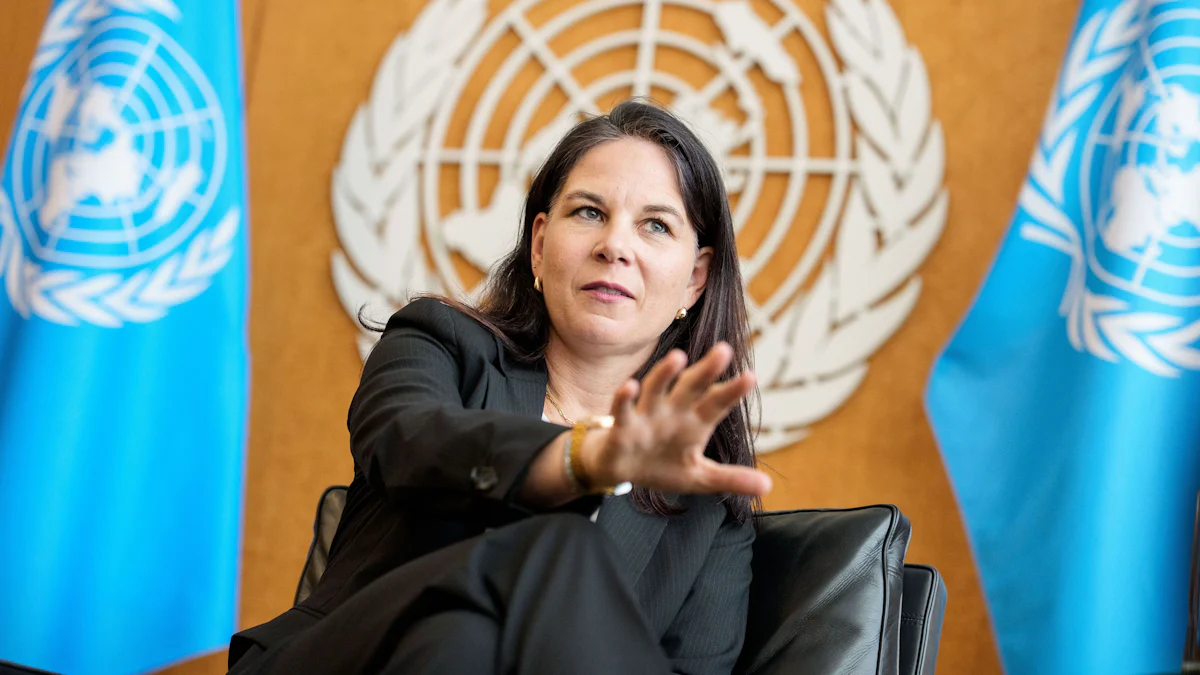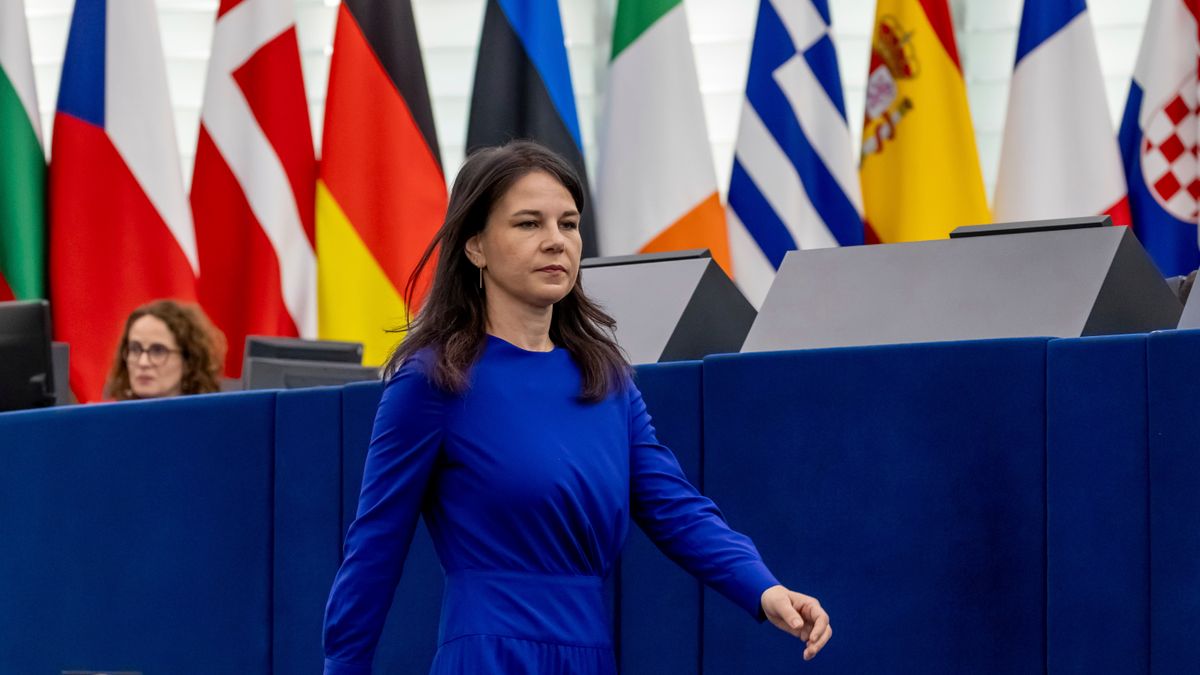
Washington and Moscow agree on very little. This week, diplomats from both countries accused Annalena Baerbock, president of the United Nations General Assembly, of exceeding her authority in the selection of the next U.N. secretary-general. The Trump administration is right. Baerbock has turned a useful exercise in public scrutiny into an attempt to decide which candidates the Security Council may consider.Article 97 of the U.N. Charter leaves little room for confusion. The secretary-general is appointed by the General Assembly upon the recommendation of the Security Council. The 15 council members narrow the field through closed straw polls until a candidate receives at least nine votes without a veto from the United States, Russia, China, Britain, or France. The General Assembly then votes on that candidate.Baerbock first went beyond that role at a July 23 town hall. She asked the audience to rate six candidates even though neither the candidates nor official observers had been warned that a poll would take place. She later asked the Security Council not to consider candidates who had failed to appear at one of her interactive dialogues. Jennifer Locetta, the U.S. alternative representative for special political affairs, called the audience poll “unfair, untransparent and unprecedented” in her remarks.
When Trump and Moscow agree, you know the UN has gone too far
Washington is right to oppose Annalena Baerbock's overreach in restricting candidates for the next UN Secretary-General selection.
623 words~3 min read