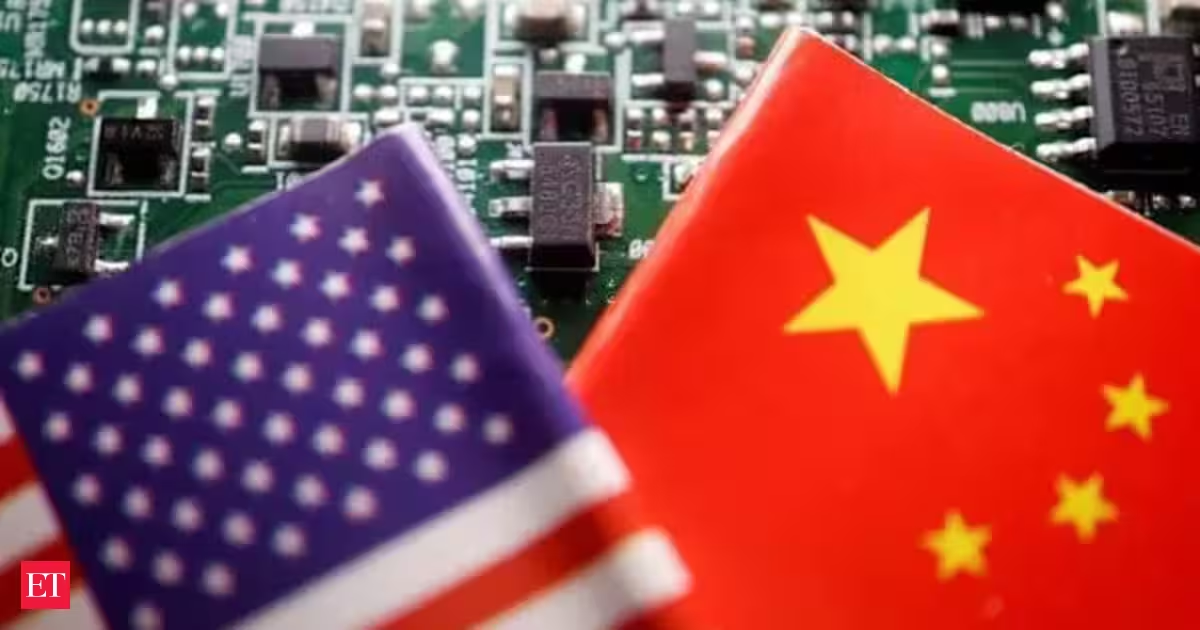
US foreign policy debates often group biotechnology, including its subfield of biomanufacturing, with semiconductors and artificial intelligence (AI) as core domains of technology rivalry with China. The grouping seems intuitive, as all three fields entail civil–military dual use and underpin national security. But treating biomanufacturing as a generic member of the ‘small yard, high fence’ group of technologies risks importing a strategic framework that misdiagnoses how advantage is accrued in this field.
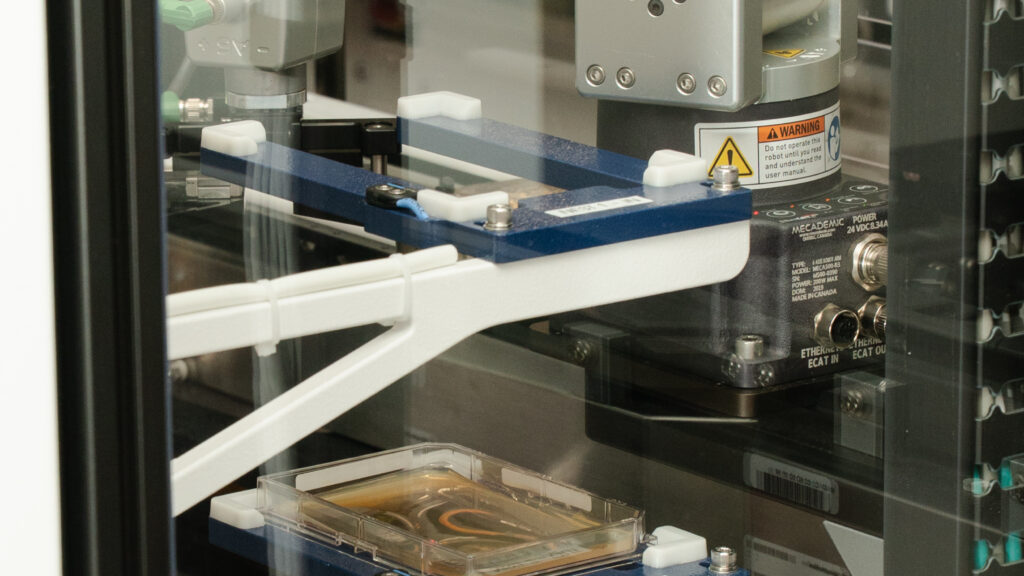
Biotechnology is an umbrella category with pharmaceuticals being a comparatively mature part of the sector. By contrast, synthetic biology-enabled biomanufacturing — the use of engineered biological systems to produce or enable industrial inputs such as fuels, fertilisers and chemical precursors — typically targets high-volume, low-margin markets. This industry remains far less mature and less well understood, yet East and Southeast Asian economies exposed to disruptions in food and energy securityhave a direct stake in who dominates the sector.
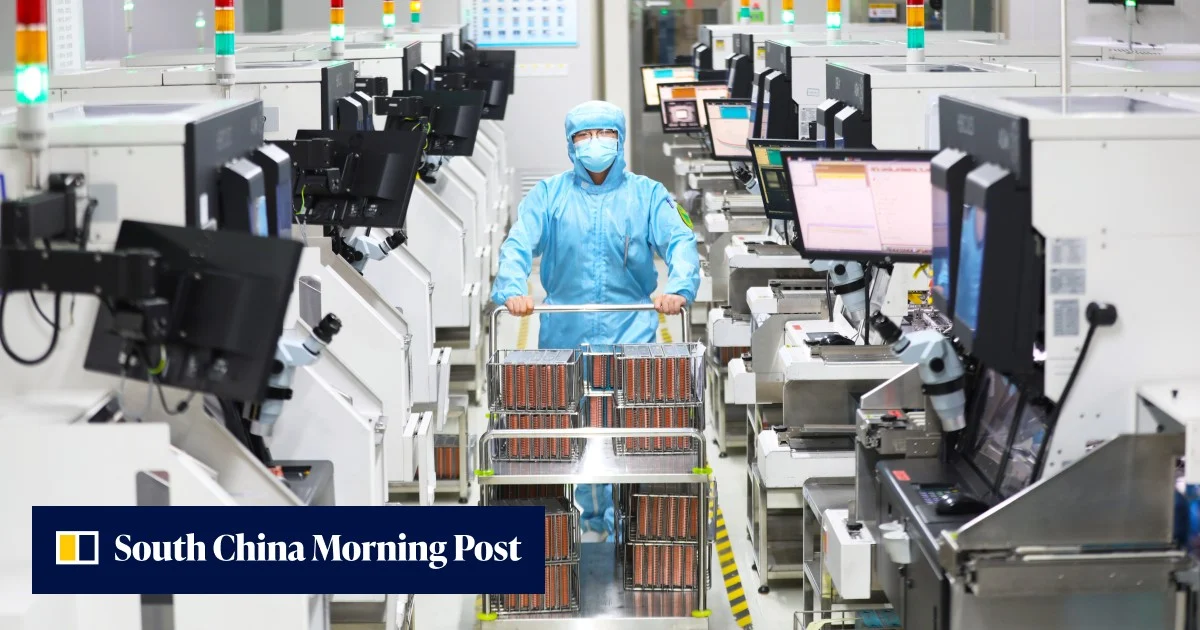
In semiconductors and frontier AI, US restrictions on scarce and difficult to substitute inputs such as advanced computing chips or semiconductor manufacturing equipment can slow China’s progress in these domains. The presumption is that when technological capability heavily depends on choke points in the supply chain, a strategy of denial buys time and preserves advantage.