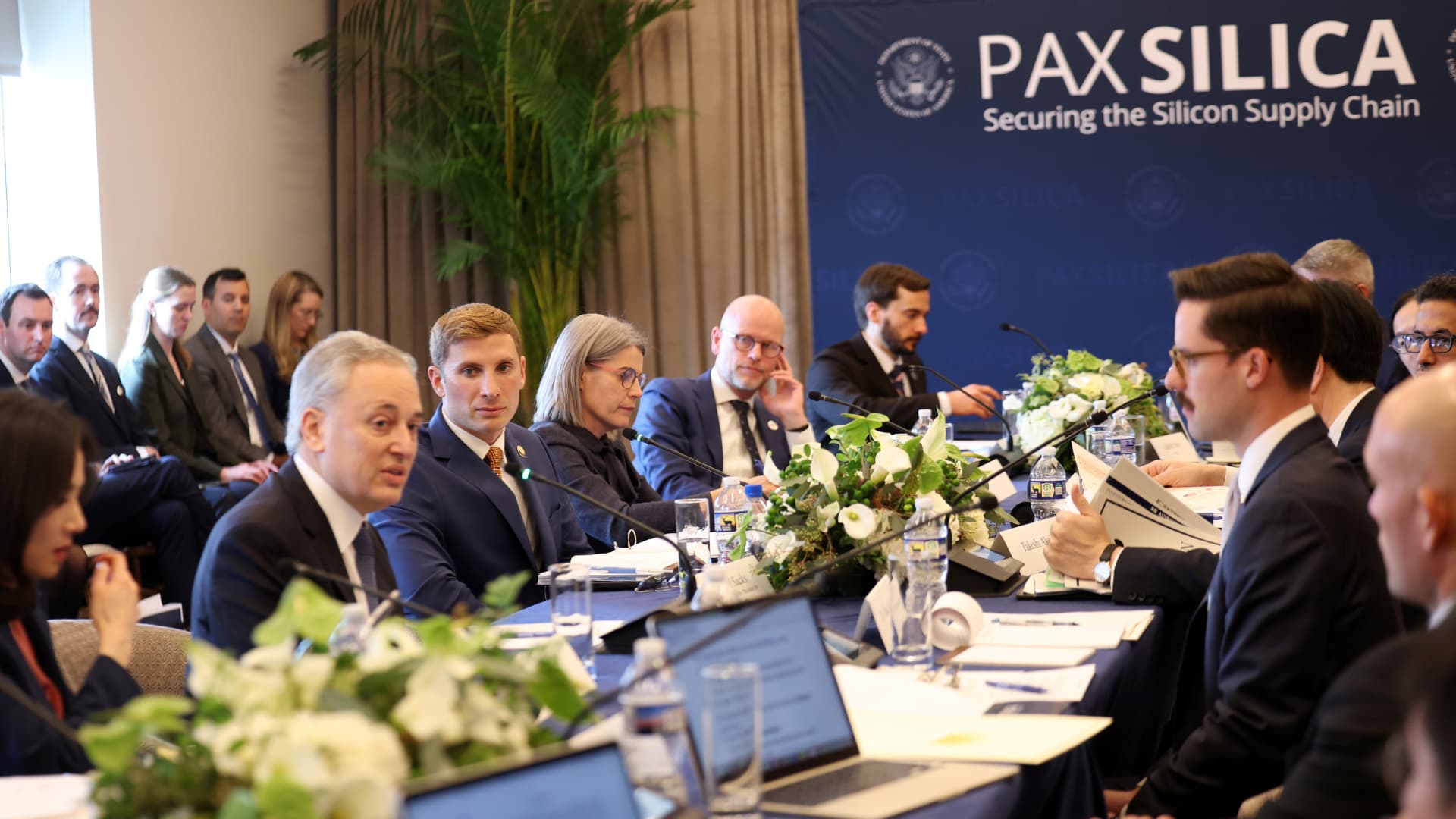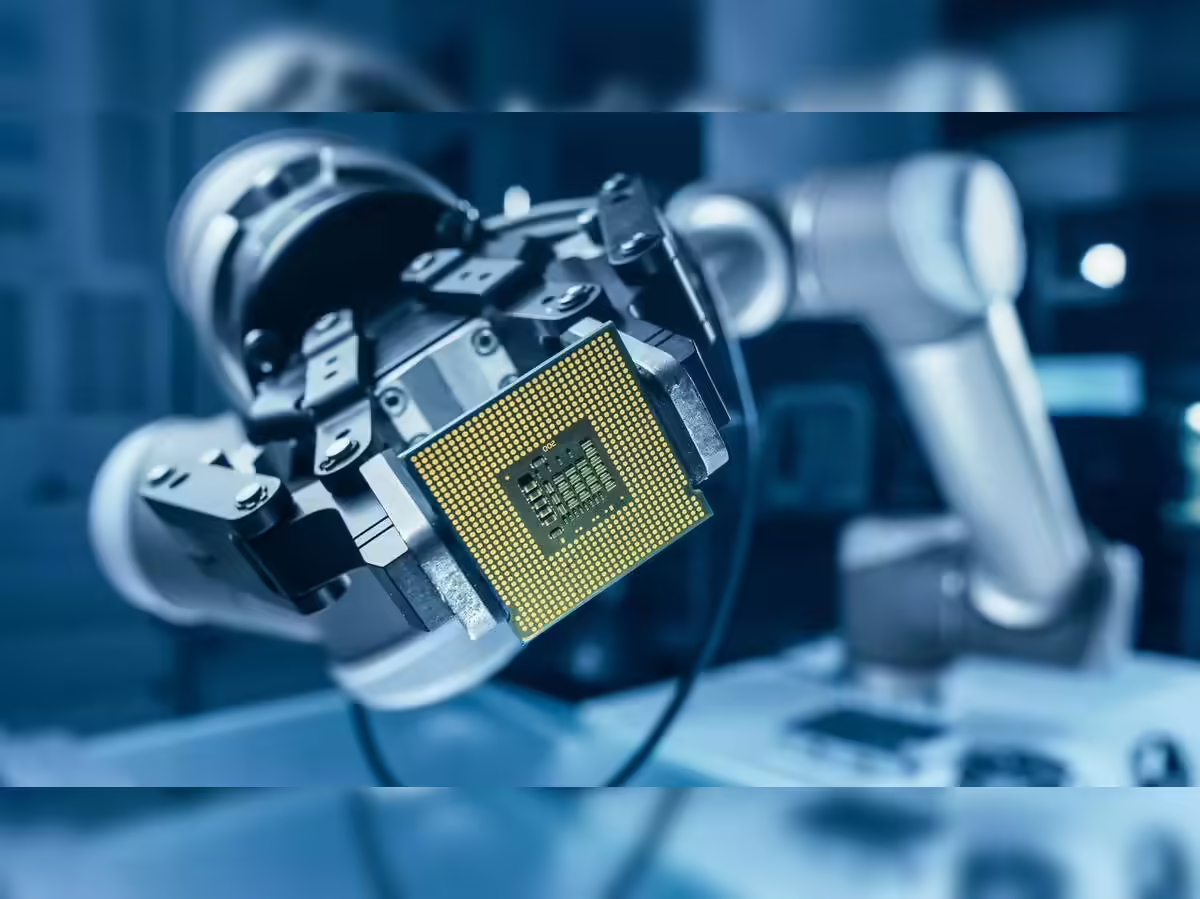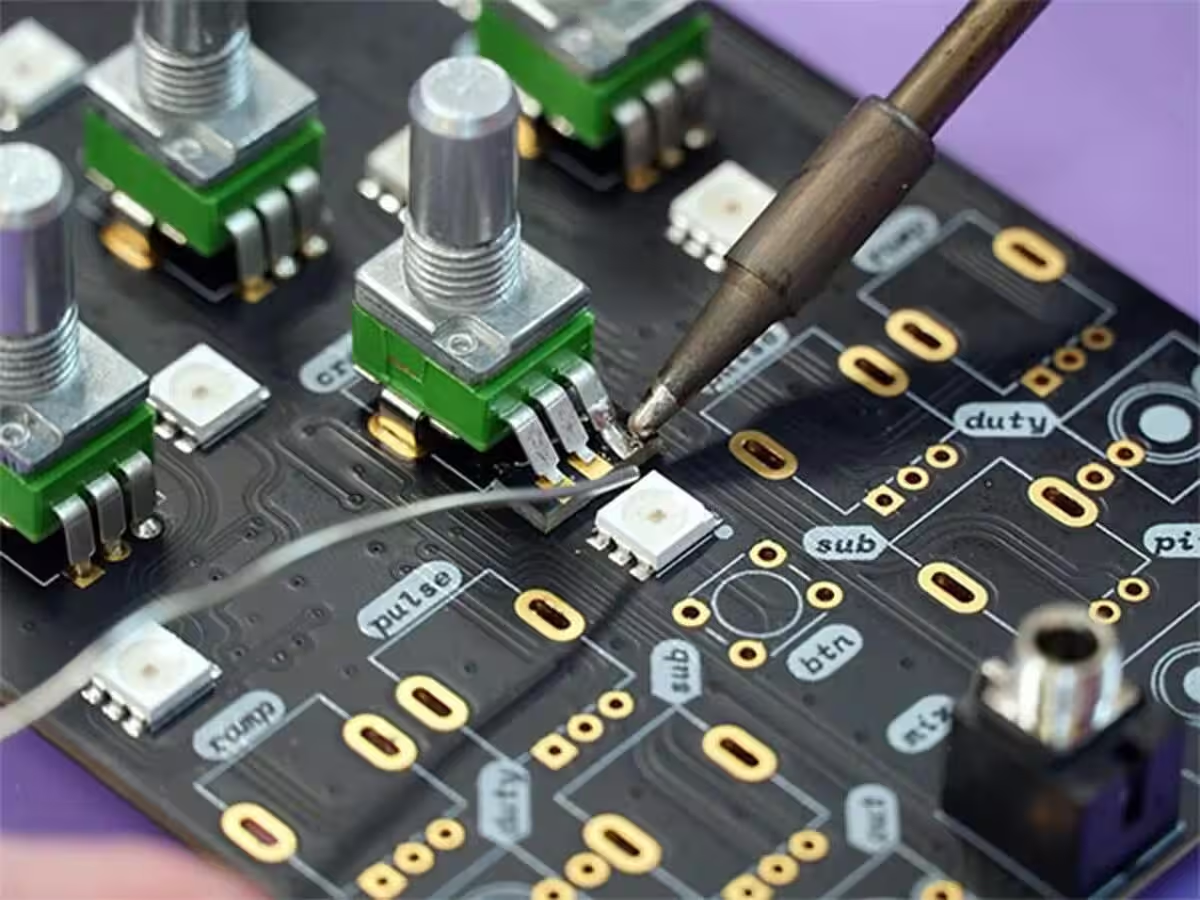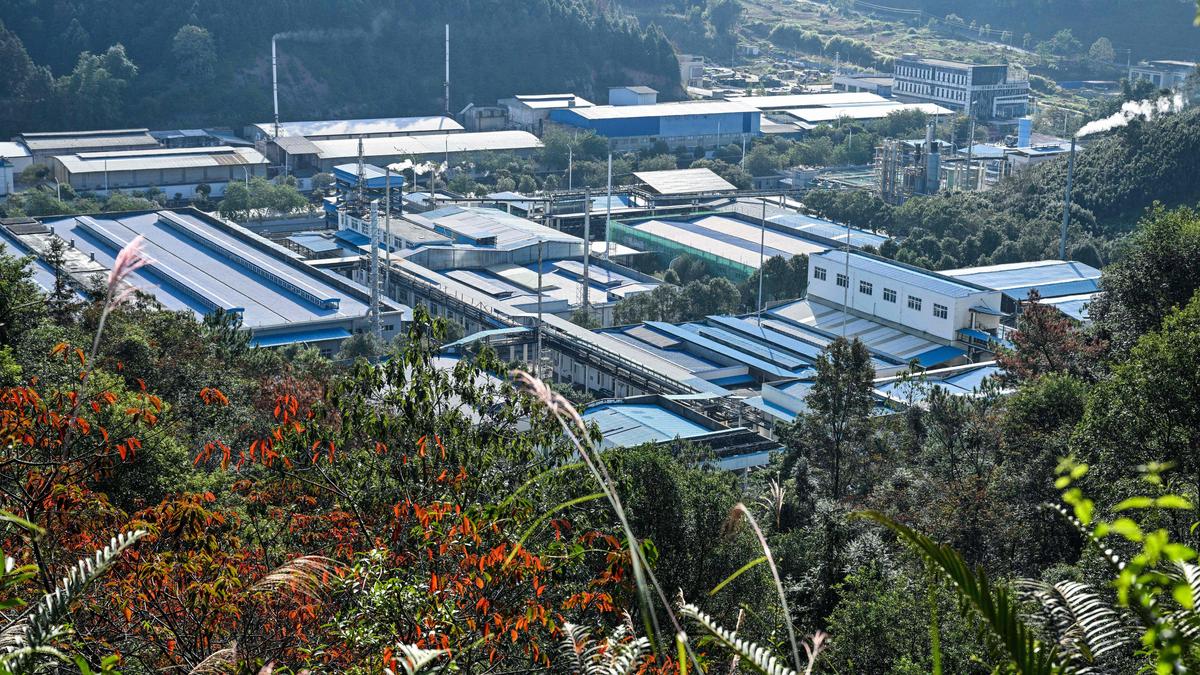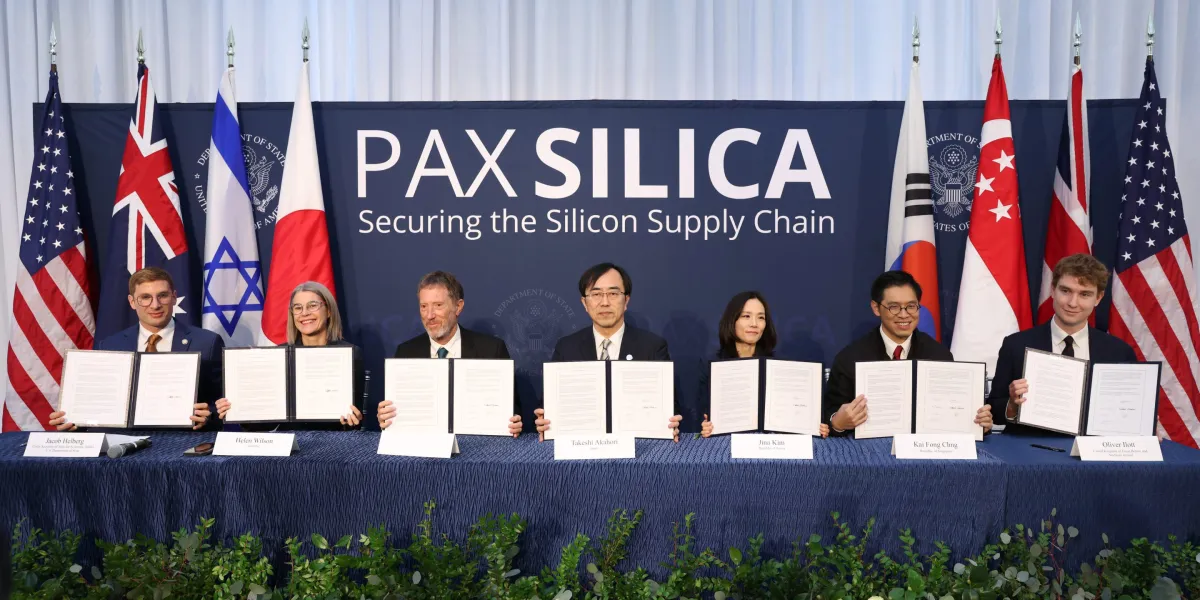
A new US-led alliance to secure semiconductor manufacturing highlights a deeper shift in global techno-geopolitics—and the scale of India’s dependence on foreign technology across chips, energy and advanced research.
A view of the global R& D center of the Taiwan Semiconductor Manufacturing Co. Limited. Taiwan leads the global semiconductor manufacturing market, and made guest contributions at the inaugural summit of Pax Silica, the new US-led alliance for secure semiconductor manufacturing supply chains. India is not part of the group. Photo: Tseng photos, Wikimedia Commons, CC by 2.0
A new US-led alliance to secure semiconductor manufacturing highlights a deeper shift in global techno-geopolitics—and the scale of India’s dependence on foreign technology across chips, energy and advanced research.
The launch of a new US alliance called Pax Silica to secure semiconductor manufacturing supply chains for the coming Artificial Intelligence era has drawn attention, among other reasons, for its exclusion of India. The initiative came not long after Trump and his Chinese counterpart Xi Jinping’s meeting in Busan, South Korea to ease tensions between their countries surrounding tariffs and technology controls.