M
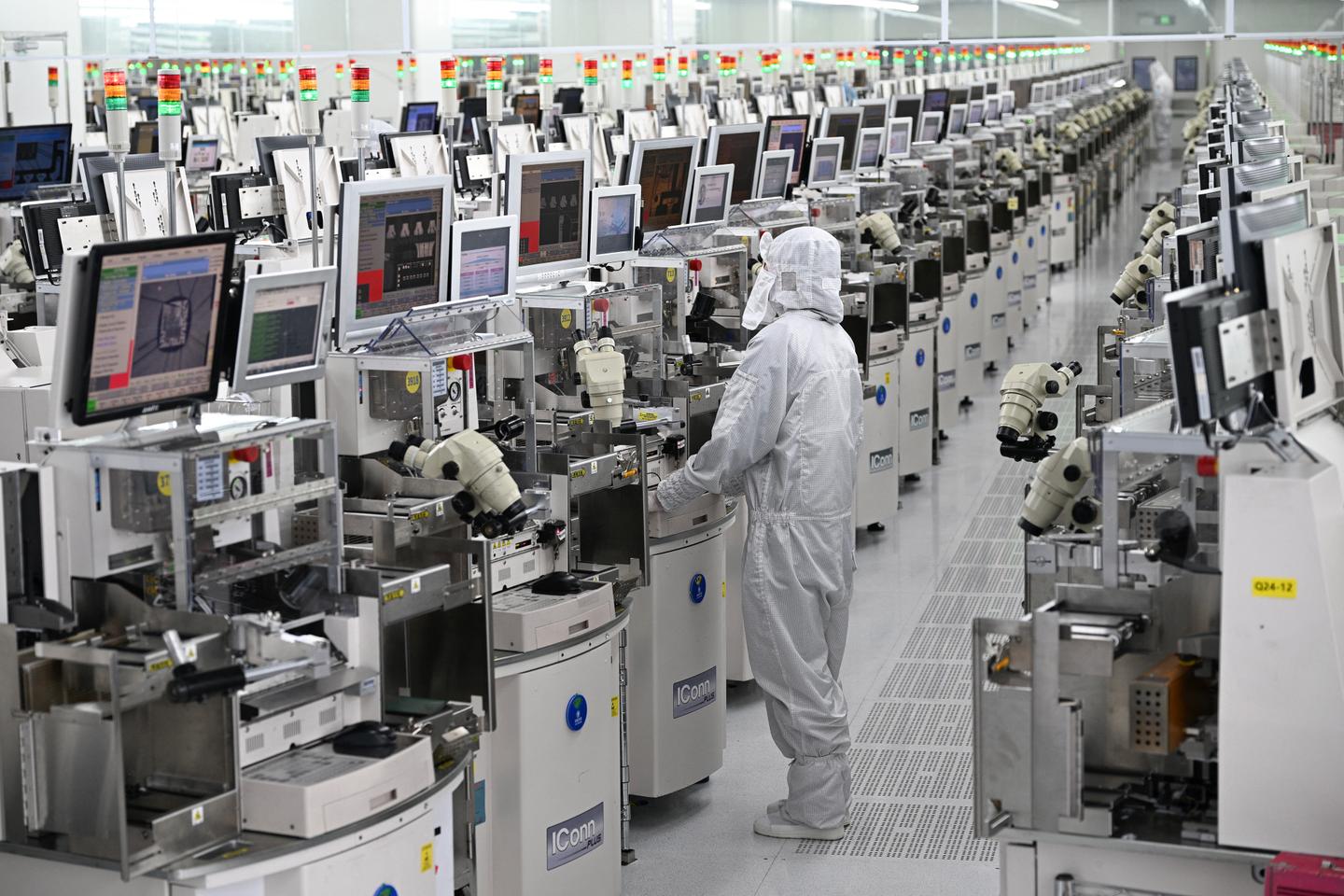
icroprocessors have long been essential yet invisible components, which could be manufactured far away, assembled elsewhere and consumed everywhere. A series of recent upheavals has changed this perception. The Covid-19 pandemic, which caused supply chain disruptions, exposed the vulnerabilities of those who did not control microchip production. Rising tensions between China and the United States, along with the emergence of artificial intelligence, have further magnified the crucial role played by these finely etched silicon chips. Microprocessors have become a strategic element in global geopolitics.
First developed in the US in the early 1960s, microchips now play a central role in the global technological arms race. Coal powered the 19th-century industrial revolution, oil drove innovation and growth in the 20th century, and microprocessors are central to the 21st-century economy. They are the world's third-most traded goods, after petrochemical products and automobiles. The microchip sector is expected to double in size by the end of the decade, surpassing $1 trillion. This is no longer a normal industry: It is a strategic weapon and a diplomatic tool, one that is fiercely contested by the US, Taiwan and China, notably through their respective champions: Nvidia, TSMC and Huawei.