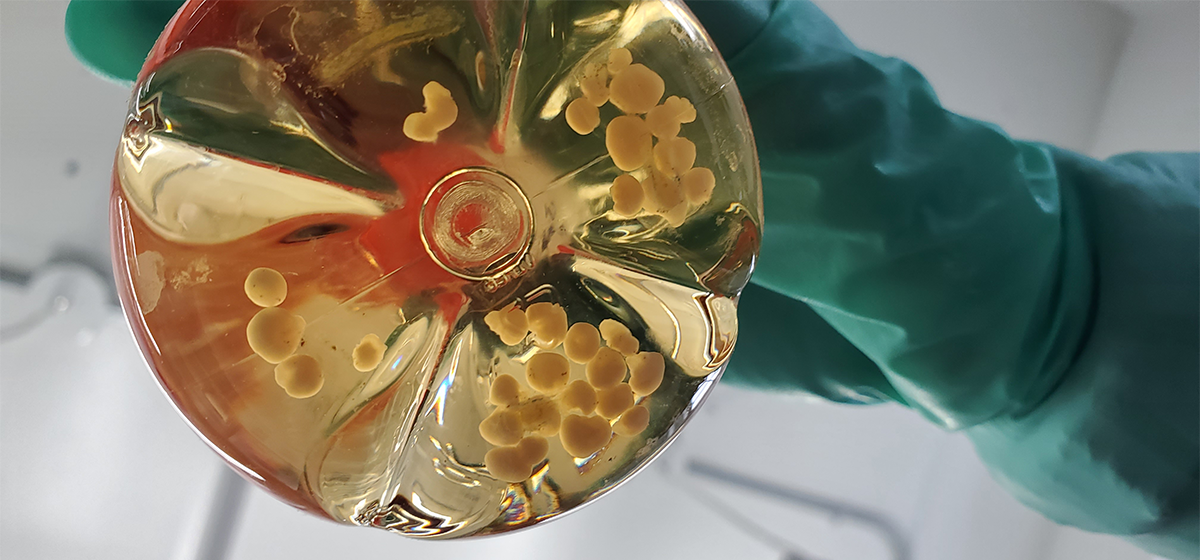
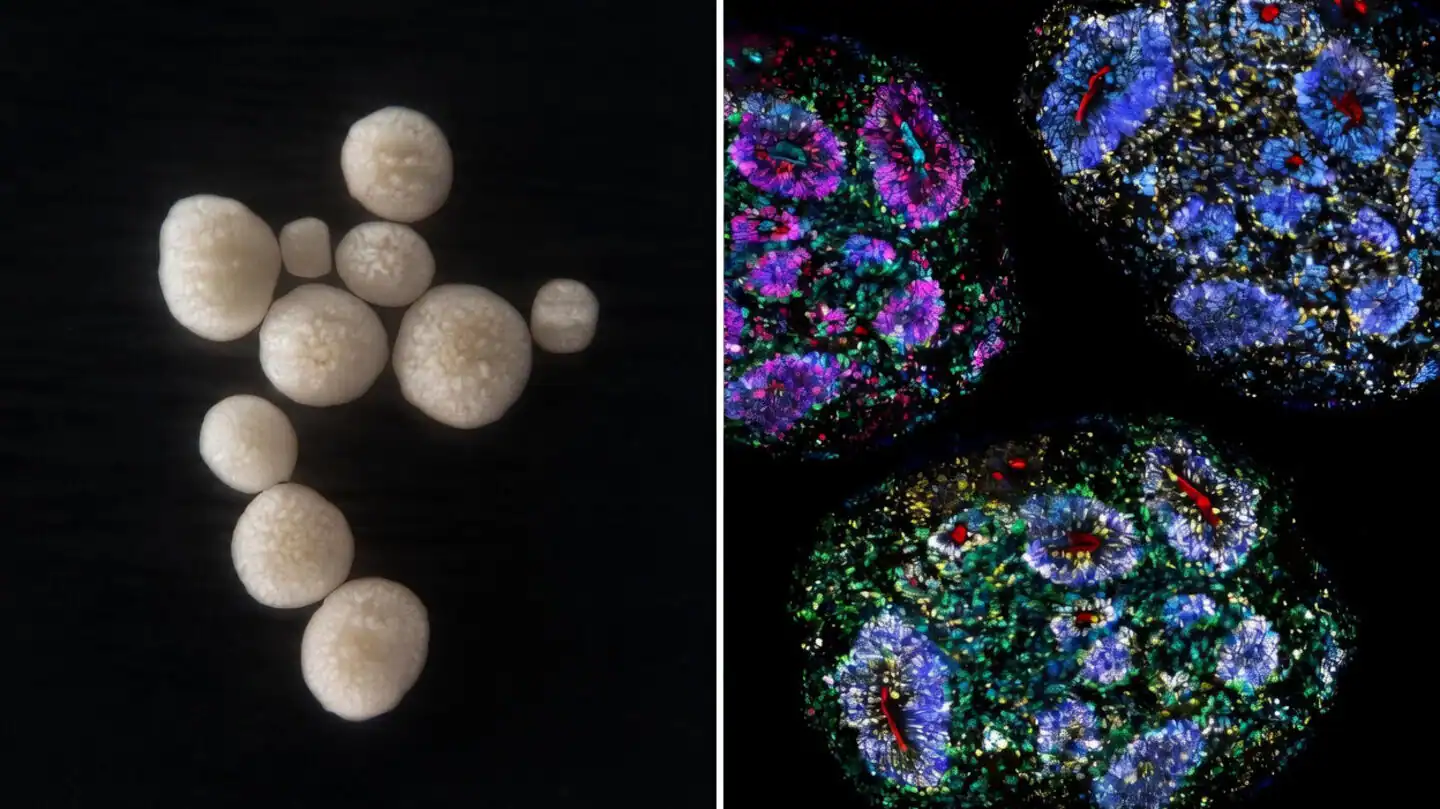
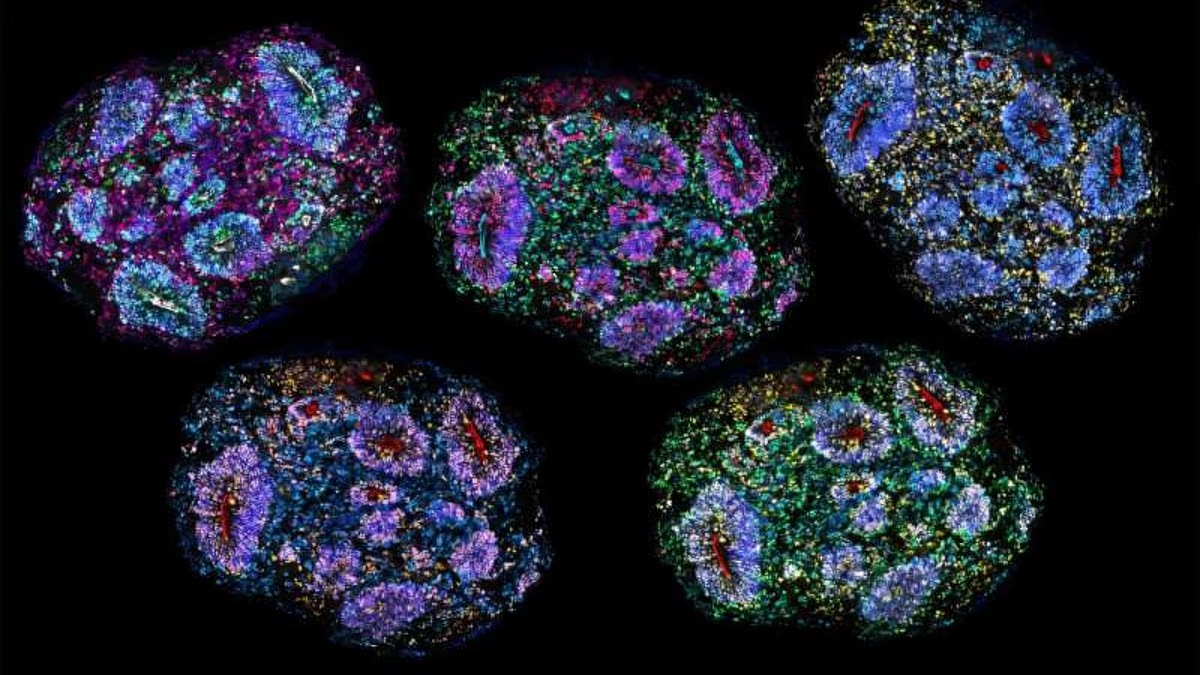
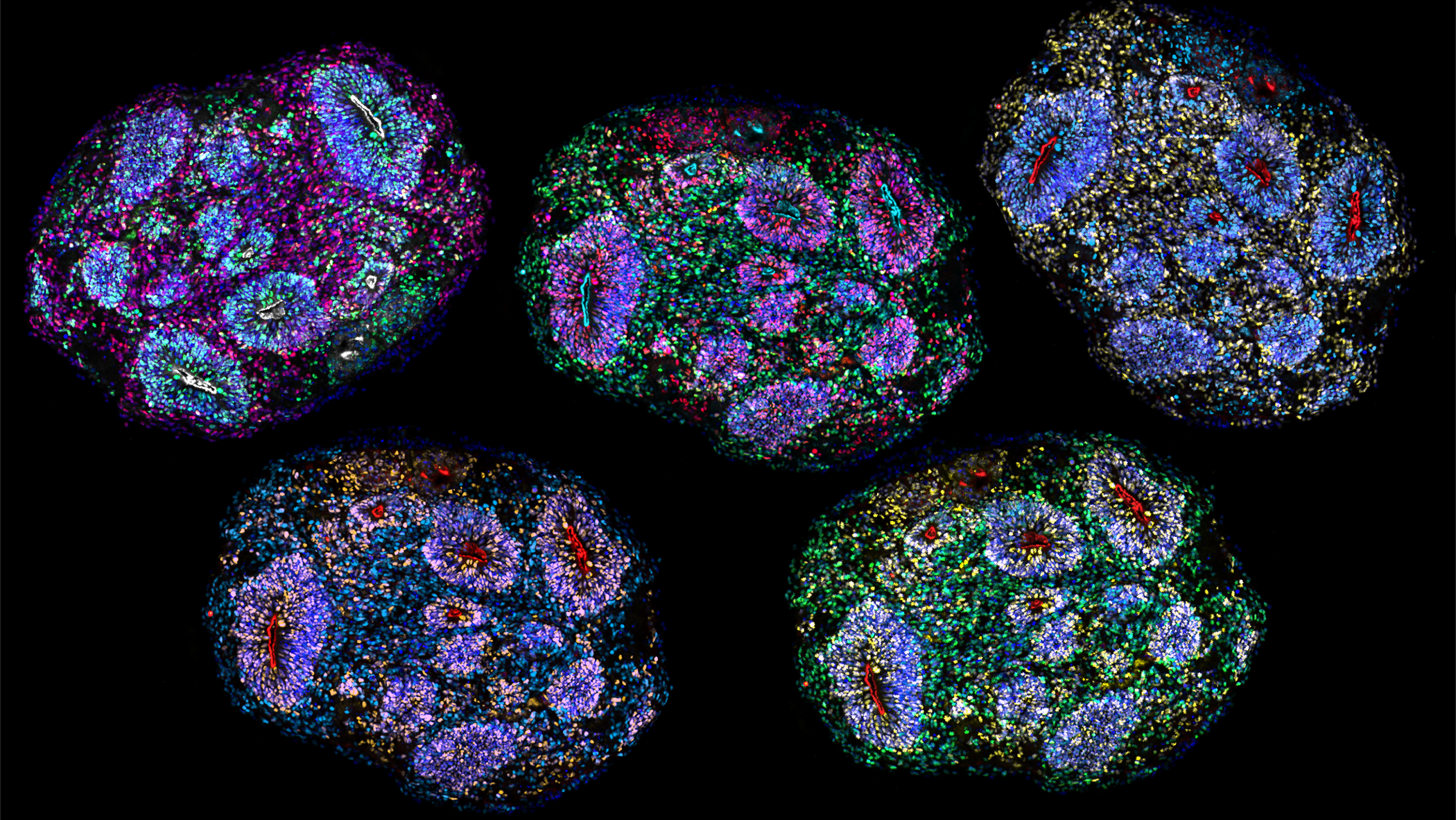
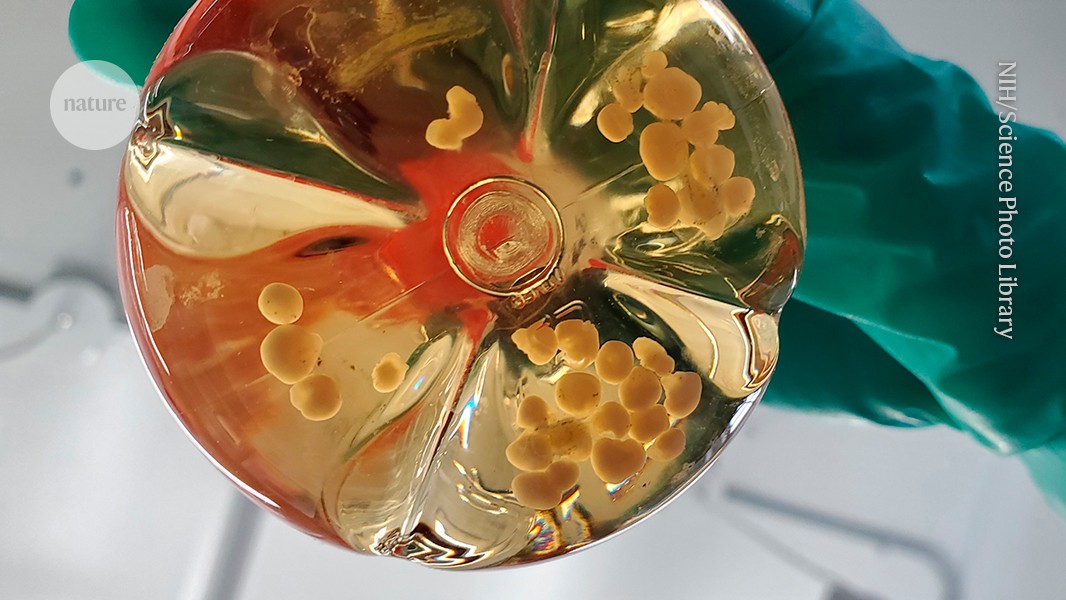
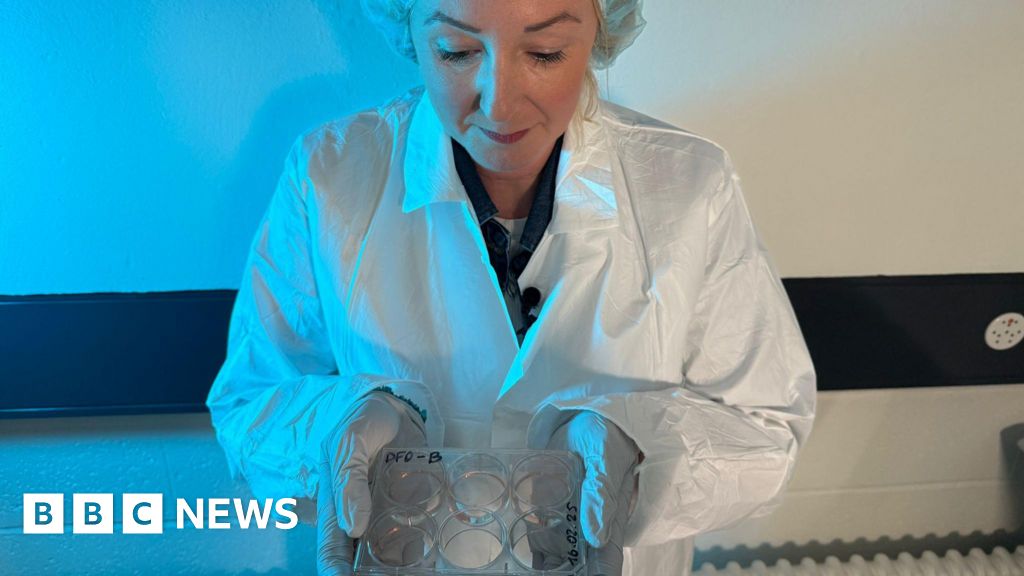
Scientists are growing miniature human brains in labs around the world. (Yep, you read that right.) For Wired, Claire L. Evans reports on the latest research in the field of organoid intelligence, or OI, where scientists are artificially growing brain organoids from tiny human samples, whether skin, blood, teeth, or even hair. As these seed-sized globs mature, they are able to send and receive electrical signals, and even learn to remember and anticipate them. In other words, this living matter is programmable. “And this is where things get truly weird,” writes Evans.
For now, these neural computers are mostly of interest to researchers who want to work with neurons without taking on the tedious wet-lab husbandry themselves. Eventually, however, the company hopes that neurons will prove themselves to be an energy-efficient, resilient substrate for more general computing applications—including some tasks currently handled by AI, like image recognition and classification.
“When you think about what you want from AI, it’s biology,” said Brett Kagan, Cortical Labs’ chief operating officer, when I reached him over Zoom. “You want it to be self-repairing as much as possible. You want it to be adaptable. You want it to be long-lived. You want it to be energy-efficient. These are all features you get for free in biology.”