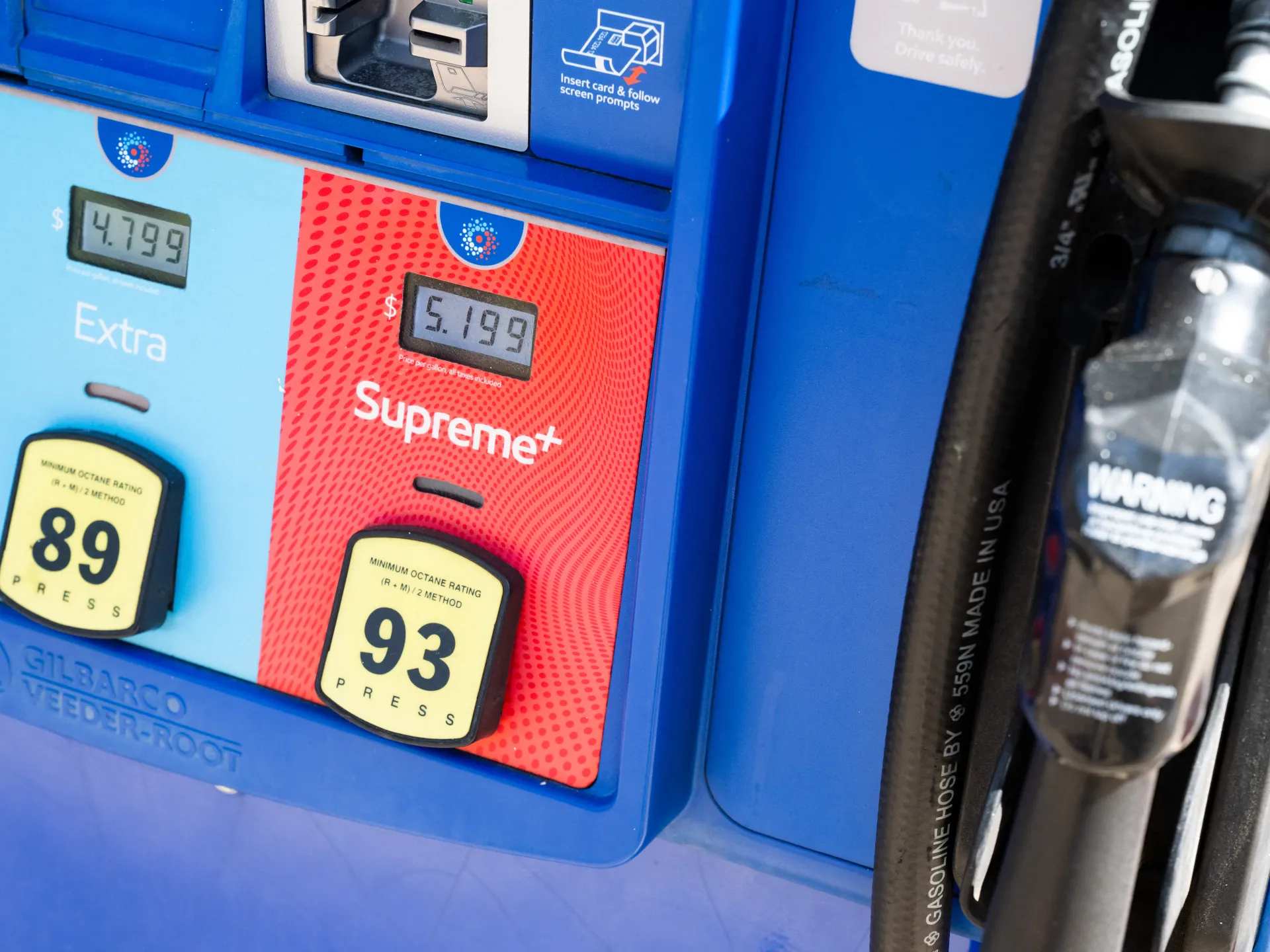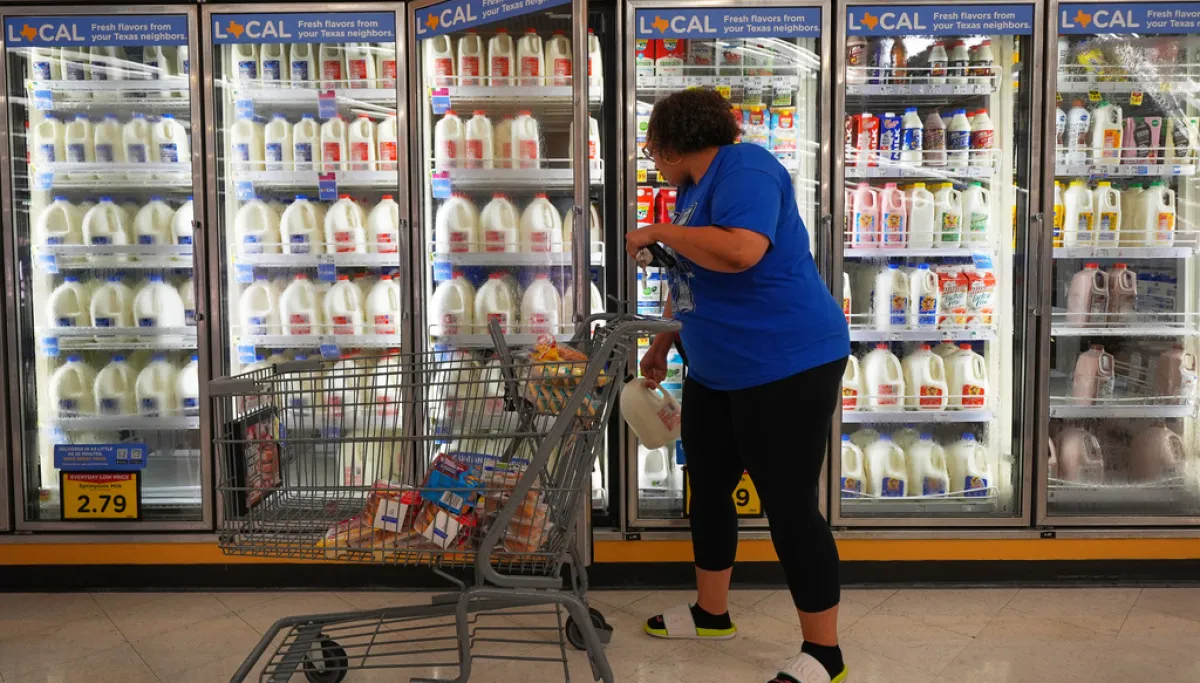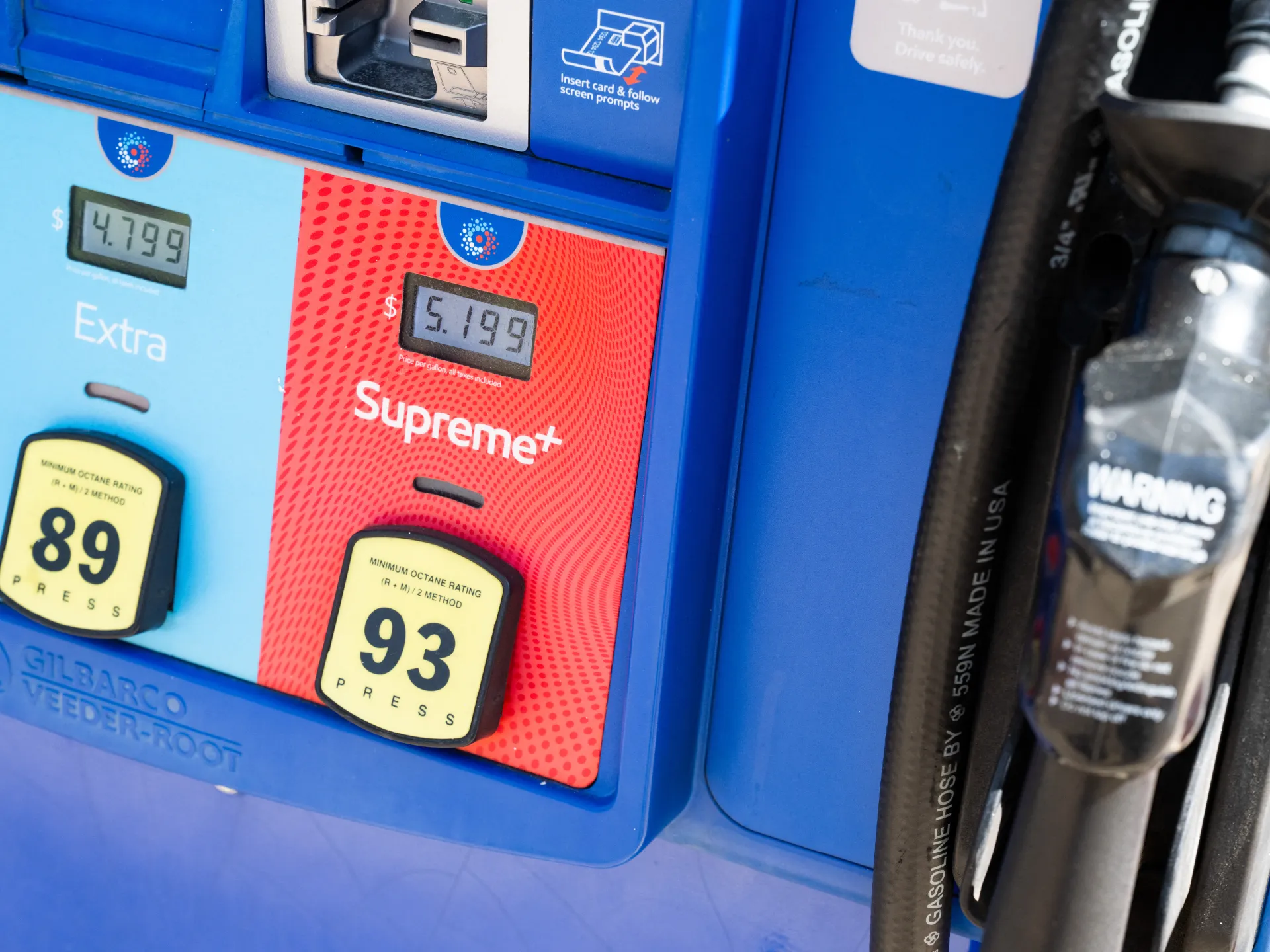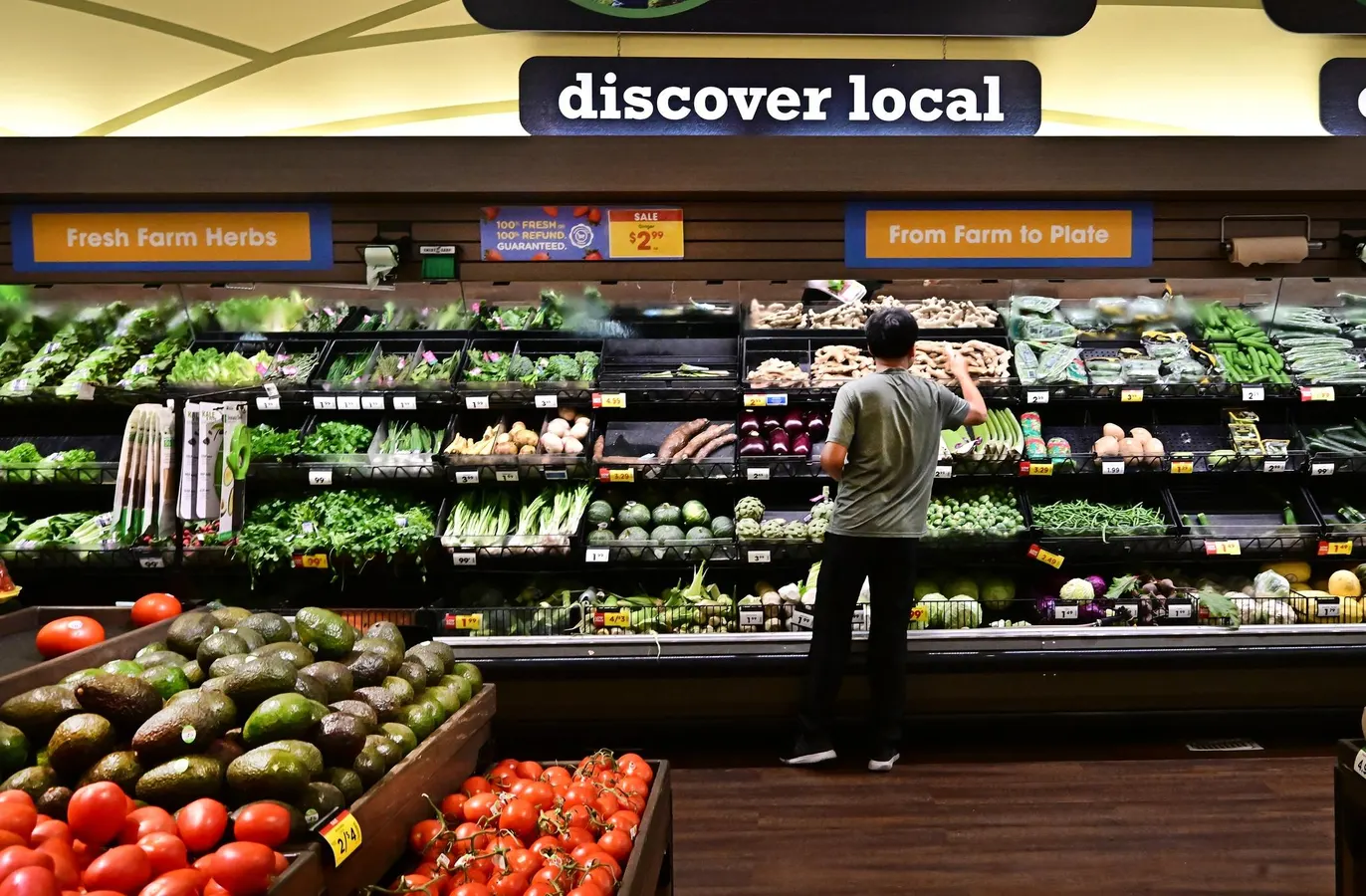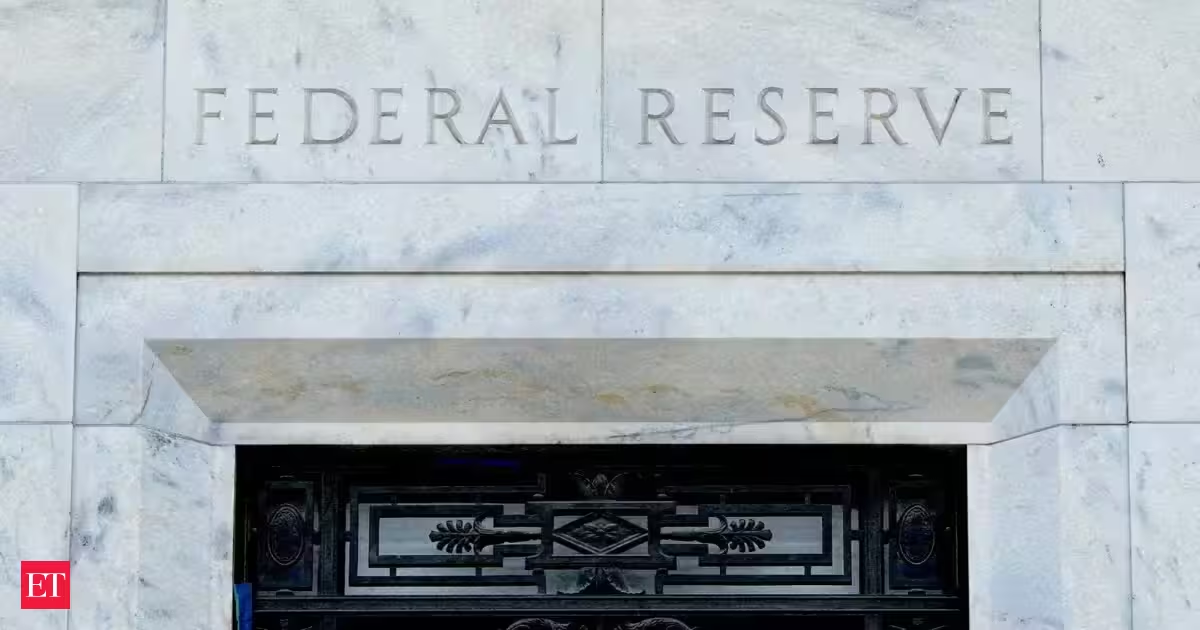
Annual U.S. inflation unexpectedly held steady in July well above the Federal Reserve's 2% target for the 65th straight month, and the pause in the decline from a recent Iran-war induced peak is likely to add to the central bank's tense debate over whether interest rates should be lifted or held steady. The Personal Consumption Expenditures Price Index increased 3.7% in the 12 months through July unchanged from June, the Commerce Department's Bureau of Economic Analysis said on Wednesday. Economists polled by Reuters had forecast a reading for PCE, which the Fed uses to set its target, of 3.6%.PCE shot to a three-year high of 4.1% in May in rapid fashion after President Donald Trump in late February launched air strikes along with Israel against Iran, sending energy prices spiraling upward as the conflict shut in roughly a fifth of global oil supplies.Also Read: US Economy: Inflation eases but prices remain high, retail sales fall, jobless claims riseSix months later the conflict appears no closer to a final resolution, though the exchange of fire has diminished and oil prices and the wider inflation wave they instigated have retreated from their mid-spring highs.The fall back in inflation in the last two months has helped buoy the arguments of the majority of Federal Open Market Committee members who voted to leave rates unchanged in July in the range of 3.50% to 3.75%, where they have been since December. But the sluggish pace of improvement is unlikely to mollify a growing minority of officials who argue tighter policy is needed given inflation has been above target since February 2021 and will not get there without further restraint.Inflation as measured by PCE peaked at 7.2% in June 2022, and the steepest Fed rate increases since the 1980s helped put it on a path back toward 2%. That trajectory changed last year after Trump unleashed a wave of import tariffs on his return to the White House, sending a wide range of goods prices higher, with the Iran war exacerbating those pressures.Also Read: In 1980, Social Security gave recipients a 14.3% raise. It came during an extraordinary period of Great US inflationAnd new tariff-induced pressures are likely coming, after trade negotiations between the U.S. and its No. 2 trading partner Canada fell apart on Friday, resulting in new levies on $20 billion of Canadian goods imports to go into effect. Since then Washington and Ottawa have each announced additional retaliatory measures to go into effect in coming months unless a deal is reached to avert them. On a month-over-month basis, PCE rose 0.2% in July - also above economists' forecasts - after falling 0.1% in June, which had been the weakest reading since April 2020. Also on Wednesday, BEA updated data for economic growth for the second quarter, leaving unchanged its estimate of annualized gross domestic product growth at 1.5%.
US inflation holds at 3.7% in July, complicating Fed rate debate
U.S. inflation remained unchanged in July, exceeding the Federal Reserve's target. This persistent inflation complicates the central bank's debate on interest rates. Economic growth for the second quarter was also reported unchanged at 1.5%. New tariff pressures are anticipated after trade talks with Canada failed. The Federal Reserve faces a difficult decision regarding monetary policy adjustments.
475 words~2 min read