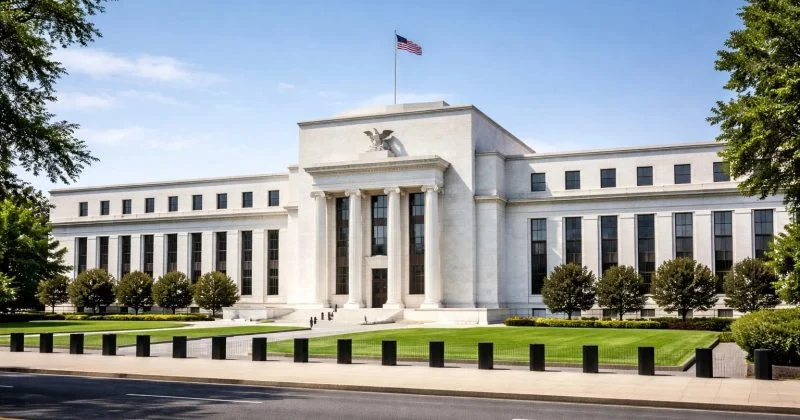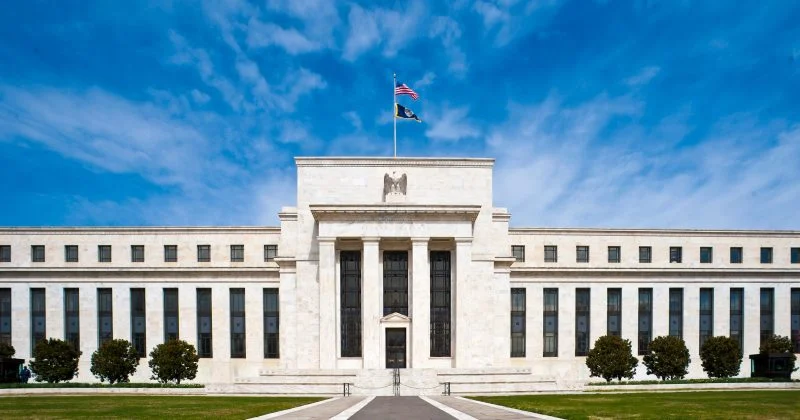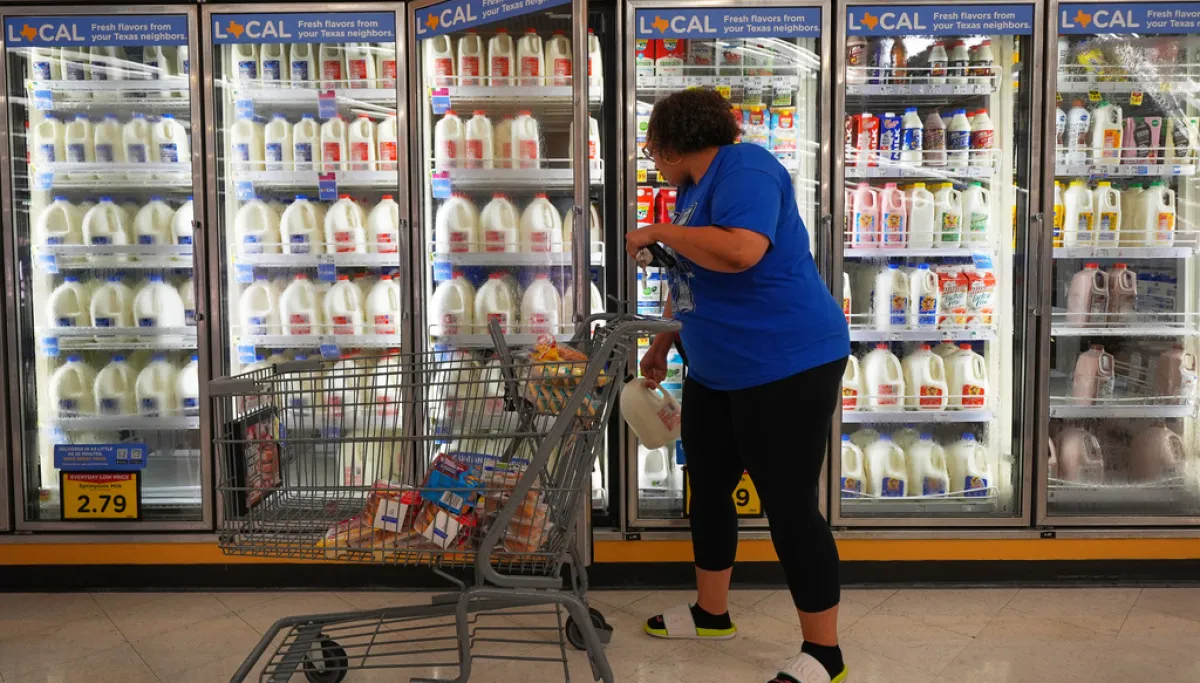
Inflation fell one-tenth of a percentage point in July to 3.4%, a decline that comes as the Federal Reserve considers whether to raise interest rates in the coming months.The Bureau of Labor Statistics reported the update to the consumer price index on Wednesday. In July alone, prices only rose 0.1%. Still, inflation is well above the Federal Reserve’s target of 2%, and many investors and Fed watchers expect an interest rate increase this year.The report is welcome news for the Trump administration, which has been working to highlight any progress in curbing inflation, especially after prices further increased earlier this year following the war with Iran.
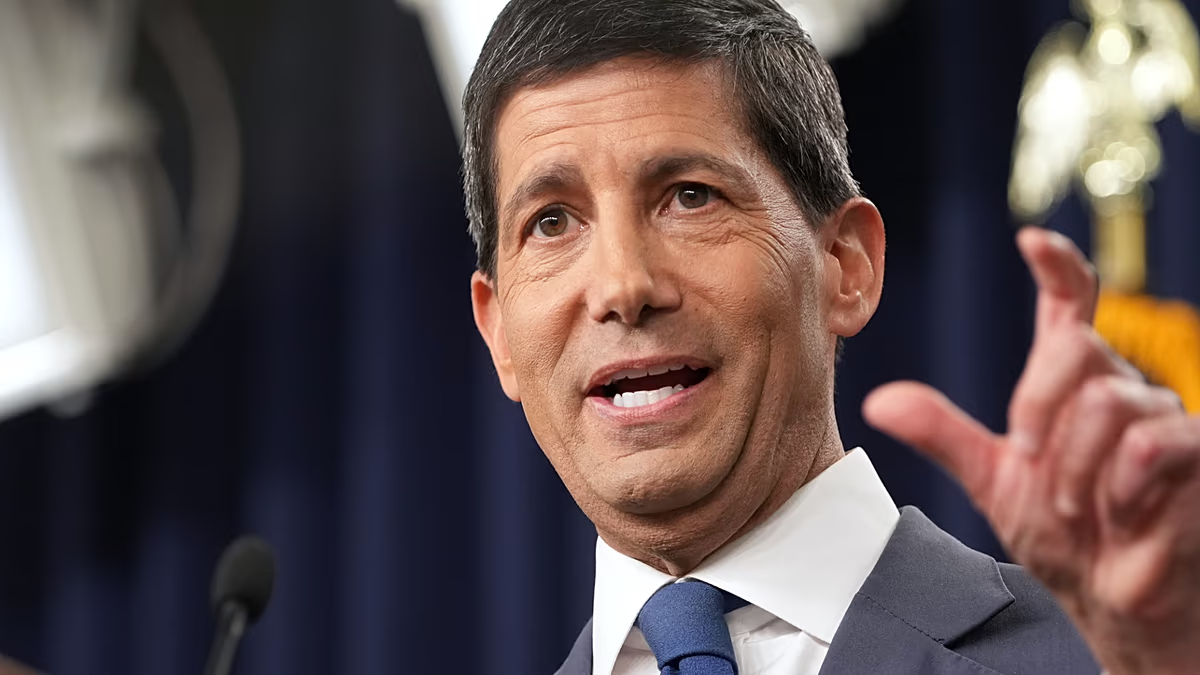
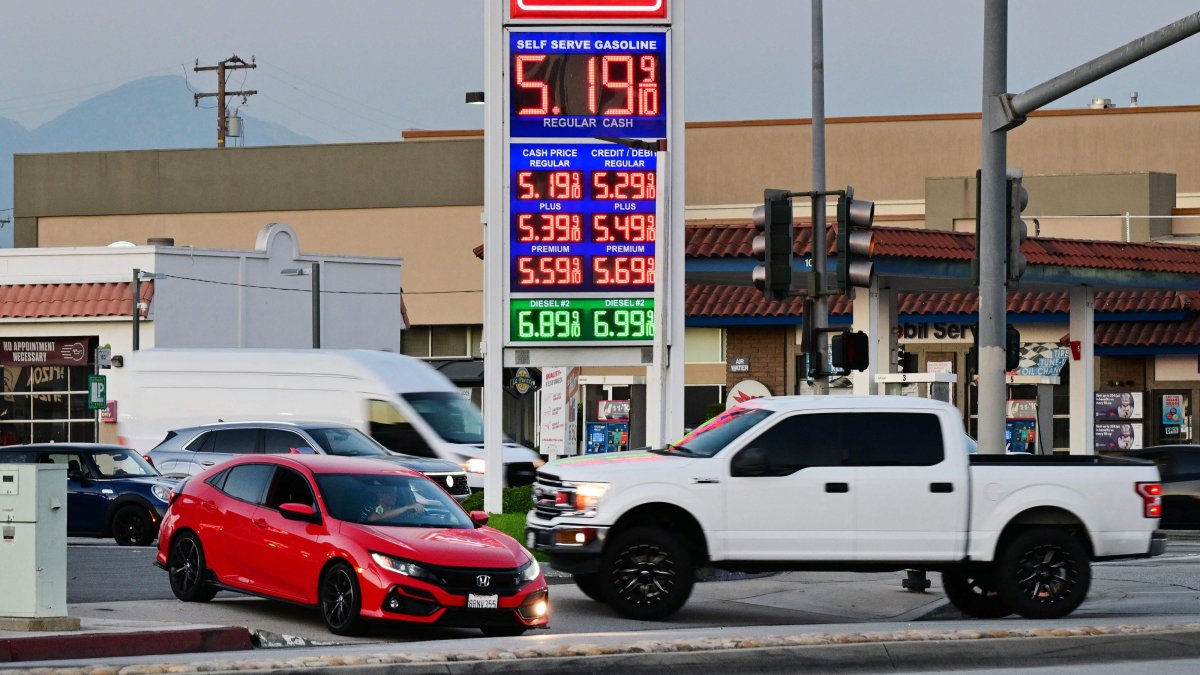
The bump in inflation since the start of 2026 has been driven in large part by higher energy prices, which have soared since the Iran war. Energy prices were a bit lower last month than right after the war began. But even before the energy price shock, inflation was still running above where it should be.Core inflation, a measure that strips out volatile food and energy prices, fell one-tenth of a percentage point to 2.5% for the year ending in July.President Donald Trump has seen his economic approval ratings fall dramatically since he entered office, in large part because of voter discontent with affordability. The higher inflation this year threatens to imperil Republican prospects in this year’s midterm elections.This latest CPI report comes after the Fed voted to hold interest rates steady at its meetings in January, March, April, June, and now most recently at the monetary policy committee’s July meeting. The central bank had cut interest rates three times last year.The past two Fed meetings have been overseen by Warsh, and at the last meeting, the new chairman faced some criticism from Fed watchers for declining to spell out how he will address the market expectations for rate hikes.Many investors think that the Fed will raise rates at least once by the end of the year, but Warsh has been less communicative about his thinking on the matter than some might have expected.Still, Trump has pushed for the opposite to occur — for interest rates to be lowered. But given the hotter inflation prints in recent months, investors think the prospects for a rate cut this year are essentially nonexistent.The president repeatedly criticized former Fed Chairman Jerome Powell for refusing to cut rates, but has so far deferred to Warsh on the matter and placed the blame on the broader Fed board, given that a majority vote is required to move interest rates.There also appears to be a notable divide in thinking on the board itself. Three members of the Fed’s monetary policy committee dissented at the last meeting and said they would have preferred to hike rates.Further adding to the challenging rate calculus is that there have been recent indications that the labor market is softening.The government reported last Friday that the economy lost 23,000 jobs in July, a major surprise to the downside. The report marked the first negative jobs report since February, and followed a trend of increasingly weaker reports since a recent peak in March.FED RATE HIKES LIKELY EVEN WITH WEAKENING JOBS OUTLOOKStill, some experts and Fed watchers told the Washington Examiner this week that the labor market picture is not dire enough for the Fed to avoid rate hikes, given high inflation.The Fed’s next meeting is set for mid-September, and every single inflation and employment report will be closely watched by the committee as it determines whether to raise interest rates.