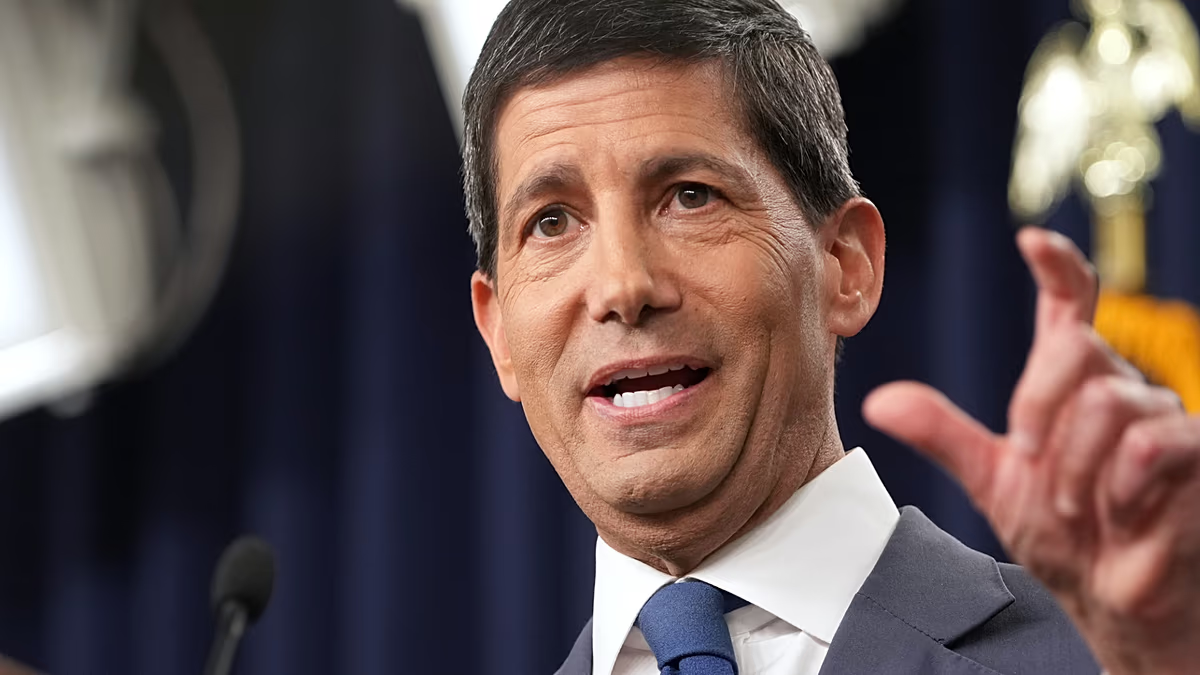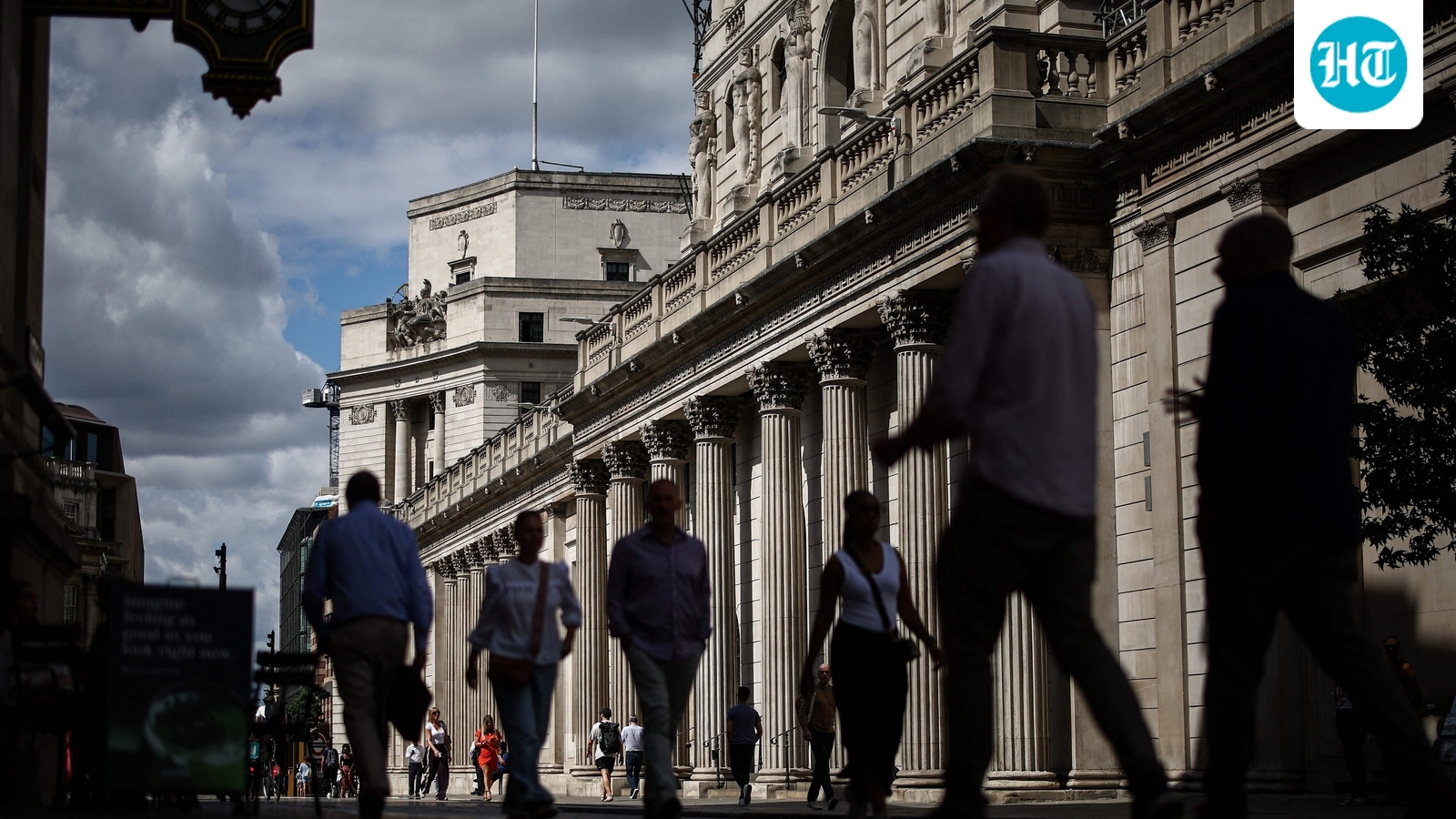
The Federal Reserve's preferred inflation measure, the core Personal Consumption Expenditures (PCE) price index, eased to 3.3% in June from 3.4% in May, according to the US Bureau of Economic Analysis (BEA). June's 3.3% annual core inflation matched what economists had expected, according to FactSet.US core inflation eased to 3.3% in June, but it remains above the Fed's target, keeping a September rate hike firmly in focus for investors. (Photo by Henry NICHOLLS / AFP) (AFP)Even after cooling, core inflation remains well above the Federal Reserve's 2% target. On a monthly basis, core prices rose 0.1% in June, as reported by The New York Times. The overall PCE inflation rate fell 0.1% in June from the previous month and was 3.7% higher than a year ago, according to the Commerce Department.Iran conflict and oil pricesThe drop in inflation came after a brief pause in the Iran conflict helped bring oil prices closer to pre-war levels, reducing pressure on prices during June. However, that relief may not last because fighting resumed in July, pushing oil prices higher again. The United States also carried out strikes on Iran after Iran fired missiles at American bases in Jordan.Analysts say that if the conflict continues, it could push inflation higher again because of rising energy costs, according to The New York Times. Separate data showed the US economy grew at an annual rate of 1.5% in the second quarter. That growth was slower than Wall Street's expectation of 2.1%, according to Forbes. Despite slower economic growth, consumer spending increased at a 3.2% annual rate. Consumer spending makes up about two-thirds of the US economy.Fed keeps rates steadyOn Wednesday, the Federal Reserve kept interest rates unchanged at 3.5% to 3.75%. The Fed has kept interest rates in that range since January, according to The New York Times. Even though rates were left unchanged, three Fed officials voted against the decision and wanted a quarter-point rate hike. The officials who supported a rate hike were Dallas Fed President Lorie Logan, Minneapolis Fed President Neel Kashkari and Cleveland Fed President Beth Hammack.Also read: Intercontinental Exchange to buy MarketAxess in $6B deal, expands bond tradingTheir dissent shows that some policymakers are becoming more concerned that inflation is still too high. Minutes from the Fed's June meeting showed that "many" participants said interest rates would be "within or slightly below" their current range by the end of the year, despite "many other" officials assessing that interest rates would likely be higher.September Fed rate decisionMarkets are now closely watching the September Fed meeting for signs of the next policy move. According to the CME FedWatch Tool, traders currently see a 59.2% chance of a Fed rate hike in September. The same tool shows the probability of a rate hike rising to 71% in October. By December, traders see an 83.5% chance that the Fed will have raised interest rates.Fed Chair Kevin Warsh has repeatedly stressed that the central bank remains focused on controlling inflation. Warsh said the Fed has "zero tolerance for what he called 'persistently elevated inflation", according to Forbes. He also said the Federal Reserve has a "resolute commitment to restoring price stability," and that bringing inflation down remains its top priority.Warsh described the US economy as "impressive," saying it has remained resilient despite Middle East tensions affecting trade and prices, as quoted by Forbes. He also said the "most striking" feature of the economy is the strength of its business investment, helped by rising spending on artificial intelligence (AI).What happens nextAfter Wednesday's policy meeting, Fed Chair Kevin Warsh said the lower inflation data for June was not a major reason behind the decision to keep interest rates unchanged. Some investors believe Warsh was too cautious and are unsure whether the Fed will act quickly if inflation remains high. After the Fed's decision, long-term US government borrowing costs rose, and investors delayed their expectations for future interest rate hikes, according to The New York Times.Expectations for inflation over the coming years also moved higher after the Fed meeting. The Federal Reserve's next policy meeting is scheduled for mid-September, when officials will have two more months of inflation and economic data before deciding whether to raise interest rates.Fed officials have indicated that if inflation does not continue to cool over the next two months, they may need to tighten monetary policy. In recent weeks, several Fed policymakers have said they need to see inflation improve "soon" before feeling comfortable keeping rates unchanged.
US core inflation eases to 3.3% in June as September Fed rate hike remains in focus
US core inflation eased to 3.3% in June, but it remains above the Fed's target, keeping a September rate hike firmly in focus for investors. | Business News
743 words~3 min read