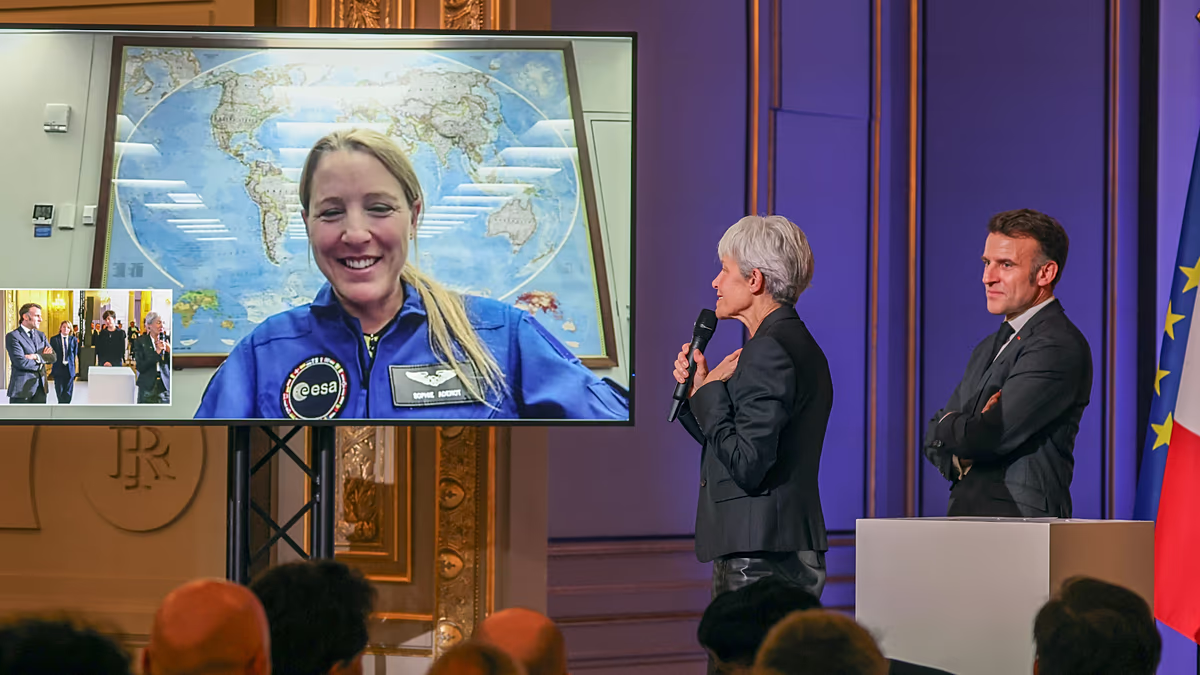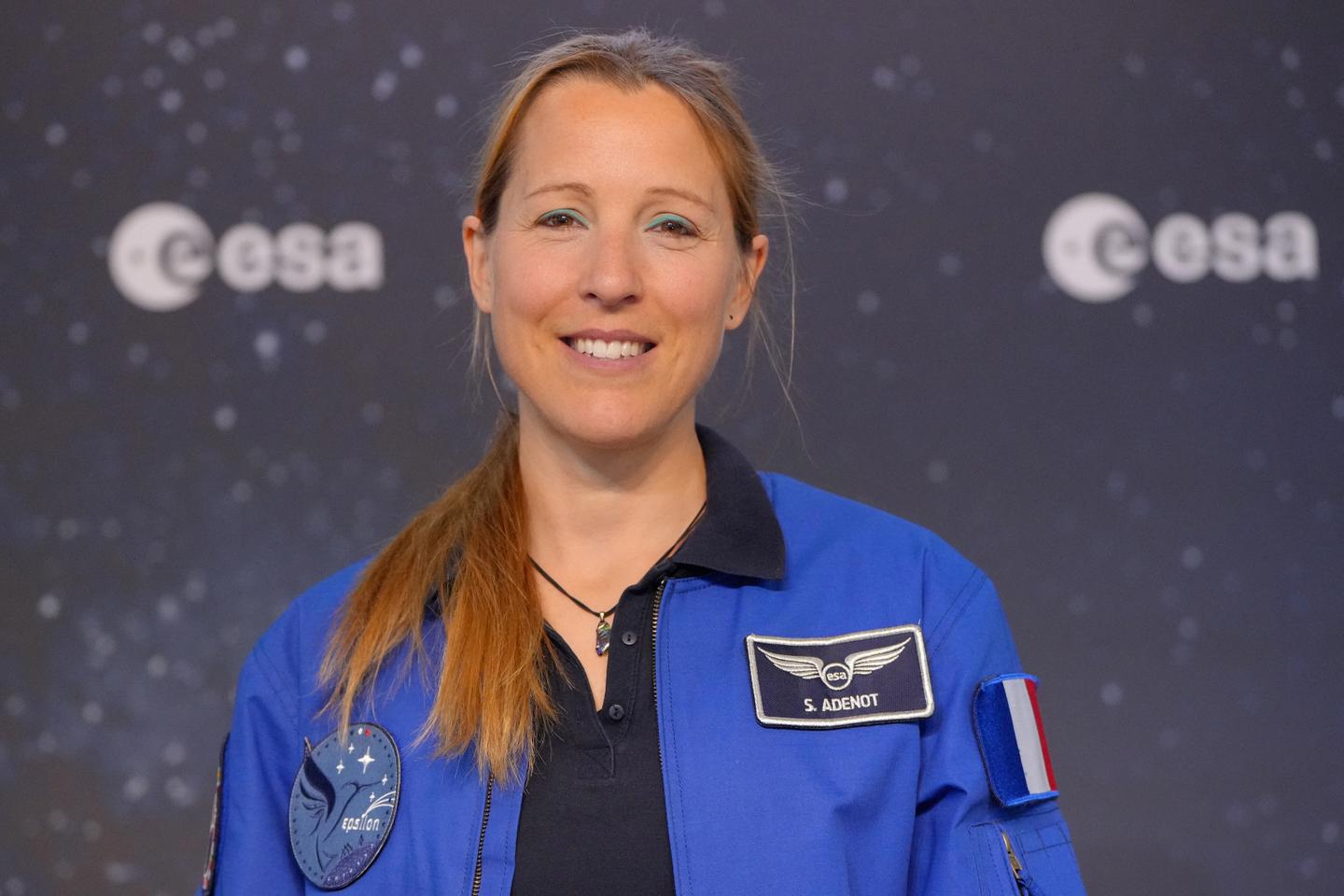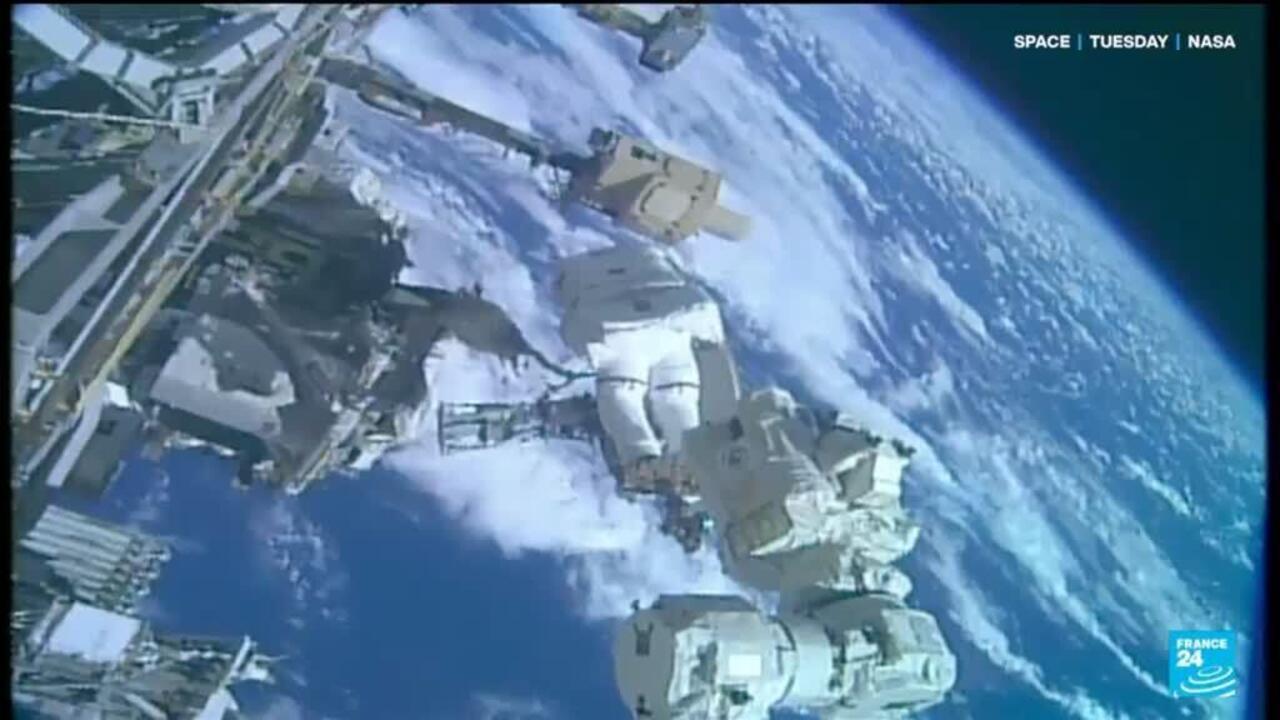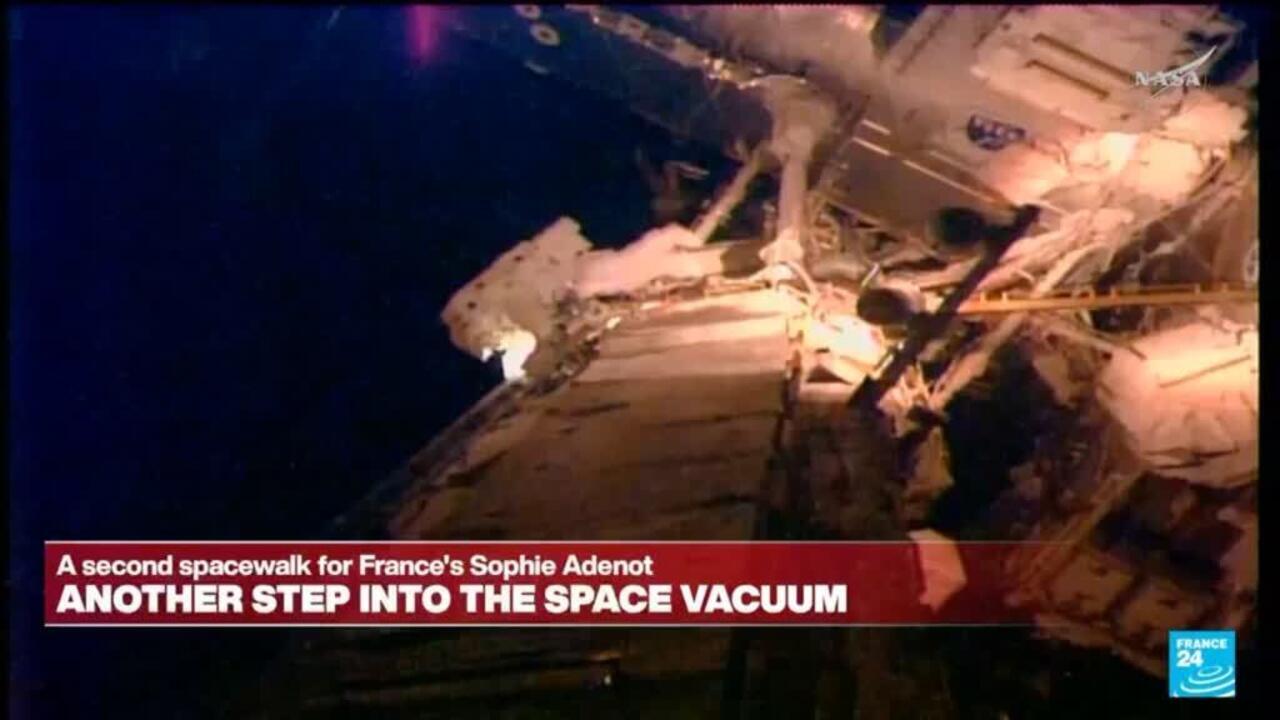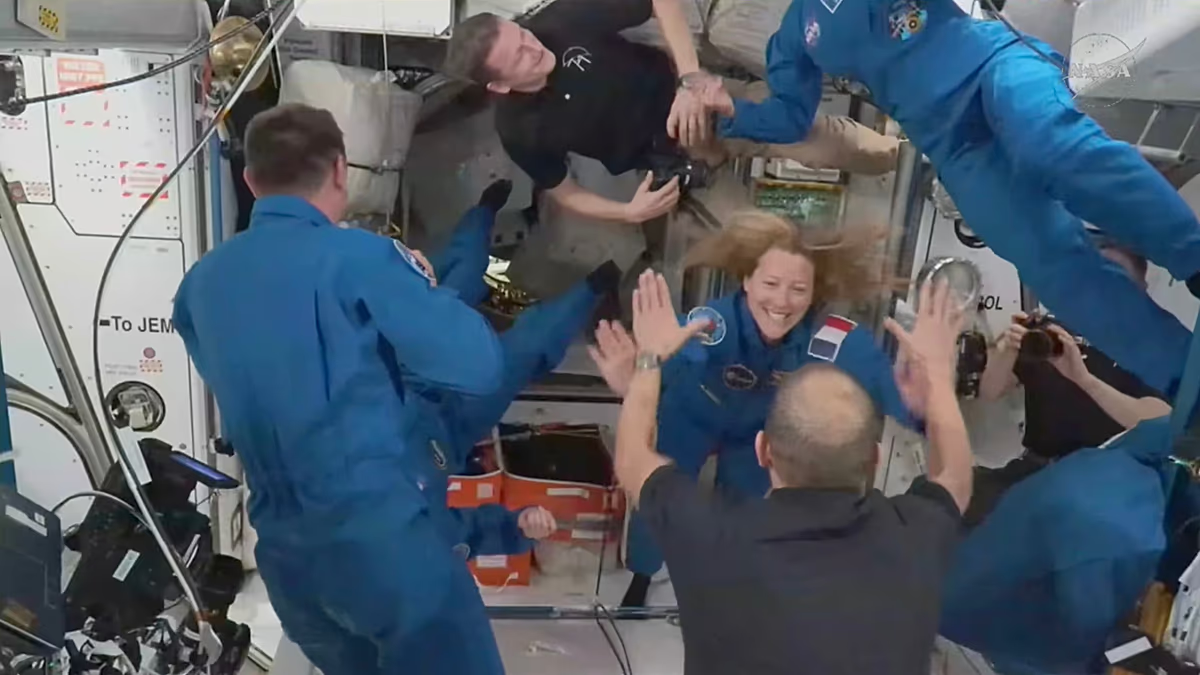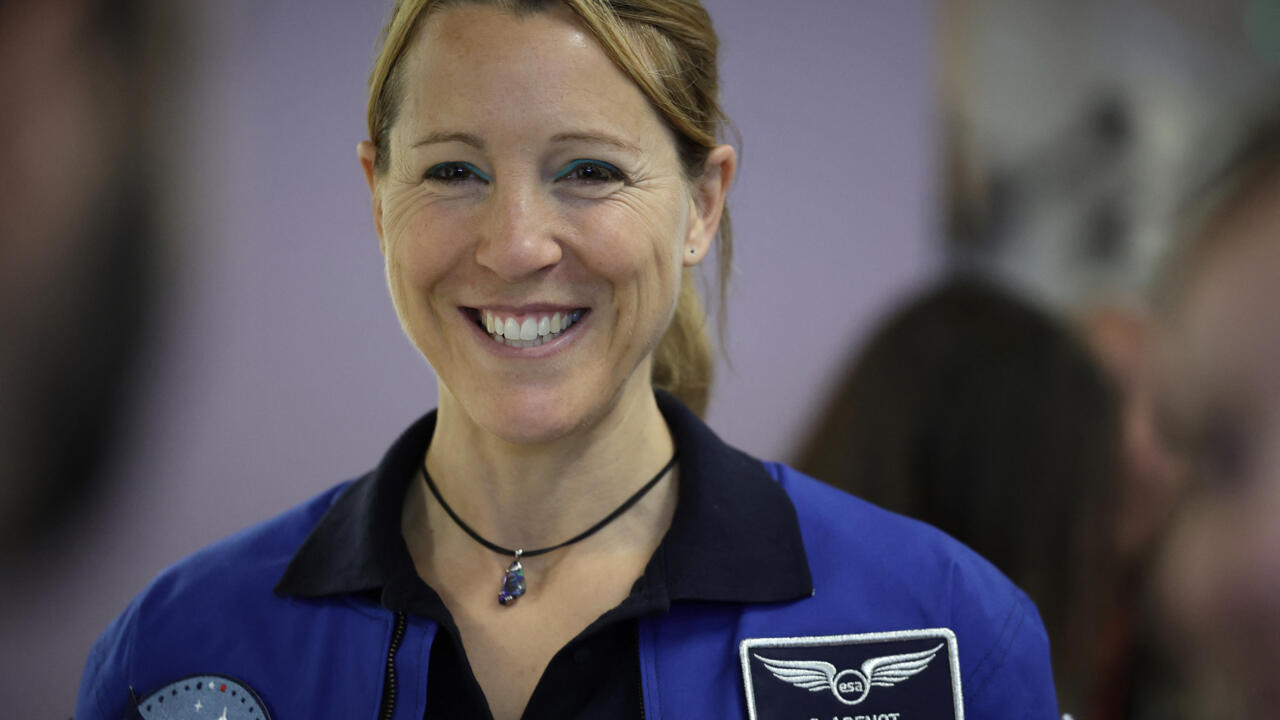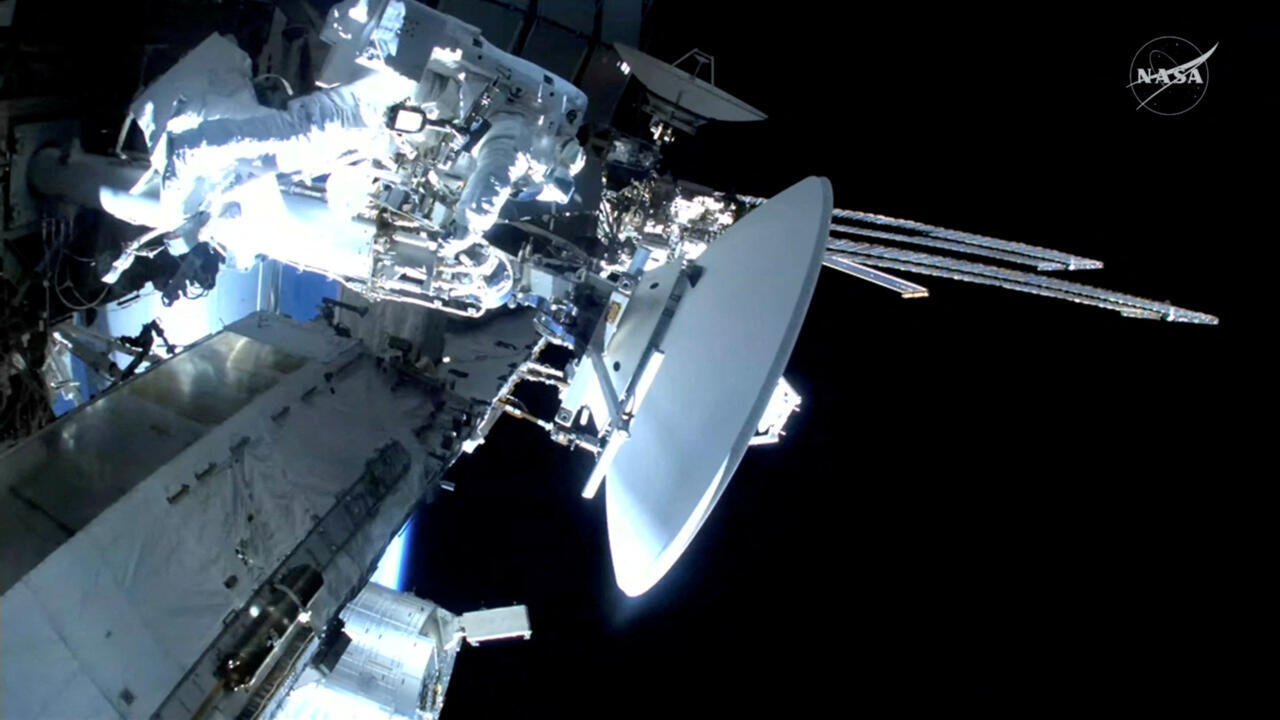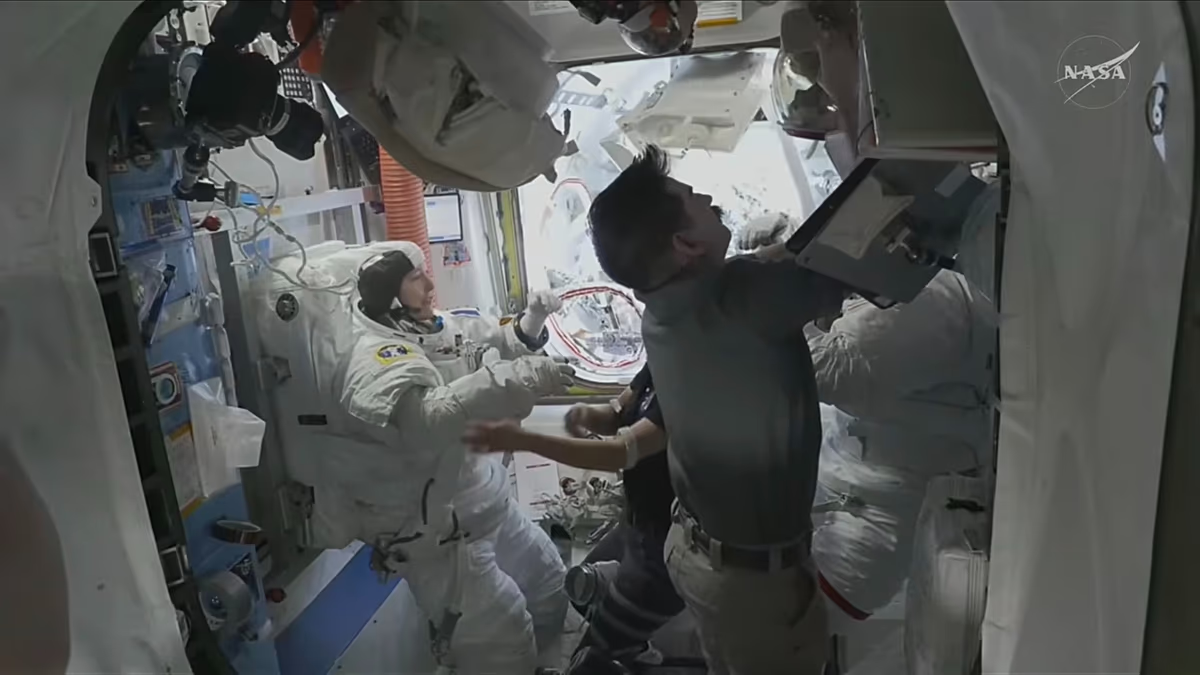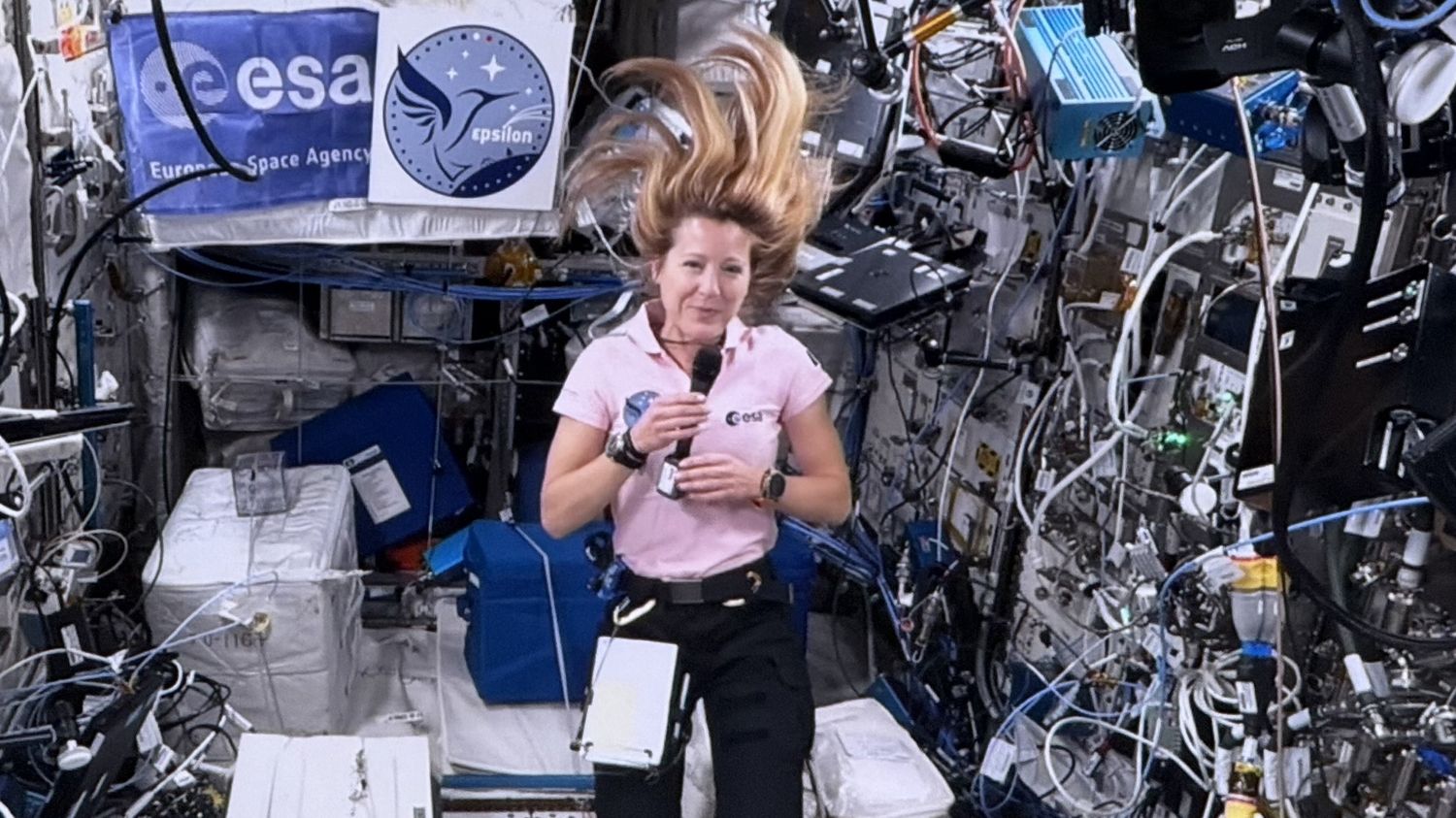
French astronaut Sophie Adenot made history this month as the first French woman to perform a spacewalk. Back on Earth, space enthusiasts across France are finding their own ways to reach for the stars. In the third of a five-part series, RFI hears from volunteers in south-west France who are searching for meteorites as part of a citizen science project designed to help researchers recover fragments from space.
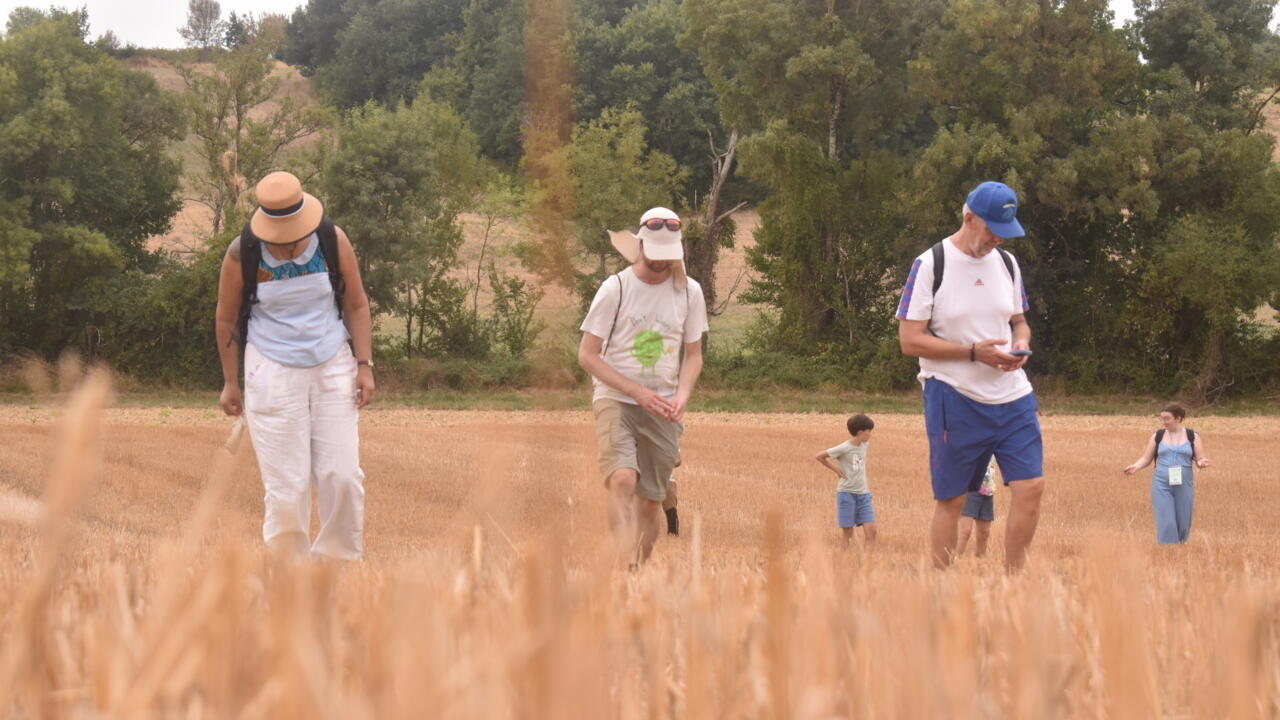
At the Fleurance Astronomy Festival in south-west France, 50 volunteers have gathered across four freshly cut fields of wheat. The group, kitted out in caps, rucksacks and trainers, includes space enthusiasts as well as families with young children. The volunteers have been told that a meteorite fell to Earth during the night, just a few hundred metres from where they are standing. “We saw a huge flash of light at an altitude of 30 kilometres, then the fireball broke into many pieces. The aim is to find them,” said planetary scientist Sylvain Bouley, who is leading the search. This meteorite hunt is actually just an exercise, a fact the volunteers are aware of. An hour before the public arrived, Bouley hid 20 meteorite fragments across the fields. The group then split into four teams and began searching. The task quickly proves tougher than it first appears. The fragments are no bigger than a dice and the search area covers about five hectares. “When we have to find a two-centimetre stone over such a large area, we need members of the public – citizens who've learned how to observe,” Bouley said. “So the aim is to train people all over France so we can call on them when a real meteorite falls to Earth.” That is not a hypothetical scenario. In February 2023, a 650-kilogramme fireball broke apart over Normandy and scattered around 100 fragments across an area seven kilometres wide. Within hours of the impact, Bouley and his team had gathered 200 volunteers to search the area. Several pieces were found.