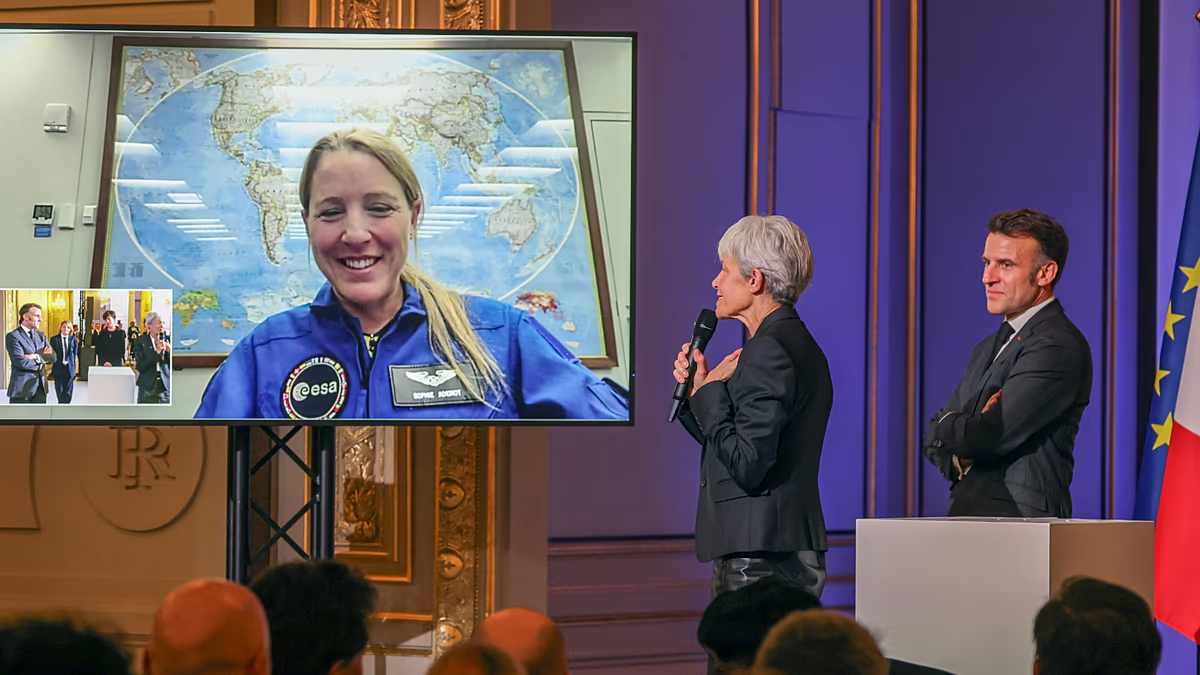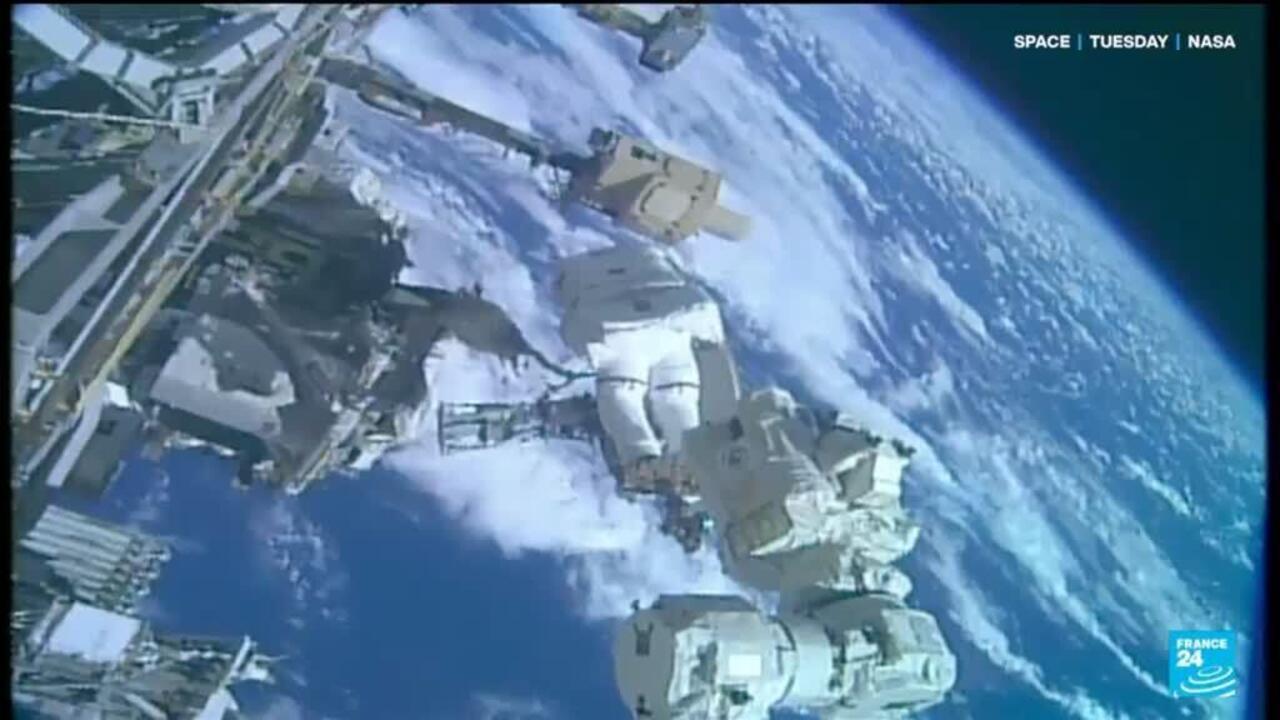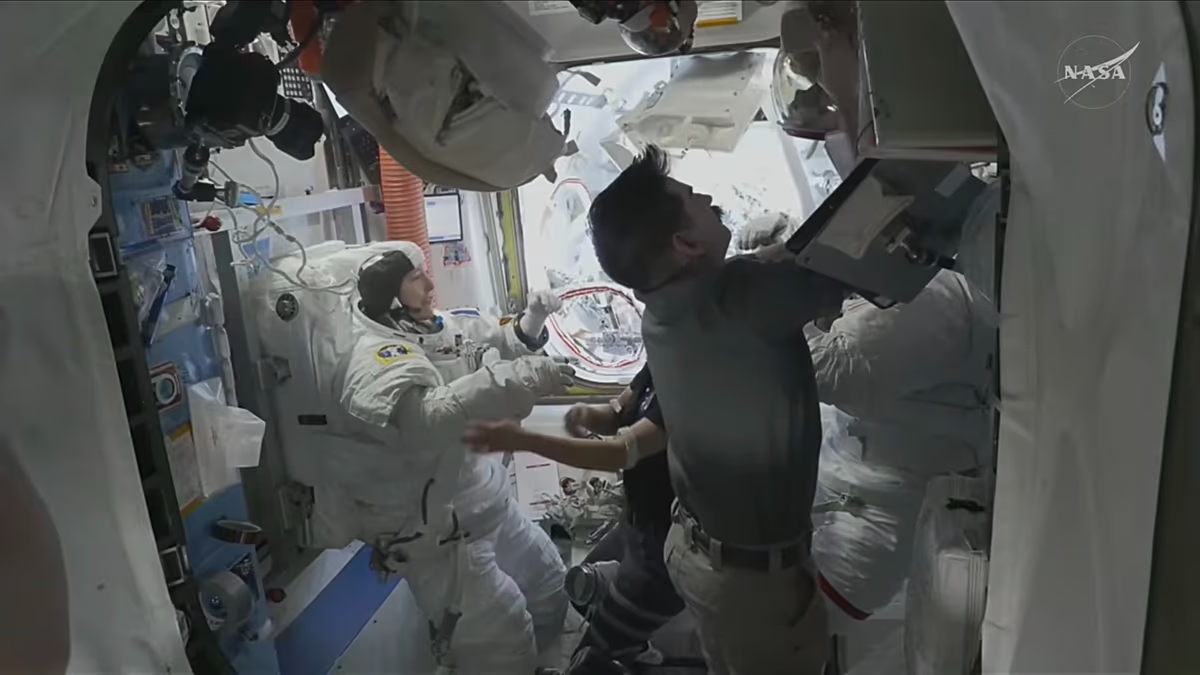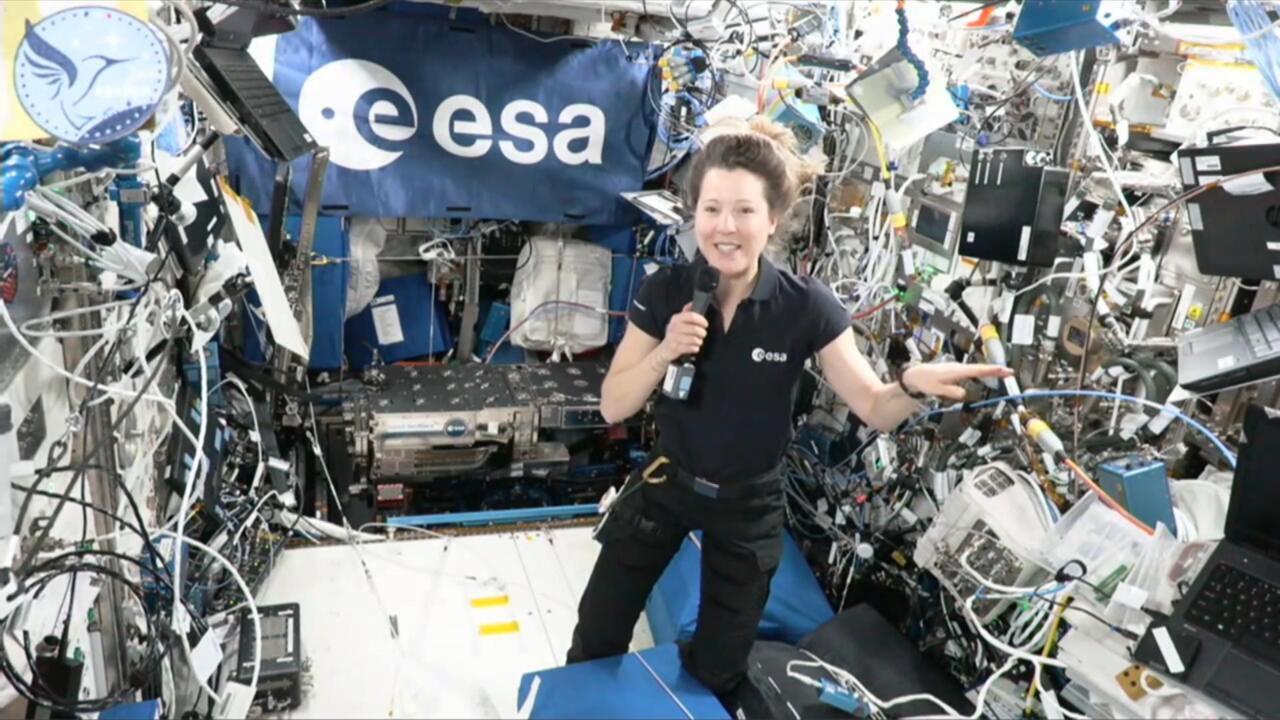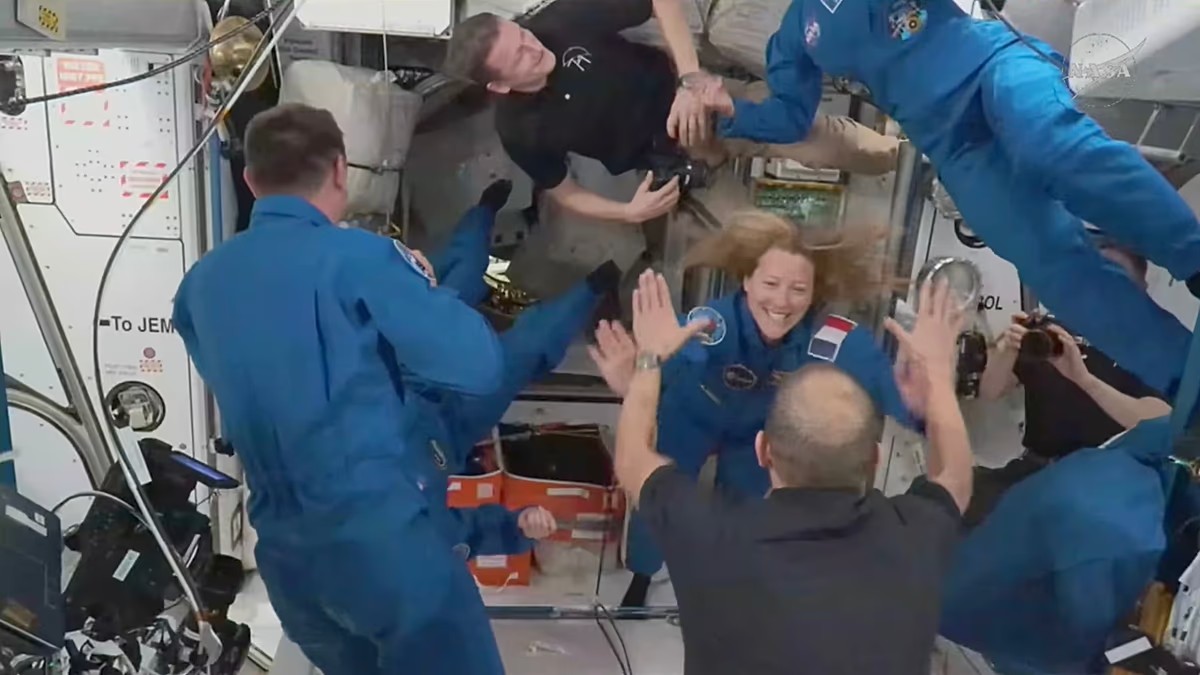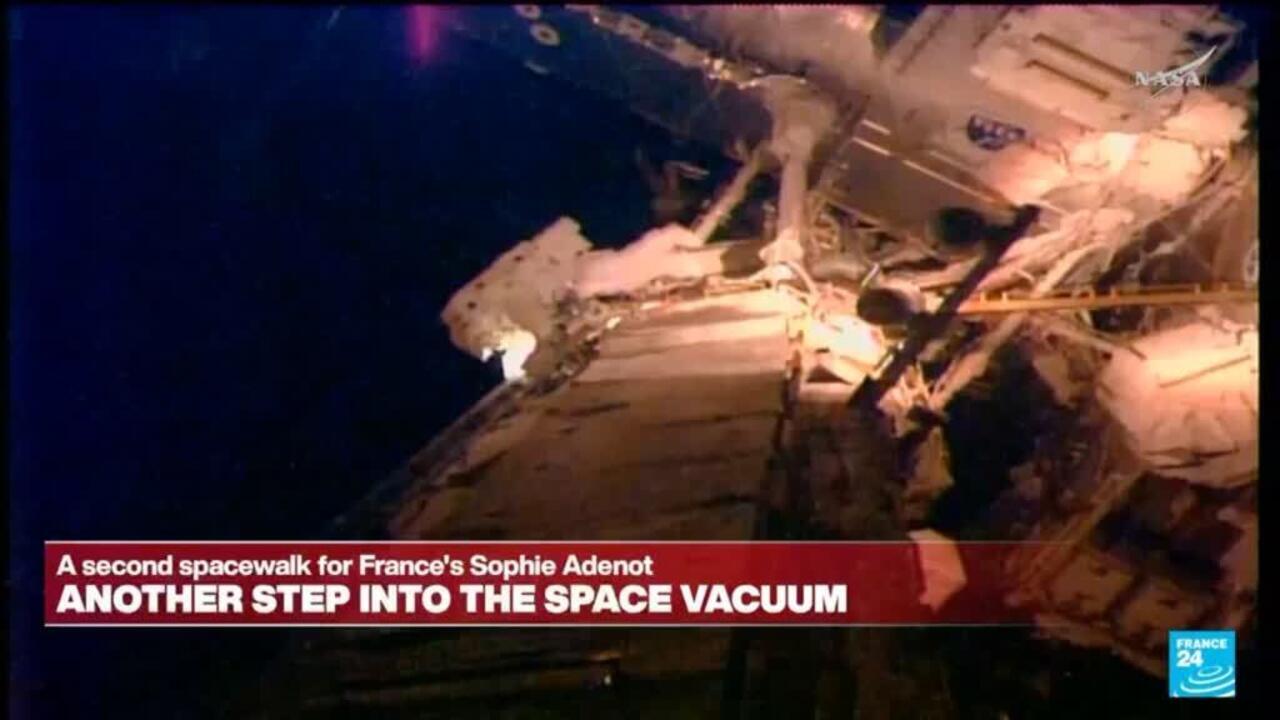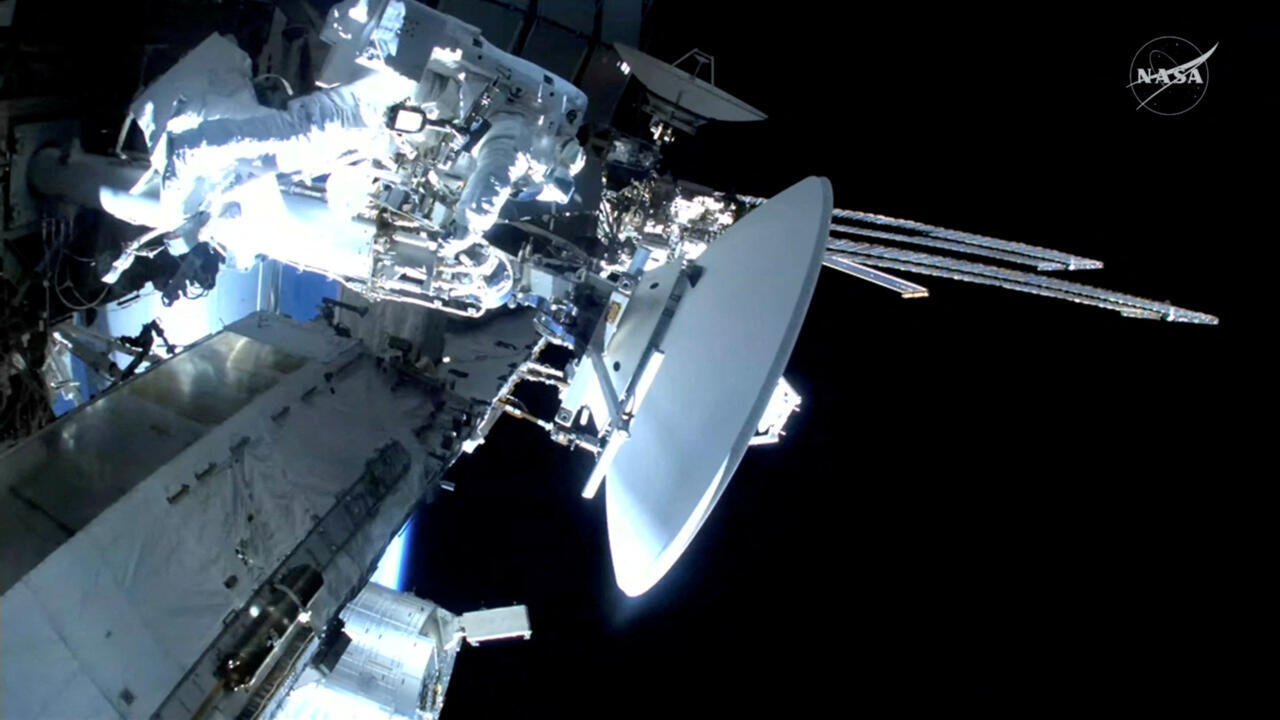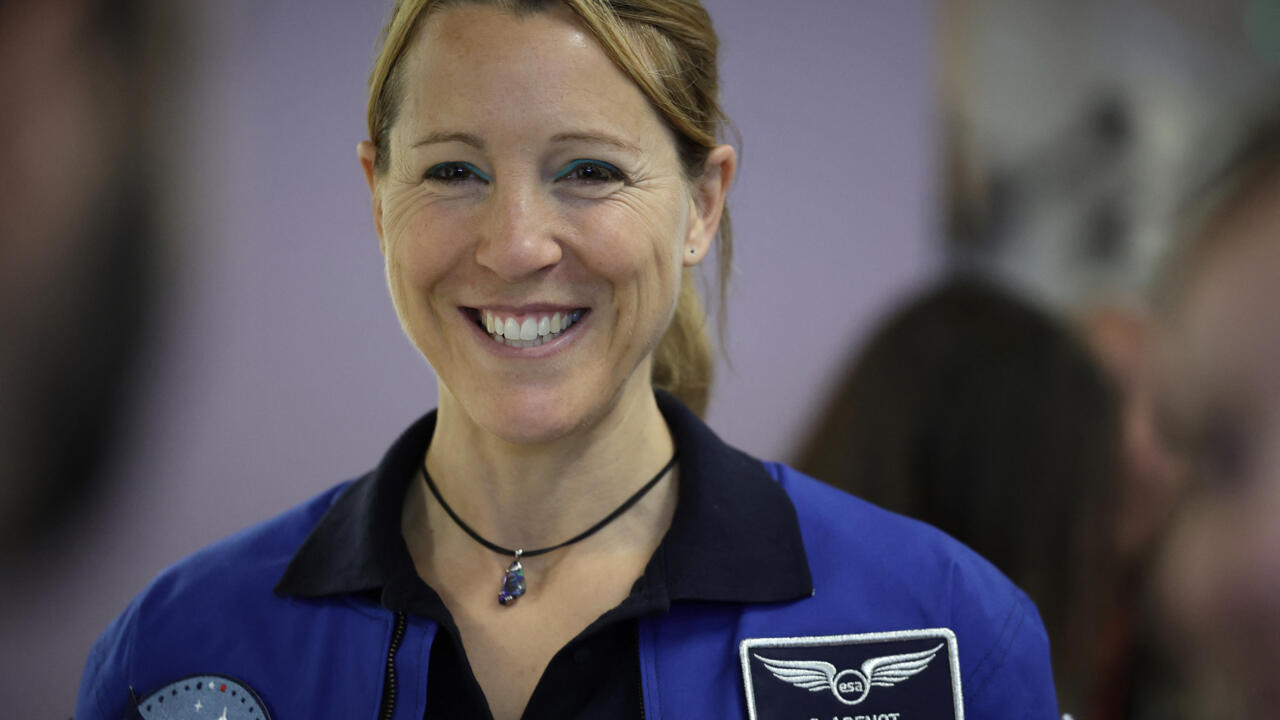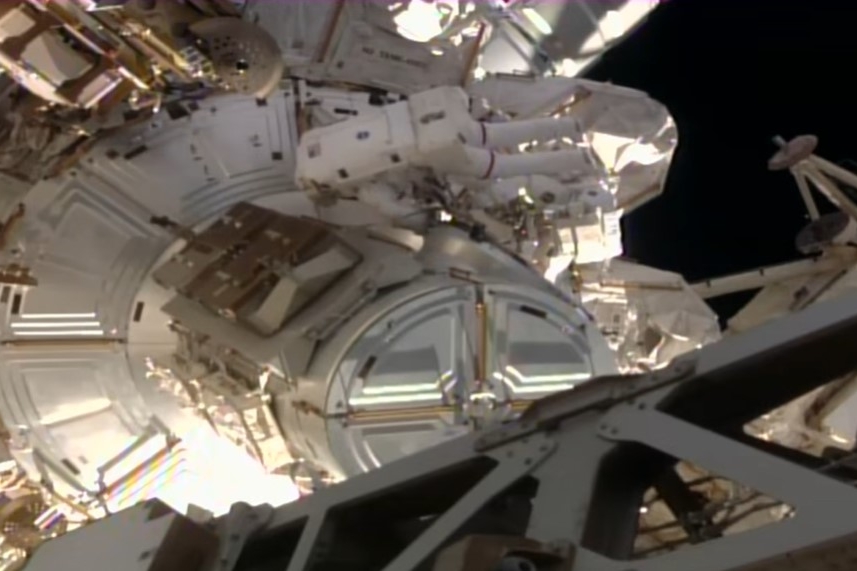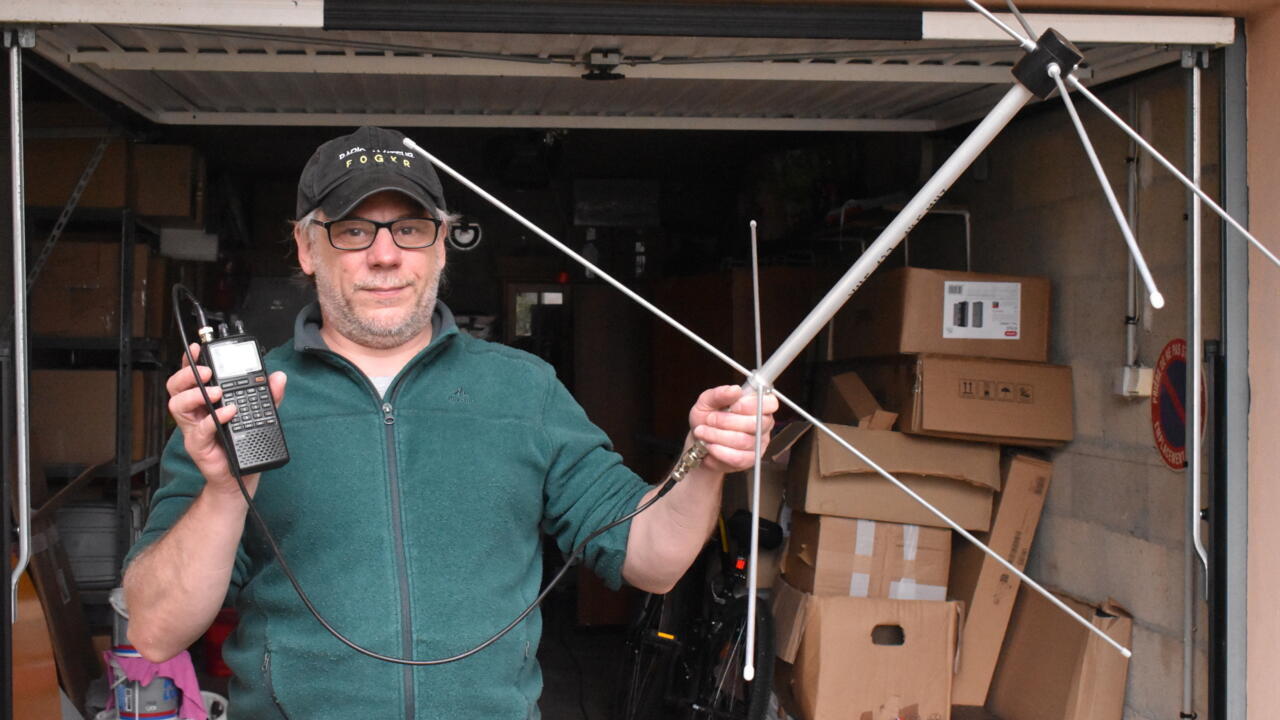
Astronaut Sophie Adenot made history this month as the first French woman to perform a spacewalk. Back on Earth, space enthusiasts across France are finding their own ways to reach for the stars. In the second episode of a five-part series, RFI hears from Vincent Plousey, a radio ham from Tavaux in eastern France whose hobby is picking up signals from the ISS using homemade antennas built in his garage.
On his identity card, he is Vincent Plousey. On the airwaves, he goes by "F0GXR" – spelled out as "Foxtrot, Zero, Golf, X-ray, Romeo" in the international radio alphabet, a callsign he also wears stitched on to his cap. Plousey has been roaming the radio waves since he was 10 years old. It began with his father's radio set, which could pick up shortwave signals carrying foreign stations. "By turning the dials, I came across Radio Moscow, Voice of America, Vatican Radio, RFI," he said. "It was an immediate shock, because from my suburb of Paris, I had access to the whole world." This fascination grew into a lasting passion for amateur radio. In 2024, France had 15,000 radio amateurs and 400 active radio clubs, according to the National Frequency Agency (ANFR), the French regulator that issues licences once applicants pass a mandatory exam. Plousey got his in 2012. 'Real moment of happiness' Since then, the 50-something astro-enthusiast has broadened his horizons. No longer content just to listen to radio stations from around this planet, he tracks down signals arriving from space – particularly from satellites. In April 2026, standing outside his garage with an aerial and a receiver, Plousey managed to pick up an exchange between the French astronaut Sophie Adenot and school pupils on Earth, as the International Space Station (ISS) passed over France. "At the start, there's always a moment of nerves because of the connection delay," he explains. "The real moment of happiness is when you hear it perfectly." Plousey stressed just how simple making contact can be: "With a simple receiver and a telescopic aerial, you can pick up the station in two minutes, and that's brilliant."