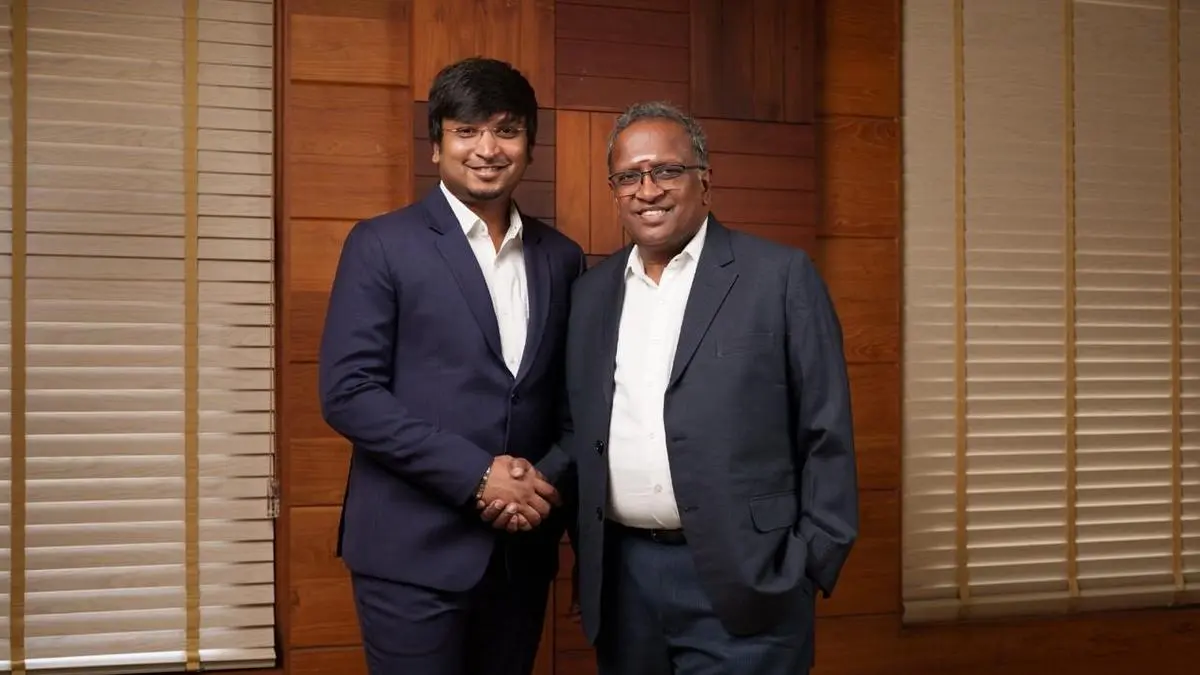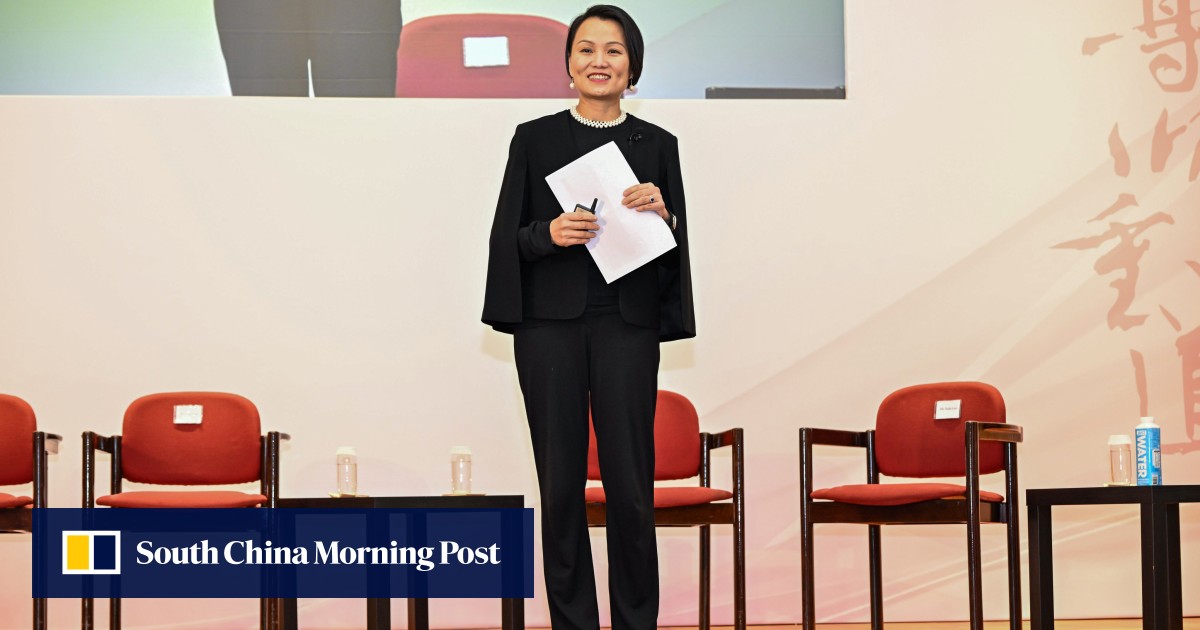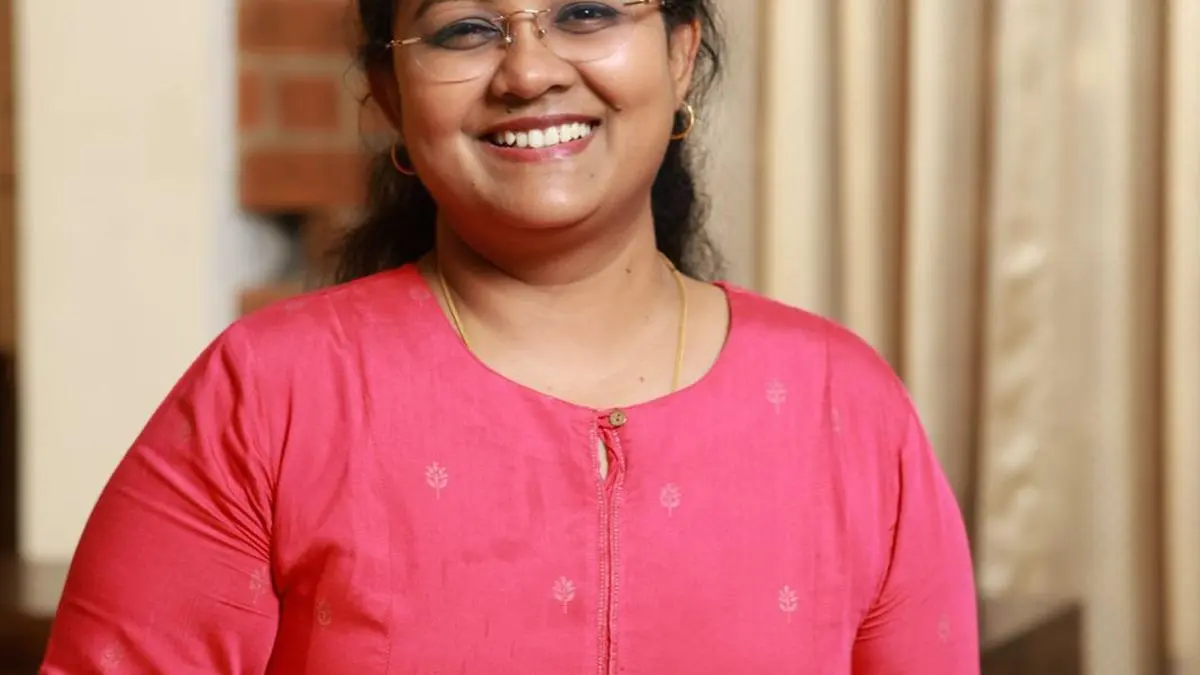
Nalini Parthiban, Co-founder and CEO, Sweet Karam Coffee,
Chennai-based snacking brand Sweet Karam Coffee is looking to more than double its revenue in the current fiscal year as it grows from a South India-focused D2C player into a pan-India omnichannel sweet and snacks brand.Speaking to businessline, Nalini Parthiban, Co-founder and CEO, Sweet Karam Coffee, said that the company hopes to become the ‘voice of the South’ at a time when many of the big incumbent brands in India focus on products with a more mainstream pan-India palette.Sweet Karam Coffee has seen an exponential growth post the Covid-19 pandemic which, as Parthiban puts it, brought about a ‘quick commerce revolution’ that made it possible to take products to national markets. The brand closed FY26 with a 3X year-on-year growth in topline, the Co-founder said, without revealing exact figures. Founded in 2015, the brand’s portfolio includes South Indian sweet and savoury offerings such as Mysore Pak, Athirasam, Murukku and Mixtures alongside filter coffee blends.The predominant growth lever for the company, going forward, will be entering new geographies. “Almost 50 per cent of our sales now is from non-South markets. Quick commerce has helped democratise the distribution —which means sitting in Chennai, I could get access to two cohorts of consumers. South Indians in South India and other parts of the country as well as North and other pan India customers. So we were seeing more and more traction across the country,” she said. Sweet Karam Coffee may have started out as an online-first brand, but is growing as an omnichannel player with store-in-store formats in large retail stores as well as other physical channels including general trade, hotels and vending machines planned in the coming months. On the product side, Parthiban suggests that while the brand will definitely go deeper in sweets and other categories, it is also exploring entering adjacent South Indian food categories. She did not specify on which new categories it plans to enter.Though it initially worked in a contract-manufacturing type model, the company has since scaled up its own units. “We have facilities across the entire southern belt. In fact, we now control almost all our facilities. The objective is to have an organised play in the fragmented South Indian snacks manufacturing ecosystem,” she said.The brand has also taken South Indian flavours global with an entry into the US through both online and physical retail channels, an expansion that is still in fairly nascent stages. Published on August 26, 2026