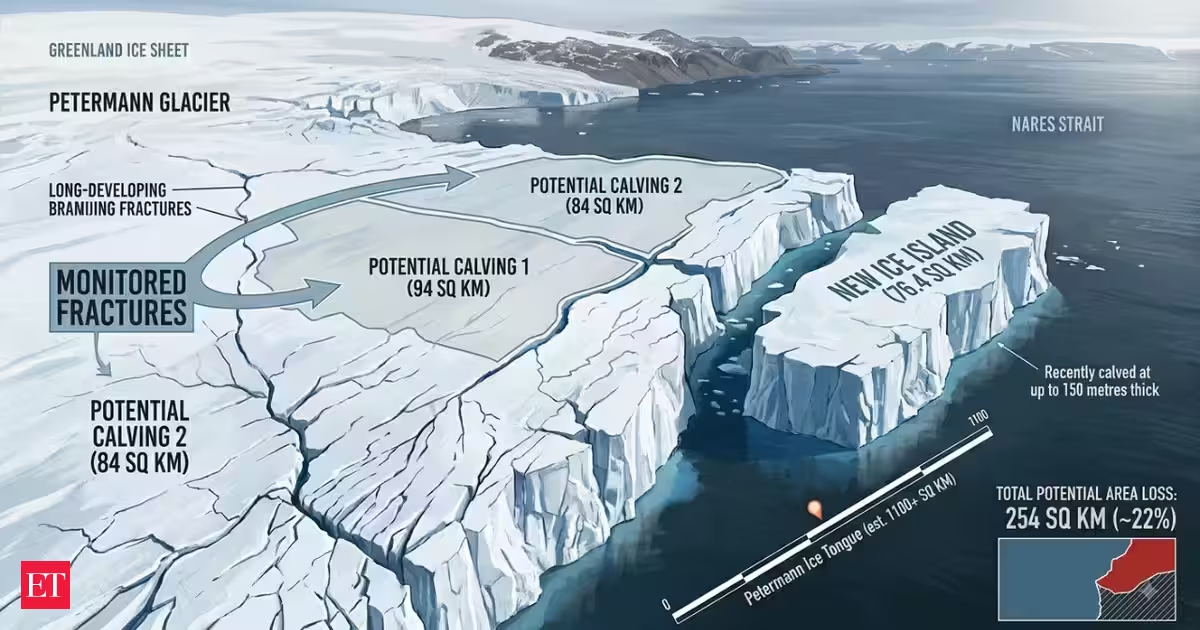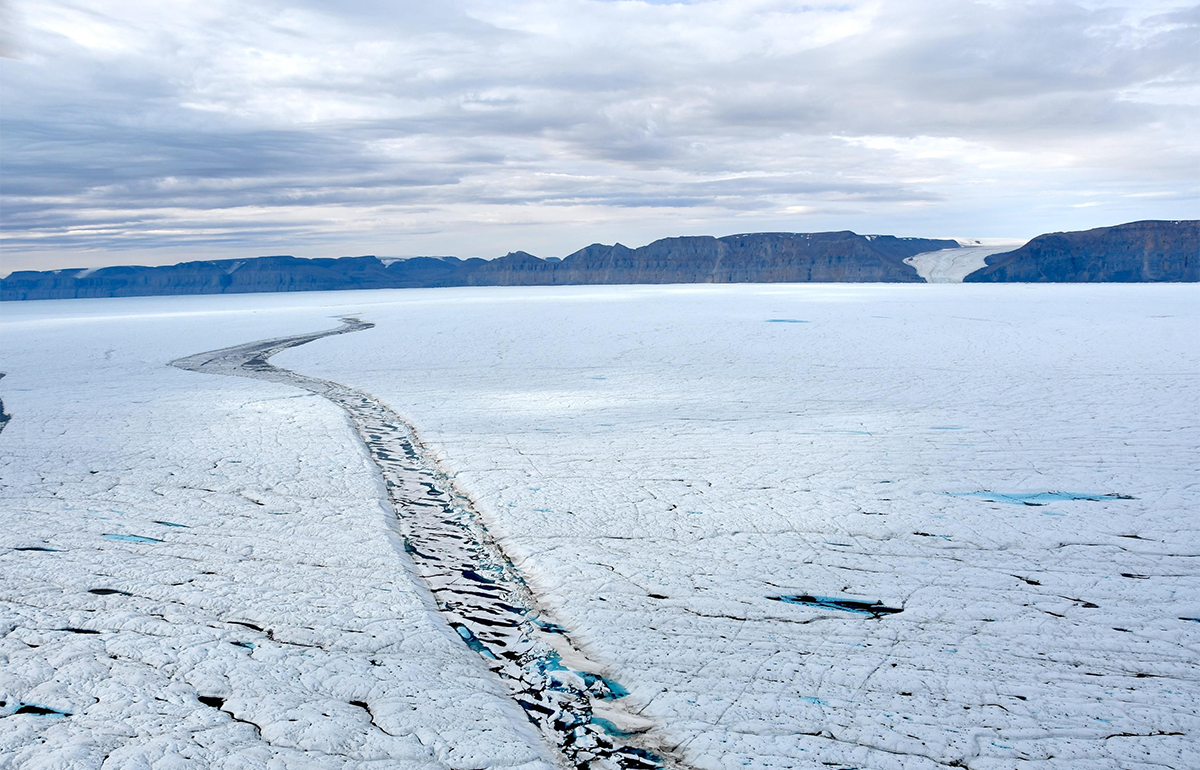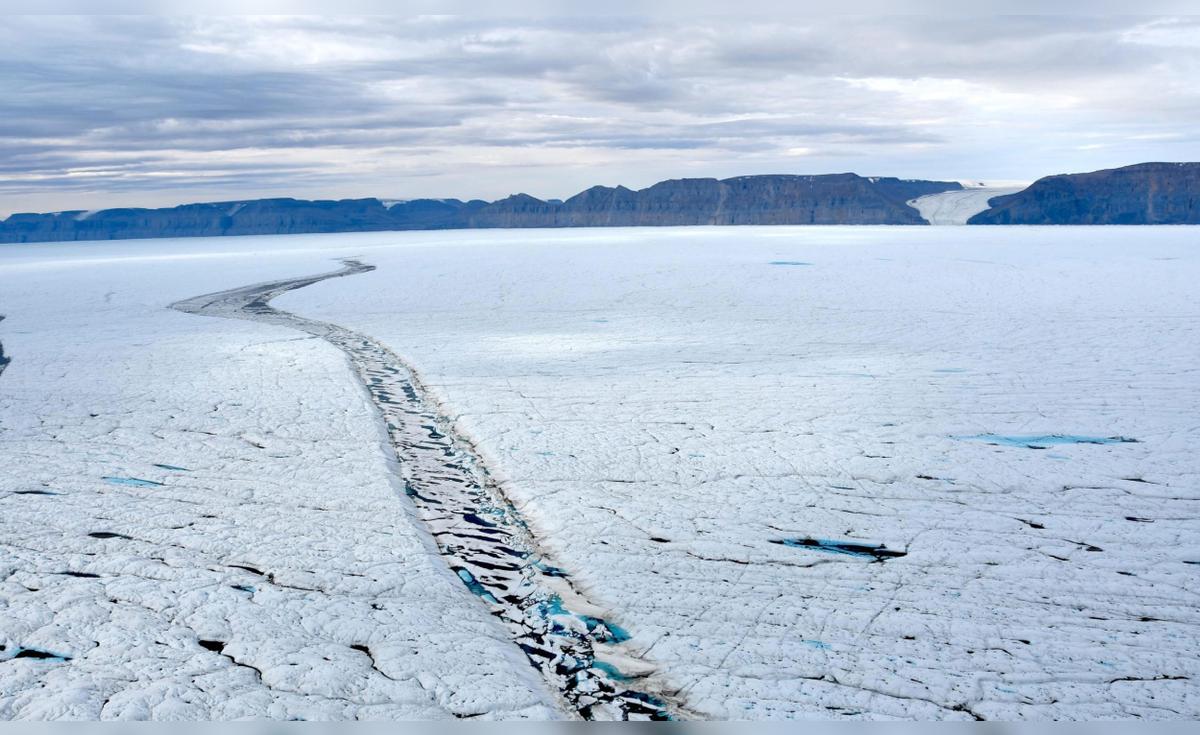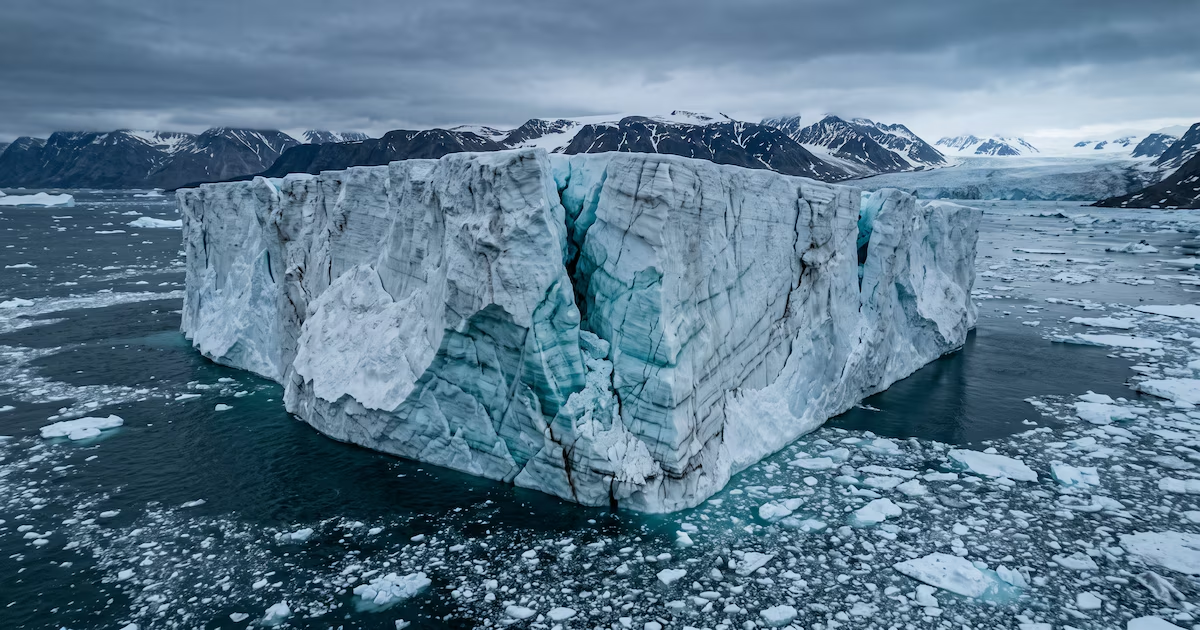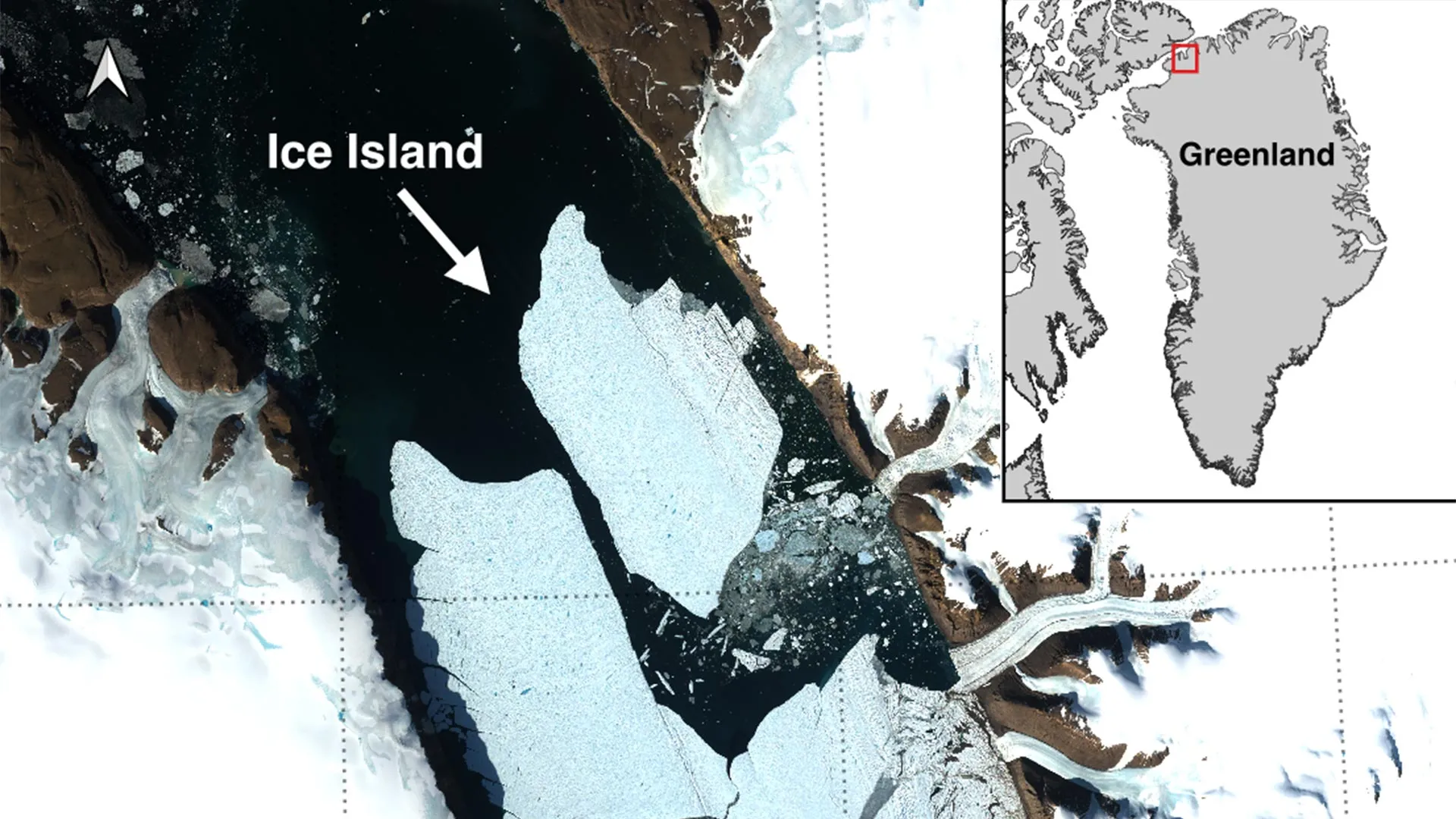
An international team of researchers, led in part by the University of Ottawa, has documented a major calving event at Petermann Glacier in northwest Greenland. On August 4, 2026, the glacier released a 76.4 km2 ice island, its largest loss of floating ice since 2012 and the biggest Arctic calving event since 2020.
The newly separated tabular iceberg broke away from Petermann Glacier's floating ice tongue and may be as much as 150 meters thick. Its surface area is roughly comparable to Manhattan Island, giving scientists a rare opportunity to observe how enormous Arctic ice masses develop, move through the ocean and eventually fragment.
The event was identified by Adam Garbo, a PhD student in glaciology at uOttawa's Department of Geography, Environment and Geomatics. The discovery is part of an ongoing collaboration involving the University of Ottawa, the University of Stirling, Environment and Climate Change Canada, Lancaster University, and the University of Leeds.
Satellite Monitoring Revealed Years of Growing Instability
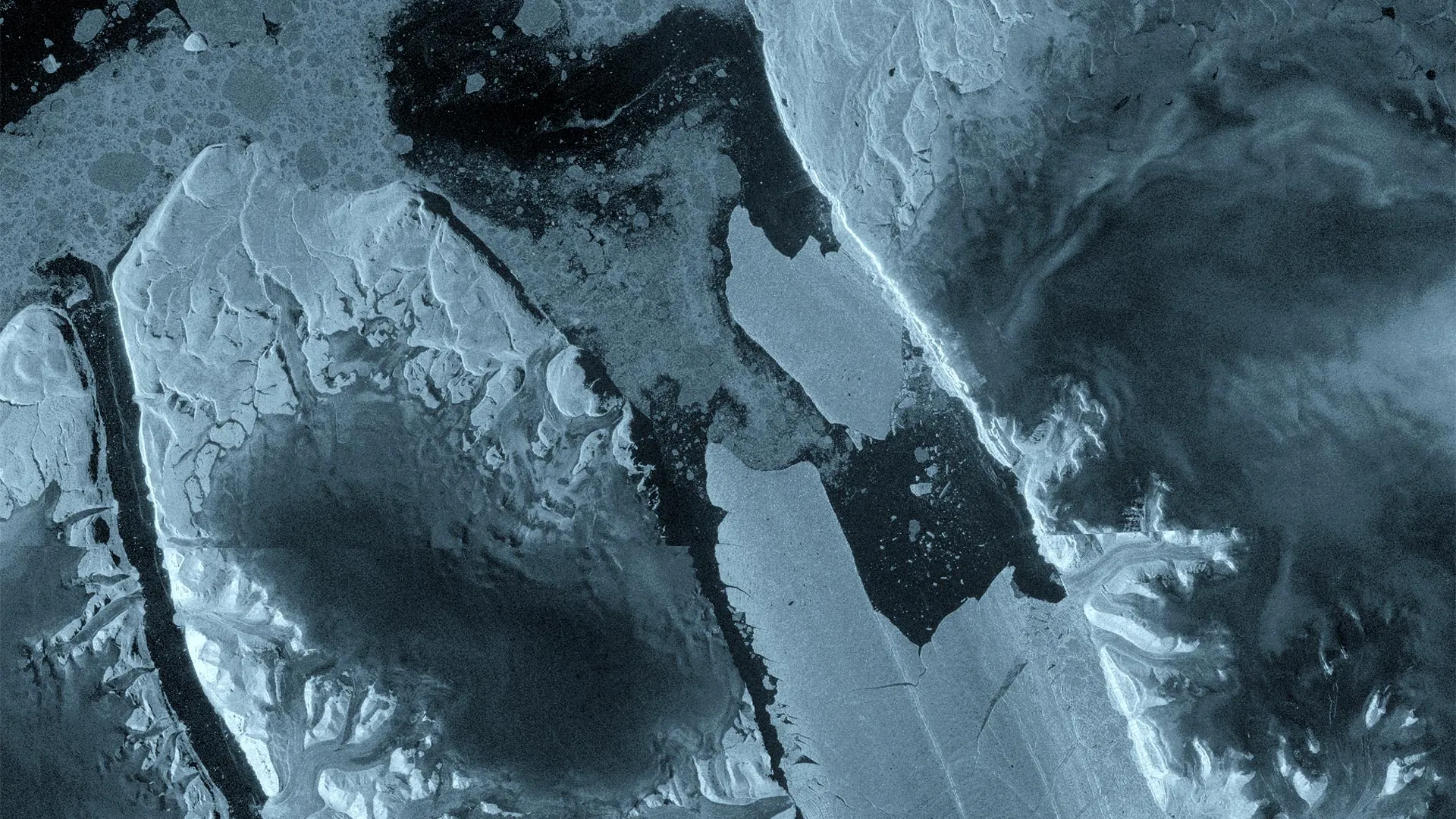
Scientists have been tracking changes at Petermann Glacier with long-term satellite observations since 2019. Over that period, they closely followed the condition of the glacier's floating ice tongue, recording the expansion of fractures and watching for signs that a major section might eventually break away.