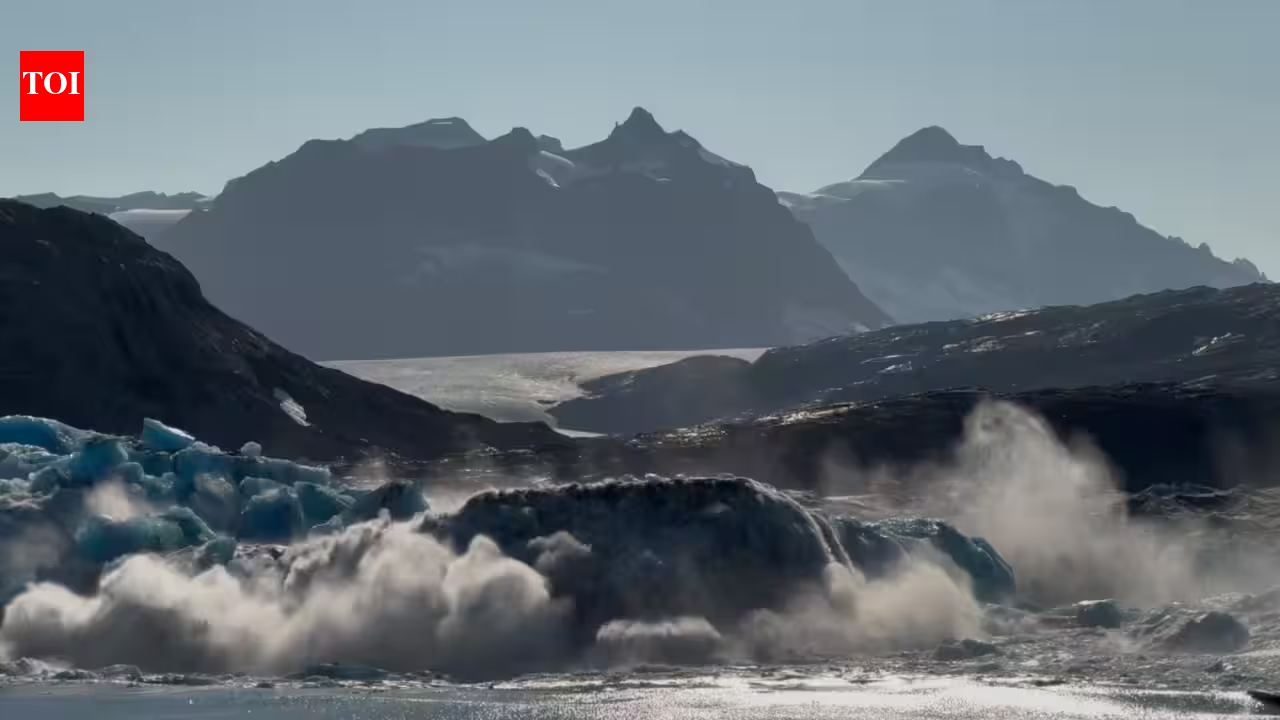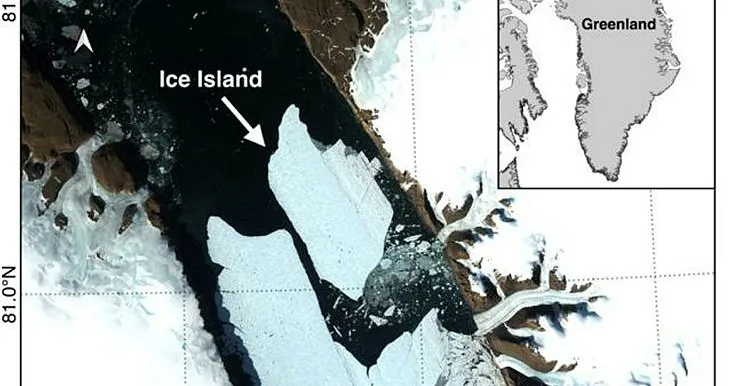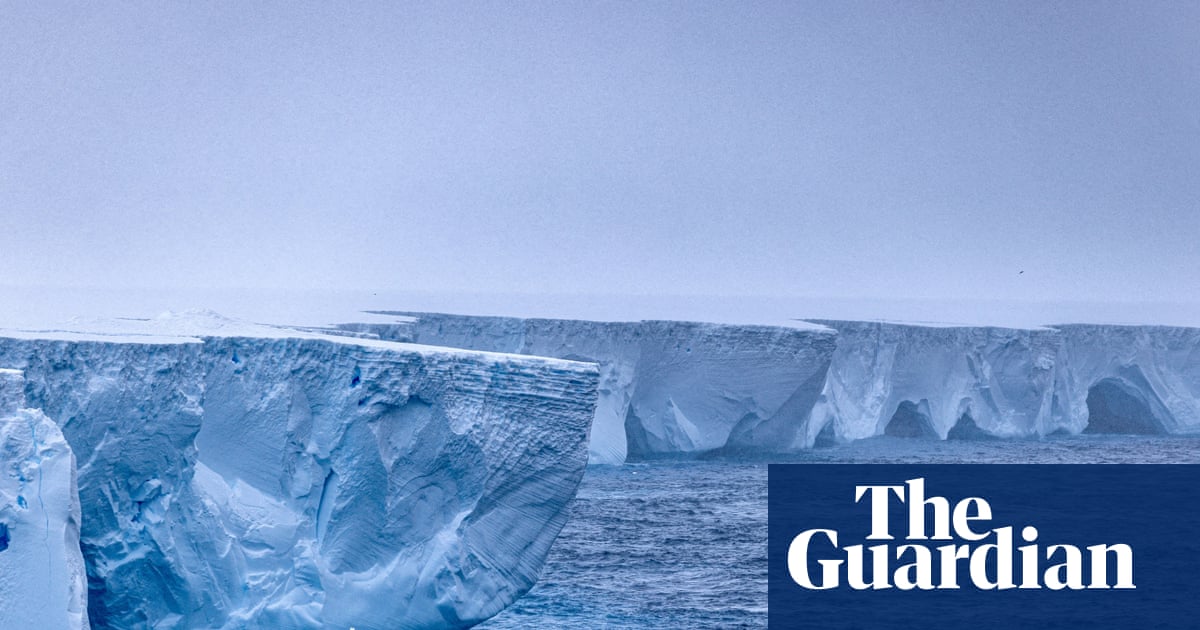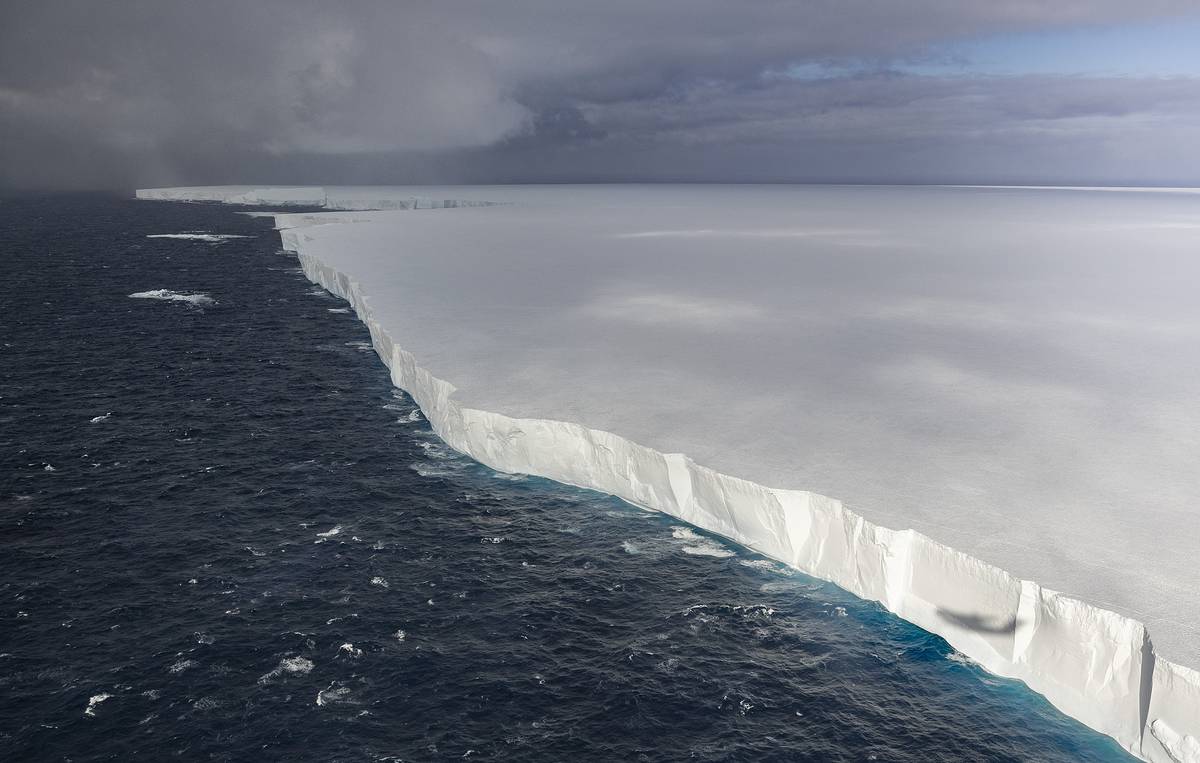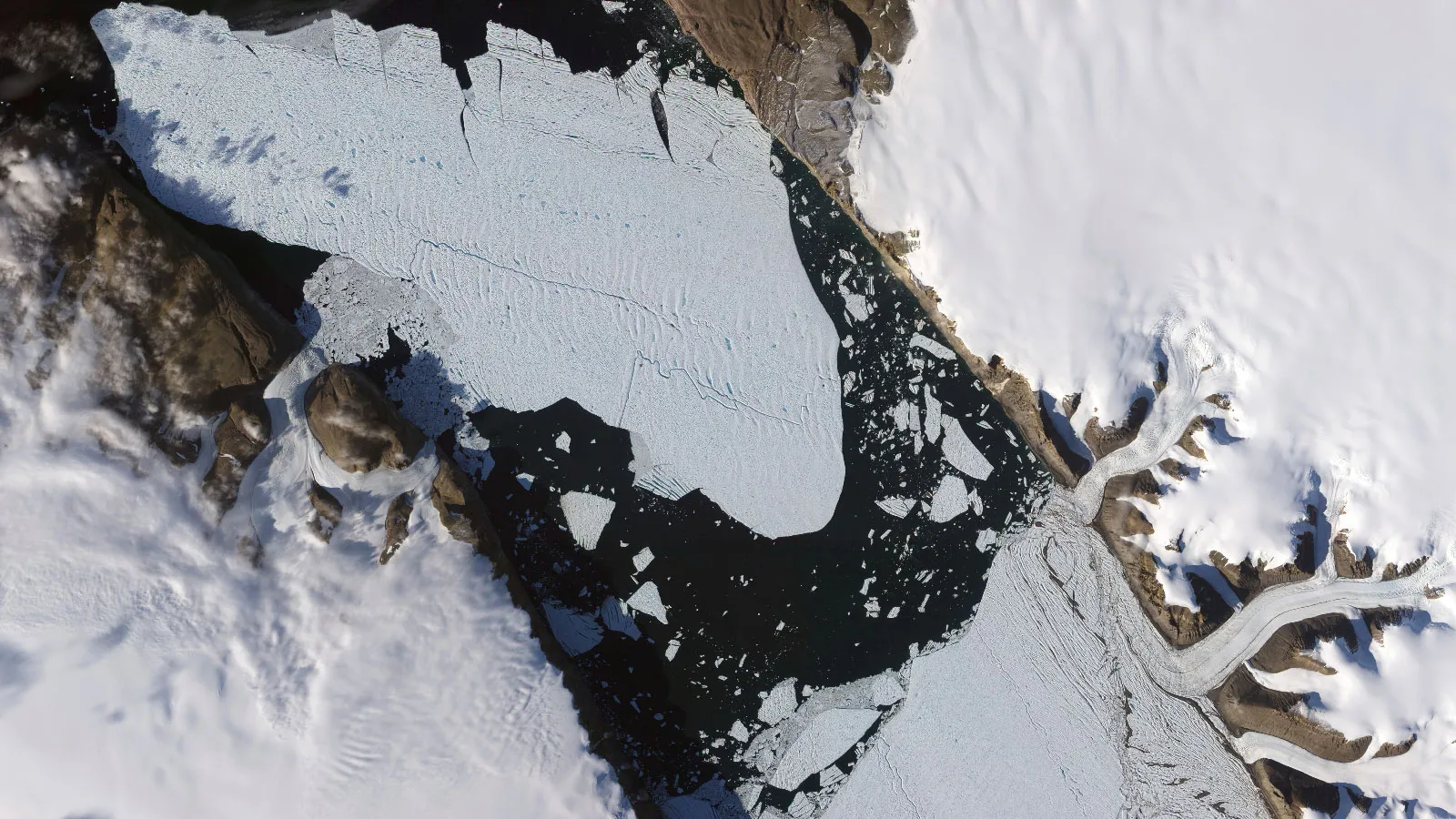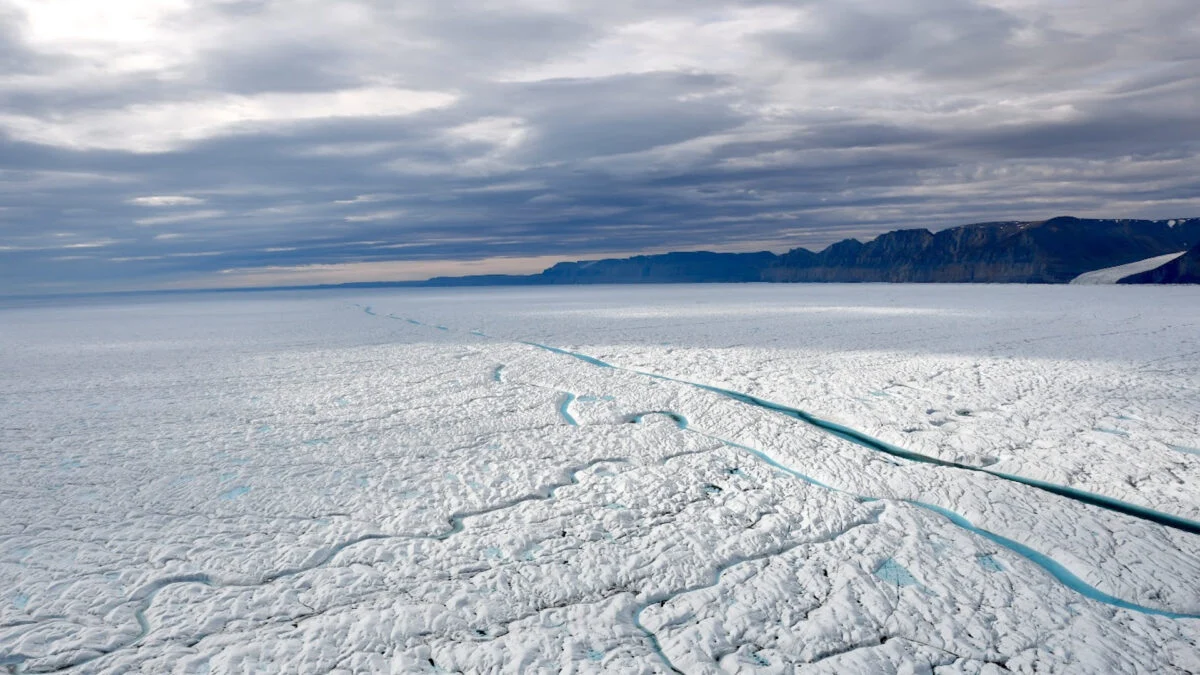
A massive iceberg has broken off from the Northern Hemisphere’s longest floating ice tongue, and researchers are anticipating at least two more calving events from Greenland’s Petermann Glacier in the near future. Satellite imagery from the European Space Agency’s Sentinel-1 mission first revealed deterioration in Petermann Glacier’s ice tongue—a floating sheet of ice that extends 43 miles (70 kilometers) out into the Arctic Ocean—on August 3 before the ice island completely detached from the eastern side of the glacier the next day. “We’ve anticipated this break for years, and seeing it finally happen is remarkable,” Adam Garbo, a doctoral student at the University of Ottawa who led the team behind the detection, said in a statement. The recent calving event marks the glacier’s largest loss of floating ice since 2012 and offers scientists a rare opportunity to study how large ice masses form and drift apart over time. Break away Scientists have been using satellites to monitor changes in Petermann Glacier since 2019, keeping a close watch on fractures and signs of instability along the glacier’s floating ice tongue.
Petermann is one of Greenland’s largest marine-terminating glaciers, which frequently sheds large icebergs and discharges them into the ocean. Several icebergs have broken off from the glacier in recent years, including a 97-square-mile (251-square-kilometer) berg in 2010 and a 50-square-mile (130-square-kilometer) berg in 2012.