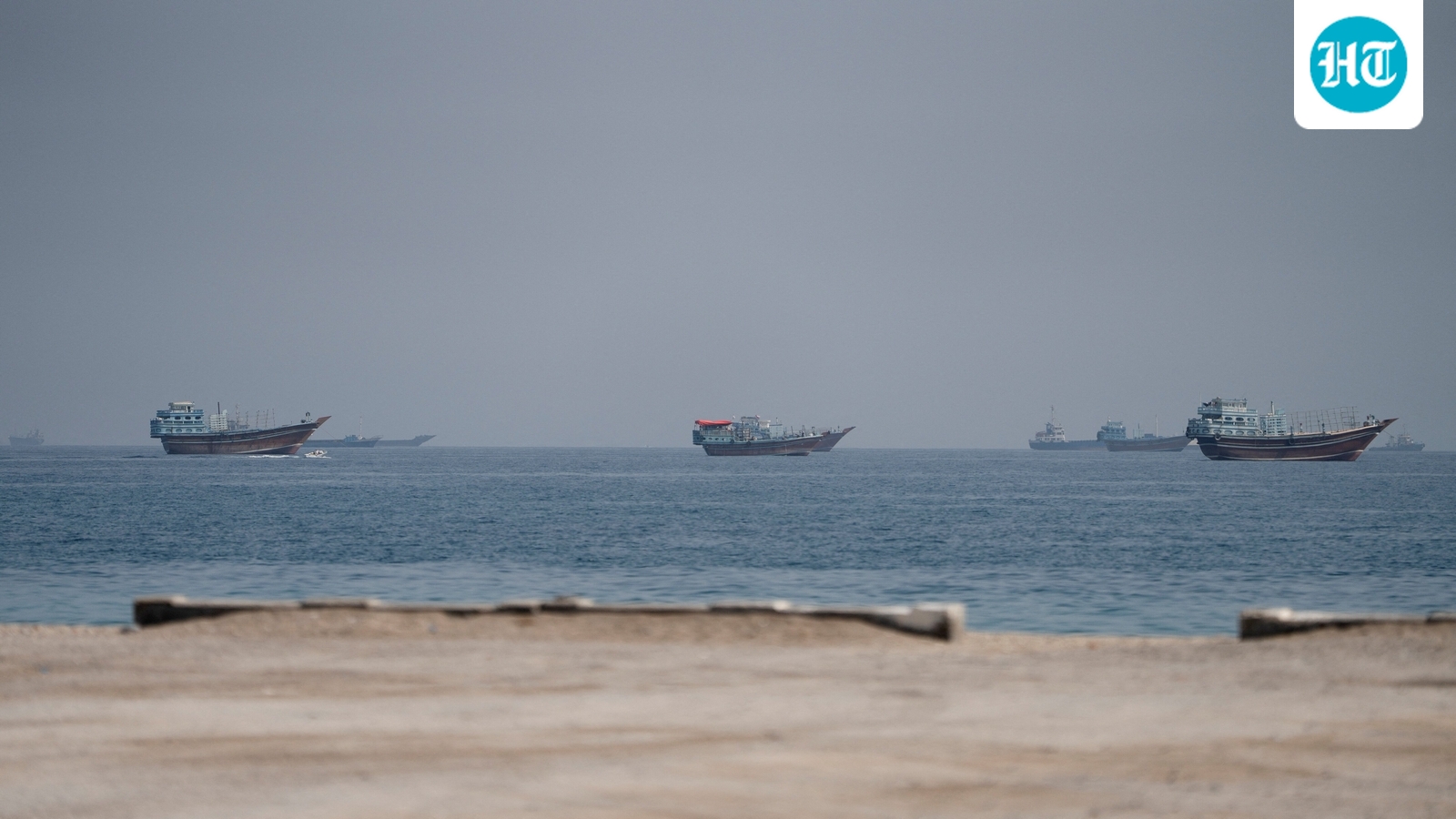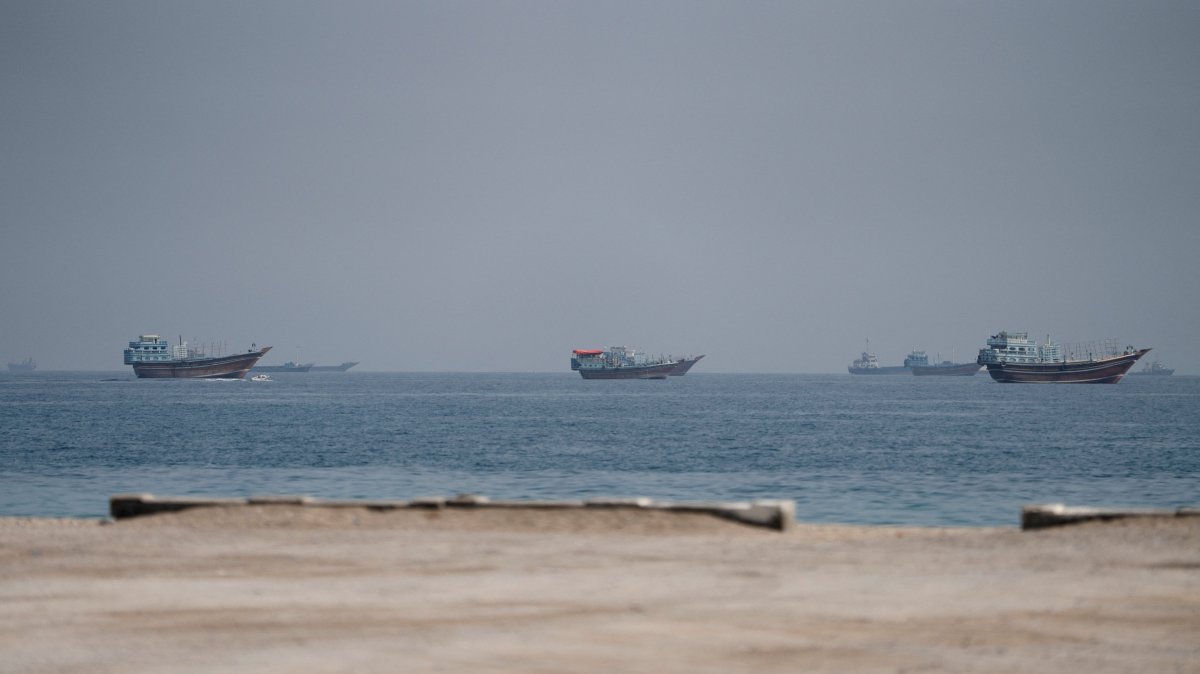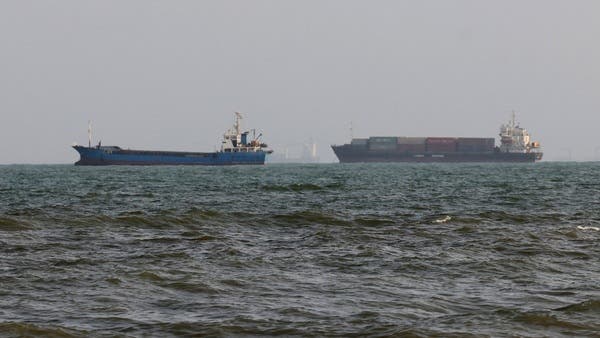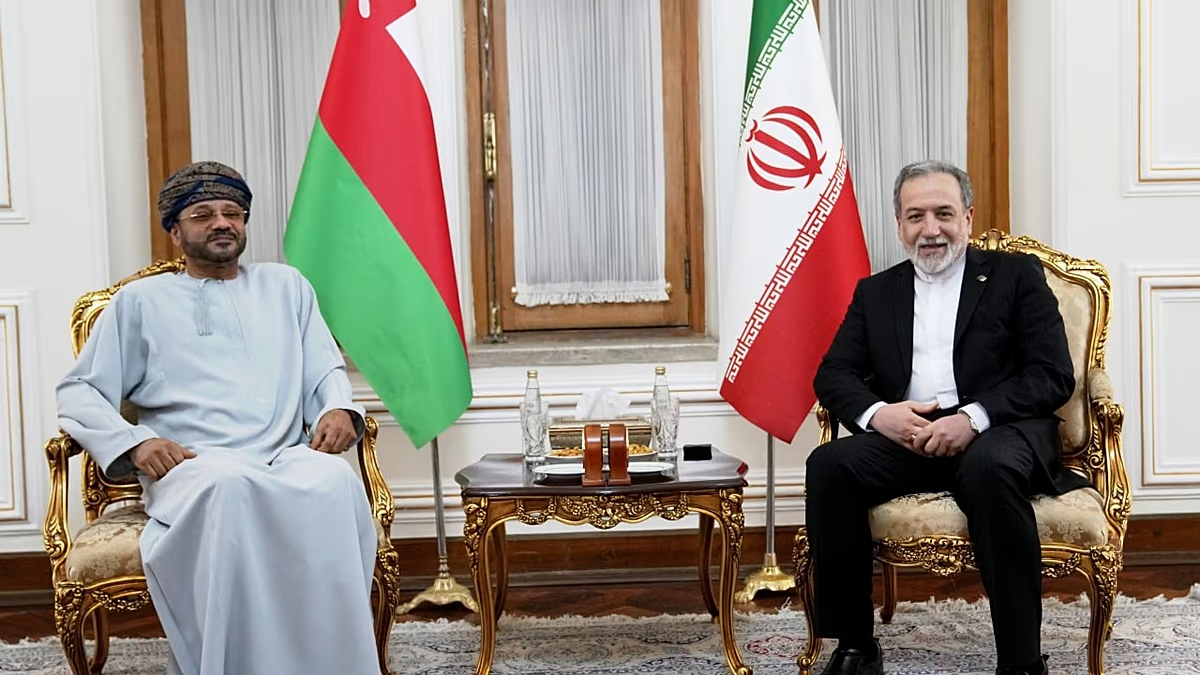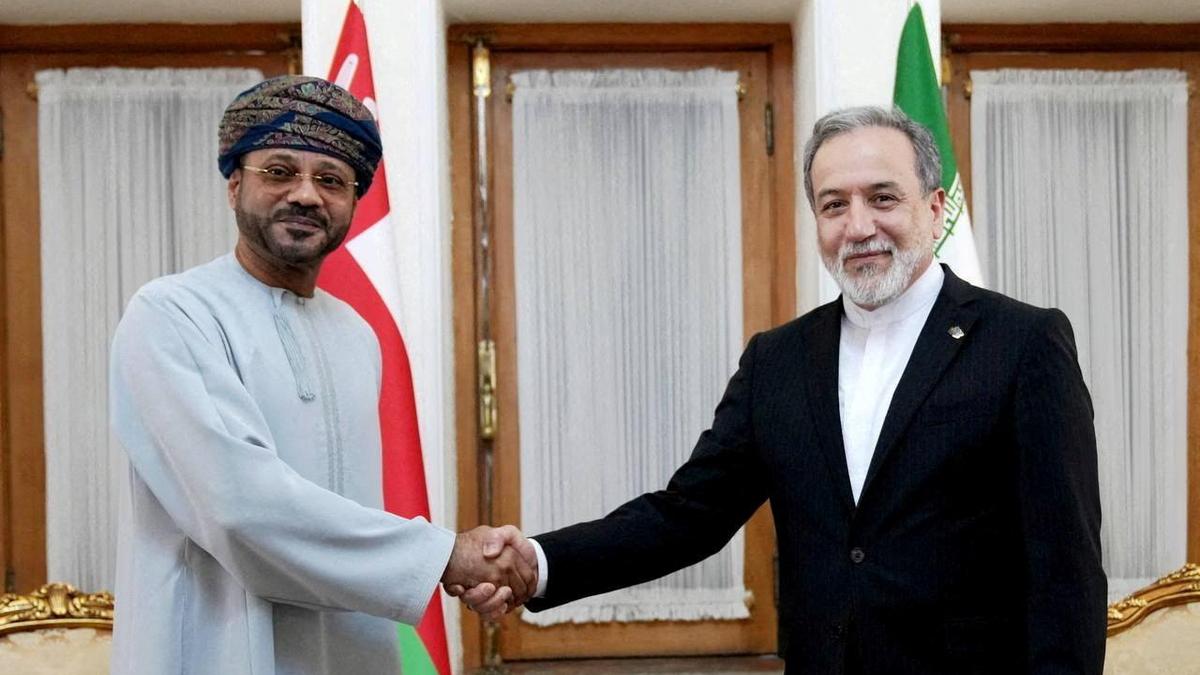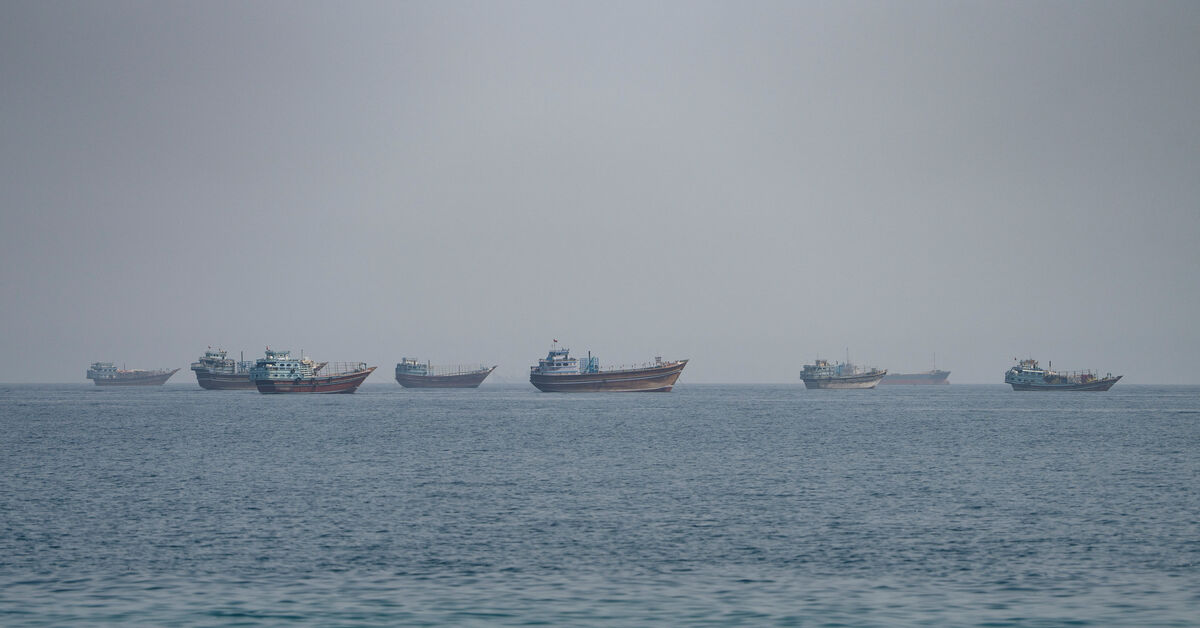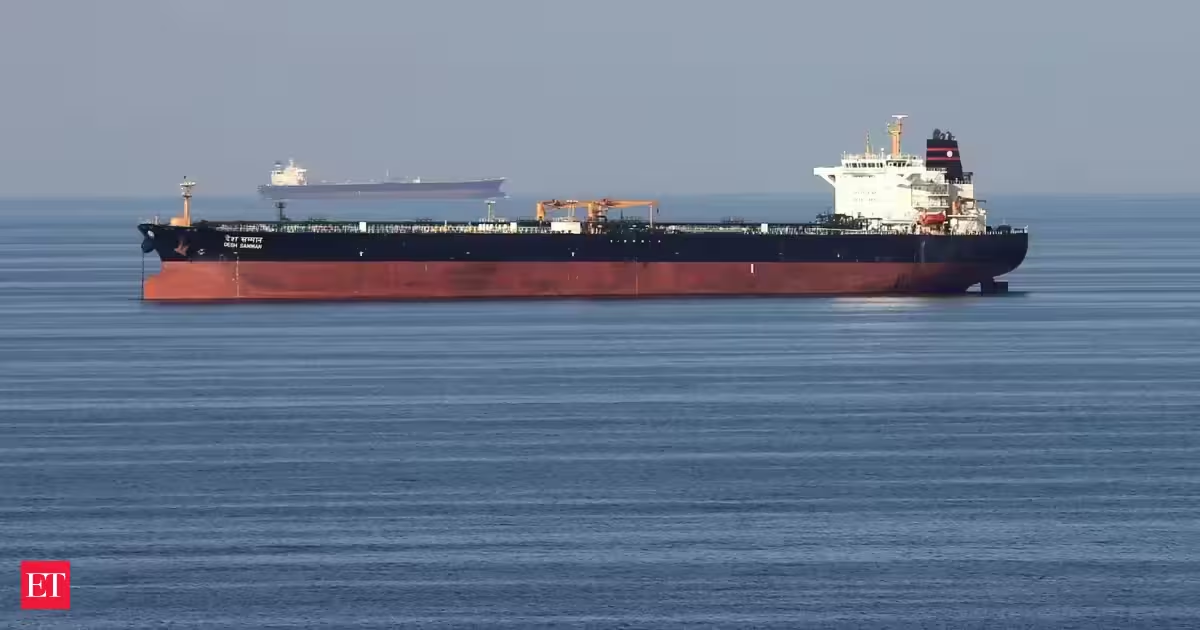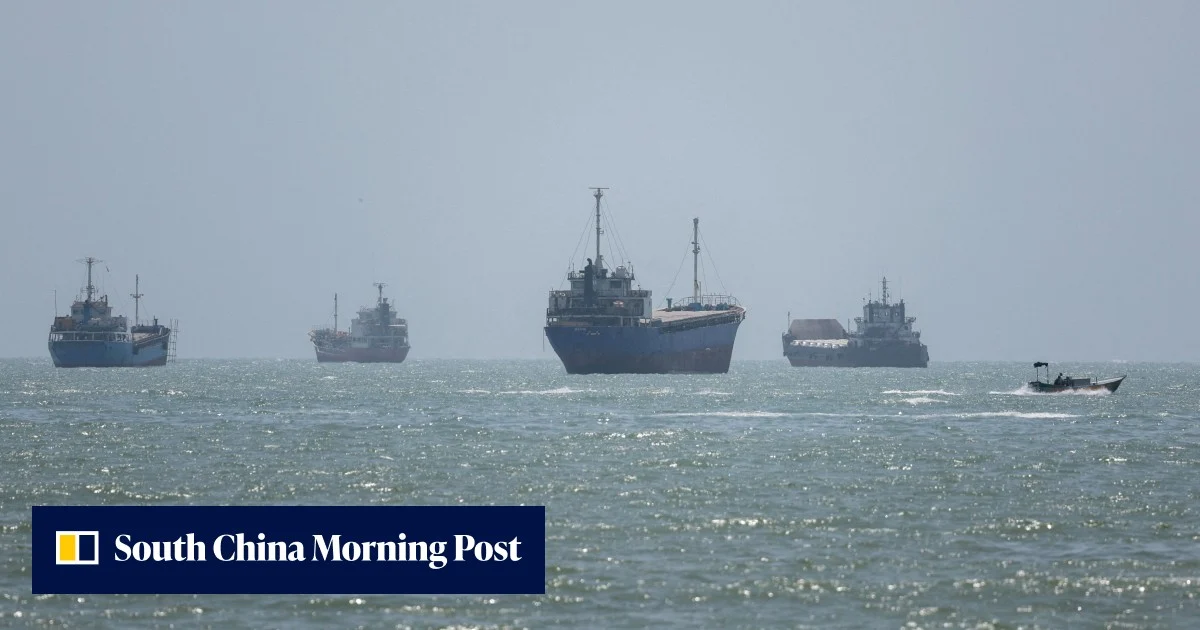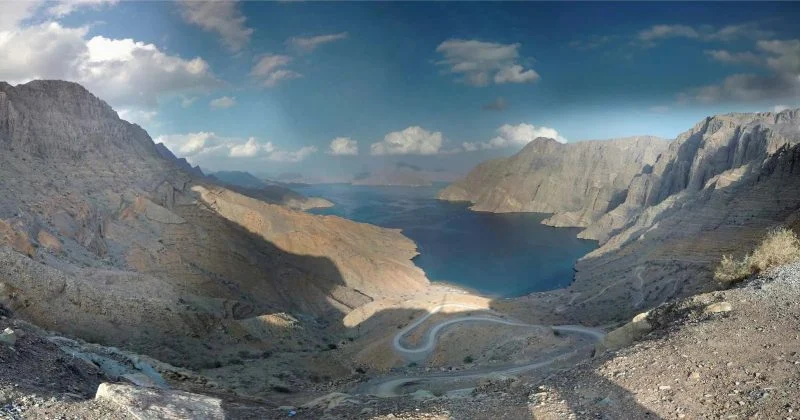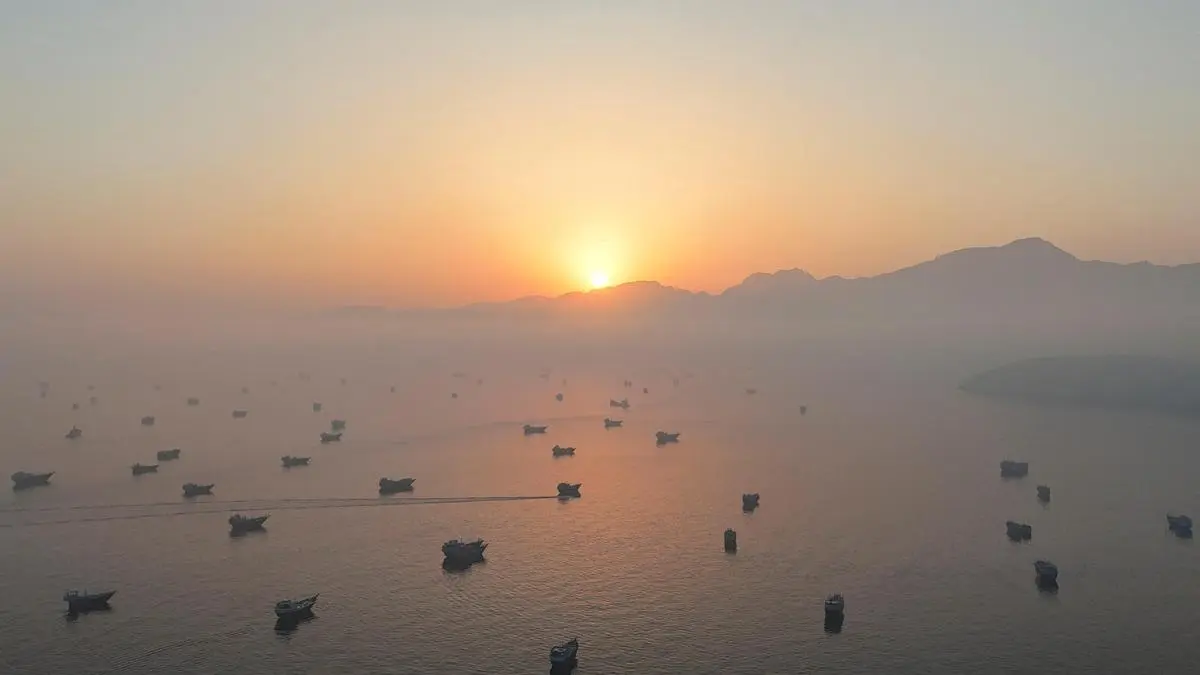
Iran and Oman have finalized agreements on how to manage and split revenues from the Strait of Hormuz, the narrow waterway that normally handles roughly 20% of the world’s oil and LNG shipments. The deal, reached during talks on August 25-26 in Tehran, represents the most concrete step yet toward reopening a passage that has been heavily restricted since early 2026.
Iranian Foreign Minister Abbas Araghchi and his Omani counterpart Badr Albusaidi hammered out a framework that includes a temporary joint navigational corridor and coordinated mine-clearing operations expected to unfold over the next 30 to 60 days.
How the corridor would work
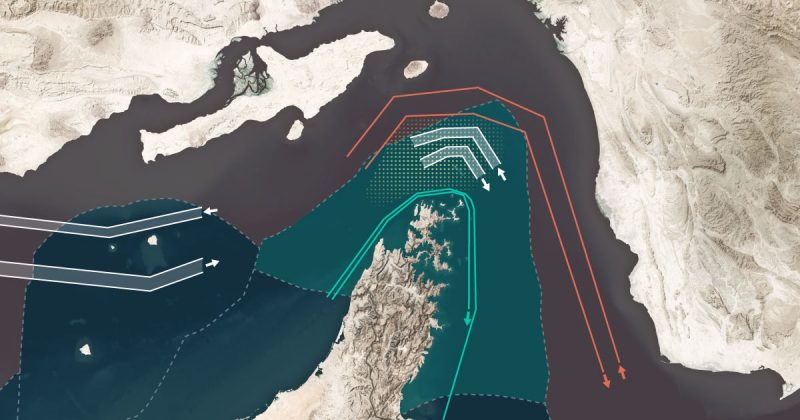
The proposed framework delineates shipping routes in a surprisingly tidy fashion: inbound traffic would traverse Iranian waters, while outbound traffic would use Omani waters. That geographic split creates the basis for shared revenue, since each nation would effectively provide passage services on its side of the strait.
Iran’s Revolutionary Guards spokesperson confirmed on August 26 that the agreements address both the “share of Hormuz and revenues.” The IRGC has claimed that potential annual revenues could reach billions of dollars from service fees tied to security and navigational services, assuming the framework gets fully implemented.