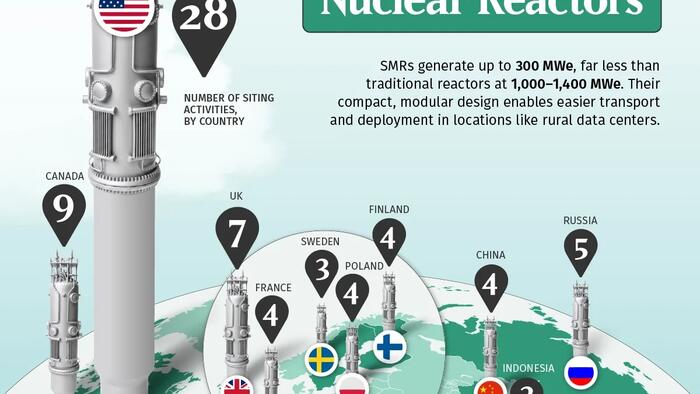
The nuclear resurgence in the United States and the West more broadly has focused heavily on innovation in small modular reactors. The advanced reactor field is increasingly crowded with organizations announcing ambitious timelines and aggressive commercialization plans, many led by capable engineers pursuing meaningful innovation.
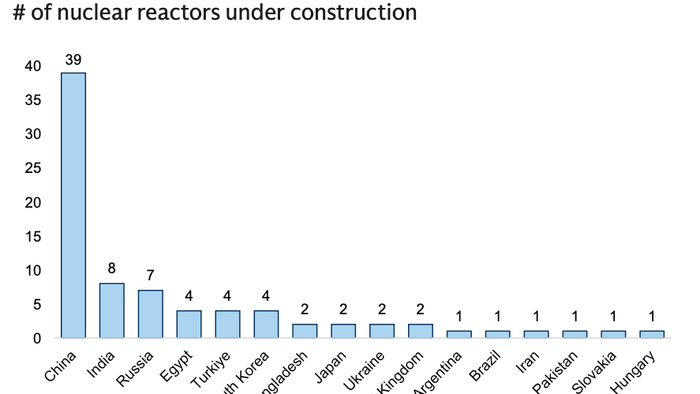
Innovation, however, should not be mistaken for commercial readiness. Nuclear engineering in the U.S. has never been limited by a lack of creative reactor concepts — its greatest challenges have come in moving from a promising design to a licensed, commercially operating power plant. China, on the other hand, is building fleets of larger reactors and is likely to overtake the U.S. by 2030.
While the impetus to develop AI capabilities and the ensuing electricity demand have provided enough incentive for large U.S. companies to back some innovative SMR and microreactor designs, the transition requires a demanding sequence of engineering, experimentation, materials qualification, and supply chain maturation that cannot be compressed simply because demand has grown. That distinction between innovation and readiness is the lens for evaluating the progress underway across today’s advanced nuclear industry.