Inflation remained flat at 3.7% for the year ending in July, the Bureau of Labor Statistics said Wednesday morning in an update to the personal consumption expenditures index, which is the Federal Reserve’s preferred inflation gauge.The stagnant inflation shows that price pressures continue to pose a major threat to the economy, as well as to the political fortunes of President Donald Trump and Republicans who are running low on time to turn around voters’ dissatisfaction before the midterm elections. The report was essentially in line with expectations.
Inflation is still down from a recent high of 4% notched in May.
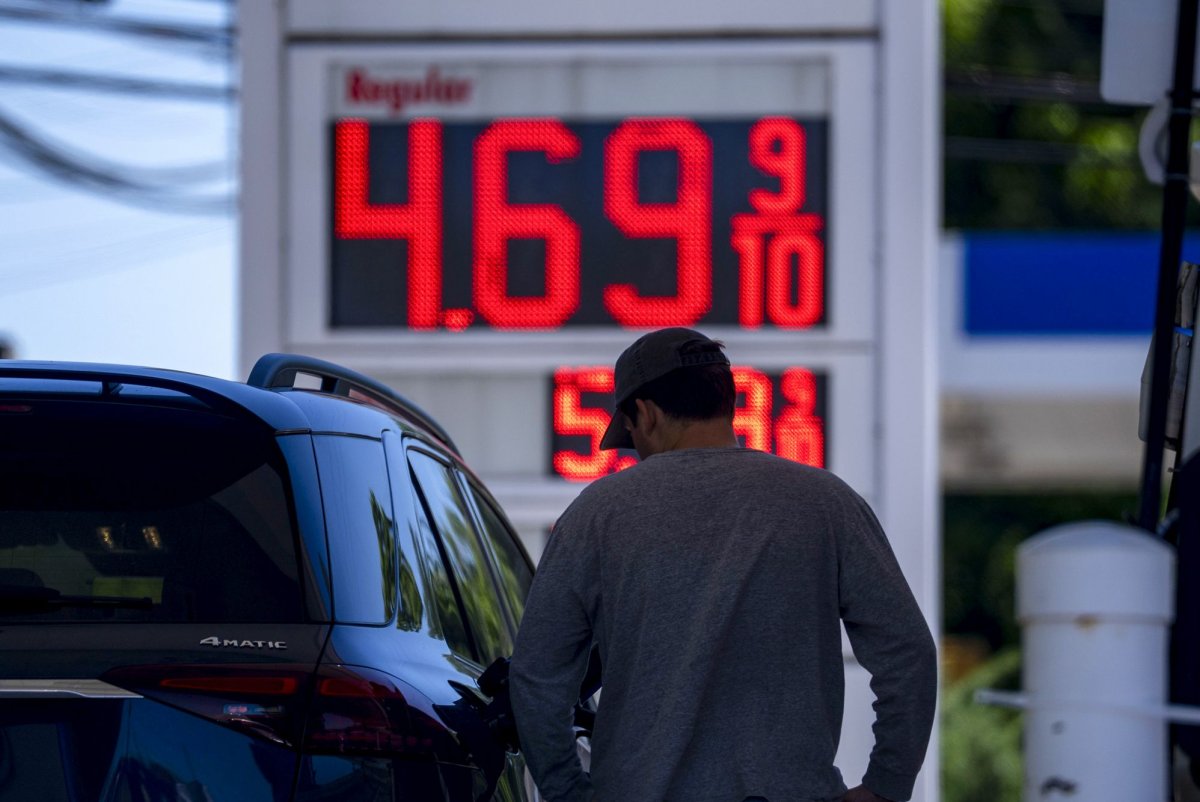
In March alone, prices rose 0.2%.Core inflation, which strips out volatile food and energy prices, rose 0.2% on an annual basis. Core inflation was 3.3% on a monthly basis.The report showed that the war in Iran has continued to put pressure on inflation, which has been anchored above the 2% target set by the central bank. The conflict has the effect of worsening affordability, which has already been a top concern for voters for several years now.The higher inflation year, coupled with preceding years of high inflation, has created an affordability crisis that threatens Trump and Republicans heading into this year’s November midterm elections.The inflation in recent months has been largely driven by spiking energy prices, particularly gasoline prices.The Fed hasn’t been able to get inflation back down to a level it considers healthy since inflation began taking off in early 2021 under then-President Joe Biden.While the Fed looks at PCE inflation, the most closely watched inflation gauge by the markets is the consumer price index.CPI inflation fell one-tenth of a percentage point in July to 3.4%, and last month alone it only rose 0.1%. Inflation, as measured by the producer price index, fell eight-tenths of a percentage point to 4.7% for the year ending in July.BUDGET RED INK THREATENS TO SPIKE INFLATION AND UNEMPLOYMENTThe labor market is also experiencing a bit of a slowdown, which the Fed is undoubtedly keeping in mind while it ponders what to do next with interest rates.The government reported that the economy lost 23,000 jobs in July, a major surprise to the downside.