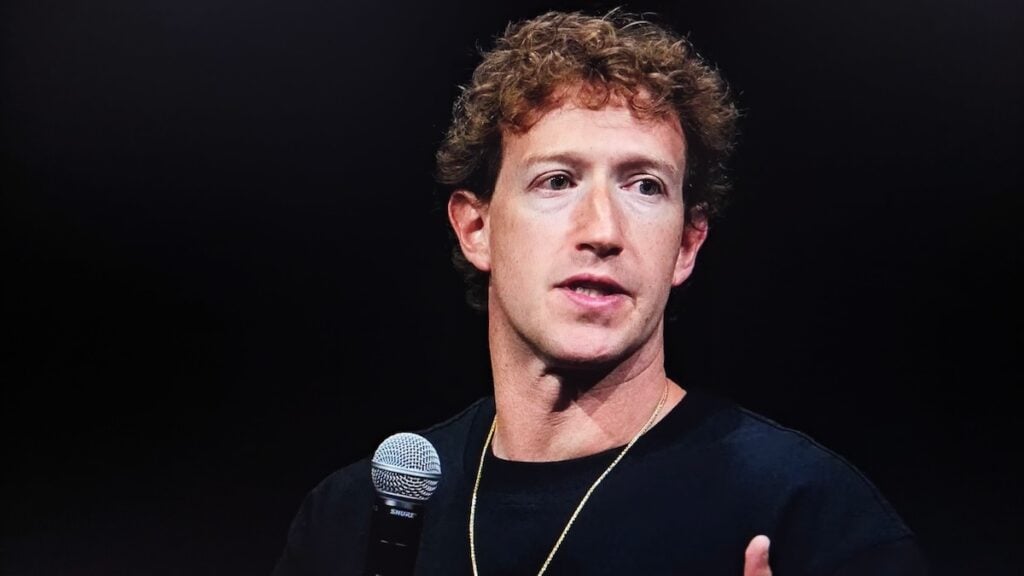
Meta was preparing to gut its workforce by as much as 60% across certain teams. Then Mark Zuckerberg changed his mind.
The company originally mapped out two rounds of layoffs for 2026, one in May and another in November, as part of an aggressive push to rebuild Meta as an “AI-native” organization. The second wave got canceled before the first one even landed. What did land: roughly 8,000 employees lost their jobs on May 20, representing about 10% of Meta’s total headcount, while 6,000 open positions were quietly closed and approximately 7,000 workers were reassigned to AI-focused teams.
From 60% cuts to course correction
The original plan was far more dramatic than what ultimately played out. Internal discussions had floated reductions of up to 60% in some teams, a figure that would have made Meta’s brutal 2022-2023 layoff cycle look like a gentle trim by comparison. That earlier period, which Zuckerberg branded the “Year of Efficiency,” eliminated over 21,000 roles.
This time, internal dissent helped pump the brakes. Employees pushed back, and the company hit unanticipated snags in its AI development timeline.