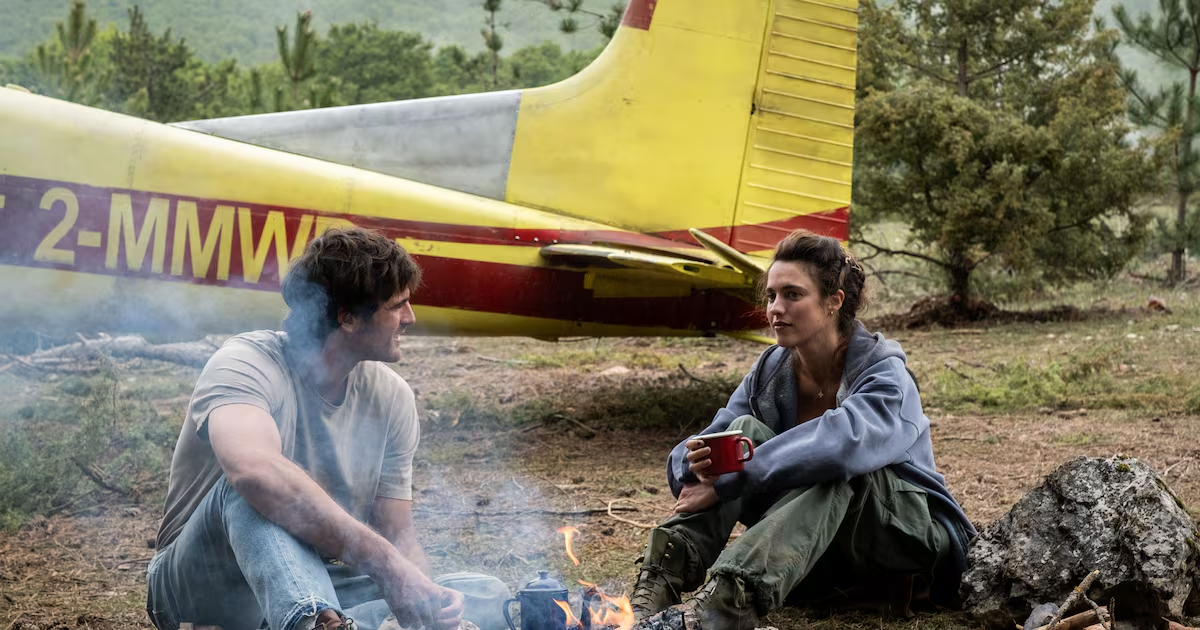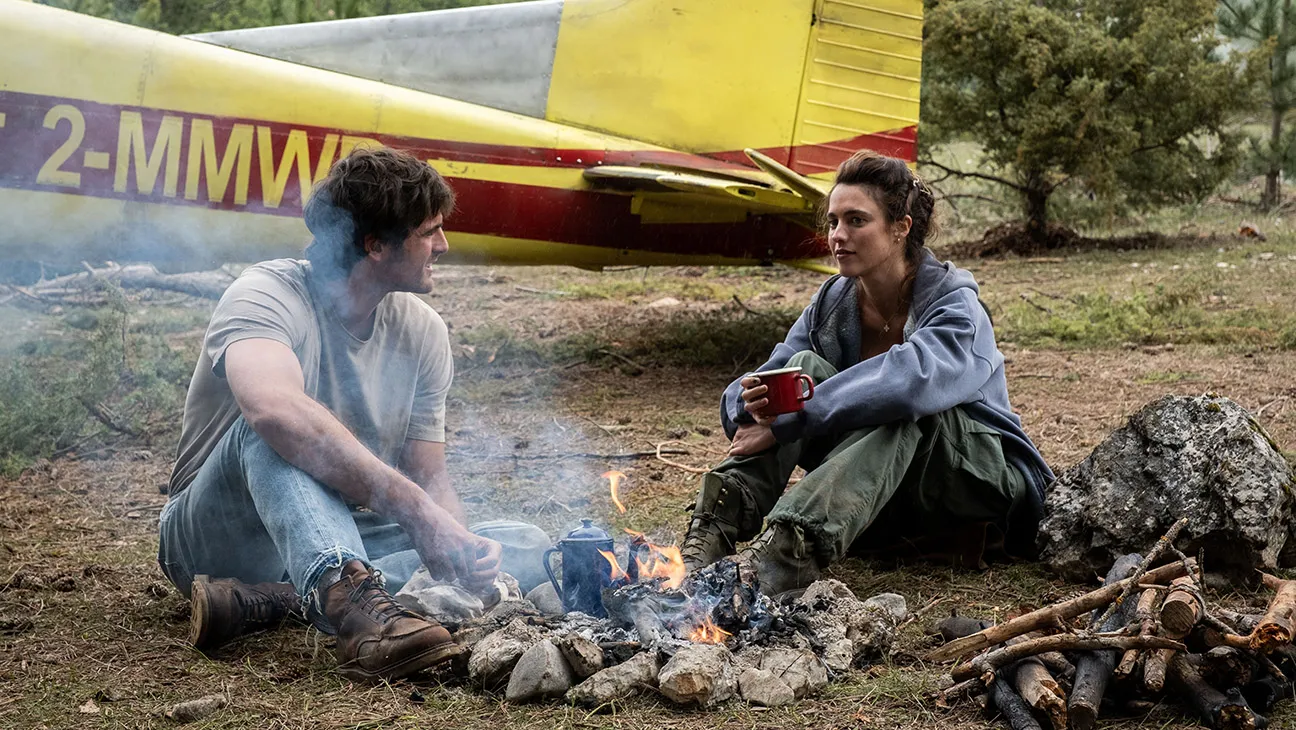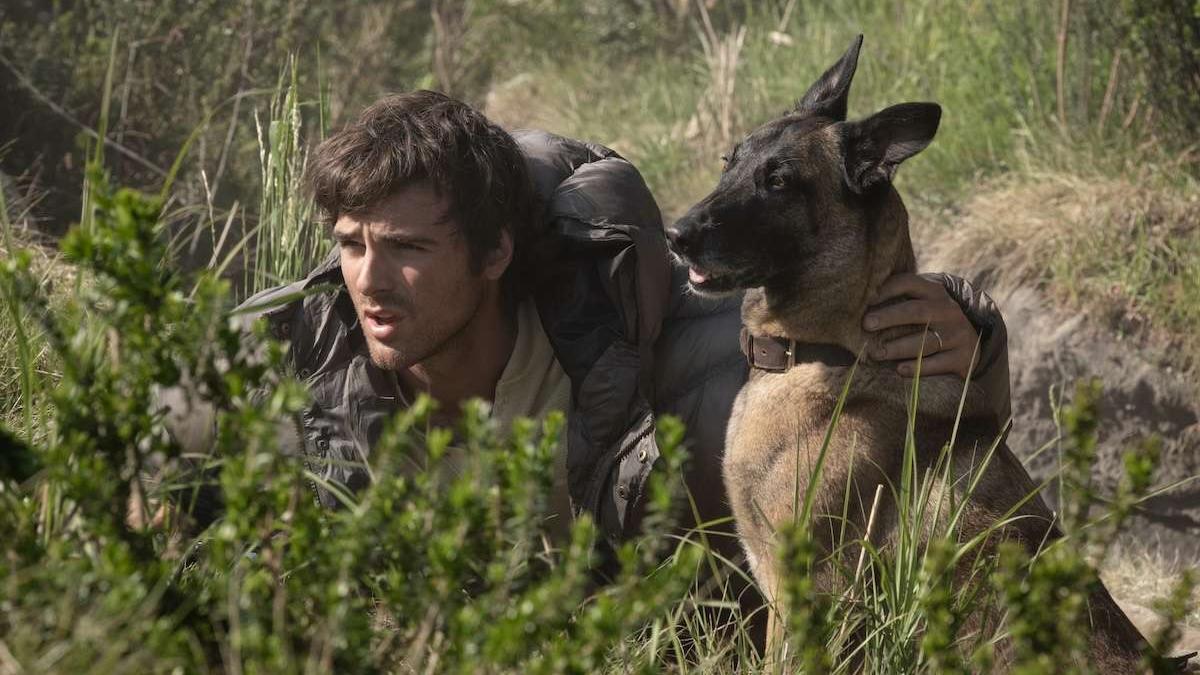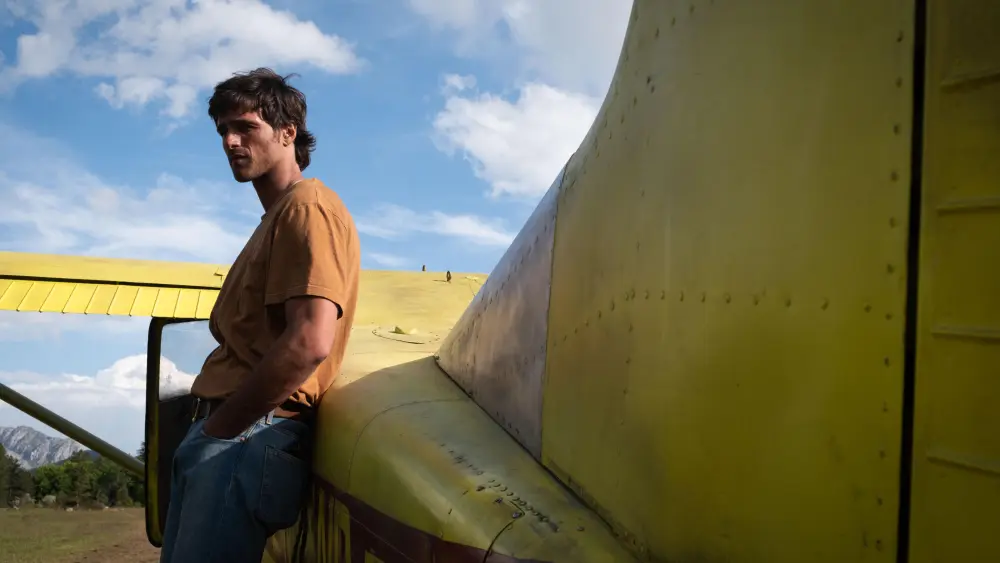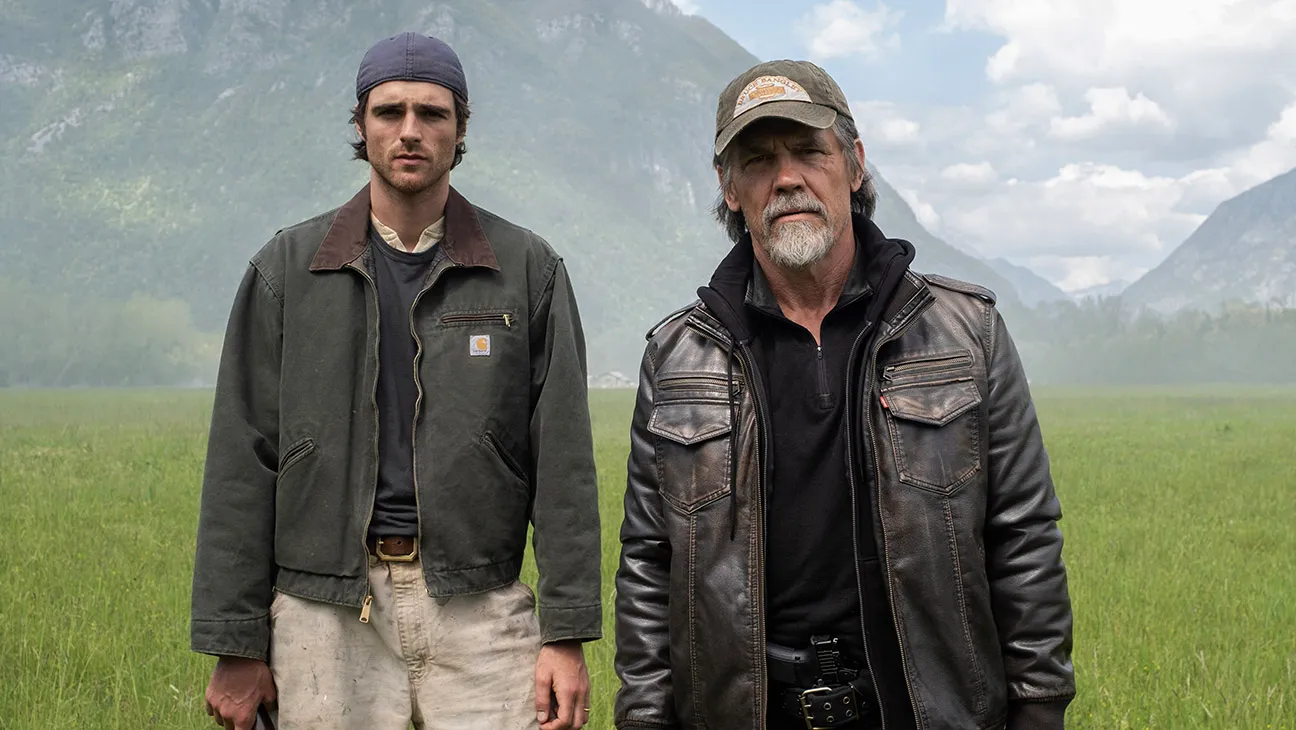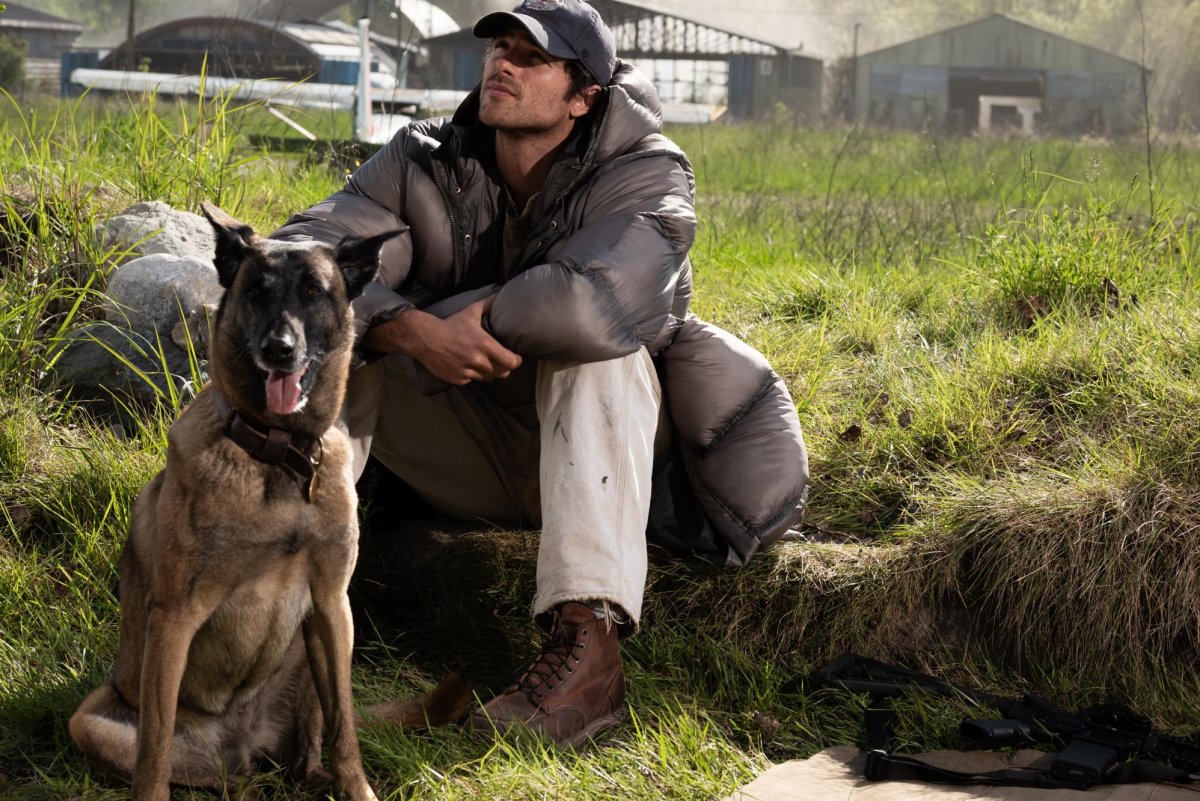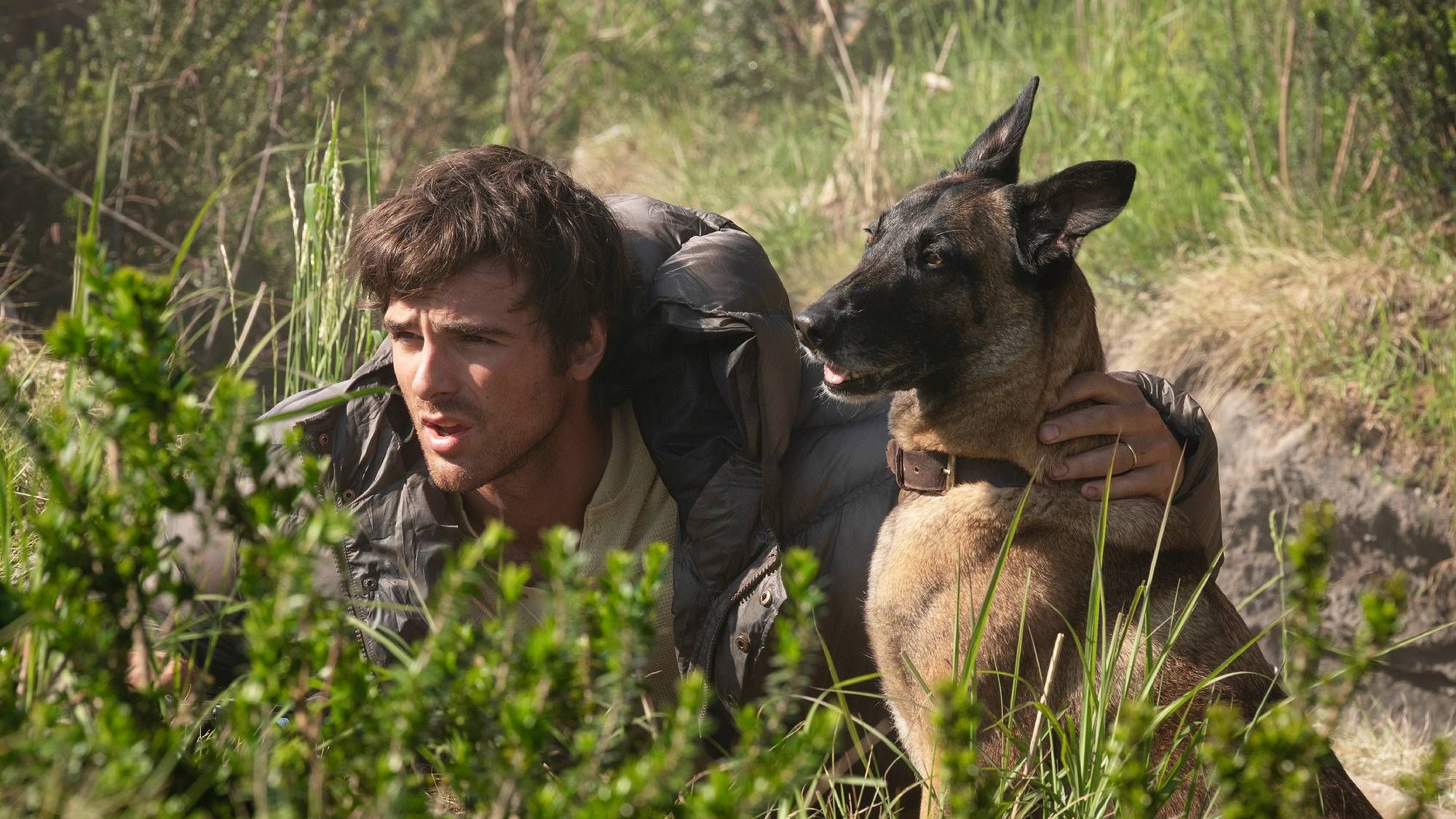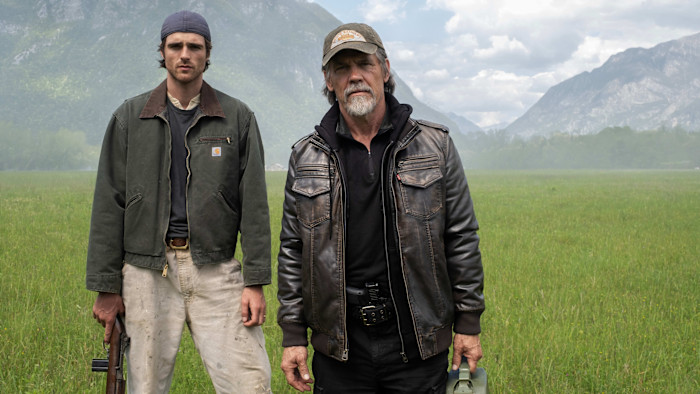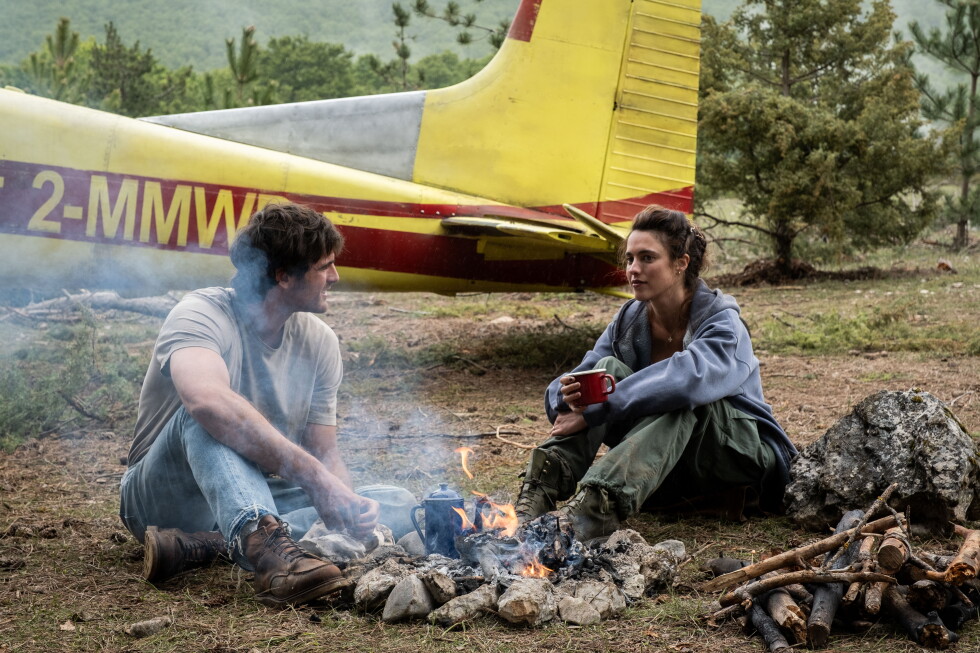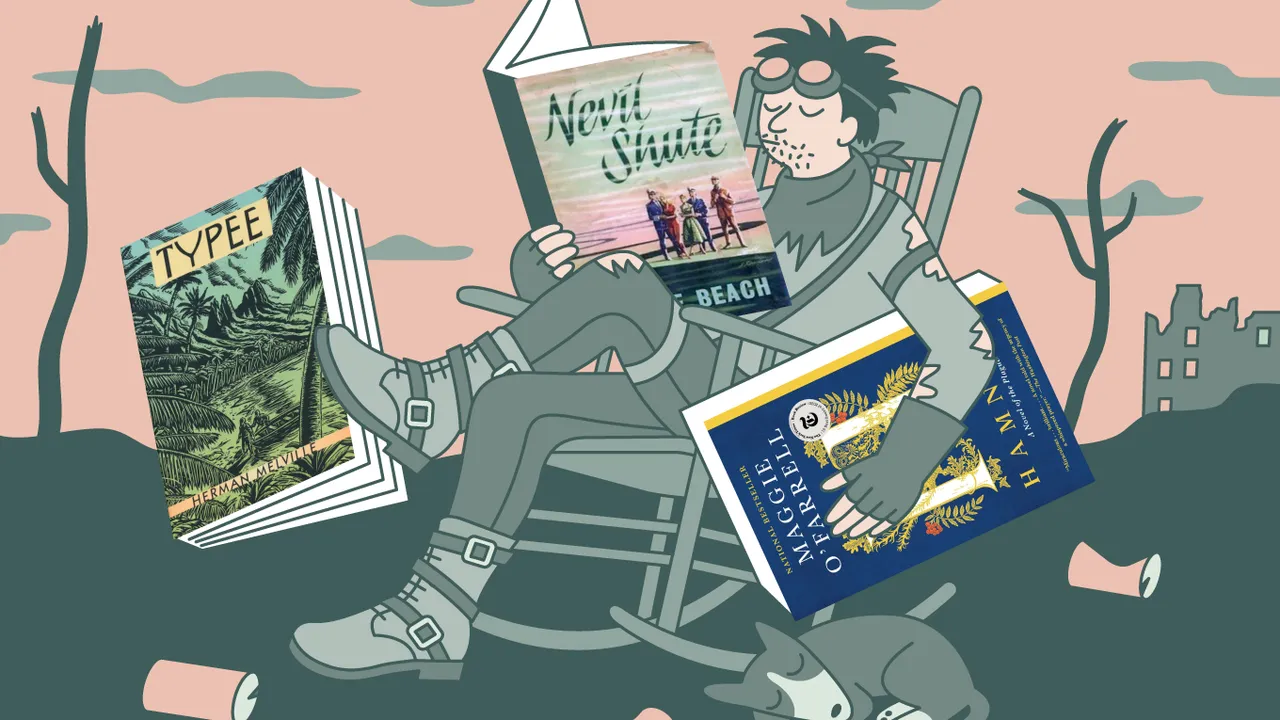
You may be aware that Jacob Elordi is in a new movie out this week: “The Dog Stars,” directed by Ridley Scott, and also starring Josh Brolin and Margaret Qualley. What you might not know is that the film is based on a 2012 book by Peter Heller. “The Dog Stars” centers on two lonely survivors of a super-flu pandemic, Hig and Bangley, living in an abandoned airport in Colorado with a loyal hound named Jasper. “It’s like ‘Deliverance’ in an airplane,” John Seabrook wrote when the novel was published. “But it also has lyrical descriptions of landscape and nature reminiscent of James Dickey’s poetry.” I recently spoke with Heller about some of the books that have inspired him, both at work and in his life.Our conversation has been edited and condensed.What fiction put you in a post-apocalyptic state of mind, as you were writing yours?I had recently read Melville’s “Typee” when I began writing my book. It’s a utopian Polynesian fever dream that tilts into nightmare. But “The Dog Stars” was my first novel, and I didn’t want to plot or plan. I wanted to have as much fun as the reader would in following the narrative current. It didn’t really hit me that my book was post-apocalyptic until I got to about page 3, and I thought, “Crap, I don’t want to write a post-apocalyptic novel . . .”Which book most corresponds to your personal philosophy of survival?“On the Beach,” by Nevil Shute, skewered me: the idea that one could keep up daily rituals and courtesies as the shadow of mass death approached. I thought that doing so would take tremendous courage, and I’d like to think I might live that way to the end. There’s also “Ishi in Two Worlds”; like its protagonist, I take great solace in wild places.If you could only have one book in your bunker, what would it be?Red Pine’s translation of “Poems of the Masters.” I am enchanted with the poetry of the Tang Dynasty: Li Bai, Xue Tao, Du Fu, Li Shangyin. With only a few lines they can place you knee-deep in a mountain creek, and then break your heart. They are the original blues men and women.Is there a book you read years ago that you still think about all the time?It is a poem that haunts me. I cannot shake T. S. Eliot’s “Four Quartets.” The music and cadence of its passages and stanzas, even specific lines, come to me often, and I am often moved again.What is your favorite novel to recommend to others?“The Snow of the Admiral,” the first novella in Álvaro Mutis’s brilliant “The Adventures and Misadventures of Maqroll.” It’s a Colombian up-the-river story that, in its ruminative lyricism and propulsion, rivals “Heart of Darkness.”Where do you weigh in on the adaptation debate? And are there any adaptations you particularly like?I loved “Hamnet” because I thought it captured the spirit of the book—love, grief, the alchemy of creative genius—while crafting a completely compelling two-hour romp. Richard Brody’s incisive piece about adaptation speaks to the essential question of creative freedom as a filmmaker adapts a work of literature. When Mark L. Smith, who wrote the script for the adaptation of “The Dog Stars,” called to ask if he could change this or that scene, I would say, “I’m honored that another artist is inspired by the book to create a discrete, new work of art. Have at it.” Freedom.Our editors and critics choose the most captivating, notable, brilliant, surprising, absorbing, weird, thought-provoking, and talked-about books. Find your next great read »Coming soon:Robert Harris, the author of “Conclave,” has a new book coming out September 1st: “Agrippa.” It’s about a young commoner in ancient Rome who becomes the protector of a potential emperor.Also out on the 1st is “The Disappearers,” Marlon James’s highly anticipated novel about a group of gay men in Kingston, Jamaica, in 1988.Grace Krilanovich, who wrote “The Orange Eats Creeps,” has a new book out on September 8th, called “Acid Green Velvet.” It’s set on the California coast, in the late nineteenth century.Speaking of the apocalypse…Emily St. John Mandel’s new book, “Exit Party,” out on September 15th, is set in L.A., in 2031—the first spring after the fall of the United States. Will it be as prescient as “Station Eleven” once felt?P.S. Mackenzie Scott appears to be publishing a historical novel, in parts, on Substack.
The Books Behind Peter Heller’s “The Dog Stars”
The author recommends poetry and post-apocalyptic works.
731 words~3 min read