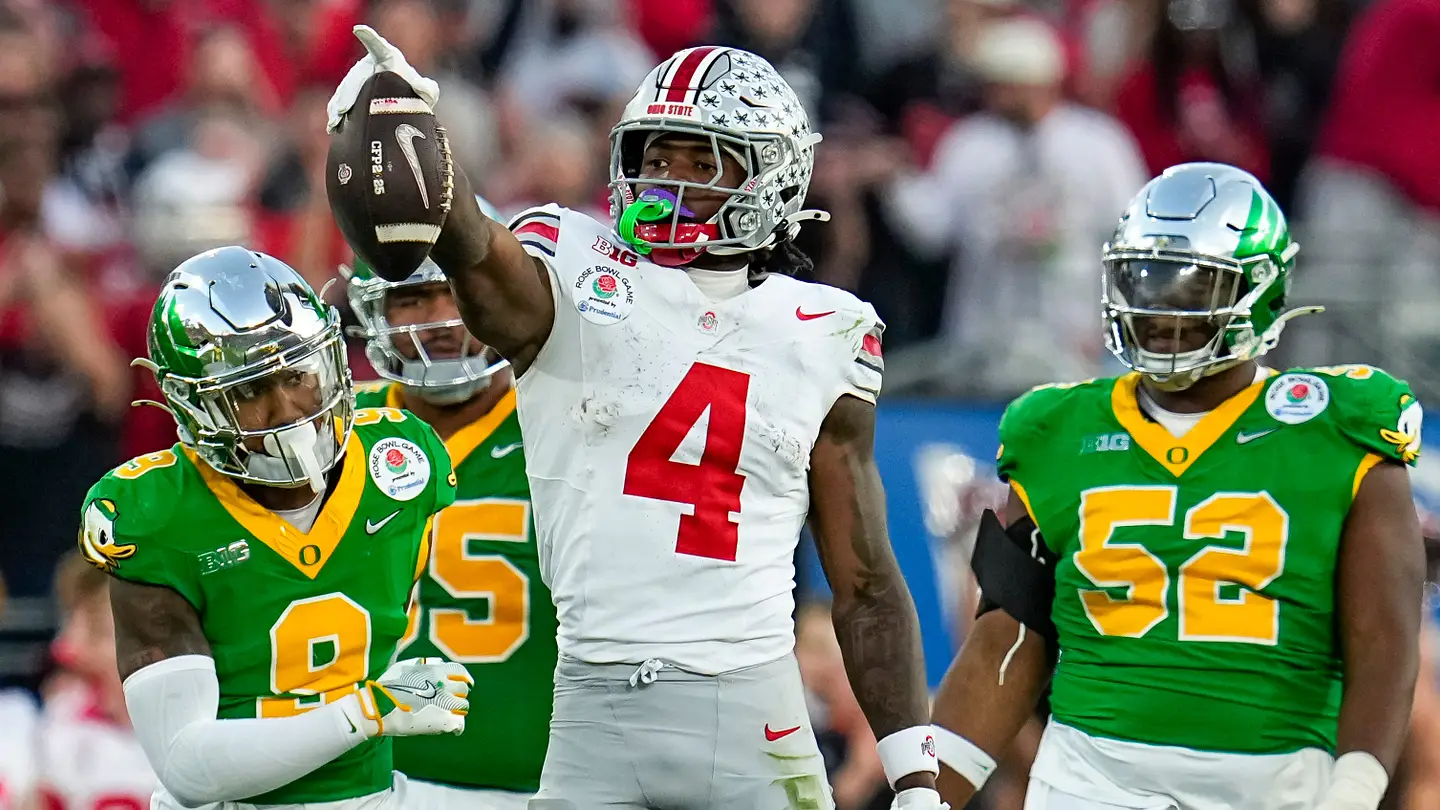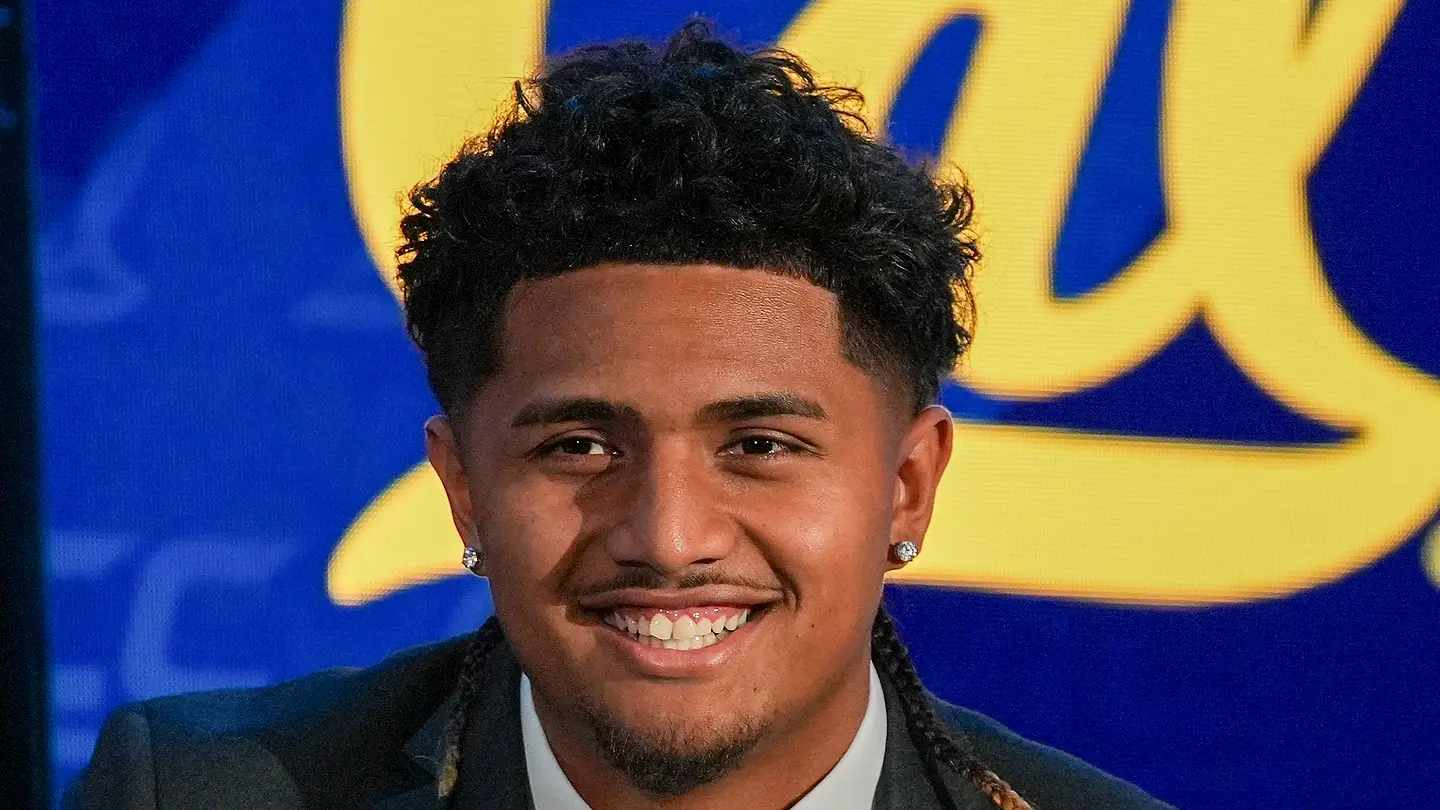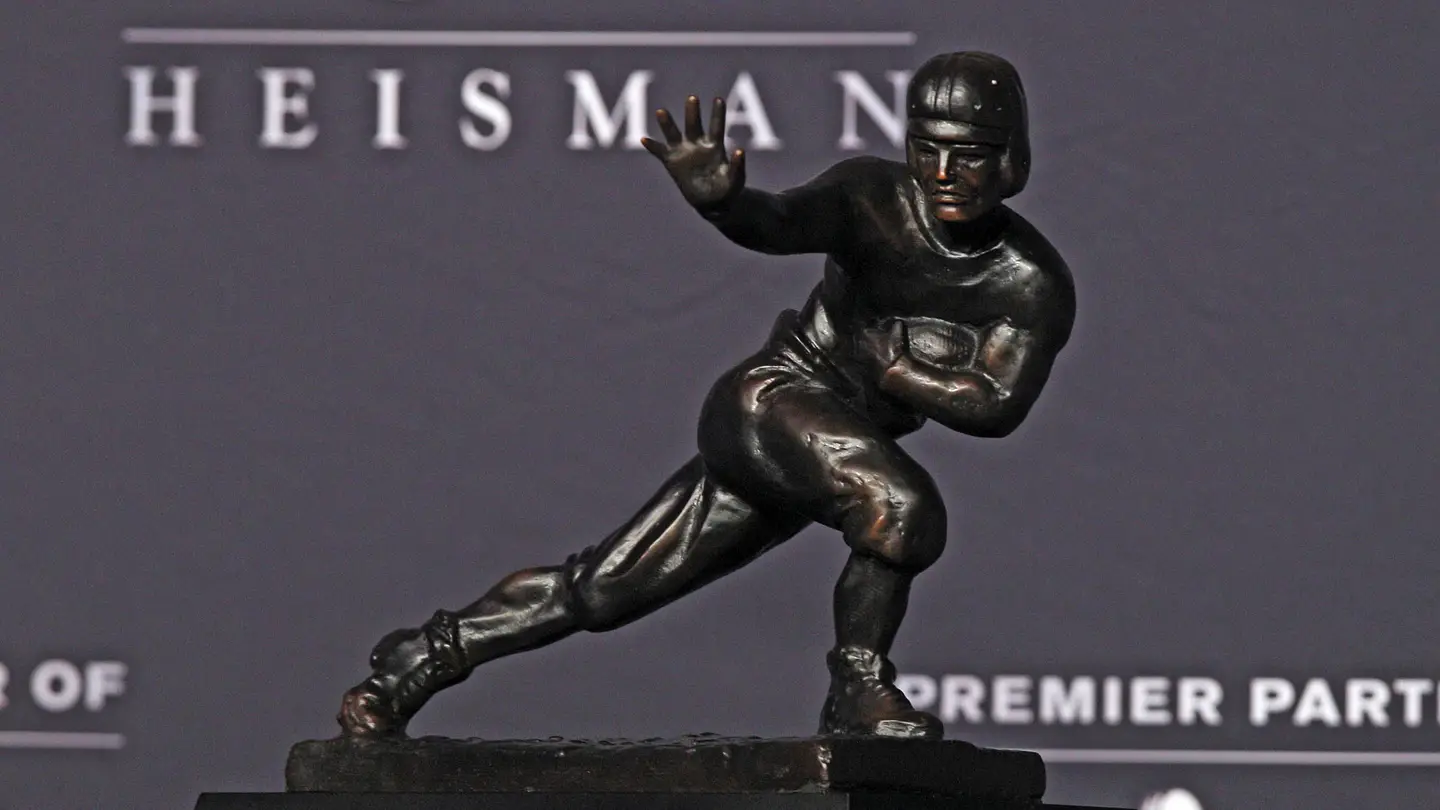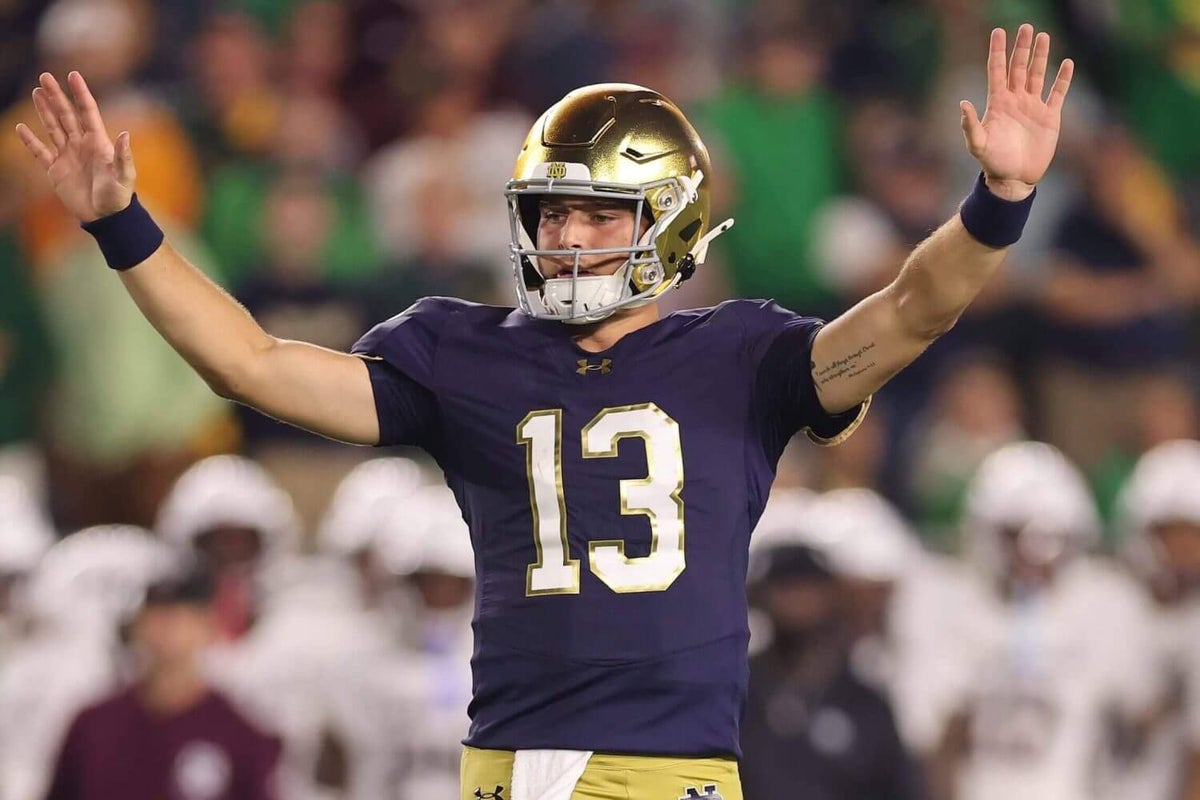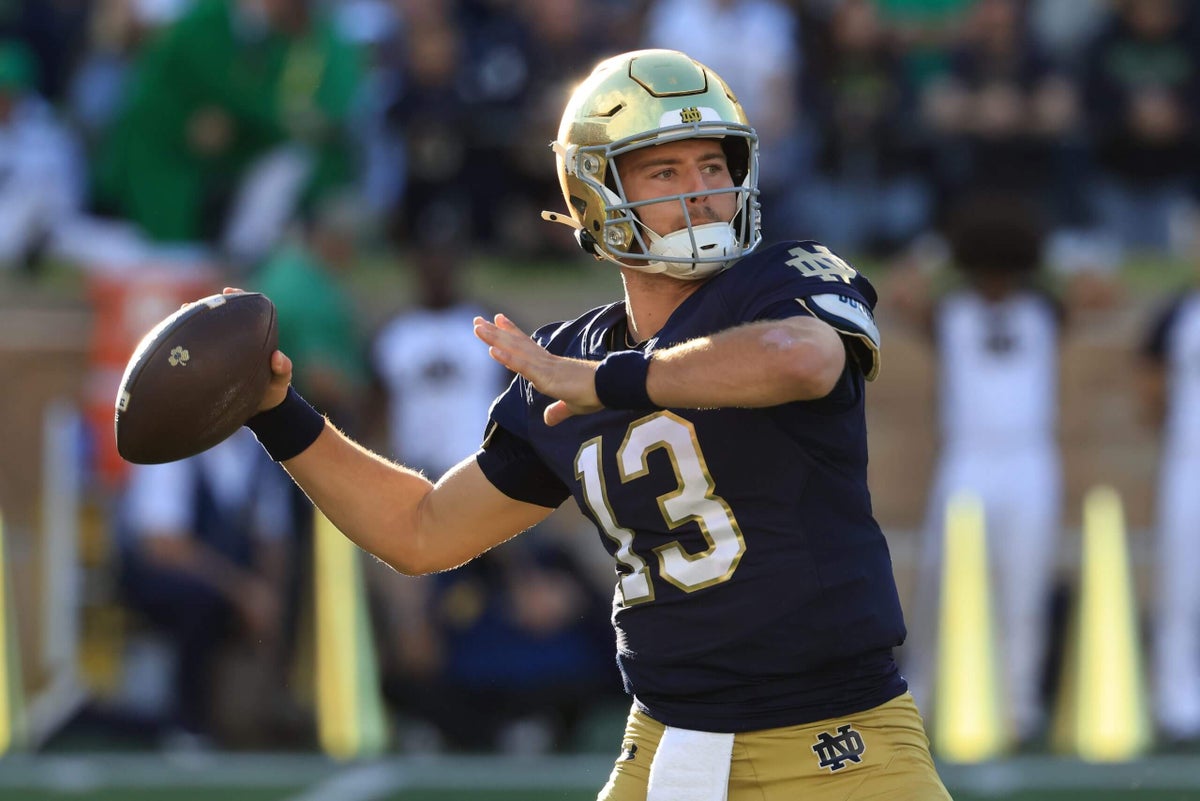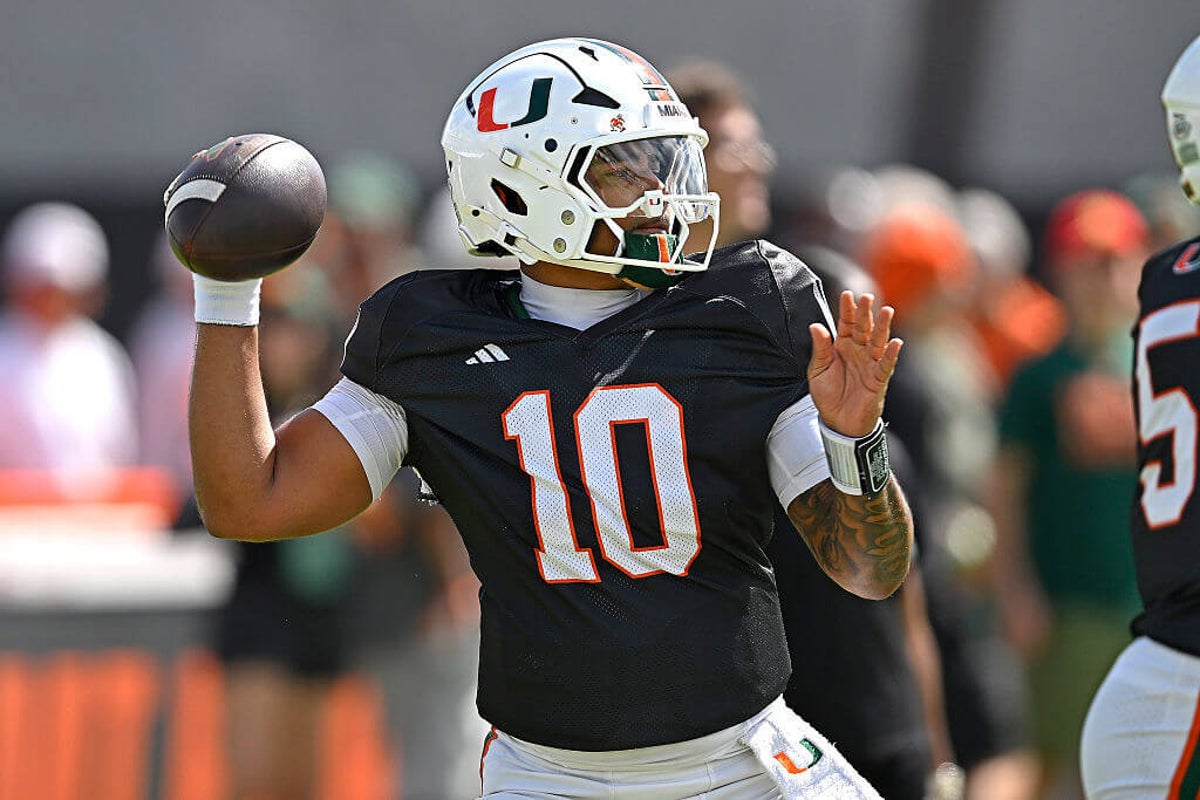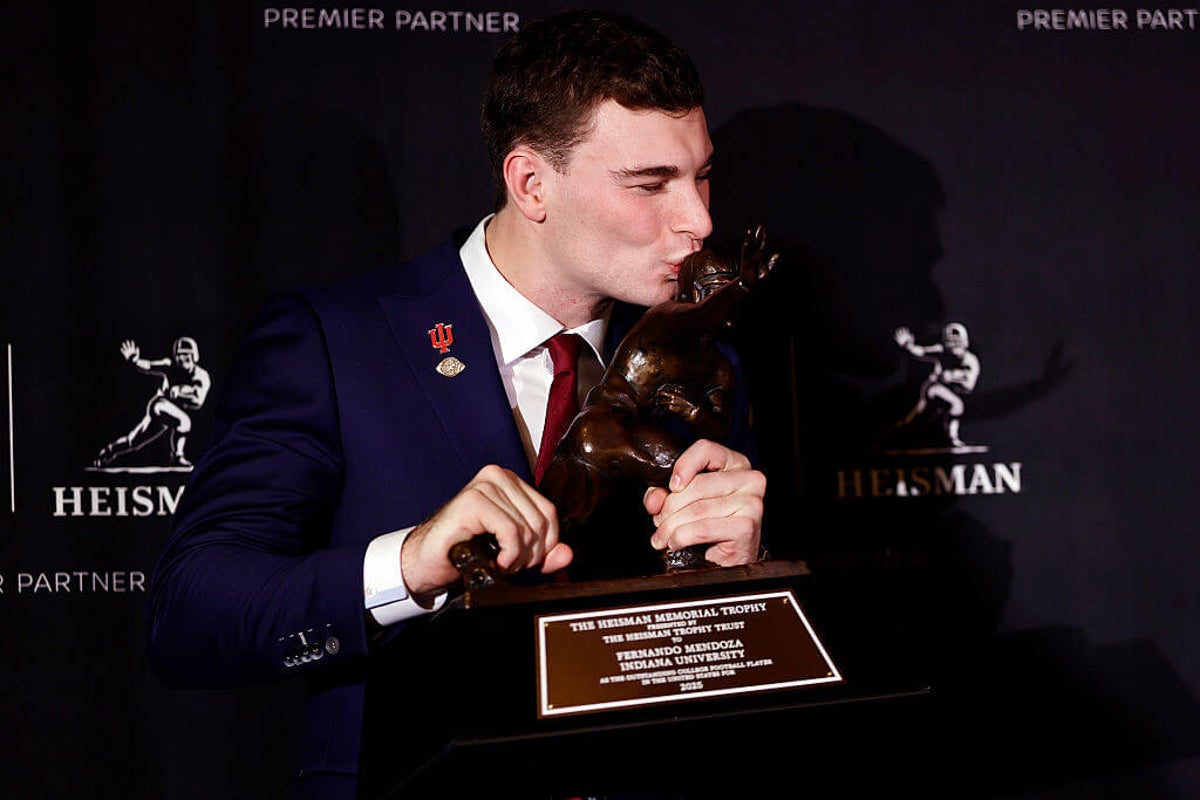
Arch Manning is in good company. Manning, the Texas quarterback, was the preseason favorite a year ago to win the Heisman Trophy, but finished outside of the top 10.He joined 14 of the previous 15 players who opened the college football season with the best odds to win the sport’s most prestigious individual award — and did not. A long list of recent stars have fallen short of summer expectations.Manning is back in the driver’s seat to open this season, sharing the lowest odds (15-2, per BetMGM) to win the Heisman with Notre Dame quarterback C.J. Carr. Recent trends say Carr and Manning will not win. But why is it so difficult to predict the Heisman, and is there any science to doing so? Theories from college football experts and former winners vary. Recent winners shared a few qualities, but there’s no surefire thing they all had in common entering their Heisman season.“I look at it kind of backwards,” said Rick Neuheisel, the CBS Sports analyst and former head coach at UCLA, Washington and Colorado. “Once we decide who the best player is, then we pick them apart. And we end up being more excited about somebody who’s come from nowhere — a Cam Newton or a Lamar Jackson — who have these incredible years.”An analysis of data from 2010 to 2025 reveals clear trends. The only preseason favorite in the past 16 years to walk away with the trophy was Marcus Mariota, the former Oregon quarterback, in 2014.Indiana’s Fernando Mendoza in 2025 was the seventh Heisman winner since 2010 who did not start the season among the top 20 favorites. He opened at 55-1, then threw for nearly 3,300 yards and 33 touchdowns amid a perfect season before the 931 ballots were due on the second Monday in December.And Mendoza connected several other common threads among recent winners.A transfer from Cal, Mendoza emerged from off the radar. He isn’t alone:• Only five of the past 16 winners started among the top 10 favorites. Transfers, meanwhile, have won seven of the past nine years.• Quarterbacks have won 21 of the past 26. Only one running back — Derrick Henry in 2015 — has won the award since 2009.• Experience matters. Since Johnny Manziel and Jameis Winston won as redshirt freshmen in 2012 and ’13, of the nine quarterbacks to win, only Bryce Young at Alabama in 2021 entered his Heisman season without starting experience.• Twelve of the past 13 winners played for a team that ranked in the preseason AP top 20. Colorado’s Travis Hunter was the lone outlier in 2024. But since 2006, only Young played for a team ranked No. 1 in the preseason.Many of the preseason favorites still thrived. Dillon Gabriel in 2024 and CJ Stroud in 2022 finished third. Trevor Lawrence in 2020, Tua Tagovailoa in 2018 and Andrew Luck in 2011 placed second.But six preseason favorites since 2010 finished outside of the top 10. The weight of expectations can prove burdensome for the early favorites.“There are some who don’t give it much attention,” Neuheisel said. “There are others who wear it like a coat.”It’s also just more likely, Neuheisel said, that the ever-important “Heisman moment” will come from a large pool of relative unknowns instead of from the one or two favorites.As with everything in college football, don’t overlook the impact of the transfer portal in turning the Heisman race upside down. It serves as something of a “self-sorting mechanism,” said Brett Ciancia, founder and owner of Pick Six Previews, an analytics-driven college football publication.“Eventually the cream rises to the top,” Ciancia said. “The best players are finding their ways to starring roles. You see a flow of talent up to the ACC and Big 12 and then again up to the SEC and Big Ten. I think if you compare it back to 10, 20 years ago, a lot of these winners and contenders, we might not have even seen them get to the light of day.”Miami's Darian Mensah will try to become the fifth consecutive transfer to lift the Heisman Trophy. (Jim Dedmon / Imagn Images via Reuters Connect)So can the Heisman be predicted?Undeniably, the selection of a Heisman winner is an unscientific endeavor. Here’s a bid, though, applying the above trends — in an elimination-style scientific method — to pick the next recipient. Seven quarterbacks check every box:• Miami's Darian Mensah. He offers perhaps the best comparison to Mendoza, a fourth-year player with starting experience who transferred from one Power 4 program to another, more high-profile one. Mensah is listed among the top six favorites at 11-1 and plays for the No. 7 team.• Indiana’s Josh Hoover. The TCU transfer who is literally standing in Mendoza’s position. Hoover’s opening odds are 12-1 for the sixth-ranked Hoosiers.• Ole Miss' Trinidad Chambliss. A second-year starter with a favorable preseason position (9-1 odds) who plays for the No. 9 team. The path of LSU’s Jayden Daniels in 2023 — second-year SEC starter in a good offense — comes to mind.• Oregon’s Dante Moore. Think Joe Burrow at LSU in 2019. Moore enters with 10-1 odds after finishing outside the top 10 last year. He fell out of favor with voters when the Ducks lost last year to Mendoza and Indiana in Week 7 and Moore threw two interceptions. Oregon opens this year at No. 2 in the AP poll.• Oklahoma’s John Mateer. With one season under his belt in the SEC after a transfer from Washington State, Mateer is listed at 20-1 for the 10th-ranked Sooners.• Penn State's Rocco Becht. The longest shot of the group at 66-1, he was a three-year starter at Iowa State who came with his coach, Matt Campbell, and most of the Cyclones’ star power to Happy Valley. The 18th-ranked Nittany Lions play about as soft a schedule as the Big Ten permits, allowing Becht a good shot at a stellar five-game start to catch the attention of voters.• LSU’s Sam Leavitt. The portal’s biggest prize of 2026, he opens at 20-1 for the 11th-ranked Tigers. First-year coach Lane Kiffin can provide a boost for Leavitt in much the way that Lincoln Riley did at Oklahoma for Baker Mayfield in 2017 and for Caleb Williams at USC in 2022.If you relax the transfer requirement, the most arbitrary of the recent trends, many others fit the bill. Including:• Georgia’s Gunner Stockton. Stockton, with 16-1 odds, has got everything going in his favor as a returning starter on the No. 3 team. Alabama’s Young is a solid comp from five years ago.• Washington's Demond Williams Jr. He declared his intention to enter the transfer portal after last season but stayed with the Huskies for a third year. He fits the bill as an elite talent in the Big Ten for a team ranked No. 17 to open the year. His 50-1 odds are Mendoza-like.Beyond the data, the human element looms. It fosters an environment of unpredictability.In conversations with past winners, all of whom receive lifetime-voter status, 2001 recipient Eric Crouch said he was struck by the wide range of opinions shared. The Heisman Trophy Trust enlists its voters simply to select the “most outstanding college football player in the United States.”“Everybody has a slightly different viewpoint on what they’re looking for,” Crouch said. “Some people may be looking for a leadership trait that’s not tied to a skill. It’s pretty dynamic. I don’t have a formula written down.”Crouch won by throwing for 1,510 yards and rushing for 1,115 with a Nebraska team that lost one game in the regular season and played for a national championship. He accounted for 26 touchdowns and enjoyed an undeniable Heisman moment — catching a trick-play pass for the decisive touchdown in a No. 1 vs. No. 2 matchup against Oklahoma.“More than stats, I look at how effective (the candidates) are in putting their team in position,” Crouch said. “Are they a game changer? Can they make things happen in big games and raise the level of their team up?“You don’t have to have a moment. But all of those things are part of it.”It takes a perfect storm of factors that’s not easy to assess in August — in this era more than ever.
Why is it so hard to predict the Heisman Trophy winner — and can it be done?
Fernando Mendoza and Travis Hunter were both preseason long shots to win the Heisman. Is there any science to identifying them?
1,368 words~6 min read