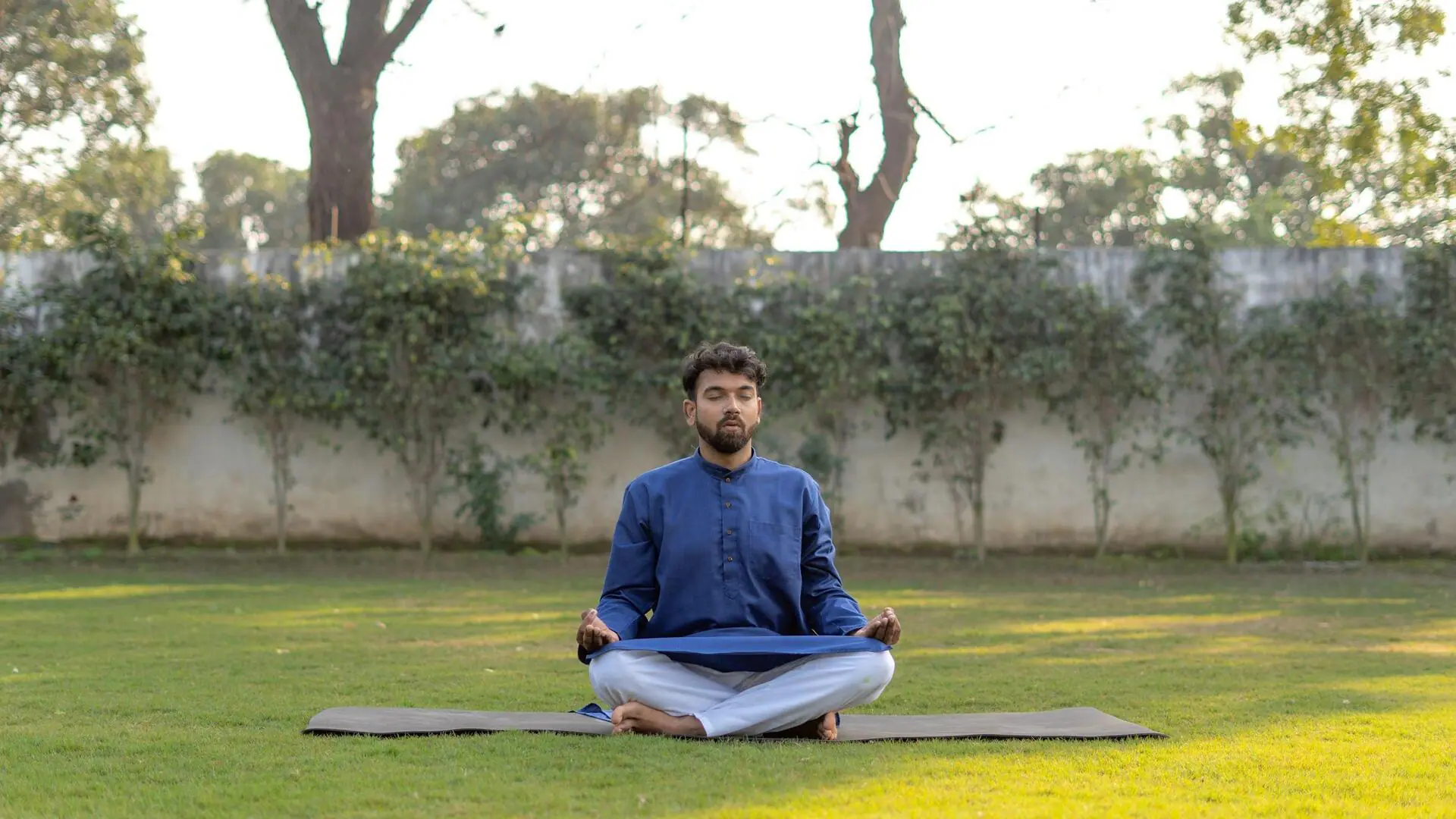
Amid rising workplace stress and burnout, with nearly half of Americans experiencing weekly stress, meditation is emerging as a critical career advantage.gettyA growing body of research shows just how deeply stress has taken hold in 2026. A recent Ohio State University study finds that nearly half of Americans experience stress at least once a week, while one in six faces it every day. Meanwhile, a Clarify Capital survey of 1,005 U.S. employees reveals that 28% of burned-out workers are actively considering leaving their jobs.In a workplace dominated by constant notifications, escalating demands and what many now call the “infinite workday,” one of the most powerful career advantages might not be a new credential, technical skill or side hustle. It could be something far simpler—and frequently overlooked: the ability to sit still and pay attention.Meditation, once dismissed as a fringe wellness practice, is now embraced by executives, entrepreneurs and other high performers as a serious cognitive and leadership tool. And for good reason. Research suggests that meditation doesn’t merely help you feel better; it can help you perform better.At a time when burnout is rising and attention is under siege, meditation breaks offer something rare. You no longer have to sit cross-legged for 20 minutes, burn incense or block every thought from your mind. Brief five-minute meditations and “Micro-chillers” on the go as you move through the day help you remain steady, clear and energized throughout the day.Psychologist Eli Susman, author of Micropractice: A Science-Backed Approach for Calm, Clarity and Joy, advocates noticing during the tiny pockets of time in your workday. Instead of setting aside 30 minutes for meditation, he reveals how micropractice—lasting 30 seconds or less—improves stress and well-being.6 Ways Meditation Can Boost Your Career1. It Sharpens Your FocusThe modern workplace is engineered for interruption. Emails, Slack messages, texts and back-to-back meetings continually fracture your attention. Meditation trains your mind to notice distractions and return to the task at hand. Even brief mindfulness sessions can reduce mind-wandering and strengthen working memory, helping you concentrate longer and produce higher-quality work.From a SkyMind perspective, meditation helps you step outside relentless mental chatter—“What’s next?” “What did I forget?” or “What if something goes wrong?”—and return to what is actually in front of you. Over time, you develop the ability to stay engaged with complex work without being hijacked by every notification or intrusive thought.2. It Helps You Perform Better Under PressureStress is often treated as the unavoidable price of success, but chronic stress doesn’t improve performance. It gradually erodes it. Research has linked mindfulness practices with lower stress, fewer symptoms of burnout and stronger emotional regulation—all essential when the stakes are high.Meditation helps you distinguish the “first zinger” from the “second zinger.” The first is the unavoidable deadline, disappointment or difficult interaction. The second is the mental spiral that follows—the worry, frustration, blame or self-criticism that magnifies the original problem.Meditation cannot always prevent the first zinger, but it can interrupt the second. It creates a pause between the stressful event and your reaction, allowing you to respond from clarity instead of fear or frustration.3. It Strengthens Emotional IntelligenceTechnical skills may help you land a job, but emotional intelligence often determines how far you advance. Meditation builds self-awareness by helping you recognize your emotional patterns before they take control.When you learn to observe your thoughts and feelings without immediately acting on them, you begin to notice impatience, defensiveness or insecurity as it arises. That awareness gives you the ability to choose a more thoughtful response.In practical terms, greater self-awareness can lead to stronger communication, fewer unnecessary conflicts and better workplace relationships. Leaders who listen fully and regulate their reactions are also more likely to build trust and create psychologically safe teams.4. It Expands Creativity And Strategic ThinkingCreative thinking requires mental space. When your mind is crowded with urgency and repetitive thoughts, you tend to fall back on familiar solutions. Open-awareness meditation—the practice of observing thoughts without clinging to or judging them—can help loosen those automatic patterns and create room for new ideas.CloudMind restricts thinking to patterns shaped by past experiences, fears and assumptions. It asks, “What has worked before?” or “What is the safest choice?” SkyMind creates enough distance from those automatic responses to reveal alternatives you might otherwise overlook.That ability to see a problem from several angles is especially valuable in leadership, innovation and strategic decision-making. Some high-performing leaders use meditation not simply as a break from work, but as a way to think more expansively about it.5. It Builds Resilience During UncertaintyCareers today are increasingly unpredictable. Layoff fatigue, artificial intelligence, industry disruption and rapidly changing job requirements have made adaptability essential.Meditation builds resilience by changing your relationship with uncertainty. Instead of automatically treating discomfort as a threat, you learn to notice it without becoming overwhelmed by it. Rather than interpreting every setback as proof that your career is collapsing, you can step back, gain perspective and identify your next move.CloudMind experiences uncertainty as danger. Sky Mind makes room for a broader perspective, helping you recover from disappointment, regain your footing and continue moving forward.6. It Strengthens Executive PresenceEffective leaders often possess a quality that is difficult to quantify but easy to recognize: presence. They listen carefully, remain composed under pressure and communicate with clarity instead of urgency.Meditation cultivates that presence by training you to remain grounded in the moment. Research has associated mindfulness with better communication, more thoughtful decision-making and stronger leadership performance.There is also a perceptual benefit. People experience you differently when you’re fully present. You appear more confident, credible and composed because you are not distracted, rushing or reacting impulsively. Whether you’re interviewing for a job, leading a meeting, presenting to senior executives or managing a crisis, that calm and focused presence can become a decisive career advantage.The Career Advantage Most People OverlookIn a culture that rewards speed, multitasking and constant output, meditation can seem counterintuitive. Sitting still doesn’t look productive. But that is precisely why it can be so powerful.Meditation isn’t about doing less. It is about bringing more alertness, clarity and intention to what you do. It helps you strengthen the abilities that drive sustainable career success: focus, emotional regulation, resilience, creativity and presence.The employees most likely to thrive in the years ahead won’t necessarily be those who work the longest hours, acquire the most credentials or answer every notification first. They will be those who can manage their attention, steady their emotions and think clearly under pressure.That advantage doesn’t begin with working harder. It begins with taking a time-out, turning inward and learning how to chill.
6 Ways Five-Minute Daily Meditations Can Boost Your Career
Amid rising workplace stress and burnout, with nearly half of American workers reporting weekly stress, brief meditations are emerging as a critical career advantage.
1,090 words~5 min read