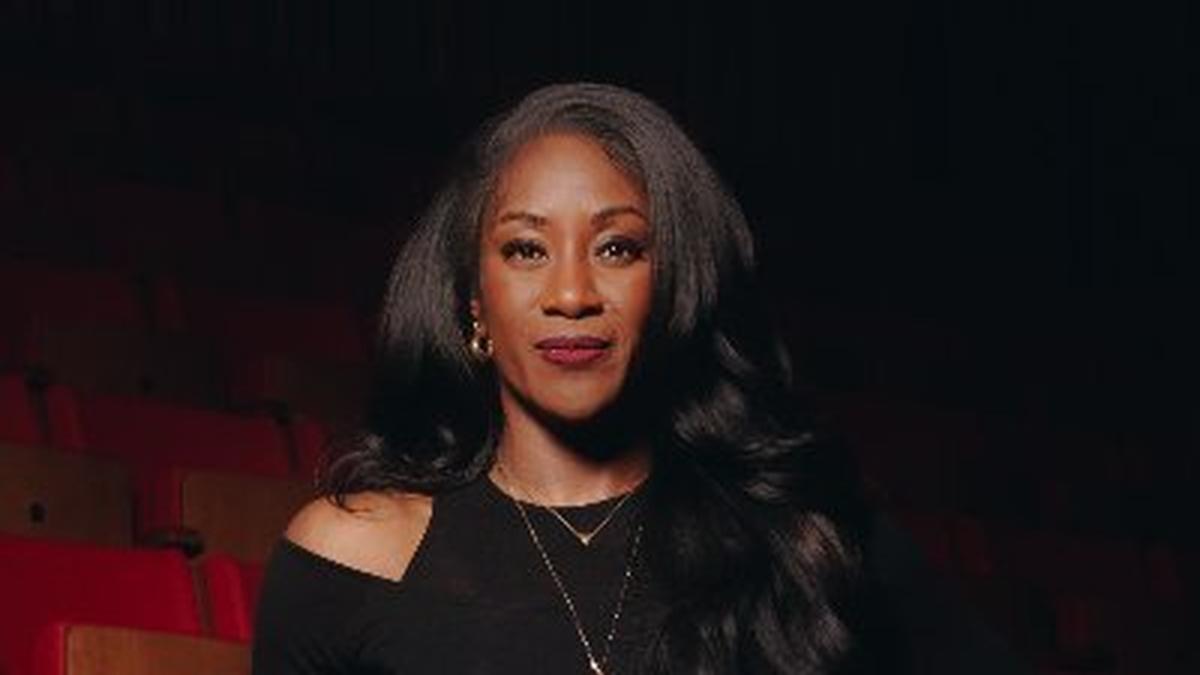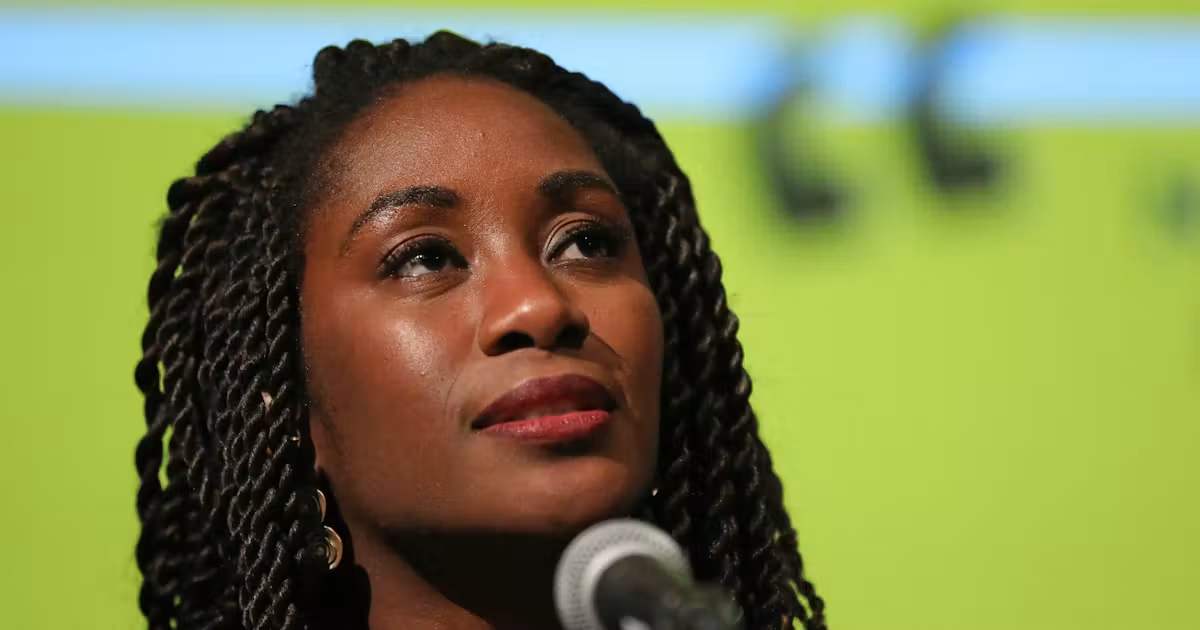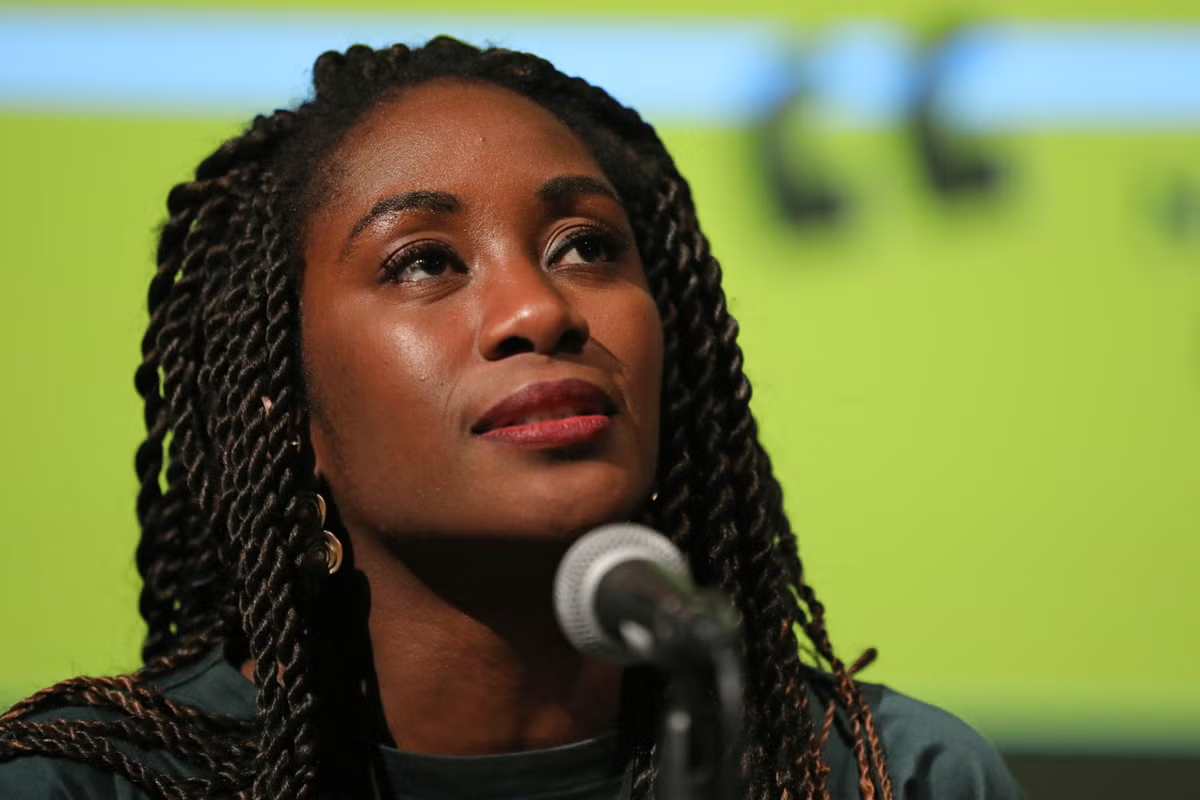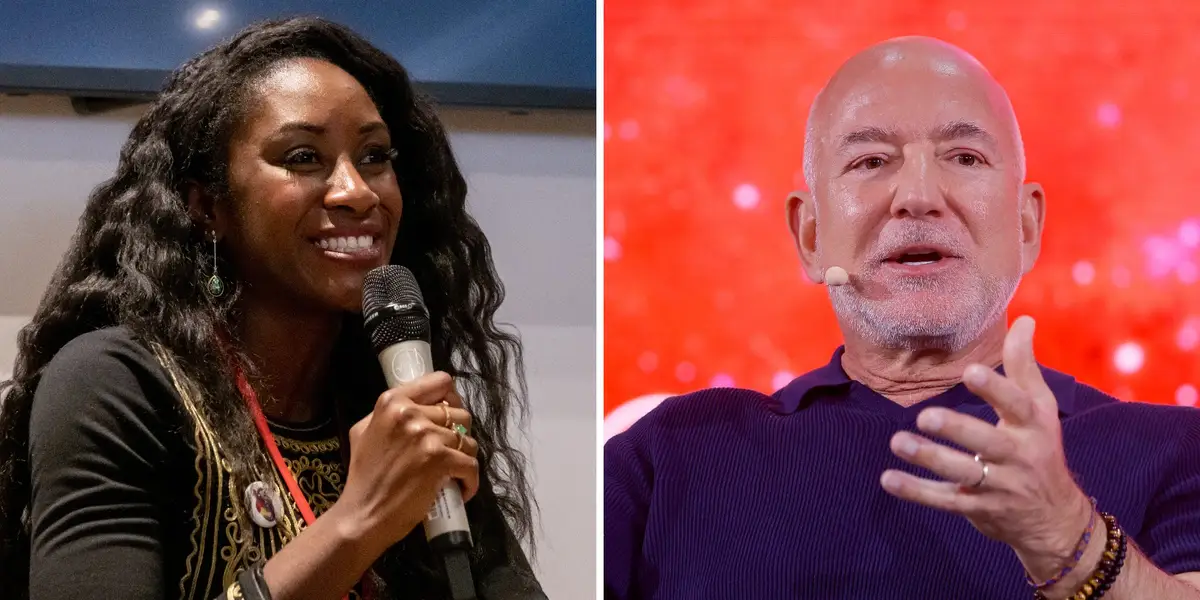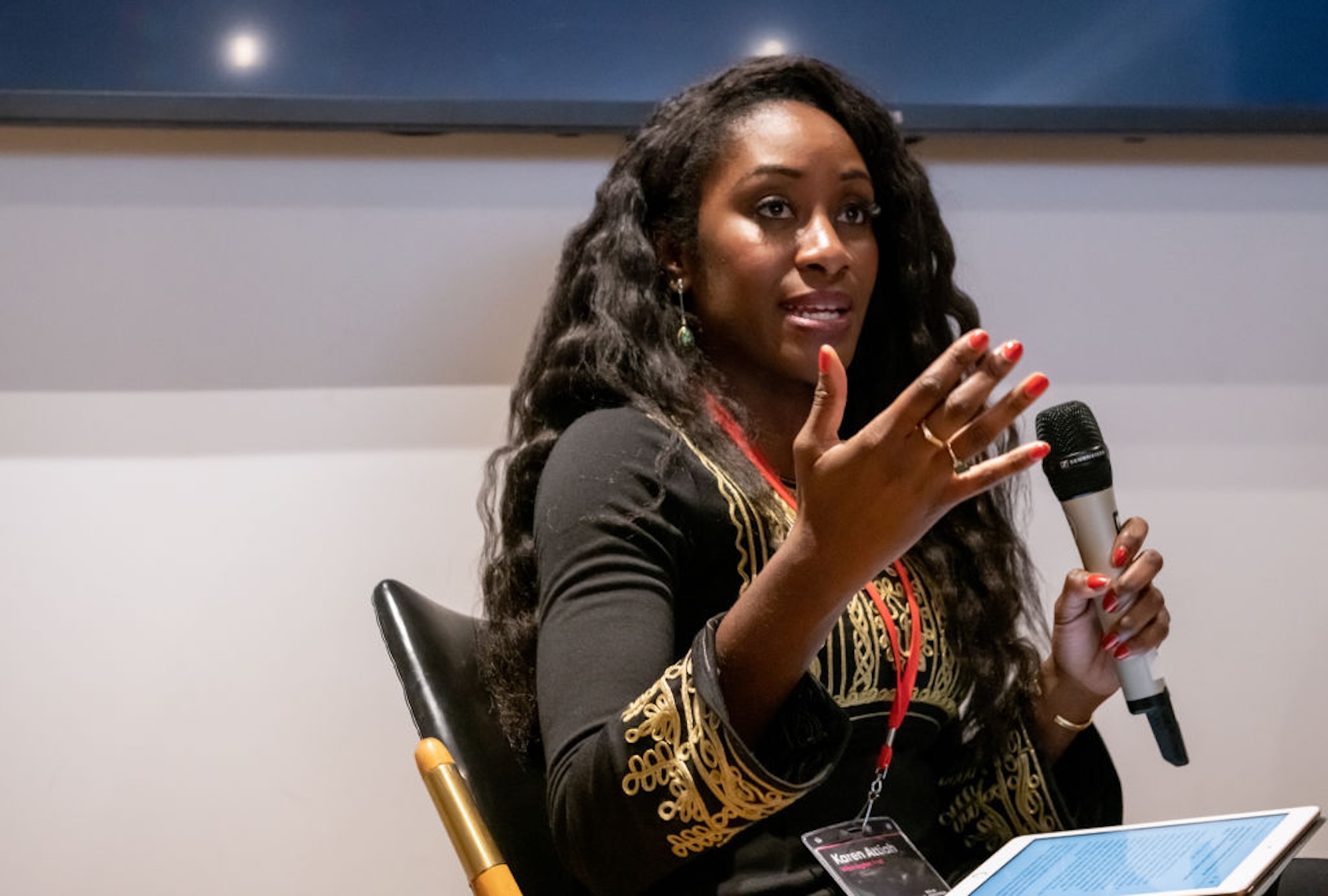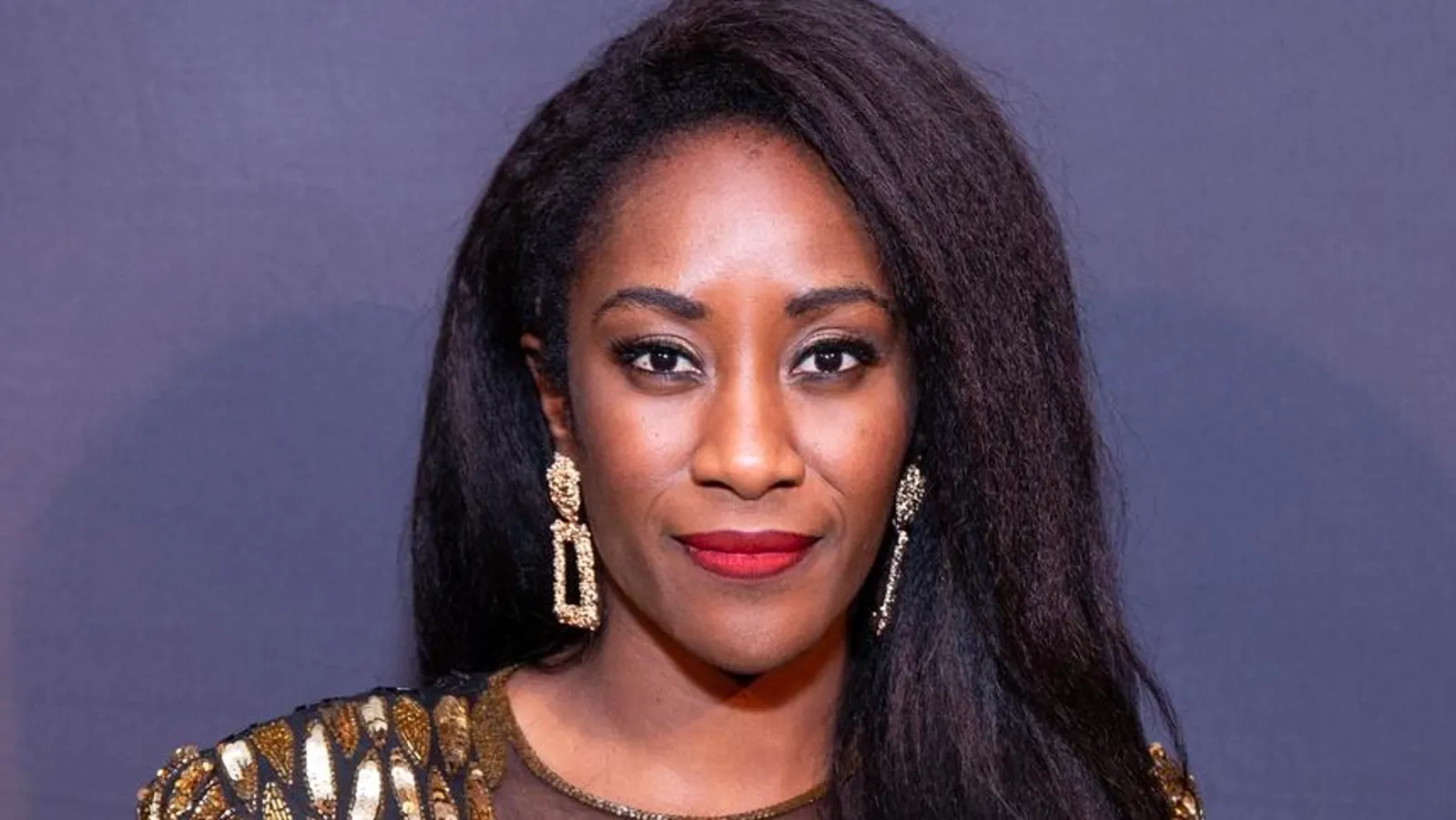
The Washington Post was ordered to rehire fired opinion columnist Karen Attiah.Getty ImagesThe Washington Post was ordered to rehire fired opinion columnist Karen Attiah, after she was let go from the publication for posts she made on social media last year following the killing of conservative figure Charlie Kirk. Attiah worked at the Post for 11 years prior to her termination. Sarah Miller Espinosa, a private arbitrator, determined that the Post did not have an adequate reason to terminate Attiah and violated its labor agreement when it did so. In a Substack article written after her termination in September 2025, Attiah explained, “My most widely shared thread was not even about activist Charlie Kirk, who was horribly murdered, but about the political assassinations of Minnesota lawmaker Melissa Hortman, her husband and her dog.” The Post and Attiah did not immediately respond to a request for comment. In her Substack article about the firing, Attiah explained that the Post accused her posts of being “unacceptable,” “gross misconduct,” claiming that they compromised the safety of her coworkers. She went on to share that she felt the decision was a “violation of the very standards of journalistic fairness and rigor the Post claims to uphold.” One issue that was apparent from this situation was the ambiguous criteria that were used to determine that Attiah should be fired. It didn’t seem clear what specifically about Attiah’s posts violated the publication’s conduct policies. In many workplaces, vague and subjective policies are often applied unfairly, especially to employees from historically marginalized and excluded populations. Black women are often on the receiving end of misogynoir, workplace harm and mistreatment, according to a 2025 report. They may be scrutinized more harshly and judged less fairly than their counterparts, according to Harvard research. Double standards when it comes to the adequate application of norms and standards are a common experience for Black women. Even when companies have workplace policies and practices that are in and of themselves fair and objective, they are not always applied in the same way for Black women, who often get labeled as unprofessional or angry, are underpaid and experience greater systemic barriers than their counterparts. The time of Attiah’s termination was during a moment when there was greater focus on Kirk and anyone who posted anything that could be interpreted as criticism. There were groups of individuals specifically searching out these types of posts and sharing them for the sole purpose of punishment and repercussions. When these types of incidents happen, workplaces that have ironclad policies grounded in equity may abandon their stated values to avoid public backlash and scrutiny. It is important, though, for companies to not capitulate or cave to public pressure because it is often fleeting and won’t matter much in the long-term. Even with the Post being ordered to give Attiah her job back, the question remains what will change moving forward to prevent these types of issues from happening again. How will employee free-speech rights be protected, especially during such a contentious time, when more spotlight is being placed on dissenters, resisters and those who won’t go along with the status quo? When harm has happened in the workplace, those most impacted must answer the question of what repair looks like for them. In addition, for the employees who were left to pick up the pieces and watched what happened to Attiah, what steps will be put in place to rebuild trust with them? These are important questions that must be considered.MORE FOR YOU
Karen Attiah Was Fired. Now She's Rehired. What Should Come Next?
Karen Attiah got her job back after being fired over posts on Charlie Kirk's killing. Here's what should come next.
585 words~3 min read