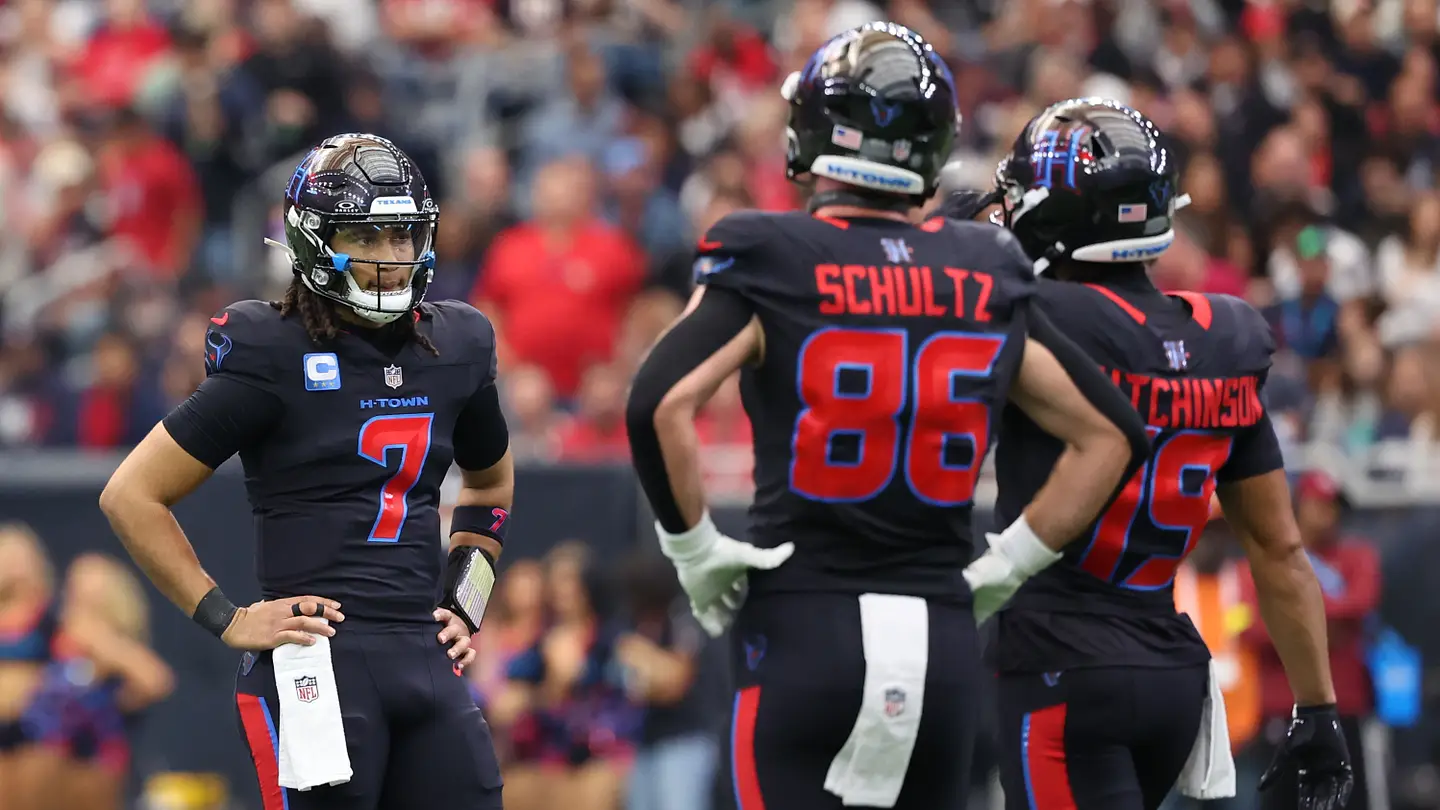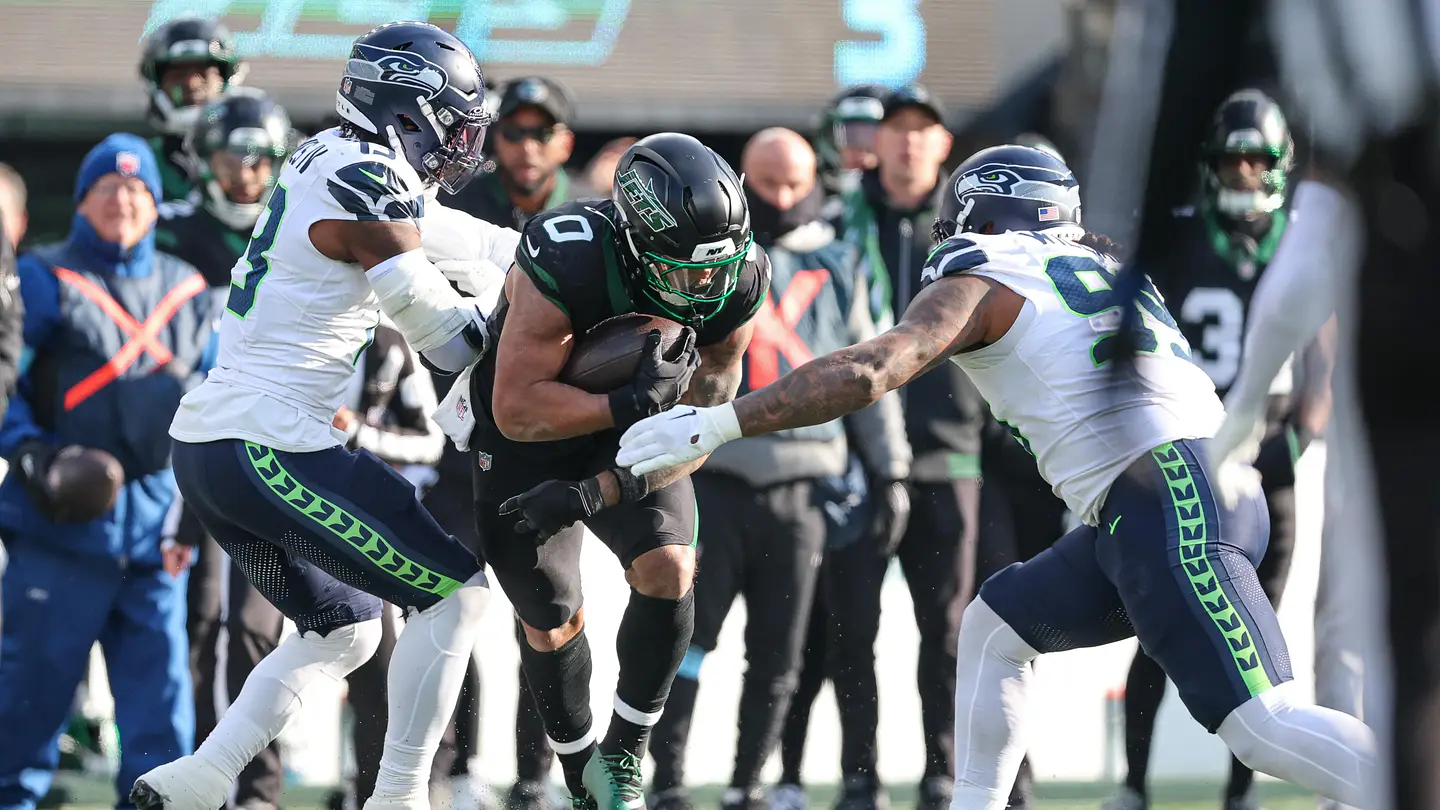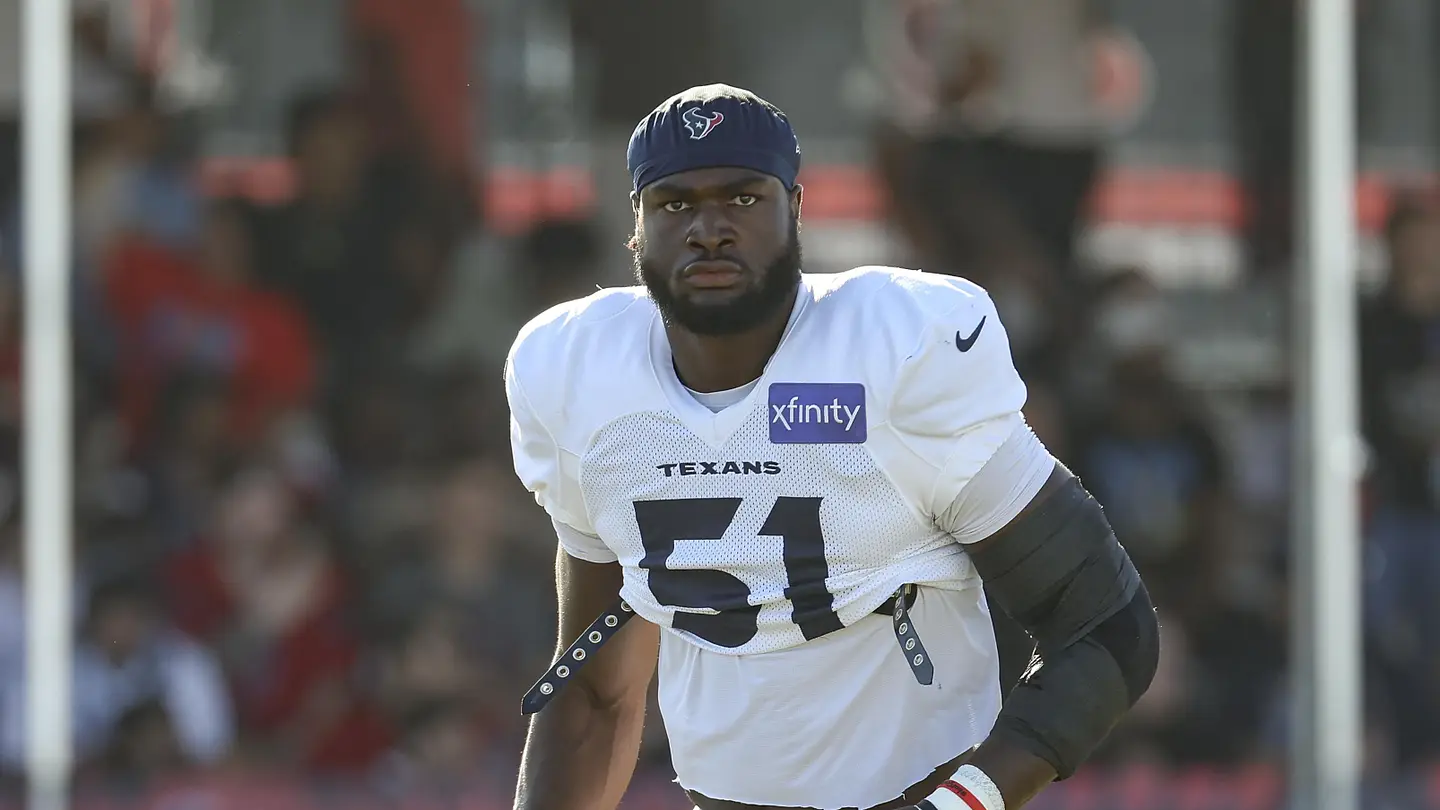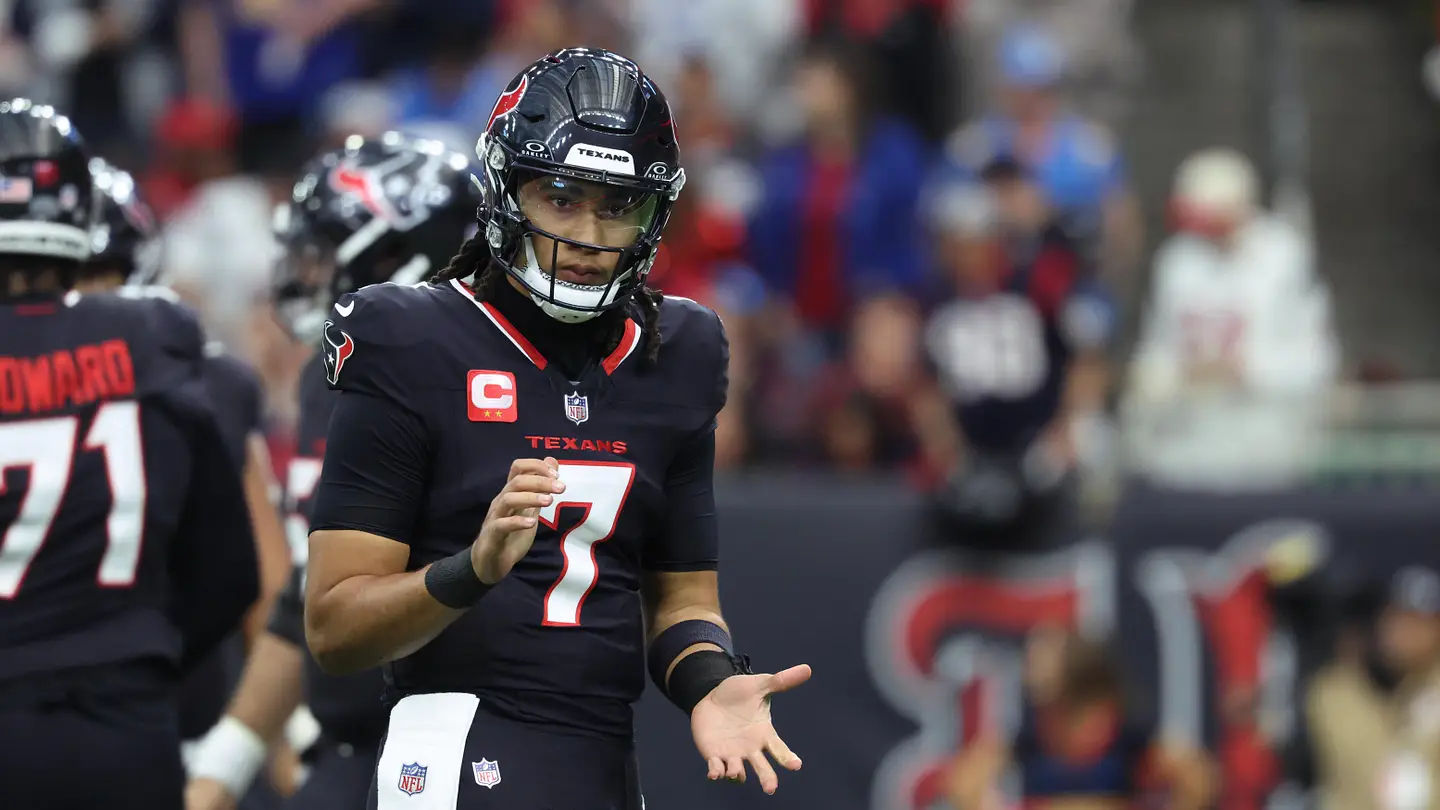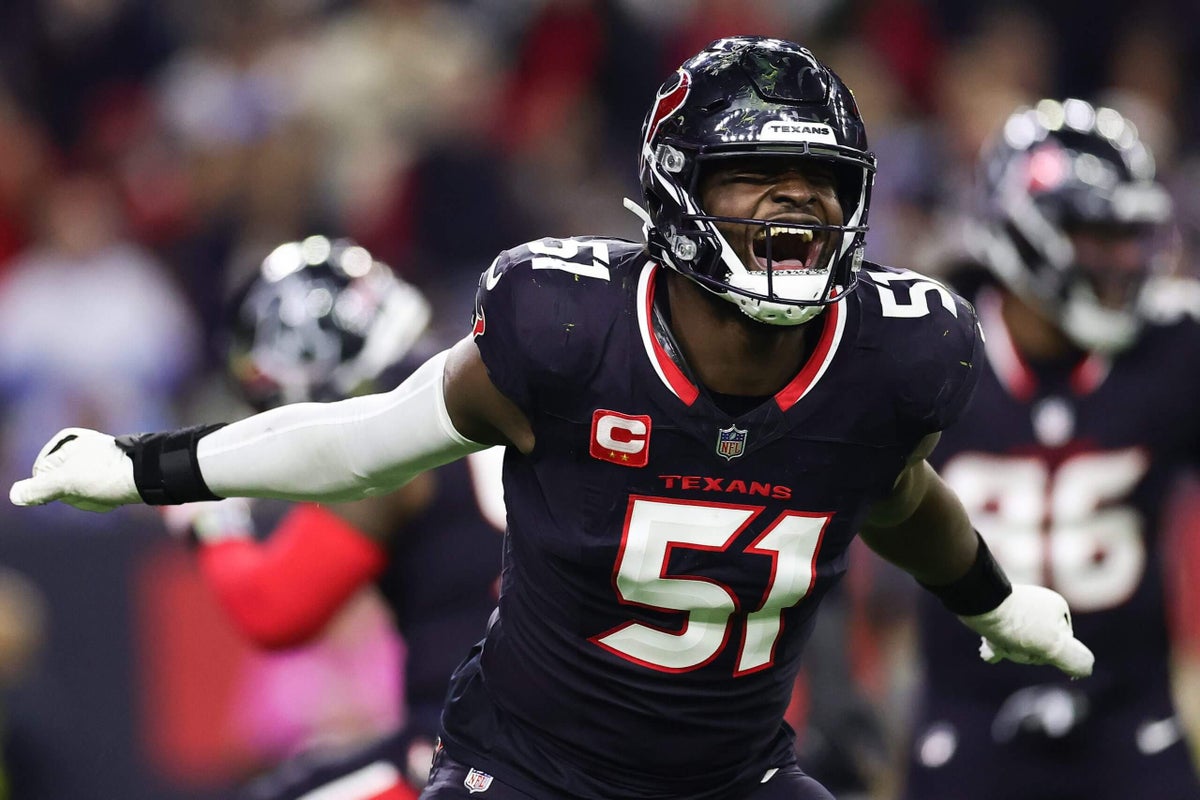
The Los Angeles Rams have assembled a super team that could be capped by the return of Aaron Donald, but they’ll have several players playing together for the first time, and cohesion isn’t guaranteed. The Seattle Seahawks are the defending champions but have lost two key members of their secondary in free agency and their second-round pick, safety Bud Clark, who was supposed to be a replacement for Coby Bryant, broke an ankle in the preseason.The Rams and Seahawks could very well finish with the top defenses this season, but the Houston Texans have a strong case to finish first and be a historically memorable unit. The defense alone is dominant enough to make the Texans playoff contenders, and with improvement from the offense in its second year in coordinator Nick Caley’s system, they are legitimate Super Bowl contenders.Can Houston Texans 'generational' defense carry them to Super Bowl?Robert MaysThe Texans’ defense is keeping a core of eight together for the third year in a row, playing in the same system, which rarely happens in the salary-cap era. Will Anderson Jr. and Danielle Hunter make up the best edge duo in the league. Derek Stingley Jr., Kamari Lassiter and nickel Jalen Pitre are the best cornerback trio in the league. Linebacker Azeez Al-Shaair fits this system perfectly, and though he can step over the line, he personifies this defense’s attitude. Safety Calen Bullock and linebacker Henry To’o To’o aren’t household names, but they round out the eight.After the Texans finished second to the Seahawks in points allowed per drive (1.48), where does their defense improve? Defensive coordinator Matt Burke, to whom coach DeMeco Ryans handed play-calling duties last season, said they Texans entered the offseason looking to reduce explosive passes and improve in the red zone.“I think we had one drive all year that we gave a touchdown on that didn’t have an explosive,” Burke said. “It’s pretty hard to score on us if you’re not generating explosive plays like that.”The Texans ranked in the top five in nearly every major category last season, but they ranked 16th in explosive passes allowed (passes of 20 yards or more). Twenty of their 78 explosive pass plays allowed came against man coverage. They didn’t play a ton of man — they ranked No. 18 in percentage of man played, but an issue could be that they don’t try to disguise when they do.This presnap look was on Kayshon Boutte’s touchdown against the Texans in the playoffs. The defense showed blitz and single-high with pressed corners, so Drake Maye knew exactly where to go with the ball before the snap.This is an easy fix. The benefit of having the same players in the system is that layers can be added. The defense has a reputation for keeping its menu limited and playing fast but is a lot more varied than it gets credit for. Burke said the Texans are also working on eliminating miscommunications, improvement that, again, can come with time together. For example, on third down, they lead the league in Cover 6 usage — a two-high coverage usually associated with Vic Fangio-influenced defenses.The Texans play two deep safeties at the 12th-highest rate in the league. Teams that use this scheme typically play more passively up front. They want their defensive line to control the gaps to make ballcarriers run outside so their secondary has time to come up and help. Teams using an attacking style usually have to keep an extra safety in the box to account for every gap. The Texans have been able to remain sound against the run, keeping two safeties back and attacking up front.“Our belief system is that we want to be disruptive up front in attacking, and we don’t want to read blocks,” Burke explained. “And so when you have to run fit out the second level or behind that, that’s how you develop your coverage process, what fits with that front and how we can play. So there’s certain ways we can adjust that.”Unlike many modern coverages that have the defensive line play a certain style to provide flexibility in coverage, the Texans’ coverage system is built around allowing their front to attack.“Honestly, having someone like (Jalen) Pitre as a nickel, who can still be a good run player when he’s out in space and apex, is key,” Burke said. “And then, obviously, having enough changeups up front and disguises. So you just build (the system) out where you’re not just sitting on one thing, one coverage, one front, like that’s not how we play, either. There’s enough wrinkles, there’s a lot of good players. Again, our starting point for our front is we want to be disruptive and attack, and we don’t want to alter that.”Here, the Texans lined up with two deep safeties, with Pitre in the nickel. He was apexed but looked to be responsible for playing the B gap.The Seahawks had a trap play called, which is a common answer for attacking fronts. The play looked as if it was set up perfectly. Pitre was still outside the box as the running back was getting the handoff.In the blink of an eye, however, Pitre flew across the front and made a tackle for a minimal gain.Everything is built around the defensive line. Burke said the Texans even use one-word defensive play calls so the line can deploy quickly and get into the right mindset at the line of scrimmage rather than hurry if they spend too much time in the defensive huddle.This is the Legion of Boom for the modern era. Offensive coaches have made Pete Carroll’s Seahawks system obsolete, but Ryans and Burke have updated it. It’s a unique look for offenses to have to game plan against.Outside of scheme, the Texans play with a desire to destroy. They fly off the line of scrimmage and swarm to the ball. Part of it is culture, and part of it is that they look for a little frenzy when bringing in players.“You’ll hear DeMeco say, ‘This isn’t for everyone.’ The way we play … the way we practice,” Burke said at camp last week. “It’s been a long day out here today, right? Not everyone is built for that, and that’s OK. When we try to identify players to acquire, we’re very intentional in the types of people that we bring in so that they fit that style.“And then I would say, the way that we teach our front, talk about our front and the way we play … there’s a natural built-in aggressiveness to how we play, and so that sort of feeds into that stylistically throughout the rest of defense.”The offense must exude that mentality for the Texans to be contenders. They drafted interior lineman Keylan Rutledge with their first-round pick and traded for David Montgomery, a sledgehammer of a running back. Woody Marks even looked as if he’s become a more physical runner in joint practice against the Las Vegas Raiders. The Texans signed blocking tight end Foster Moreau and drafted tight end Marlin Klein in the second round to complement Dalton Schultz. The Texans were intent on adding big bodies and physicality on offense.The Texans ranked No. 30 in rushing success rate last season and No. 24 in explosive rush rate (runs of 12-plus yards). In 2024, they ranked last in rushing success rate, and in 2023 (quarterback C.J. Stroud’s rookie year), they ranked No. 25. The Texans have never given Stroud an efficient running game. To make matters worse, they ranked No. 30 in pass-block win rate last season, and they’ve had one of the most injured receiving corps since he’s been in the league. Jayden Higgins, who was expected to be the Texans’ No. 2 receiver this season, tore an ACL in the joint practice against the Raiders.The lack of help doesn’t take the onus off Stroud or absolve him of turning the ball over seven times in the playoffs last season, but he’s been fighting an uphill battle. Losing Higgins hurts, but the Texans are more equipped to handle it this season and should be more of a tight end-oriented offense even after trading for Boutte.“Last year, for a variety of different reasons, we got thinned out a little bit in the tight end room,” Caley said. “It kept us kind of more mainstream in 11 (three receivers). We’re healthier now. So we’re able to deploy different groupings and do some different things. So that’s been good here this offseason.”In Caley’s first season, the Texans ranked last in multiple tight end usage (15.3 percent). The tight end upgrades should lead to a significant increase in that percentage. Multiple tight ends will also add diversity to the run game. When Caley was in New England, the Patriots could run a variety of concepts. Caley said the Texans moved toward gap-scheme runs last season, but how they shape their run game will depend on their offensive line, which is still in flux with the added talent.They still must decide whether to play Rutledge at center or guard. He played guard in college but has quickly learned how to play center this offseason. Also, will Trent Brown or free-agent signee Braden Smith start at right tackle? One of the Texans’ 2025 second-round picks, Aireontae Ersery, played well at left tackle last season, but can he take his game to the next level this season? Free-agent signee Wyatt Teller is 31; what does he have left? Ed Ingram was a pleasant surprise last season, but will that continue?There are many questions but much more potential with this Texans line than last season. How the unit develops could have massive implications for the rest of the league. If the Texans’ offensive front can become an average unit that moves people off the line of scrimmage in the run game, Stroud would get the most help he’s had. If the offense is even average, the Texans are bona fide Super Bowl contenders.One reason the Texans moved on from former offensive coordinator Bobby Slowik was that they felt their protection schemes needed an update. In Caley’s system, the center still makes the protection call, but Stroud has many more tools to make adjustments. From the outside looking in, it was a big change for Stroud last season, but with a year’s experience, he’s looked more comfortable in the offseason.“Relative to the quarterback, everything starts with the process, obviously, in the huddle, and then when you get to the line of scrimmage, there is good chemistry between him and the center on all those things, so he has the ability to see things and move things if he needs to,” Caley explained. “He’s got the ability to do as much as he feels he wants to with the line of scrimmage based on what the situation is, whether it’s protection, whether it’s points in the run game, whether it’s being able to alert a play, signal something, etc. So he’s growing. C.J.’s growing and done a good job in year two.”The Seahawks won the Super Bowl on the strength of their defense combined with a surprisingly explosive offense. The Texans have the dogs to put together a similar blueprint. A third year in a row with eight defenders in the same system will be fun to watch. They play with a chaotic aggressiveness that has hurt them at times, but maybe some of those mistakes will get erased with the continuity. Stroud may not be a top-tier quarterback, but he looks as if he’ll have more help than ever. If he takes the next step in his development, this will be a Texans team that no one outside of Houston will want to see in January.
Why the Houston Texans have a strong case for being Super Bowl contenders
Continuity will make an already stellar defense even better. It'll be up to C.J. Stroud and the offense to be at least average.
1,954 words~9 min read