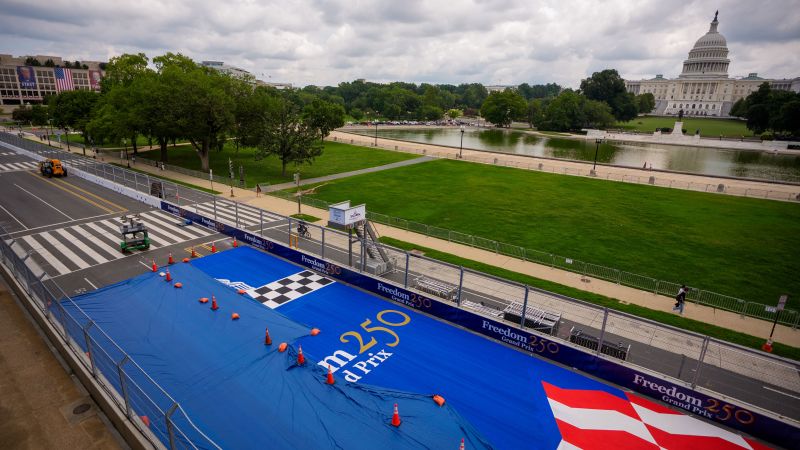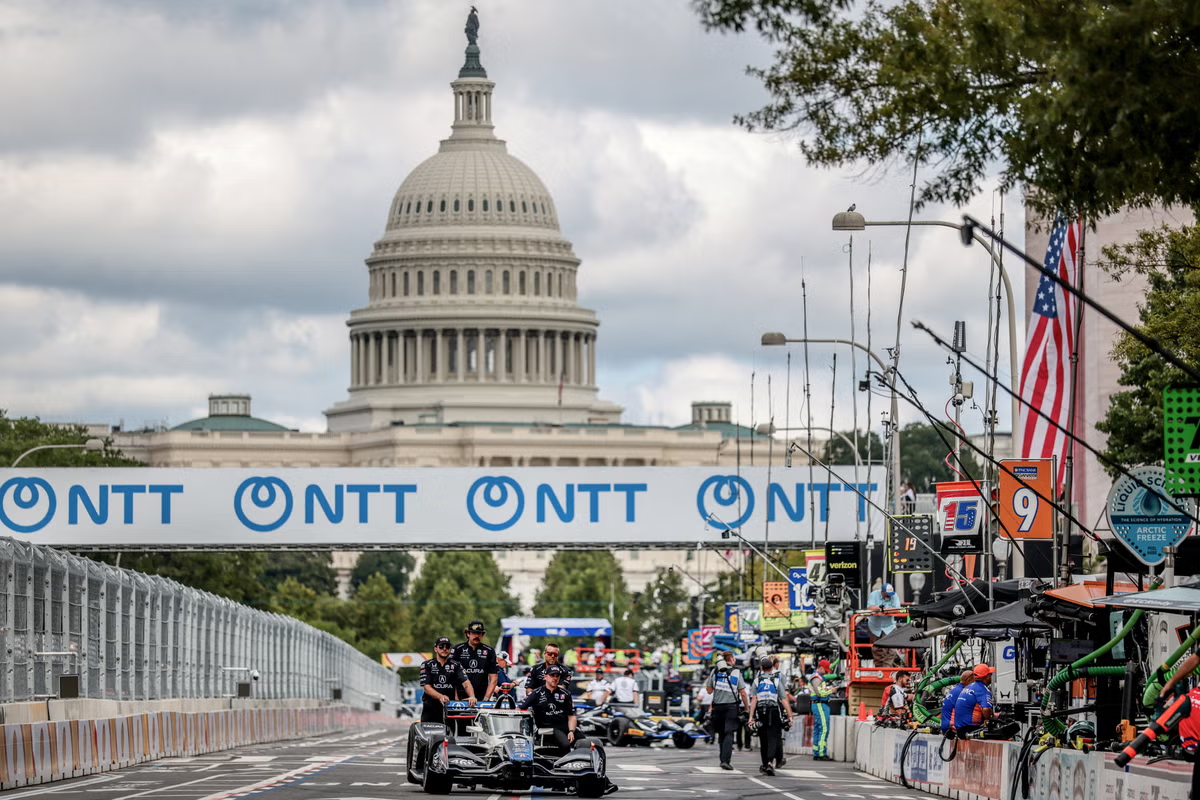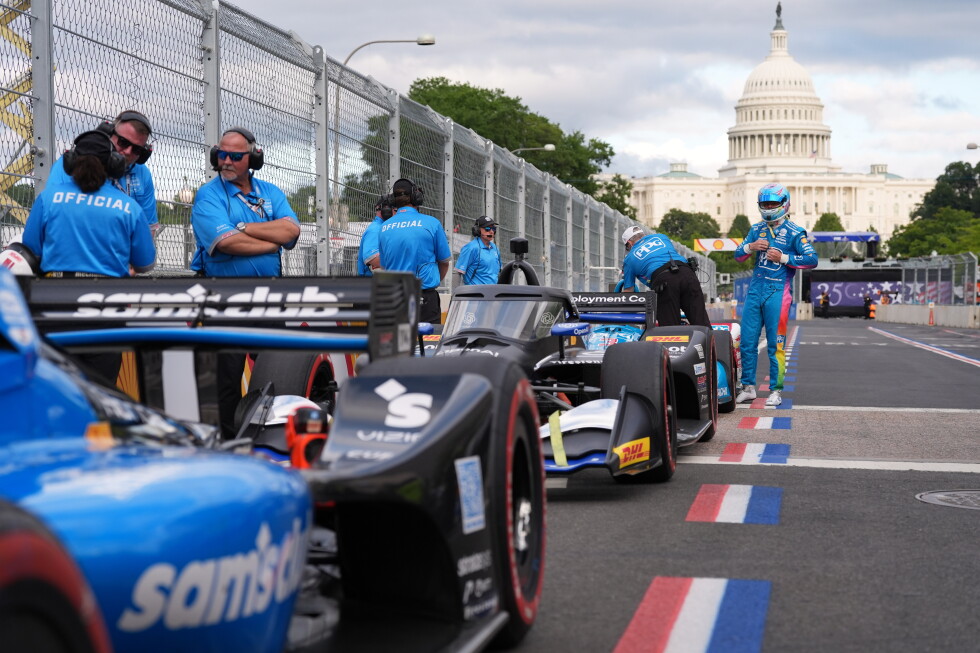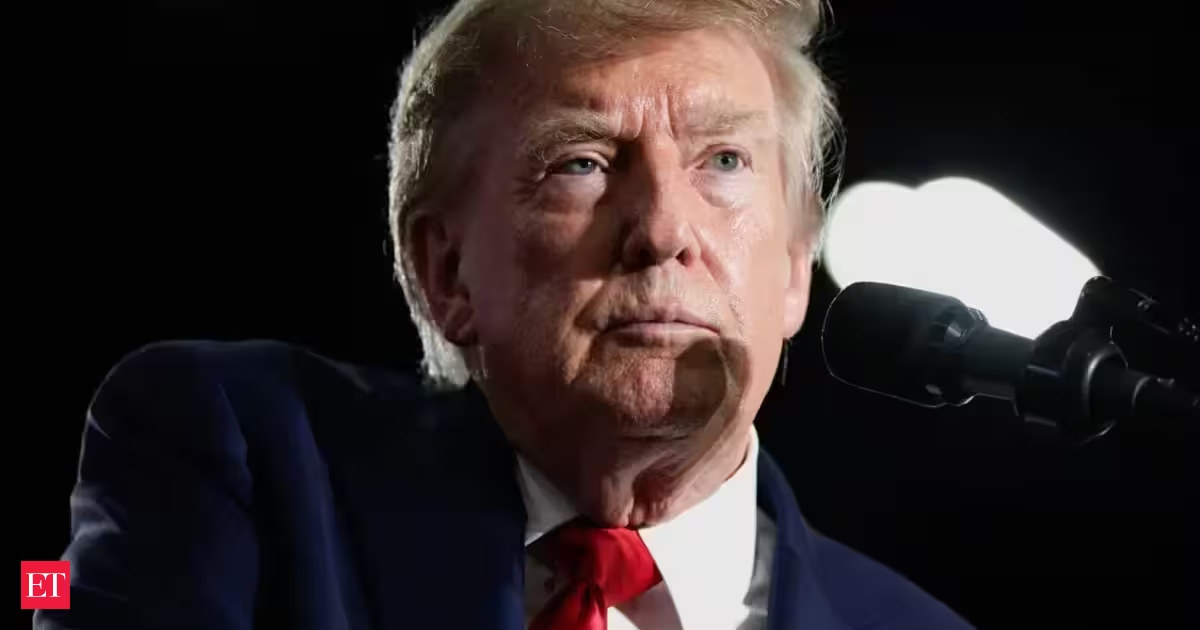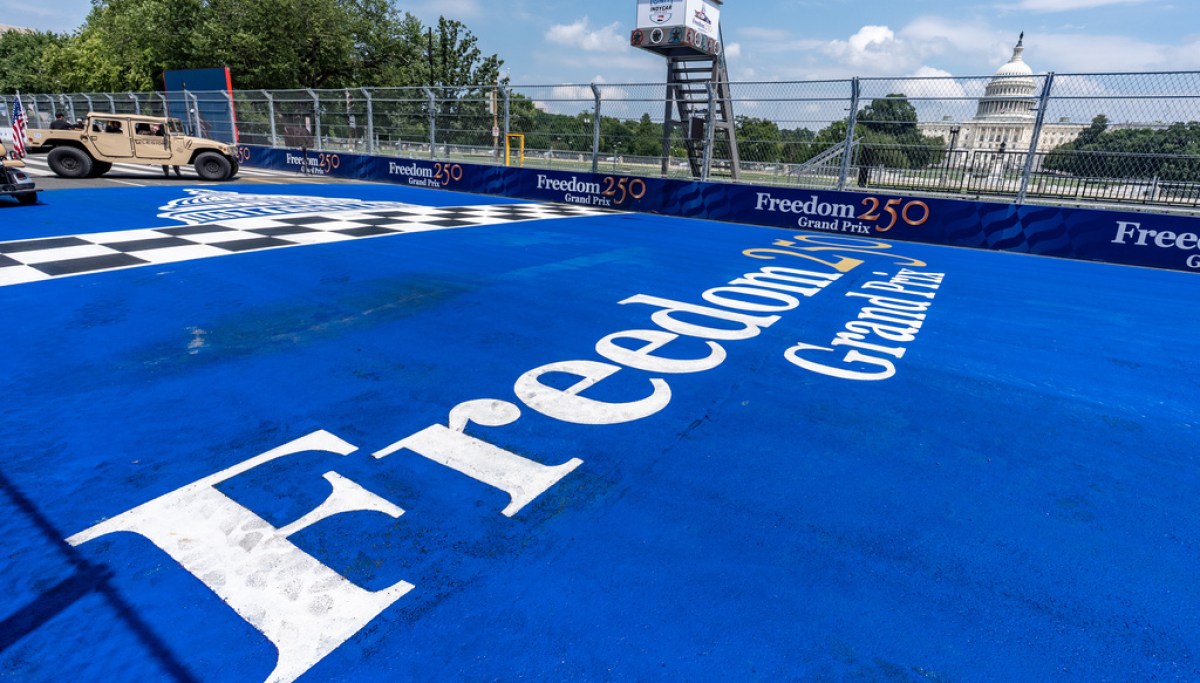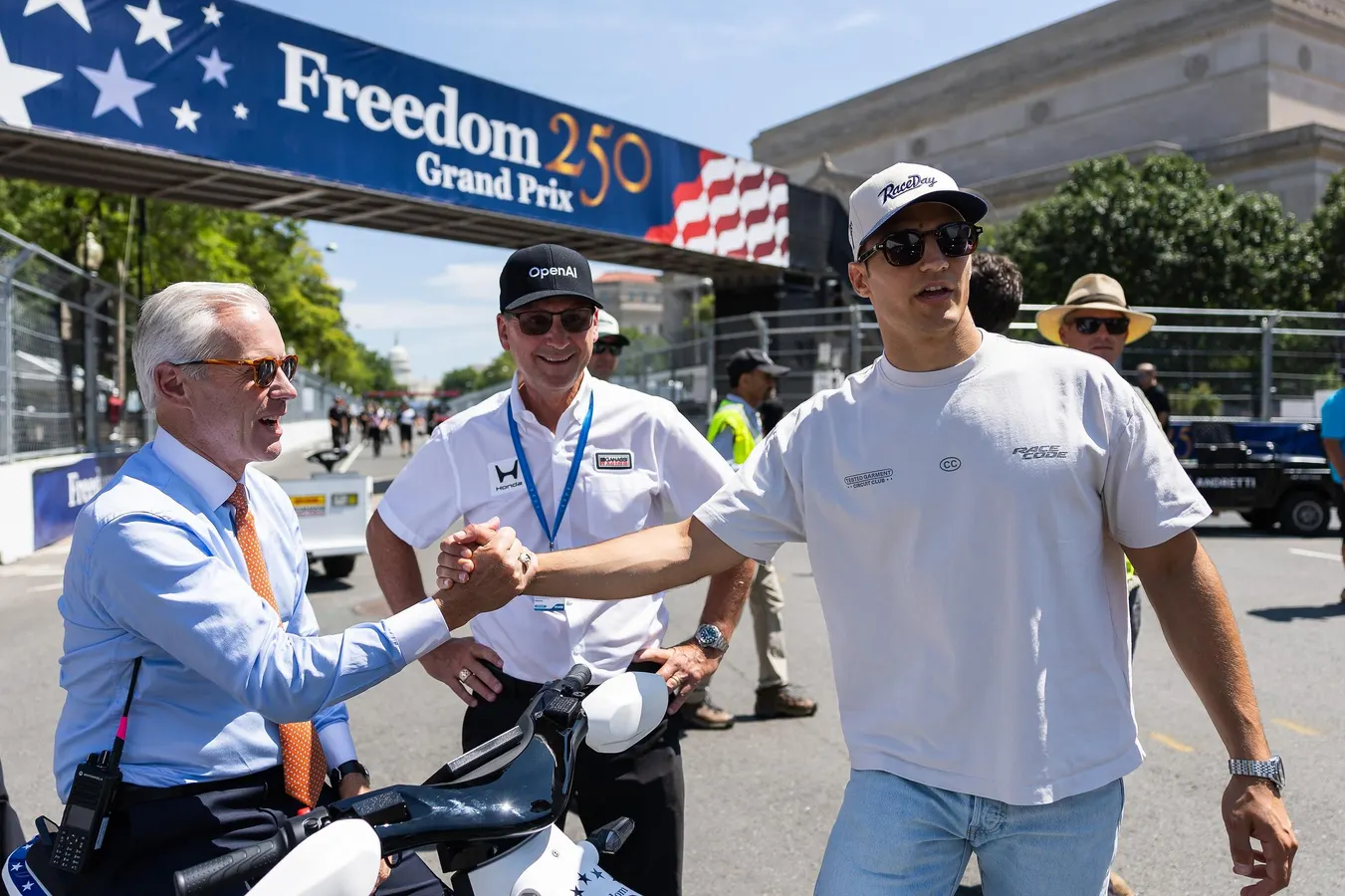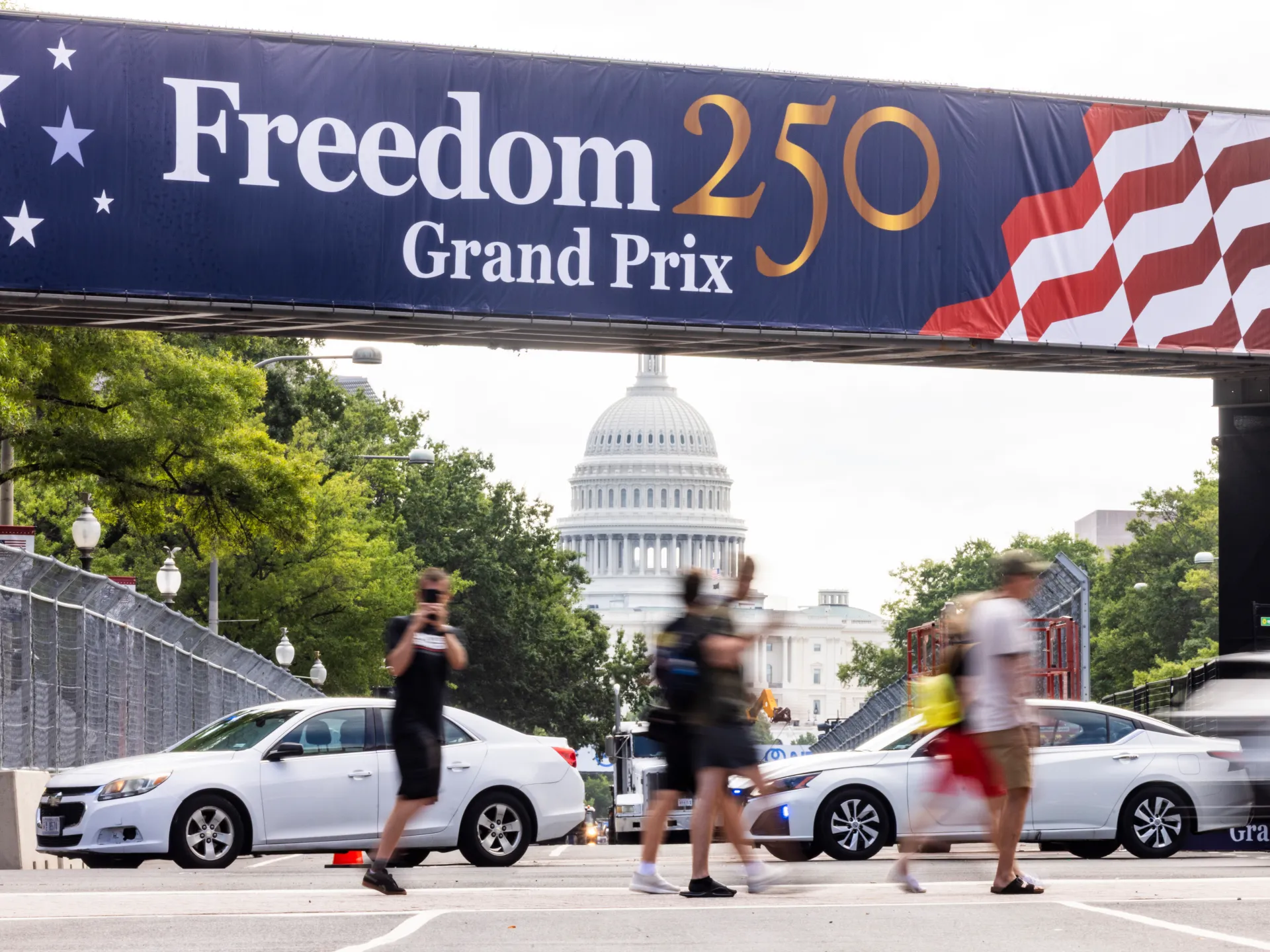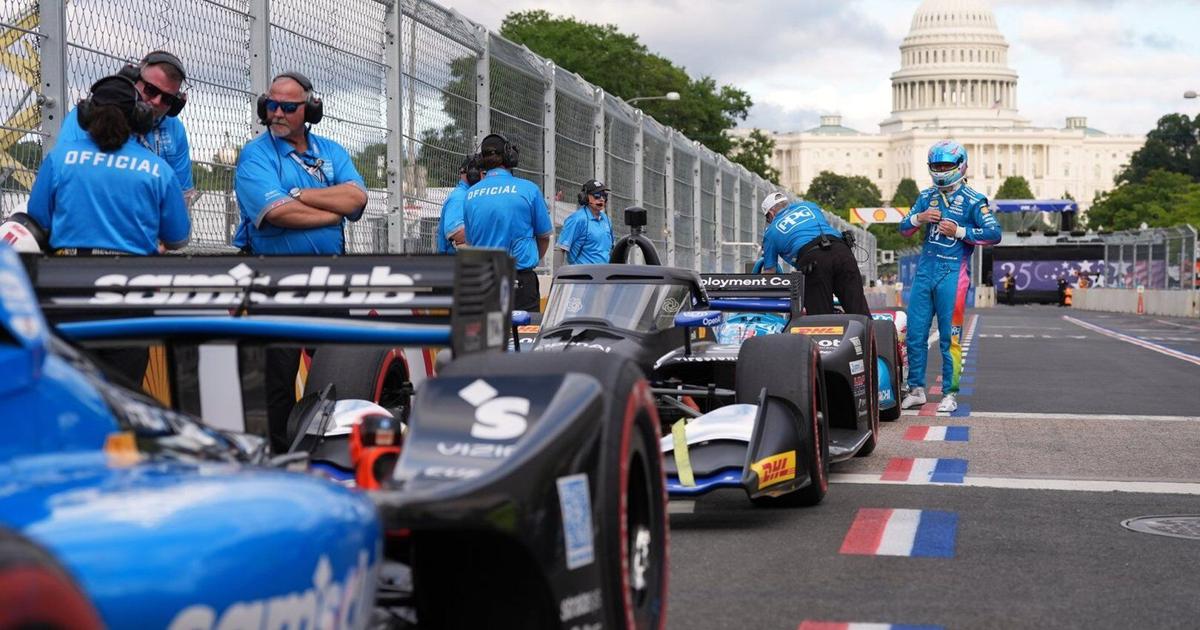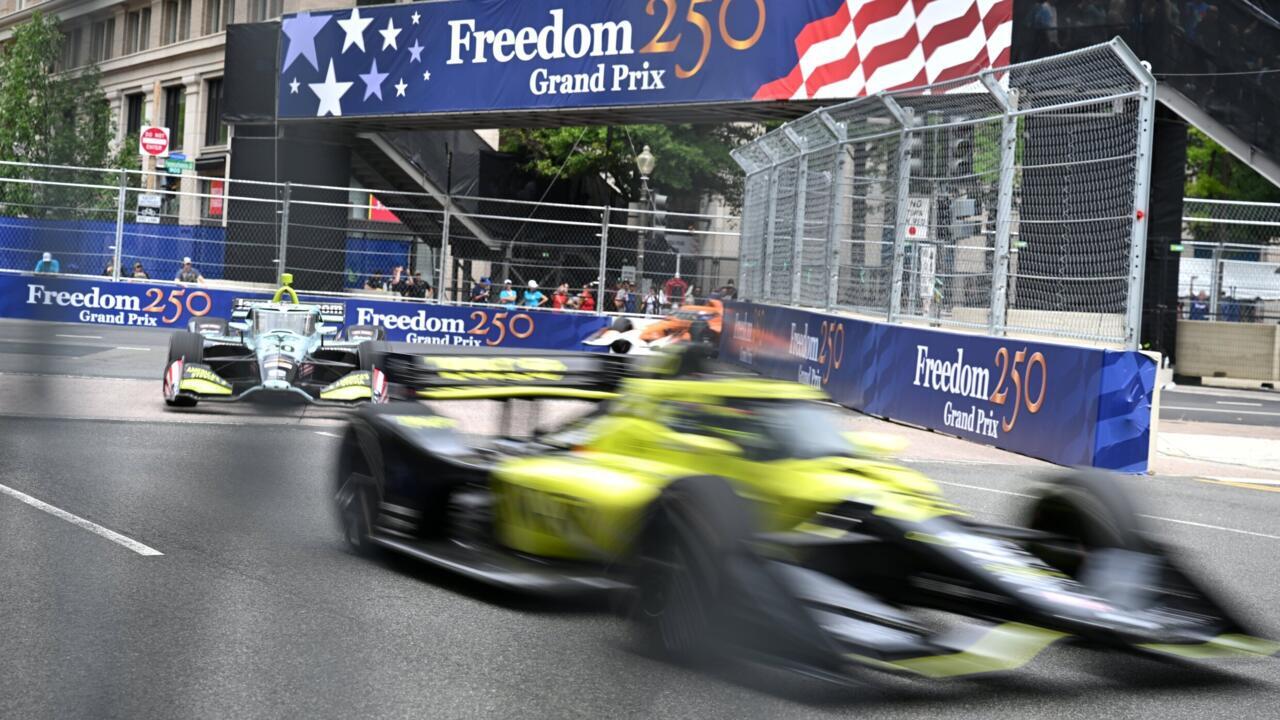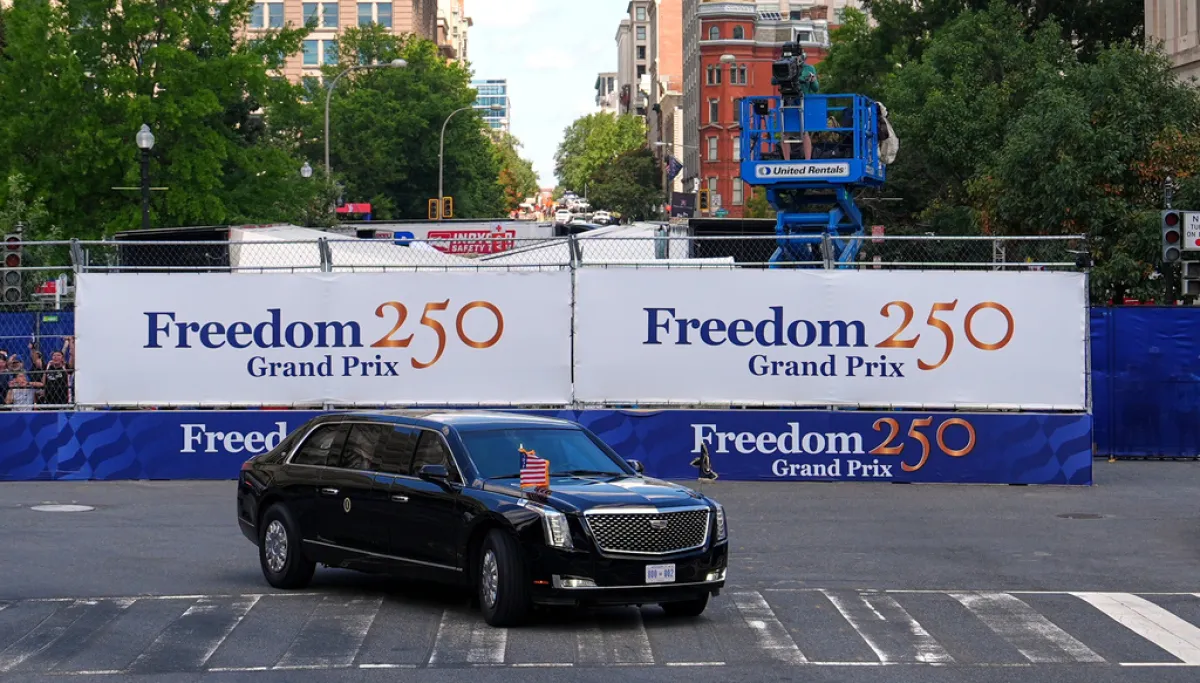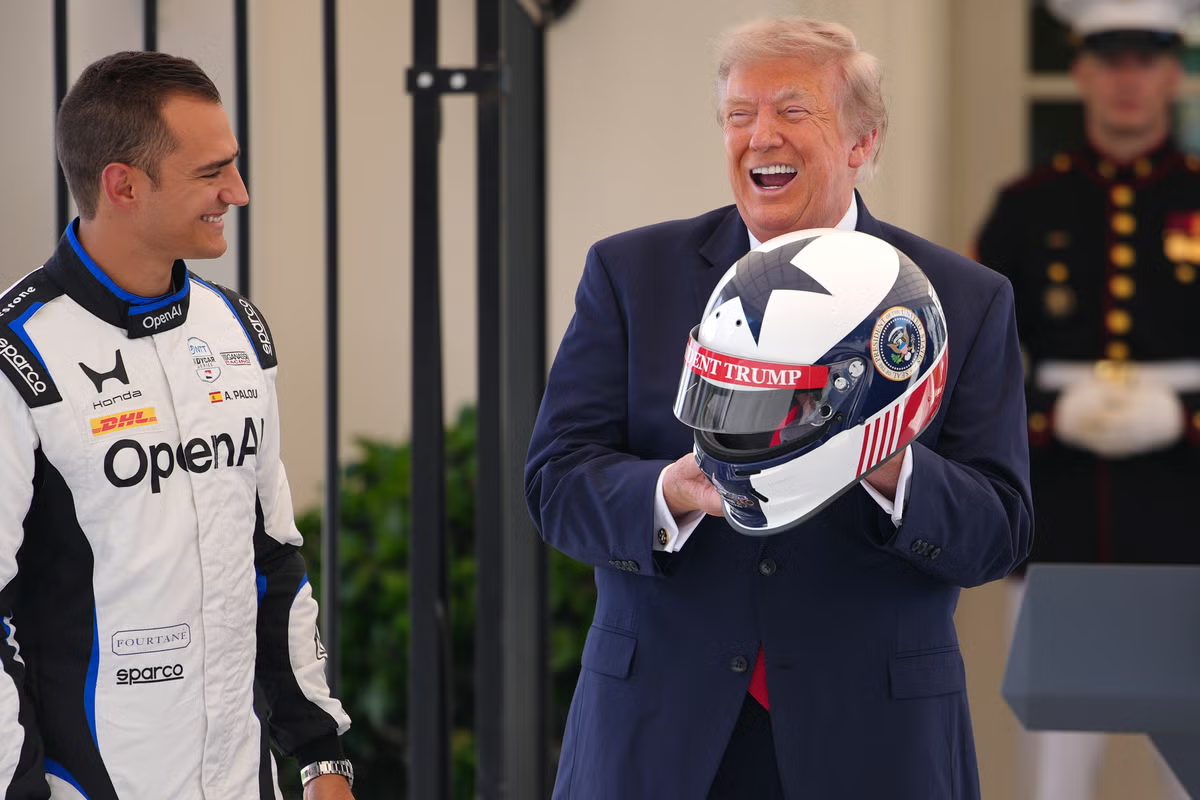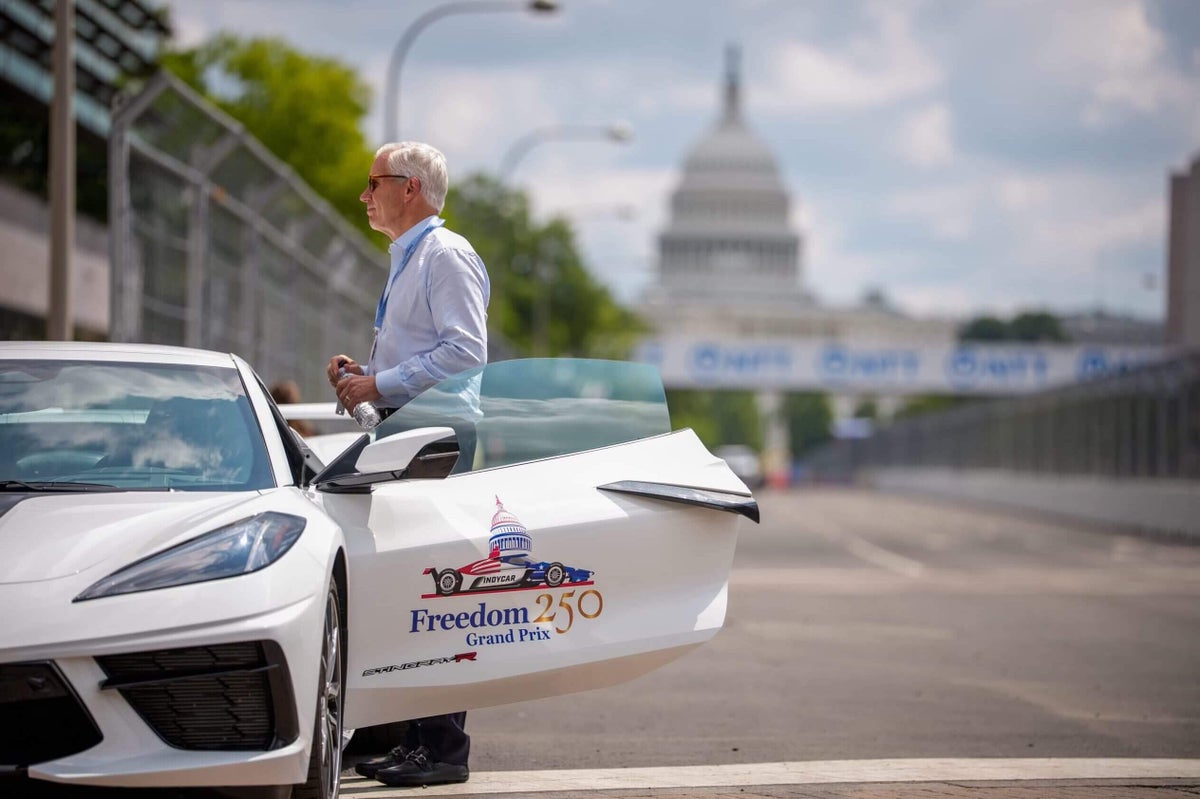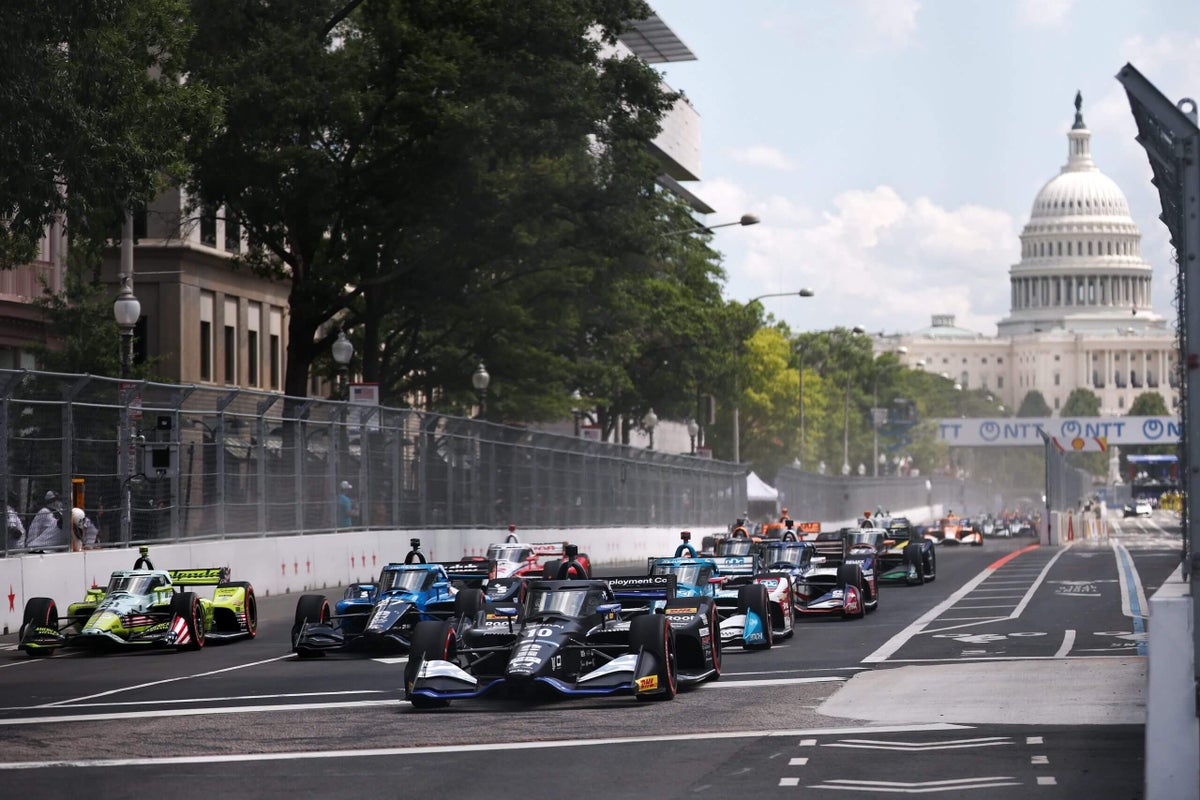
WASHINGTON — Bud Denker, head of IndyCar’s street race in Washington, D.C., sat in a suite with U.S. President Donald Trump and the secretaries from nearly every cabinet agency Sunday while overlooking the Pennsylvania Avenue portion of the Freedom 250 Grand Prix racetrack.To hear Denker tell it, every single one of them was impressed enough that they urged the Penske Corp. president to bring IndyCar back to the capital city next year.“Mr. Trump hit me 15 times about having to have this (race return),” Denker said. “His strategy (is), ‘Let’s do it for five years because that guarantees you’re going to be here through my term, then two more years for whoever is in office next.'”Take a drive on the Freedom Grand Prix 250 courseJeff GluckThen, on the way out of the suite, first lady Melania Trump said to Denker: “We look forward to seeing you again next year.”What had openly been billed as a “one-and-done” race by Denker heading into the weekend suddenly seemed to have the door wide open for a return, a bipartisan sentiment that was emphatically echoed by D.C. Mayor Muriel Bowser, a Democrat.That would represent quite a twist, because there was seemingly no long-term vision to continue racing around the National Mall — mainly because it’s wildly expensive (IndyCar reportedly spent well over $35 million on the race) and requires a vast and complex web of planning (Denker said IndyCar needed more than 1,350 pages of permits to execute the event).Of course, the latter problem was smoothed by Trump’s executive order, which paved the way for the race to take place after Denker was stonewalled while trying to gain bipartisan support in Congress.“I’ve learned in this city: A lot of people can say no, but not a lot of people can say yes,” Denker said. “When the big guy says yes, s— happens.”Even after the approval, it seemed overly ambitious that anyone could pull together all the complicated logistics that go into a street race in less than seven months. After all, some of the major headlines around street racing in American motorsports this decade have been about community pushback and the ensuing red tape rather than welcoming events with open arms.In 2023, NASCAR held its first street race by putting on an event surrounding Chicago’s Grant Park, with cars racing up Michigan Avenue and down Du Sable Lakeshore Drive. It took NASCAR a monumental effort with city officials and area residents and businesses to make it happen, and the race lasted three years.Florida native Kyle Kirkwood won the inaugural IndyCar Washington, D.C., race Sunday in a dominant performance. (Chris Graythen / Getty Images)But when NASCAR tried to bring the event back to downtown Chicago for 2027, negotiations hit a snag over how much NASCAR would pay, and NASCAR will instead race on its oval in nearby Joliet, Ill., next year.Formula 1, which contests many races on street circuits around the world, also had a splashy debut in 2023 with its street race down the Las Vegas Strip — but one that drew stories of angry business owners and traffic nightmares. Still, despite some continued complaints from locals, the race was recently extended through the 2037 season.IndyCar, the North American open-wheel series, has much more experience with street races (the Long Beach Grand Prix in Southern California and season-opening Grand Prix of St. Petersburg in Florida are two of its traditional stops). But IndyCar has also experienced its headaches with street racing in major markets over the years, with short-lived events in places like Houston and Baltimore.Could D.C. become a tradition? The participants certainly seemed to hope so.“I hope they come back,” said NASCAR Hall of Famer Jeff Gordon, who won Saturday’s International Race of Champions (IROC) event at the track. “This is special. I’d love to see NASCAR and IndyCar here.”“Definitely want to come back here,” 2018 Indy 500 winner Will Power said. “Amazing event. Amazing backdrop.”“I was completely blown away,” said NASCAR Hall of Famer Kurt Busch, who raced in Saturday’s IROC event. “First practice, didn’t look like there was an empty seat anywhere. The vibe, the crowd, just the excitement. I was like a kid in a candy store.”IndyCar race winner Kyle Kirkwood recalled peering at the fences on both sides of the track and seeing so many fans lined up on both sides that it almost gave him a “claustrophobic” feeling similar to the Indy 500.What drivers think of the Freedom Grand Prix courseJeff GluckSure enough, Denker said IndyCar scanned in 215,000 people over the two-day event (tickets were free), and fans bought nearly $1 million of merchandise Saturday alone. On Tuesday, the ratings told another success story — the race averaged over 3.2 million viewers, Fox Sports said, the most for any non-Indy 500 race in the circuit since the 2008 merger that formed the series.“I think we found our sweet spot in this sport: Urban races for us are very, very important,” Denker said. “The demographics fit well for an urban race.“… The urban markets draw people in and make it exciting. The vibe creates part of the event.”And the word “event” was something Denker emphasized. IndyCar wants to “create events, not races,” he said.“I’d love to find another street course on the East Coast marketplace if we don’t do it here,” he added.The problem is it’s hard to make a splash in cities if the event isn’t right downtown. Racing series have also been willing to try getting close — NASCAR this year raced on the streets of Naval Base Coronado, across the bay from downtown San Diego, and IndyCar and F1 have held races in the parking lots around NFL stadiums (Dallas Cowboys for IndyCar, Miami Dolphins for F1).What else could have the type of impact that racing around the National Mall does? Sports Business Journal reported NASCAR discussed a race on the Golden Gate Bridge but couldn’t come up with a viable course layout, and holding a race somewhere in New York City has long been a dream (Formula E raced in the Red Hook neighborhood of Brooklyn for several years).Ultimately, it’s not just community cooperation but cost that makes the difference, and Denker gave a small peek into the finances and logistics of why such an event is so challenging.Take the 1.7 miles of concrete barriers that made up the walls on both sides of the track for the Freedom 250 Grand Prix, for example. Those walls cost IndyCar $3.5 million, and they’re so big that only four can be transferred per truckload. So IndyCar had to bring 300 truckloads of the walls from Fredericksburg, Va., and, since they’re too expensive to ship across the country to other venues, they will sit indefinitely in a lot on New York Avenue that costs IndyCar $300,000 to lease over an unspecified time frame.“Those walls are like the half-life of uranium; they don’t go away,” Denker said.In some senses, it would be a money-saver to use them again. But the walls only account for a small percentage of what it took to build the track, and certainly tens of millions would have to be spent to hold another race. Denker also noted IndyCar was able to tap into corporate budgets specifically set aside for 250th birthday celebrations, and that level of support may not be available next year.That said, Denker has something significant on his side: Proof of concept. After holding hundreds of meetings with all sorts of government agencies, from federal to local, Denker was able to show he delivered on his promises.“You know what we built? We built trust and transparency,” Denker said. “Because we have that with the city, every single agency. Because of the team I have, there would be nobody to say not to do this again.“I’m confident of that. The decision is up to us.”In that sense, maybe the future of American street racing has already found its new home.
After IndyCar’s Freedom 250, could street racing get a foothold in Washington, D.C.?
With President Trump's backing, IndyCar's race through iconic Washington, D.C., streets may not just be a one-and-done.
1,318 words~6 min read