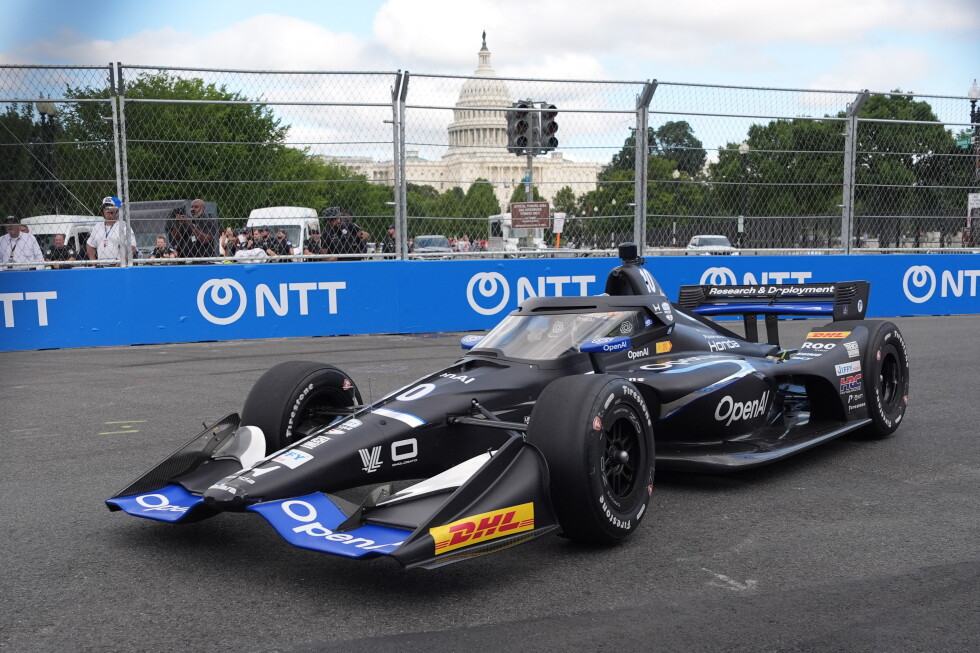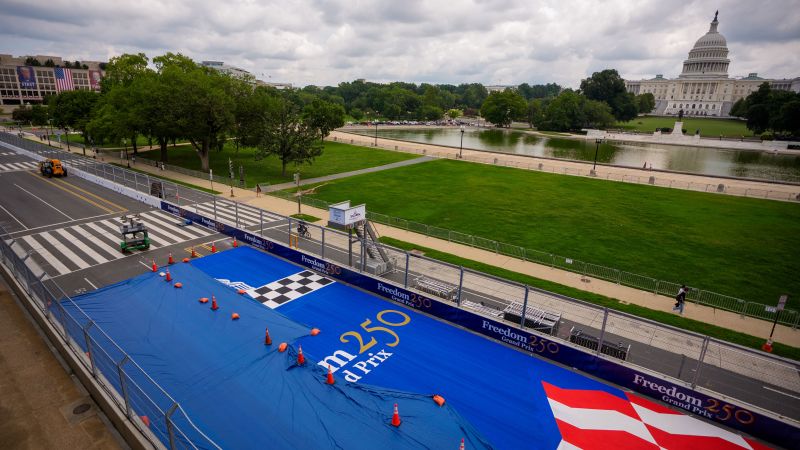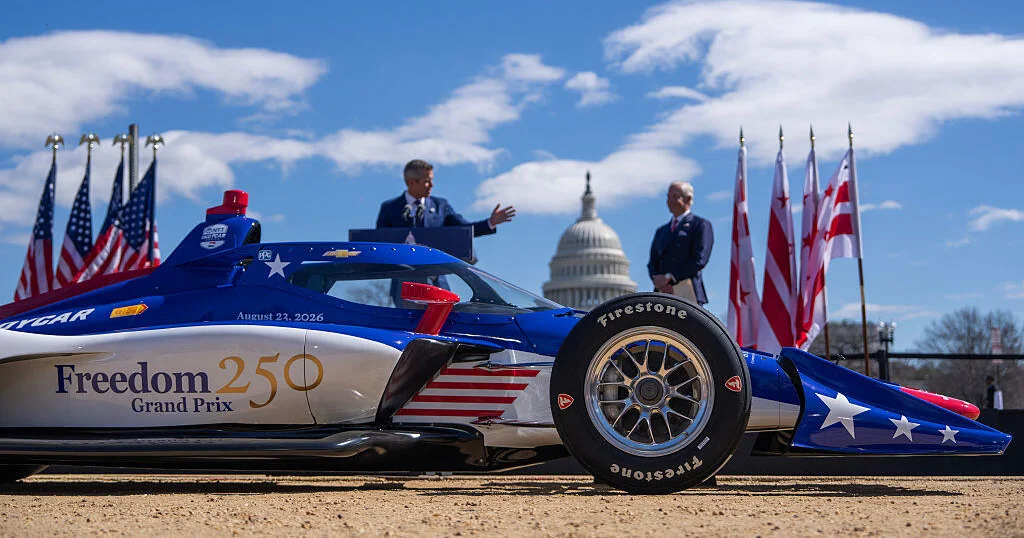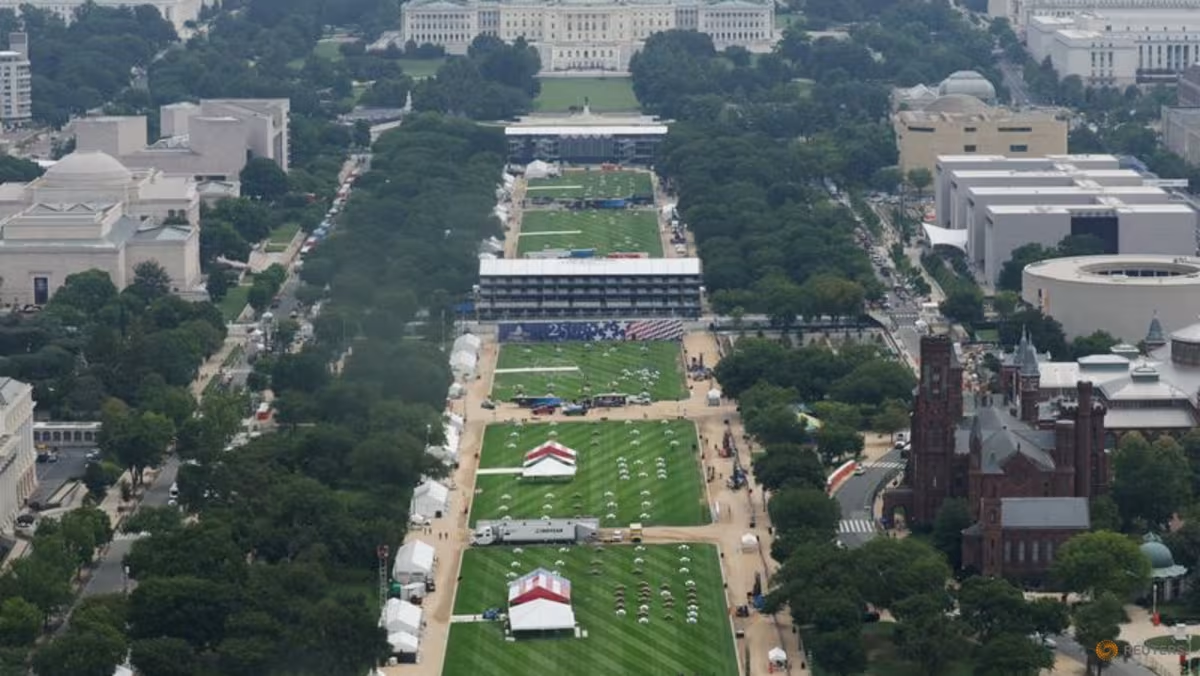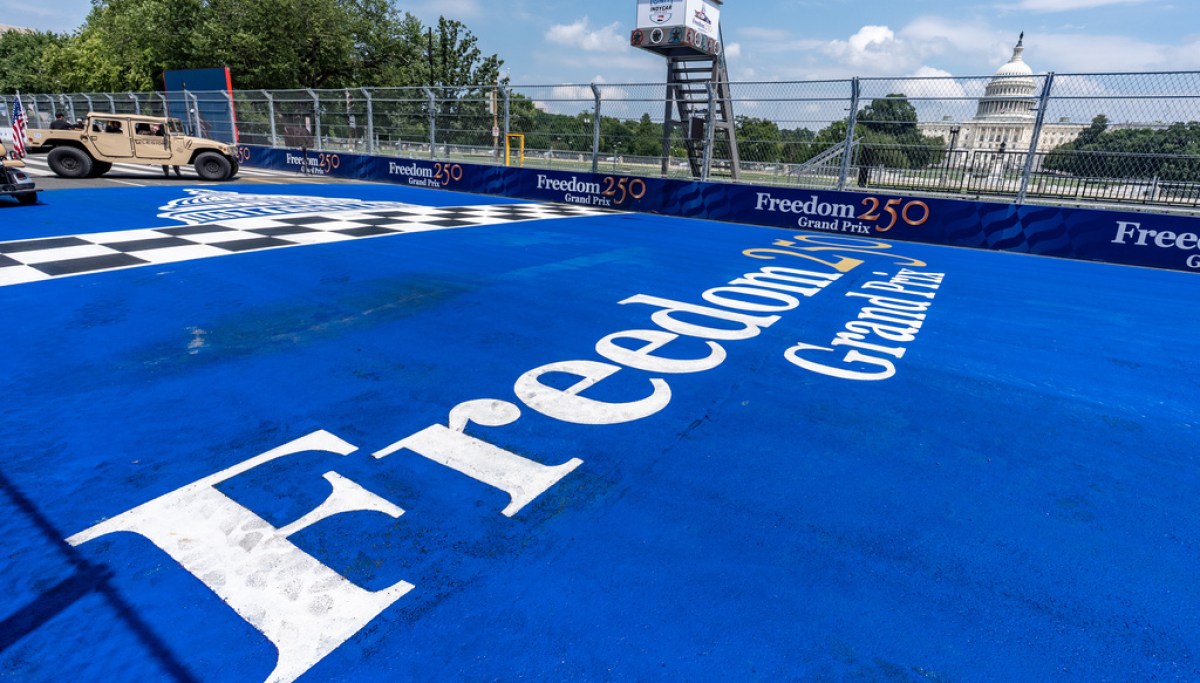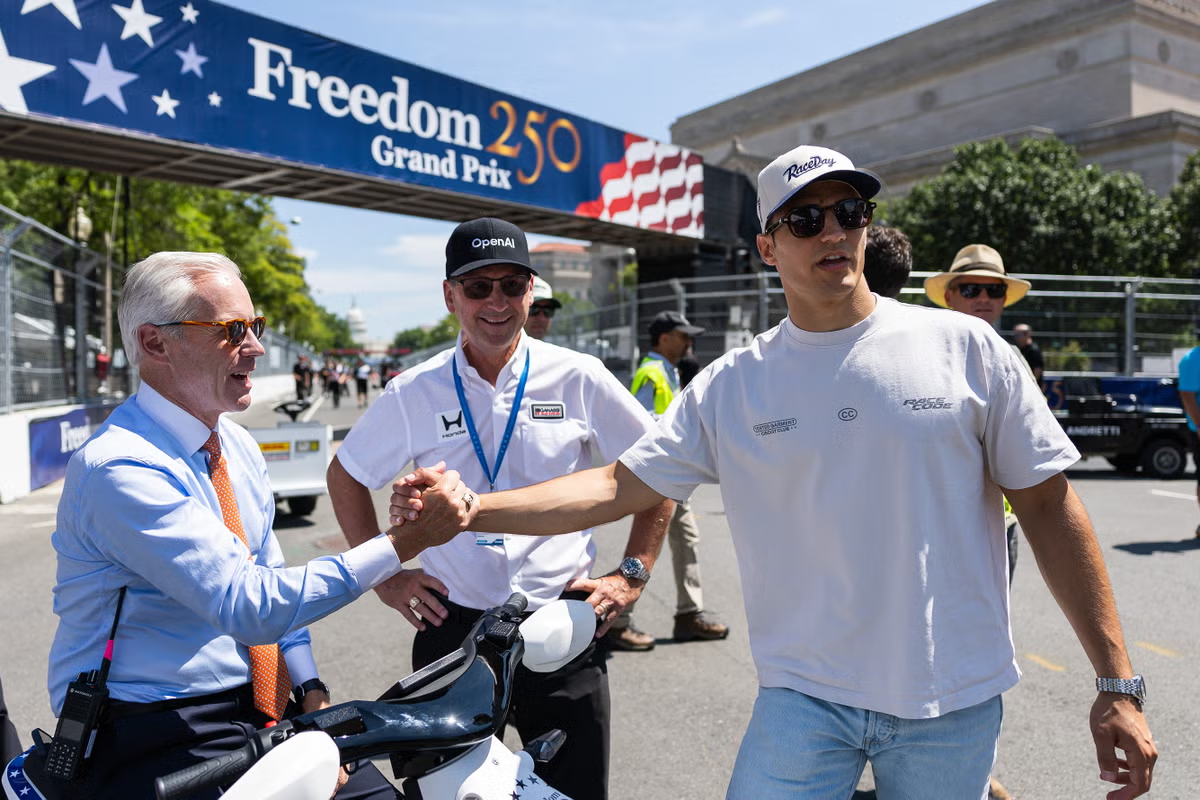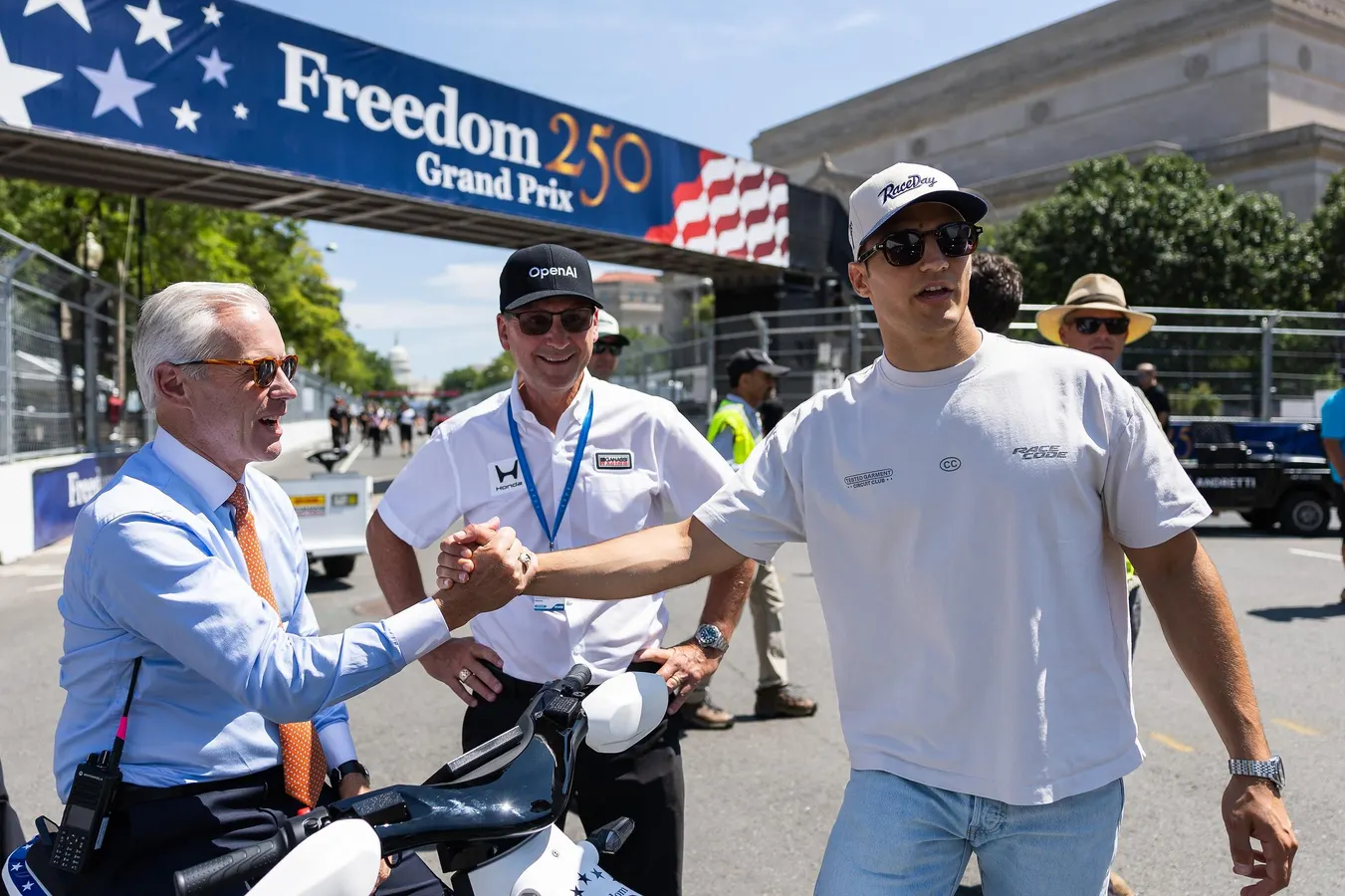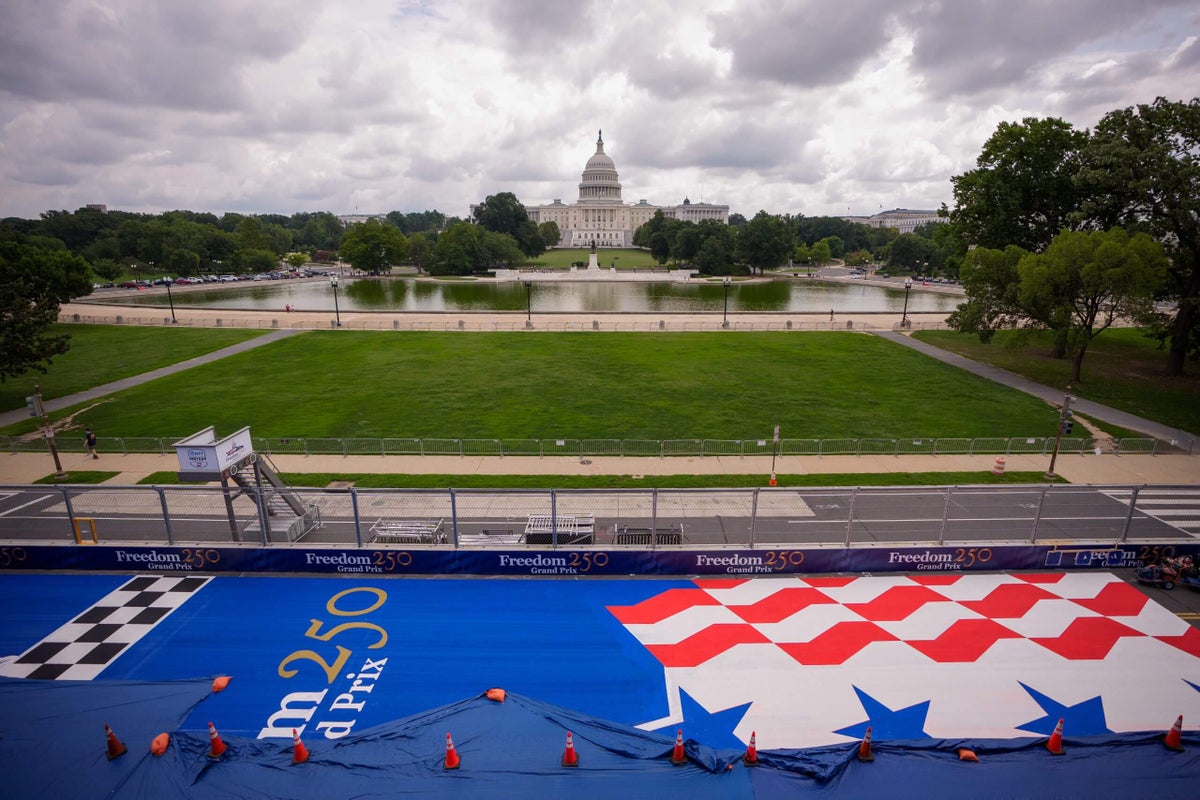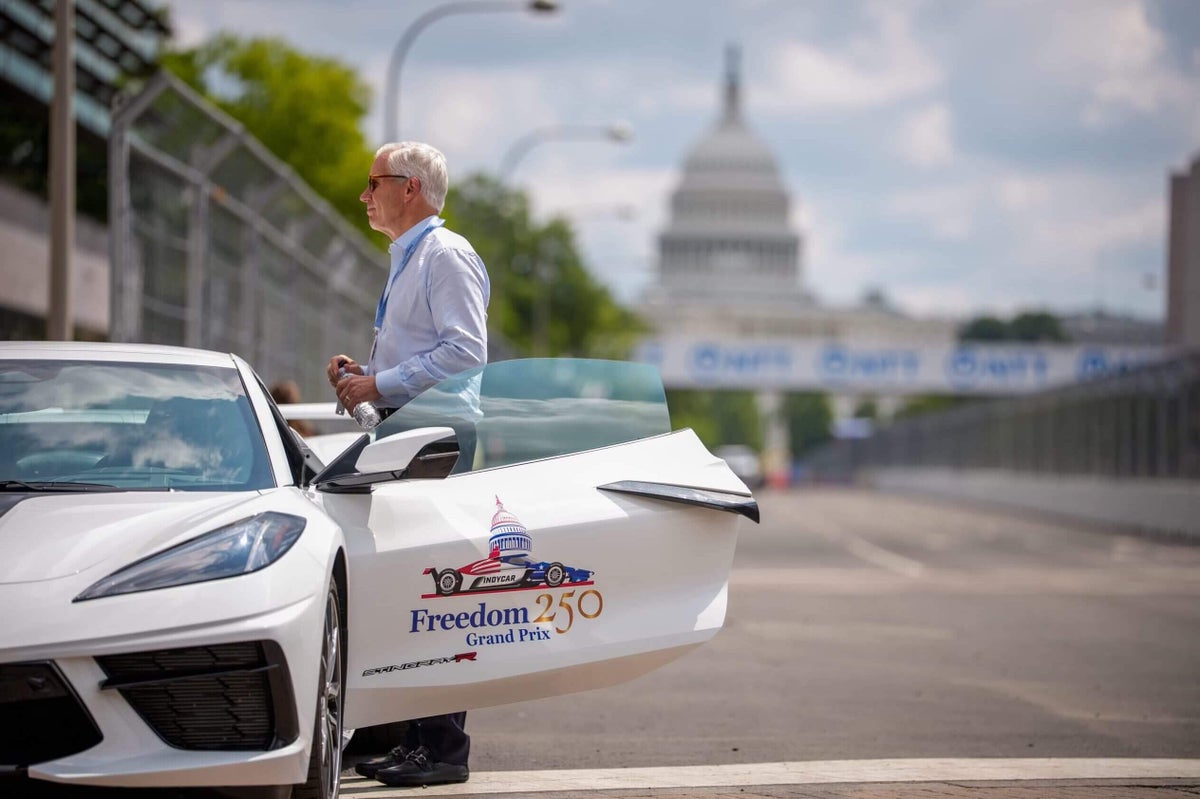
WASHINGTON — Bud Denker paced toward the United States Capitol down Maryland Avenue, one of the streets he had walked too many times to count over the past five months. The hum of D.C. traffic whizzed past as he provided a tour to what would become a wholly unique sporting venue.“Remember,” Denker said, pointing across 3rd Street. “I can’t touch that frickin’ curb.”The curb belonged to the Capitol, and despite months of effort, Denker, the president of Penske Corporation, had failed to convince enough representatives to vote for an auto race on Capitol grounds. An executive order both solved his problem and gave him a raft of new ones. He could design an IndyCar racetrack in the nation’s capital, but it would run through the heart of the city’s most-trafficked tourist area.The Freedom 250 Grand Prix will take over the corridors of American power this weekend, the result of more than a year of political maneuvering and design ingenuity. Fans will crowd around the National Mall and watch race cars speed through the streets of D.C., both an unprecedented motorsports event and an experiment in creativity borne of constraints.A Grand Prix and the nation’s capital may seem like an improbable pair, but in some ways they are made for each other. IndyCar has built racetracks in urban settings across the country. D.C. hosts large-scale events as a matter of habit, its citizens grudgingly accustomed to letting the country borrow the streets where they live.The pairing also raised novel challenges. Washington builds infrastructure for an inauguration every four years, fireworks every Fourth of July and innumerable street festivals — but never a racetrack. Penske has designed tracks through city blocks, but never through both federal and municipal grounds with a tangle of buildings that include the Department of Justice, the Federal Trade Commission and the National Archives.“The race is the type of thing where two things can be true,” said D.C.’s Ward 6 Councilmember Charles Allen, who represents the area where the race will take place. “It’s going to be a huge, huge headache for the District, and it is going to be kind of fun.”Despite its title, the race is not an official part of the Freedom 250 program, which is funded by a mixture of federal money and private donations closely tied to the Trump administration.The distinction is thin. Penske is listed as a sponsor of Freedom 250. IndyCar owner Roger Penske donated more than $1 million to President Donald Trump’s re-election campaign and received the Presidential Medal of Freedom from Trump in 2019. But Penske put up the money for the race independent of Freedom 250 funds, operating the Freedom 250 Grand Prix as a 501(c)(3). Organizers vowed any profits from the race will be donated to charities chosen by Mayor Muriel Bowser’s office.Almost certainly, though, there won’t be any. Penske will recoup some money through track advertisements and suite sales — 78 suites that could offer access to administration officials, seat 30-40 people, and cost $200,000 each. But the company plans to lose money on the event.“Yeah, there’s no profit,” Denker said. “This is an amazingly expensive venture.”How expensive, exactly?“I don’t give the number,” Denker said. “But if (the IndyCar event in) Detroit is $22 million, we’re well beyond that.”The District of Columbia every year receives a federal fund of roughly $50 million to offset costs of supporting federal events, Deputy Mayor Lindsey Appiah said. This year, because of all the 250th anniversary events, the city received about $90 million. The extra resources required of the District – police, security, construction — will come out of that pot, Appiah said.Tickets to the race were free. Over nine days in the spring, Ticketmaster logged 288,000 total requests from all 50 states and a handful of foreign countries. For both qualifying and race day, 130,000 tickets were handed out. Based on no-show estimates, Denker expects 110,000 fans each day.
Getting an IndyCar race in downtown Washington, D.C. took many complicated turns
A Grand Prix and the nation’s capital may seem like an improbable pair, but in some ways they are made for each other.
1,881 words~9 min read