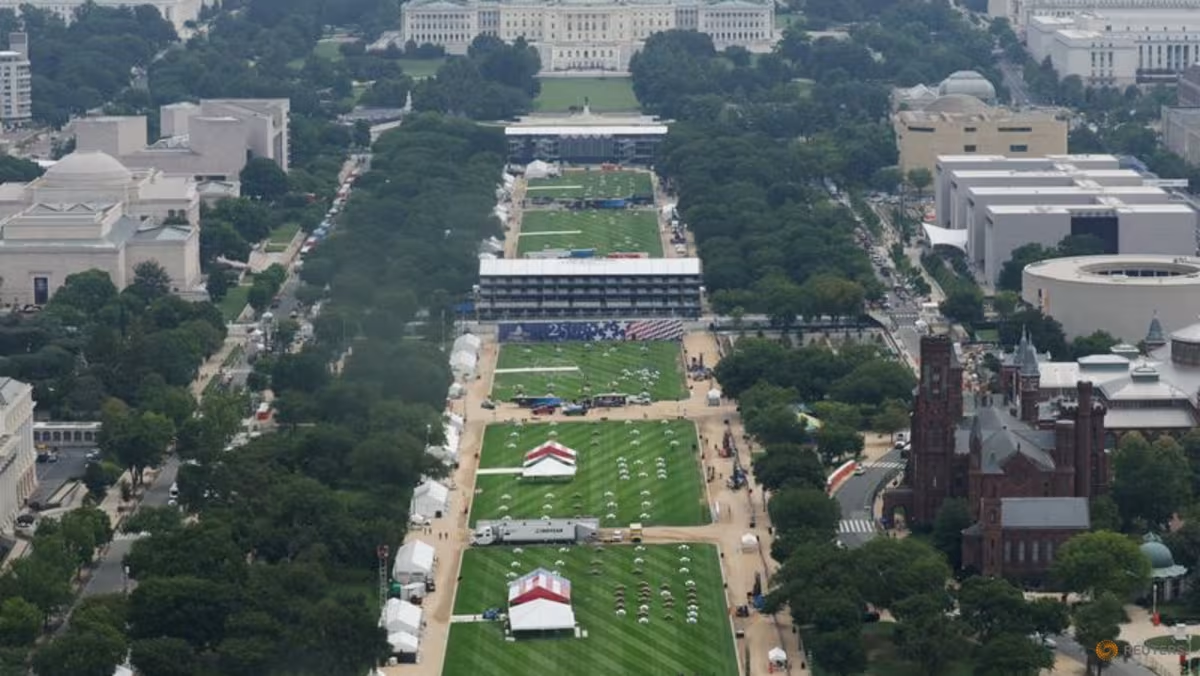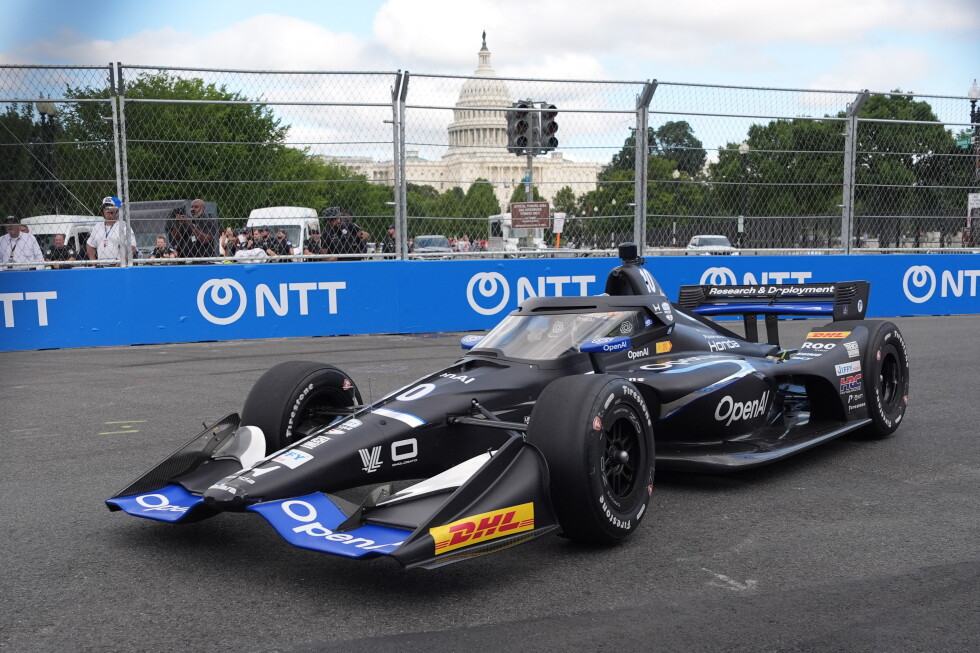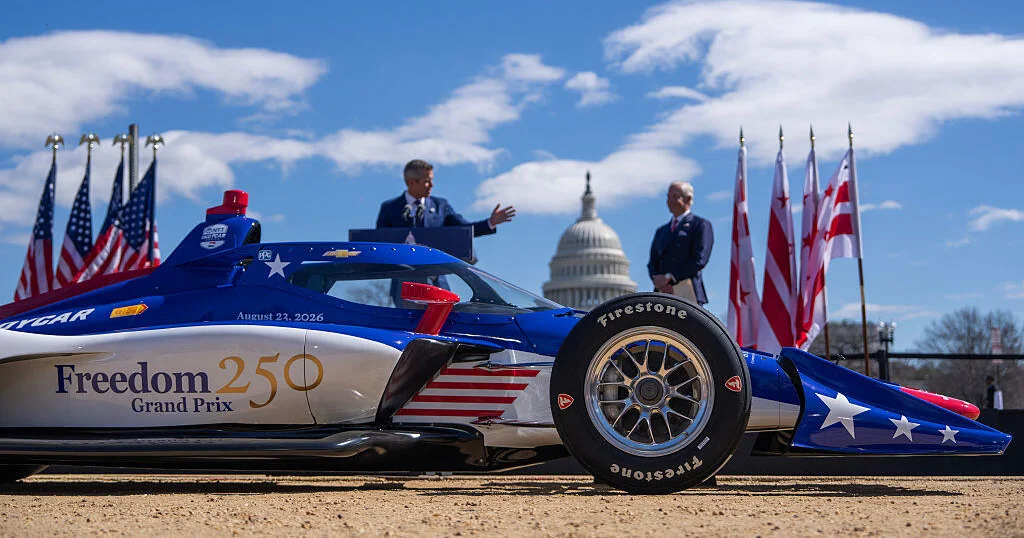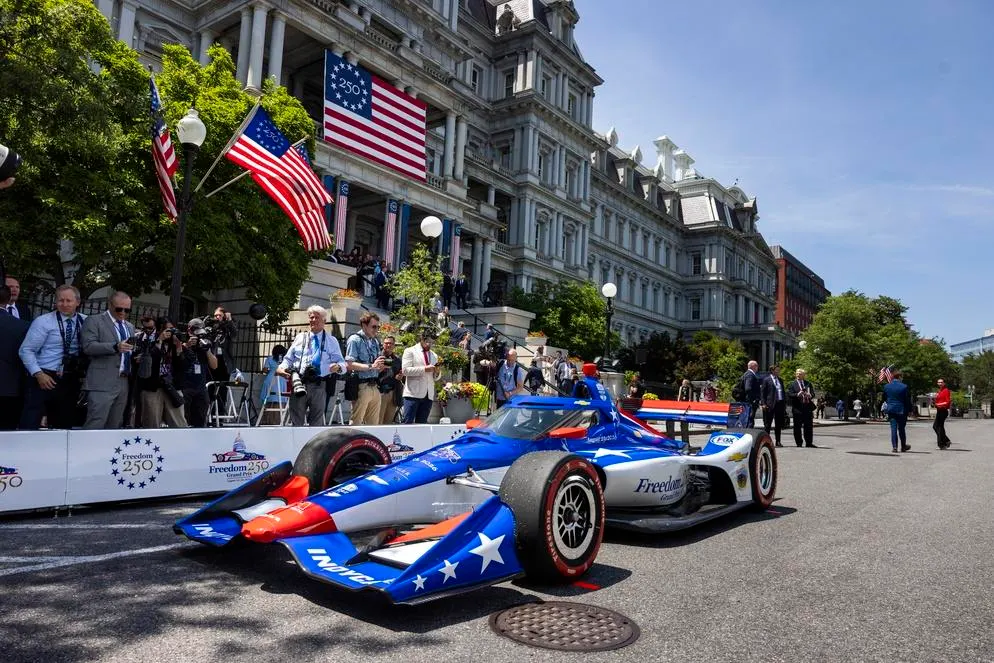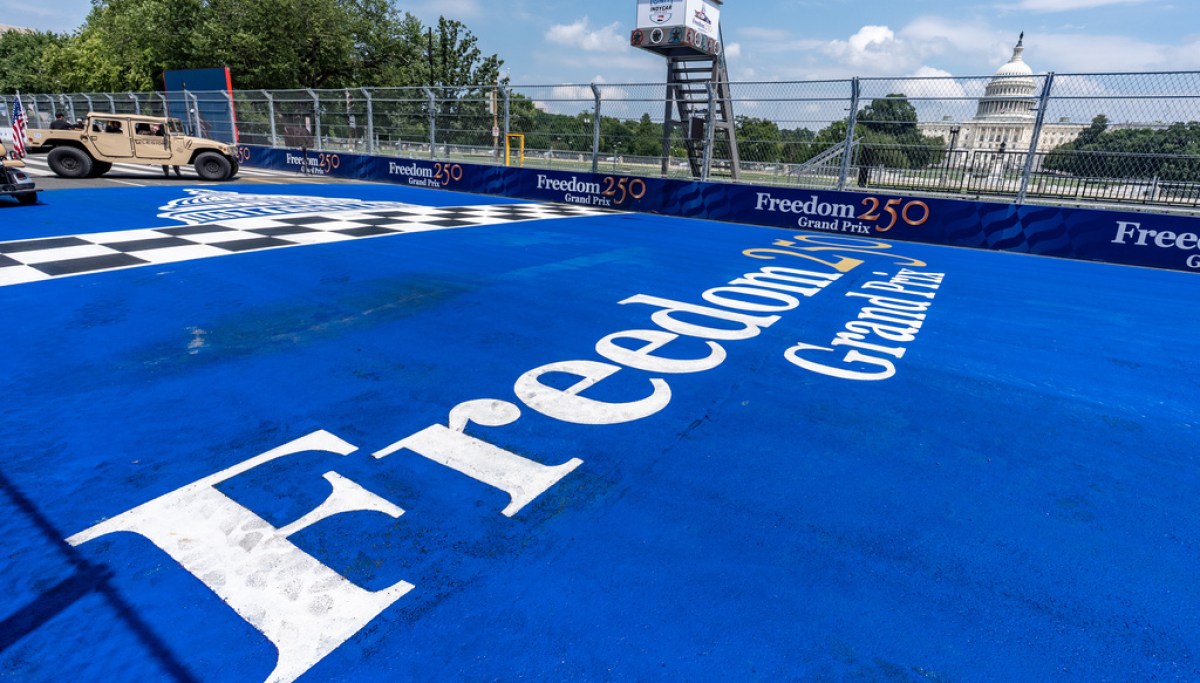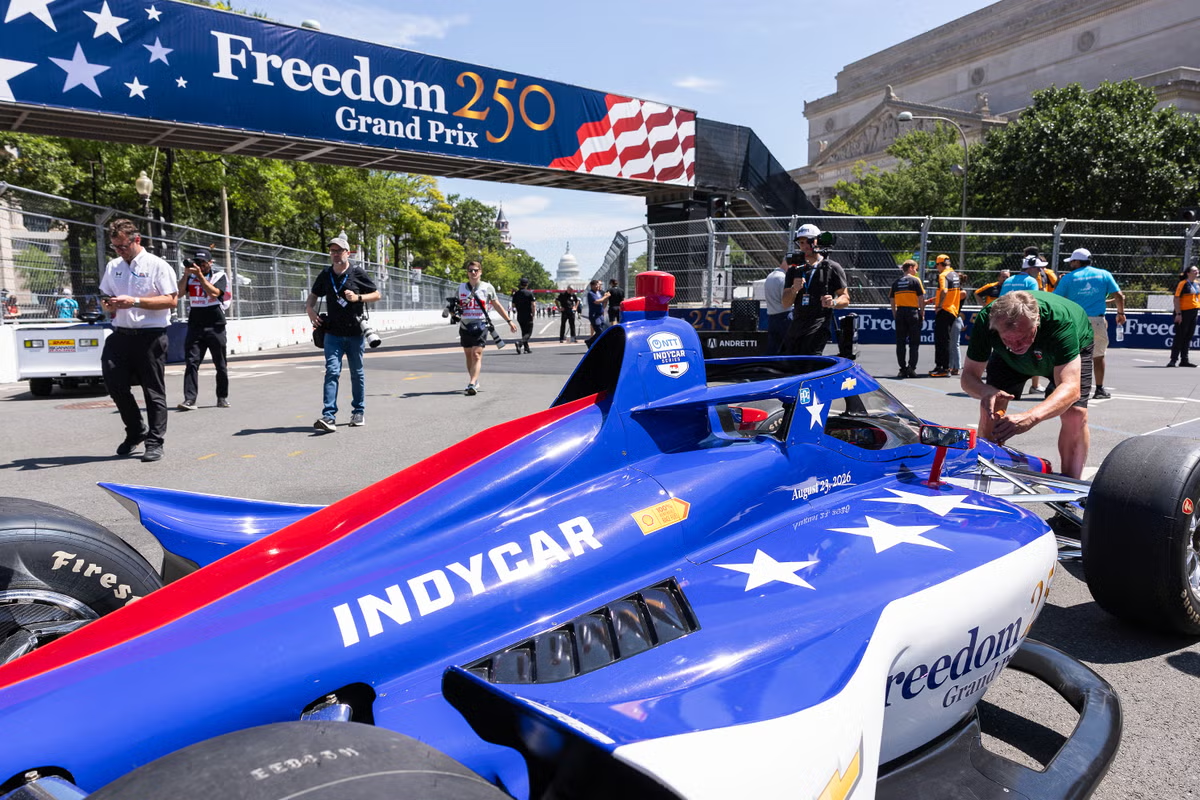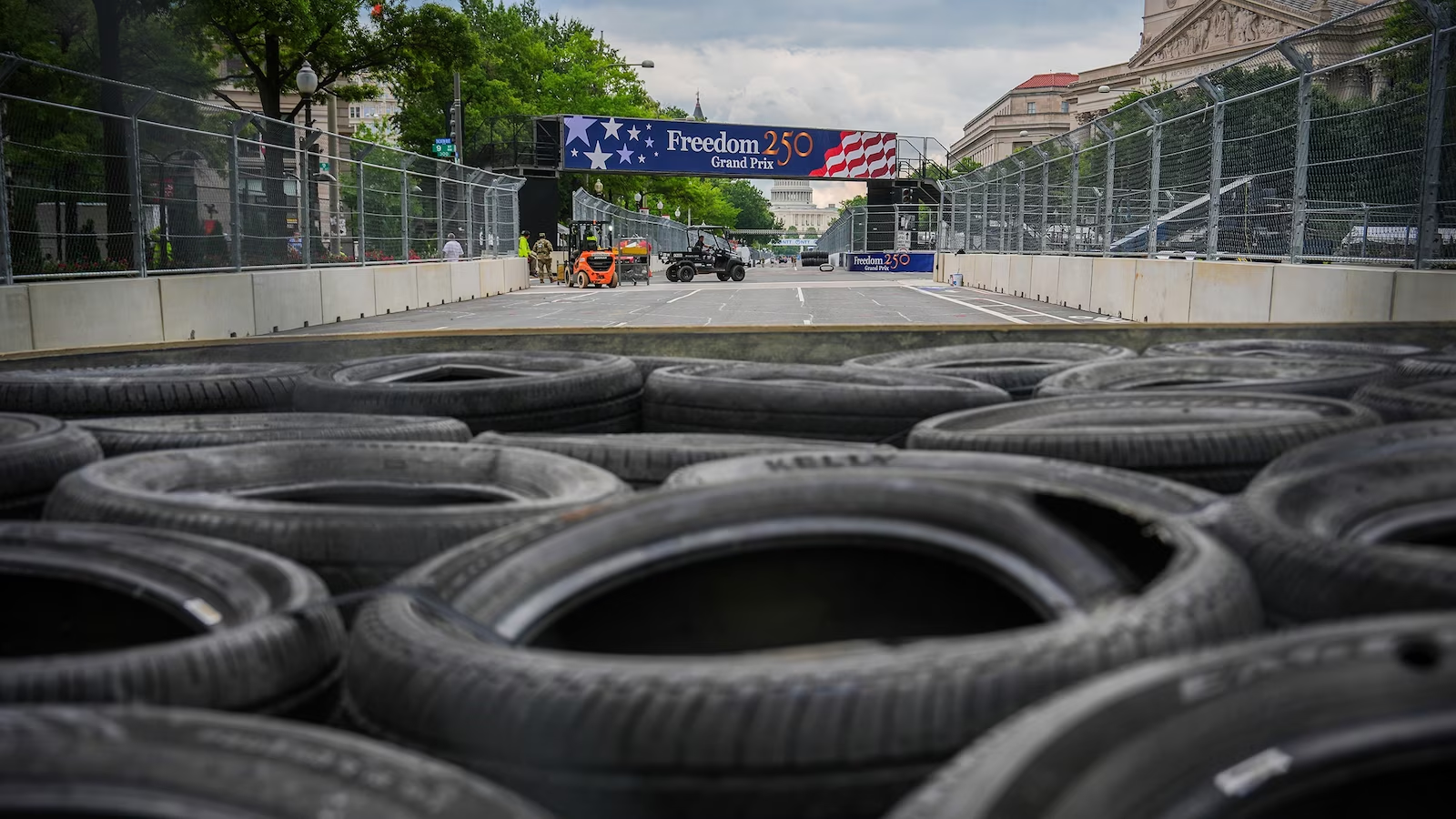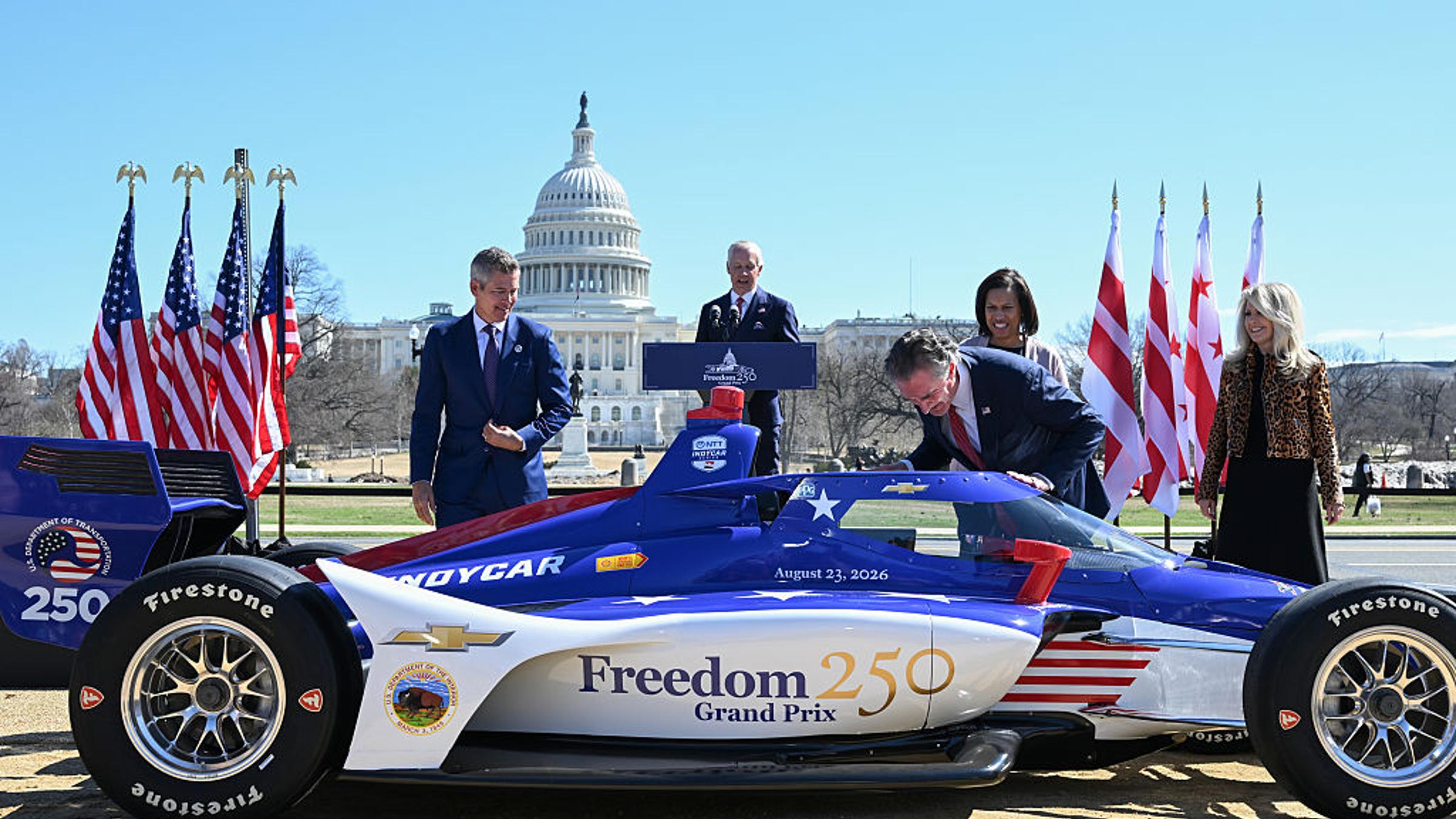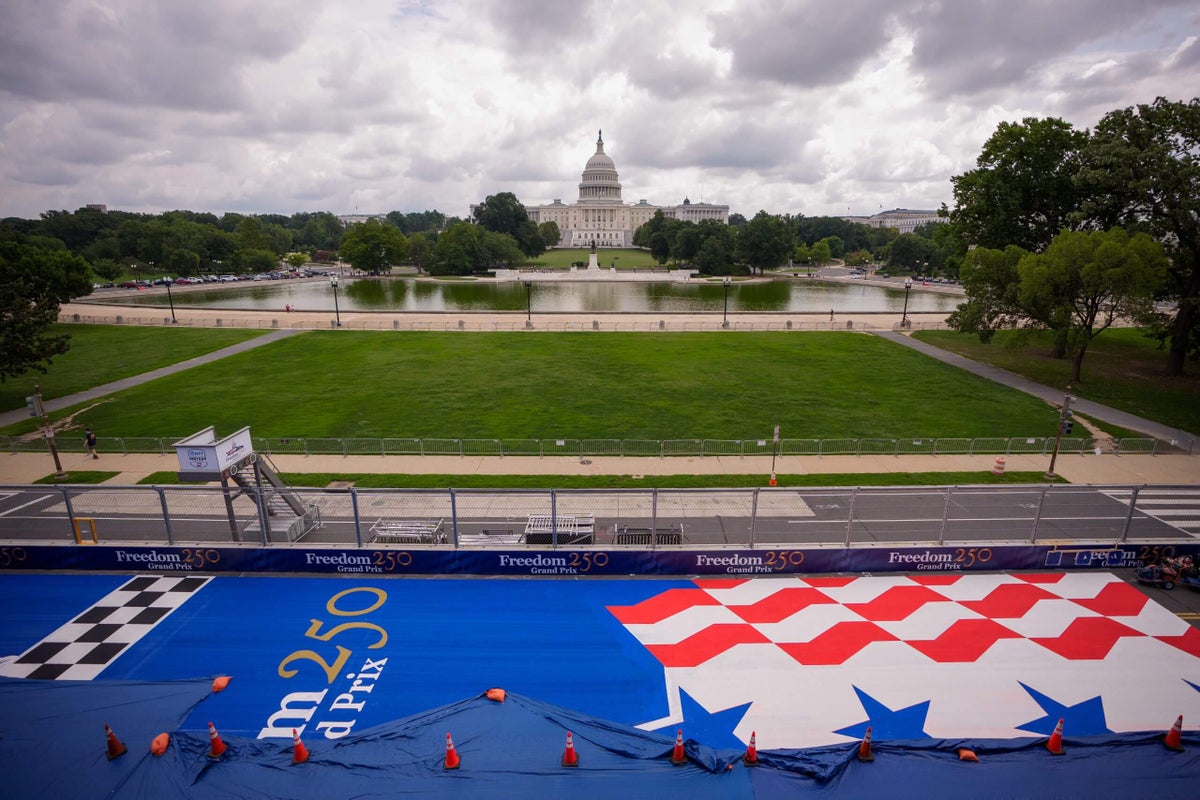
WASHINGTON — Never in the history of the United States has there been a motorsports race with a backdrop quite like this.In recent years, various series have staged races around iconic American locales like the Las Vegas Strip (Formula One), Chicago’s Grant Park (NASCAR) and even the Dallas Cowboys’ stadium (IndyCar).However, on the streets of Washington, D.C., racing down Pennsylvania Avenue and winding past such landmarks as the U.S. Capitol, the National Archives and the Smithsonian’s National Air and Space Museum?Unheard of. And really, how would such an ambitious idea even become possible?Well, meet IndyCar’s Freedom 250 Grand Prix, which takes place this weekend and crosses through the National Mall — an event paid for by IndyCar, with a path cleared by an executive order from President Trump.Racing series often struggle to get into cities and shut down streets for racing; that’s not convenient for residents and businesses. However, with the red tape cleared by the executive order, IndyCar will stage a one-of-a-kind event in the shadow of the Capitol dome.“With the backdrop of the Capitol, the aura of Washington, D.C., having a sporting event in the District there, something that’s never been done, having the backing of the president and the secretary of transportation, I think it’s going to be a great event,” team owner Chip Ganassi said in a video released by his team. “I can’t wait. It’s exciting. It’s a new event. Great backdrop. I think every race series would love to have that as a venue.”Here’s a closer look at the 1.7-mile course, which will require 147 laps in the summer Washington, D.C., heat on Sunday.Points of interestStart/finish lineThe race begins on 3rd St. just 1,300 feet from the steps of the U.S. Capitol — the start/finish line is aligned with the center of the Capitol and the National Mall. Drivers will then take a left-hand turn on Pennsylvania Avenue.As drivers tackle Turn 1, IndyCar traffic will merge with one of America's oldest political rituals. Pennsylvania Avenue is known as America's Main Street, and it forms a diagonal that connects the Capitol and the White House, aligning the legislative and executive branches of government. It was part of French-born architect and city planner Pierre Charles L'Enfant's 1791 plan for Washington, D.C., and it serves as the route for presidential inaugurations.In 1805, Thomas Jefferson is said to have ridden down the avenue on horseback during his second inauguration, and a procession formed around him. A few years later, in 1809, when James Madison was inaugurated, musicians "escorted" him to the Capitol, per the U.S. Congress website.
IndyCar Freedom 250 track breakdown: Racing on the Washington, D.C., streets
Here's a look at the 7-turn, 1.7-mile circuit winding through the National Mall that will test IndyCar's drivers in a marathon race.
1,351 words~6 min read