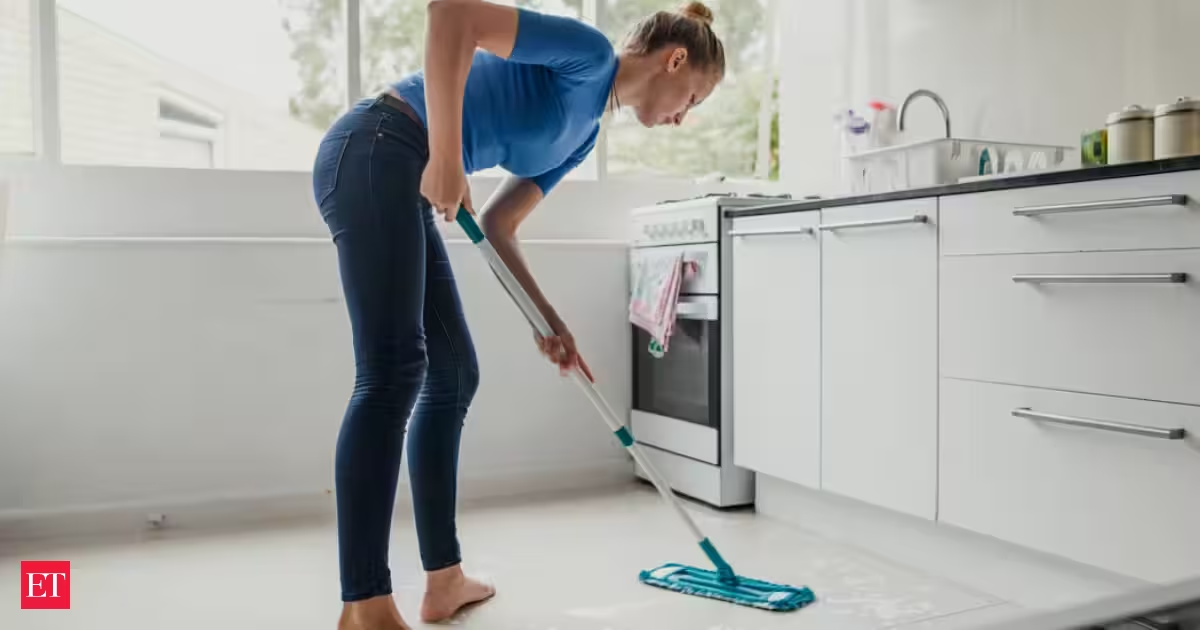
The kitchen floor can quickly collect oil splashes, food crumbs, spills, dust and sticky grease from everyday cooking. Regular cleaning can help keep the floor looking fresh and reduce the buildup of stubborn dirt.What You NeedWarm waterMild dishwashing liquid or floor cleanerMicrofiber mop or clothSoft-bristled brushBaking soda for stubborn spotsA bucket1. Start by Removing Dust and Food CrumbsBefore mopping, sweep or vacuum the entire kitchen floor. Remove crumbs, dust and loose dirt, paying extra attention to areas around the stove, dining space and kitchen cabinets.2. Use Warm Water and Mild SoapAdd a small amount of mild dishwashing liquid or a suitable floor cleaner to a bucket of warm water. Dip a microfiber mop into the solution and wring it out well before cleaning the floor.3. Tackle Fresh Oil Spills QuicklyFresh oil can make kitchen floors slippery and attract more dirt. Blot the spill with a paper towel or absorbent cloth first rather than spreading it around with a wet mop.4. Try Baking Soda on Stubborn GreaseFor small, stubborn greasy patches, sprinkle a little baking soda over the area and gently scrub with a damp soft-bristled brush. Wipe the residue away afterwards. Avoid using abrasive scrubbing tools on delicate flooring, as they may leave scratches or damage the surface.5. Pay Attention to Food SpillsDried food can become harder to remove if left on the floor. Apply a little warm soapy water to the spot and let it sit for a few minutes before gently wiping it clean.6. Clean the Corners and EdgesGrease and dust often collect along skirting boards, cabinet edges and corners. Use a damp microfiber cloth or soft brush to clean these less noticeable areas.7. Finish With a Clean-Water MopAfter using any cleaning solution, go over the floor with a clean, damp mop if the flooring instructions allow it. This helps remove leftover cleaner that could otherwise leave a sticky film.8. Dry the Kitchen FloorUse a clean, dry microfiber cloth or allow the floor to air-dry properly. Keeping the floor dry is especially important after cleaning greasy areas because wet surfaces can become slippery.Important TipAlways check the manufacturer's cleaning instructions for your particular flooring. Natural stone, unsealed surfaces and some laminate or wooden floors can be sensitive to excess water or certain cleaning products.
Kitchen floor cleaning tips? Try these easy home hacks to remove oil stains, food spills, grease and grime
To maintain a sparkling kitchen, start by sweeping and vacuuming the floor to eliminate any loose dirt. For routine cleaning, employ warm water mixed with a mild soap solution. Tackle fresh oil spills promptly by blotting with absorbent towels. For a tougher job, sprinkle baking soda on grease spots and gently scrub. Always ensure the floor is fully dried afterward to avoid any slips.
375 words~2 min read