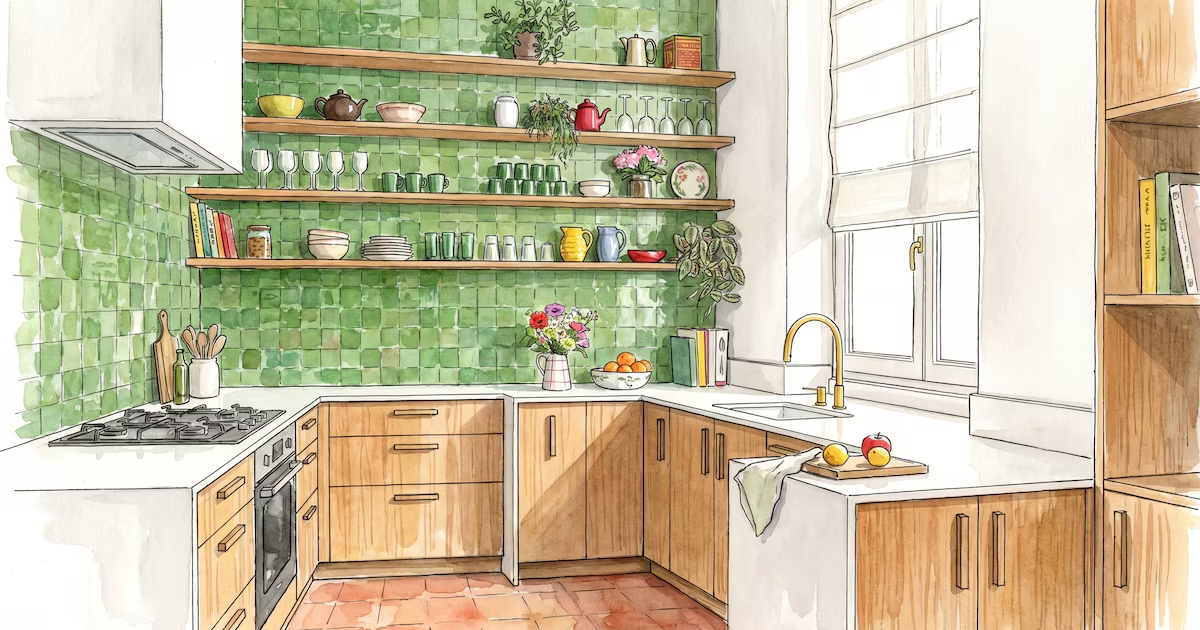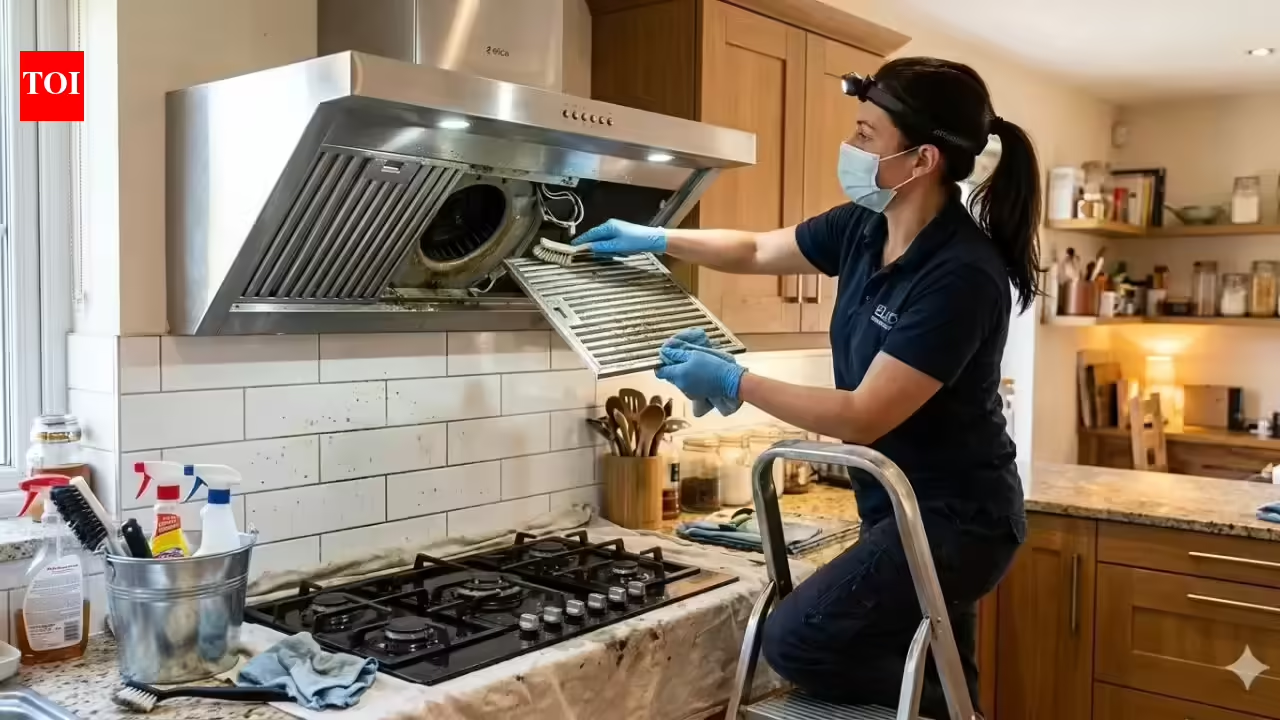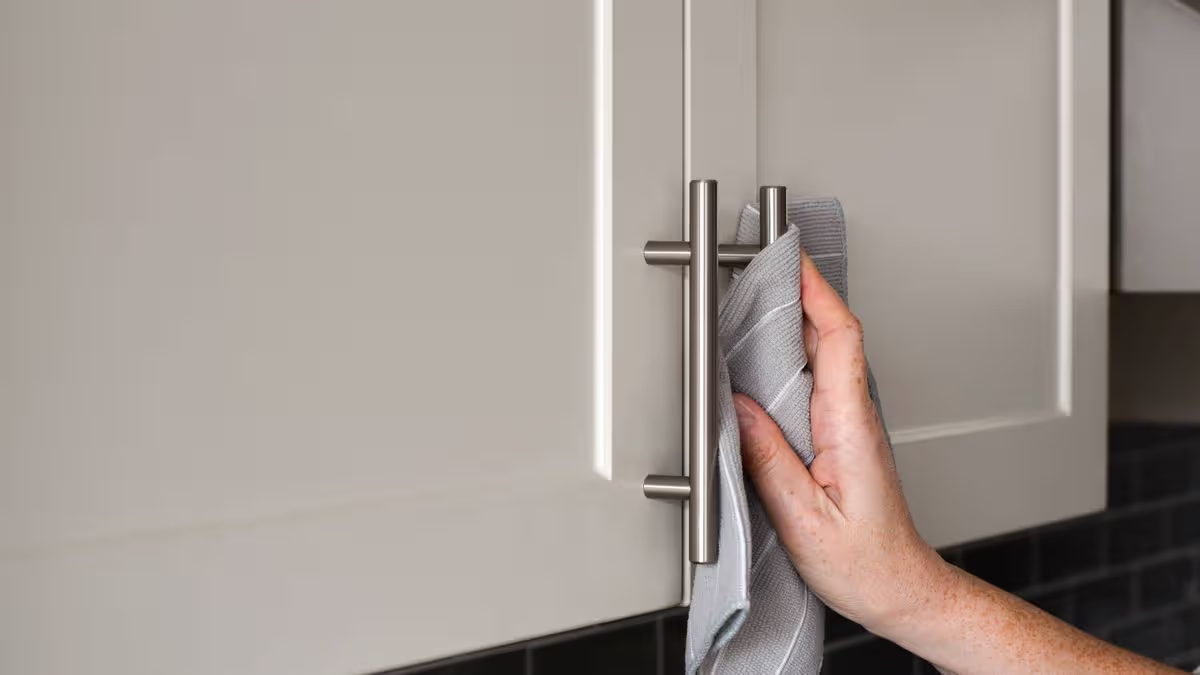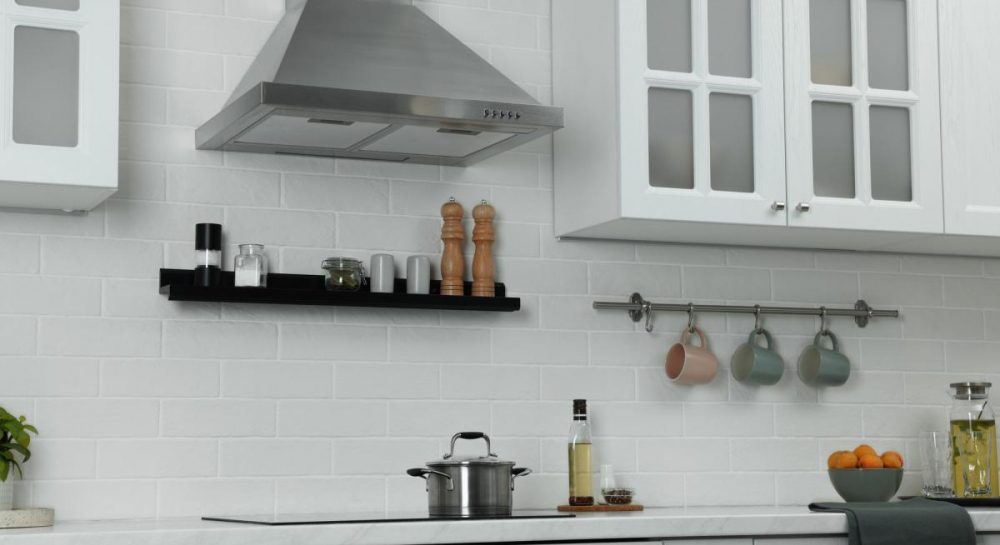
Your kitchen needs a renovation if it continues to look untidy despite best cleaning efforts. The kitchen should always be kept hygienic and well-maintained, and rightly so, because it is closely connected to cooking and food safety. But sometimes, despite using the best cleaning tools and products, the kitchen still does not look clean. In such cases, the problem may not be poor maintenance but the design itself. So, if you have the option to make design-related changes in your kitchen, hygiene-friendly renovations become essential, especially as modern homes are steadily gravitating towards wellness-focused living.ALSO READ: 10 kitchen organisation hacks for small Indian homes: How to double your storage spaceFind out the correct way to clean your kitchen. (Pinterest)For this common kitchen problem and how to resolve it, Ankit Jain, founder of Specta Quartz Surfaces, shared some practical solutions with HT Lifestyle that help to make your kitchen look better. Revealing one of the common mistakes, he said, “One of the biggest mistakes homeowners make is choosing materials that look good initially but become difficult to maintain over time. In an age where we read ingredient labels carefully, invest in air purifiers, and prioritise wellness in every aspect of life, the kitchen deserves the same level of scrutiny.” This suggests that the priority should be maintenance rather than aesthetics.The expert then went on to elaborate that the kitchen needs special attention, which necessitates health-conscious choices. “In an age where we read ingredient labels carefully, invest in air purifiers, and prioritise wellness in every aspect of life, the kitchen deserves the same level of scrutiny. As one of the most frequently used spaces in a home, it is constantly exposed to moisture, heat, oils, and food spills.”Based on what he said, it shows that a clean kitchen is no longer about how you can wipe the surface, but whether the materials also help to create a safer and more hygienic environment.Here are some of his renovation tips that help to make the kitchen more hygienic and wellness-focused:1. Overusing grout lines and jointsTiled backsplashes and segmented countertops can look visually appealing, but excessive grout lines often become magnets for dirt, grease, and moisture. These areas require frequent scrubbing and can discolour over time.Opting for larger surface formats and seamless designs reduces the number of joints, creating a cleaner look while significantly simplifying maintenance.2. Cluttering countertops with too many accessoriesOpen shelves filled with decorative items, multiple countertop appliances, and excessive accessories may add character, but they also create more surfaces for dust, grease, and food particles to collect.Prioritising smart storage solutions like closed shelving and keeping countertops streamlined makes cleaning quicker while helping the kitchen feel more organised and hygienic.Go for utility-driven designs rather than aesthetic-forward. (Picture credit: AI generated)3. Choosing porous surfaces that absorb stainsOne of the most common mistakes is selecting countertop materials that absorb liquids and stains over time.Kitchens are exposed to oil splatters, spices, sauces, and frequent spills, all of which can seep into porous surfaces, harbour bacteria, and become difficult to remove.Non-porous surfaces like engineered quartz are easier to maintain as they prevent liquids, stains, and bacteria from penetrating the material, ensuring hygiene while making everyday cleaning faster and more effective.4. Choosing colours that don't support easy maintenanceVery light surfaces can highlight every spill, stain, and speck of dust, making the kitchen appear dirty more quickly.On the other hand, extremely dark surfaces may conceal crumbs and residue, delaying cleaning and maintenance.The ideal approach is to strike a balance with mid-tone neutrals or soft colours that help mask minor day-to-day marks without hiding dirt entirely.Shades such as warm creams, soft greys, muted greens, or gentle pastels can offer both visual appeal and practicality5. Creating hard-to-reach cornersDeep corners, awkward gaps between appliances, and poorly planned layouts often become dust and grime traps.These spaces are difficult to access during routine cleaning and can accumulate dirt unnoticed.A well-planned kitchen prioritises accessibility, ensuring that countertops, cabinetry, and appliances can be cleaned easily without requiring constant deep-cleaning efforts.Adrija Dey’s proclivity for observation fuels her storytelling instinct. As a lifestyle journalist, she crafts compelling, relatable narratives across diverse touchpoints of the human experience, including wellness, mental health, relationships, interior design, home decor, food, travel, and fashion that gently nudge readers toward living a little better. For her, stories exist in flesh and bones, carried by human vessels and shaped through everyday endeavours. It is the small stories we live and share that make us human. After all, humans and their lores are the most natural and raw repositories of stories, and uncovering them, for her, is akin to peeling an orange under a winter afternoon sun. Always up for a chat, she believes the best stories come from unfiltered yapping, where "too much information" is kind of the point. A graduate of Indraprastha College for Women, University of Delhi, and an alumna of the Indian Institute of Mass Communication (IIMC), Delhi, Adrija spends her idle hours cocooned with herbal tea and a gripping thriller, scribbling inner monologues she loosely calls poetic pieces, often with her succulents in attendance. On lazier days, she can be found binge-watching, for the nth time, one from her comfort-show holy trinity: The Office (US), Brooklyn Nine-Nine, or Modern Family. Dancing by herself to her peppy playlists, however, is an everyday ritual she swears by religiously.Read More
Kitchen still looks dirty after cleaning? 5 design mistakes that may be making it harder to maintain
Your kitchen needs a renovation if it continues to look untidy despite best cleaning efforts.
886 words~4 min read