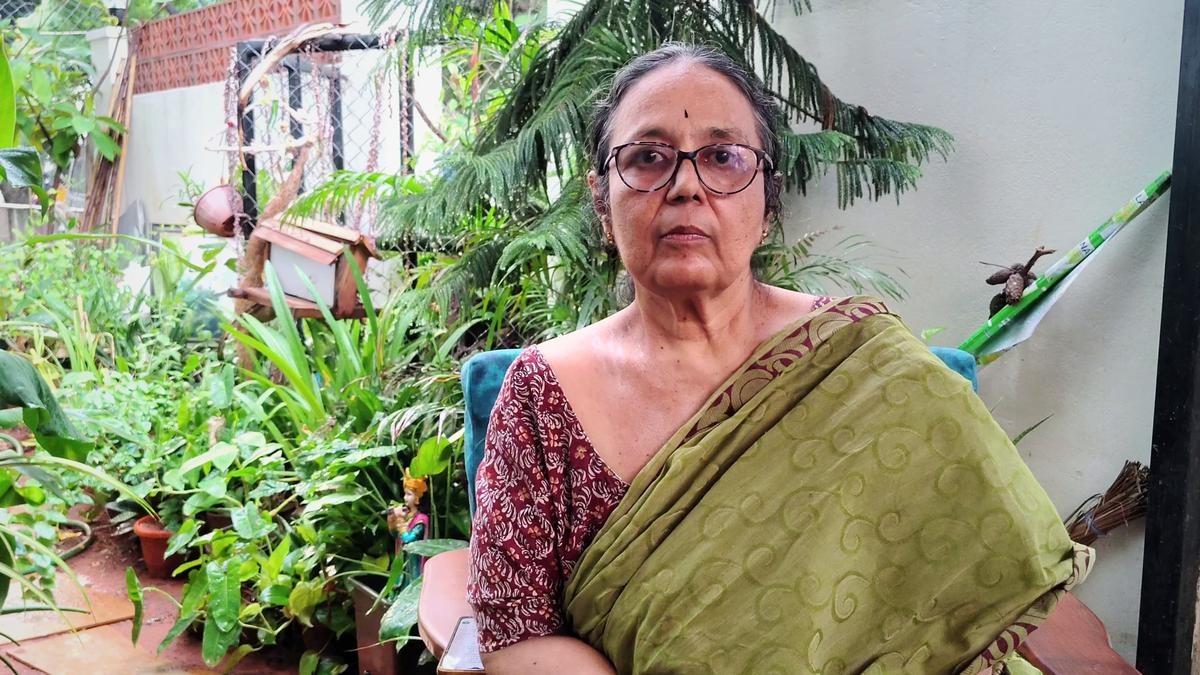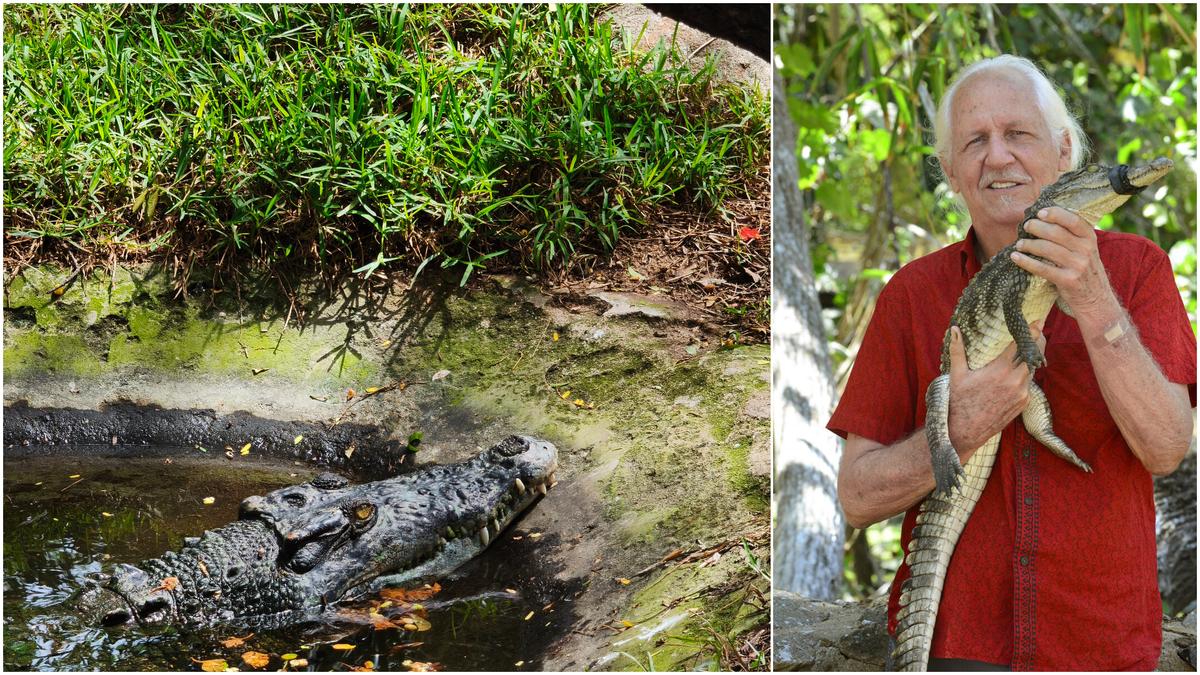
Zai Whitaker distinctly remembers Madras Crocodile Bank Trust’s (MCBT) first-ever gharial.As incredulous as it sounds, it arrived in a box.The small zoo dedicated to reptiles on what was once a desolate East Coast Road in Tamil Nadu had been up and running since 1976 when among the rarest crocodilians on Earth, made its way to Chennai from somewhere in Central/ North India. A pen was dug up in the late 1980s with some water to accommodate this river guardian that was most critically endangered because human activities had destroyed its freshwater river habitat. Down South was certainly one way to go.“The gharial came in a box… I think the carrier was from Kukrail, Uttar Pradesh, but I’m not sure. We [co-founder Rom and a few animal handlers] were all standing around it. Of course, when the animal is released from the box, you don’t know what it’s going to do, where it’s going to go. We were waiting and watching. Fortunately, it was very well behaved. It ran straight into the water, and since then there has been no looking back,” she says.
Zai and Rom from the early days
| Photo Credit:
Special Arrangement
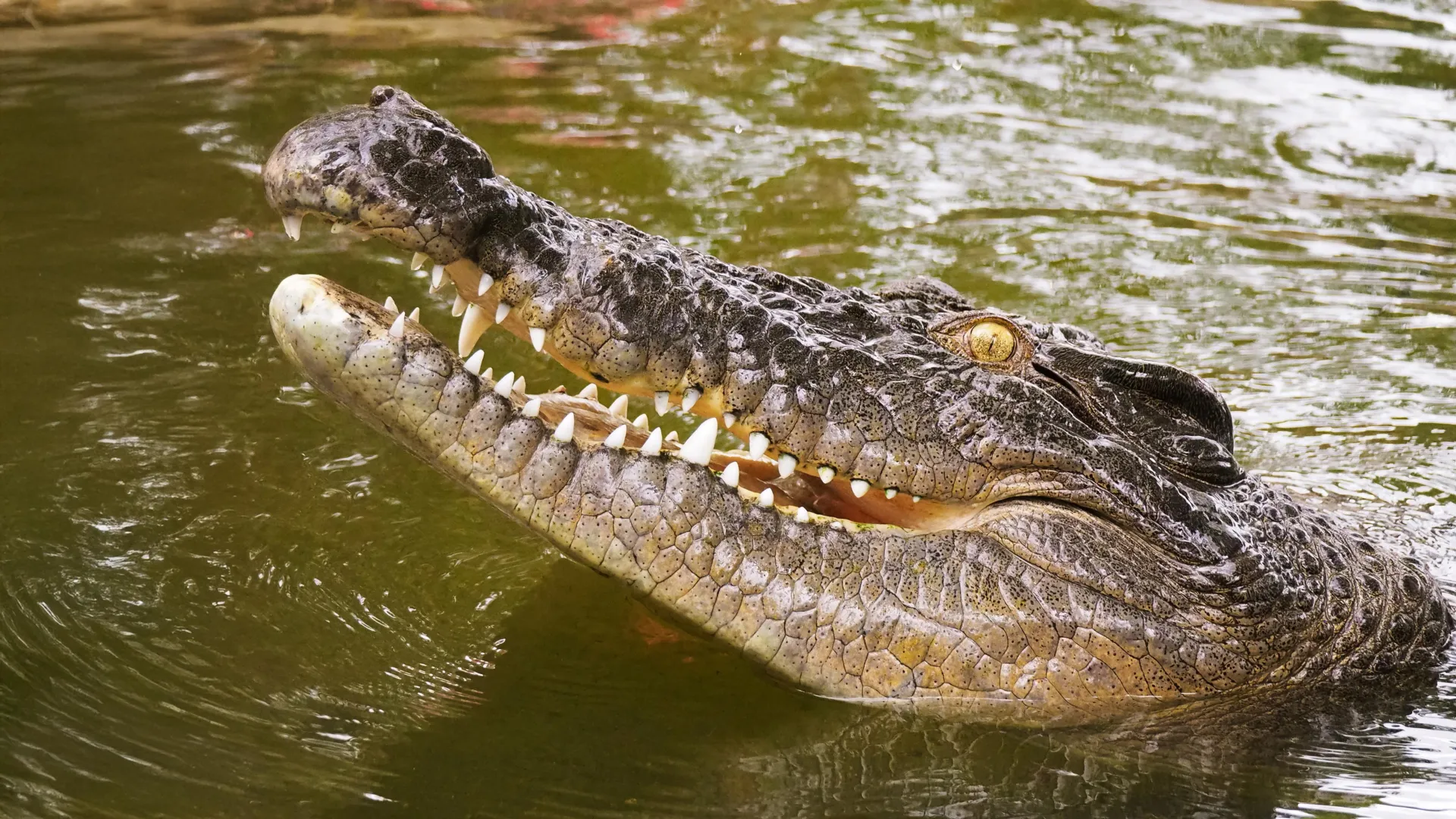
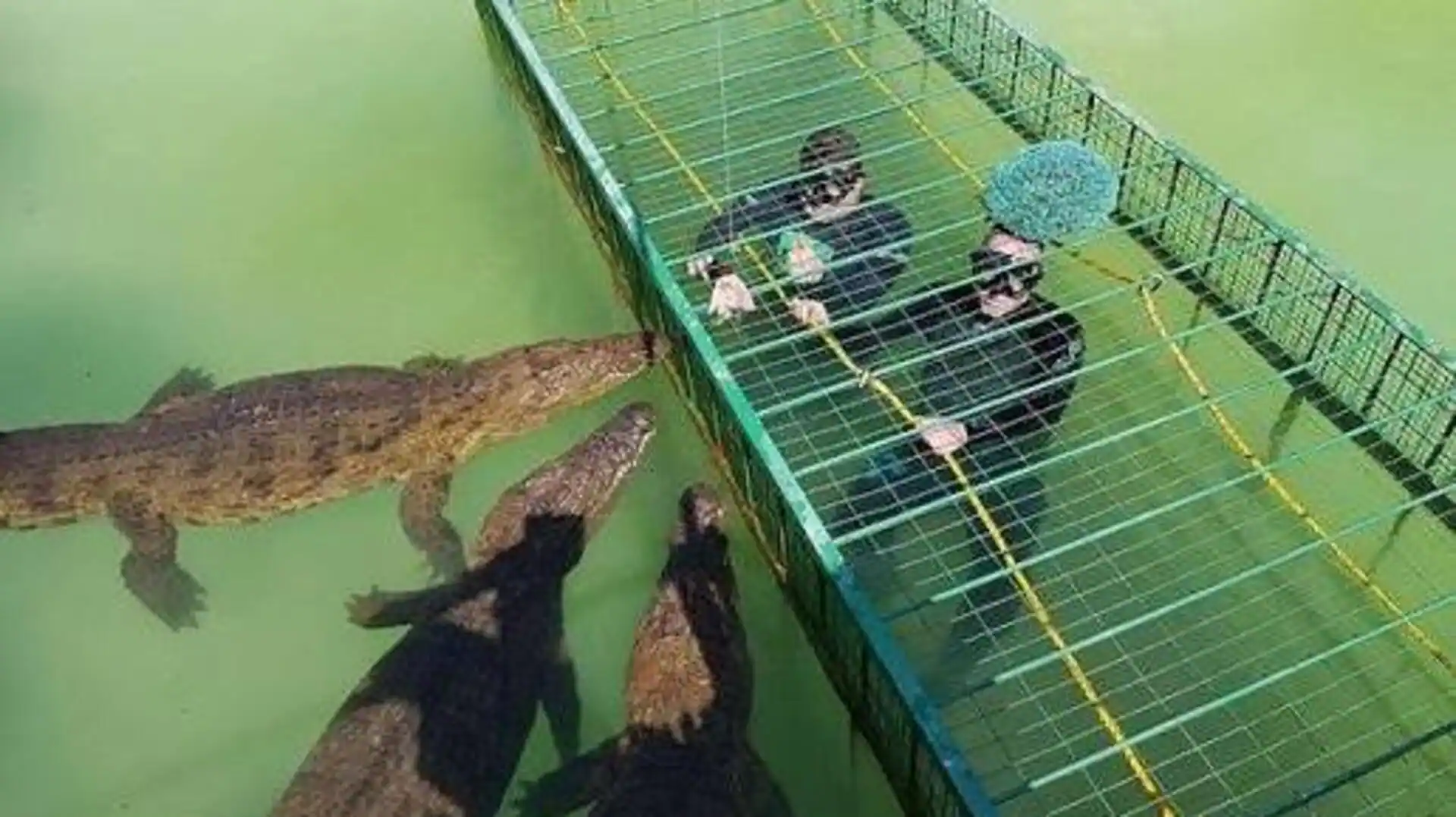
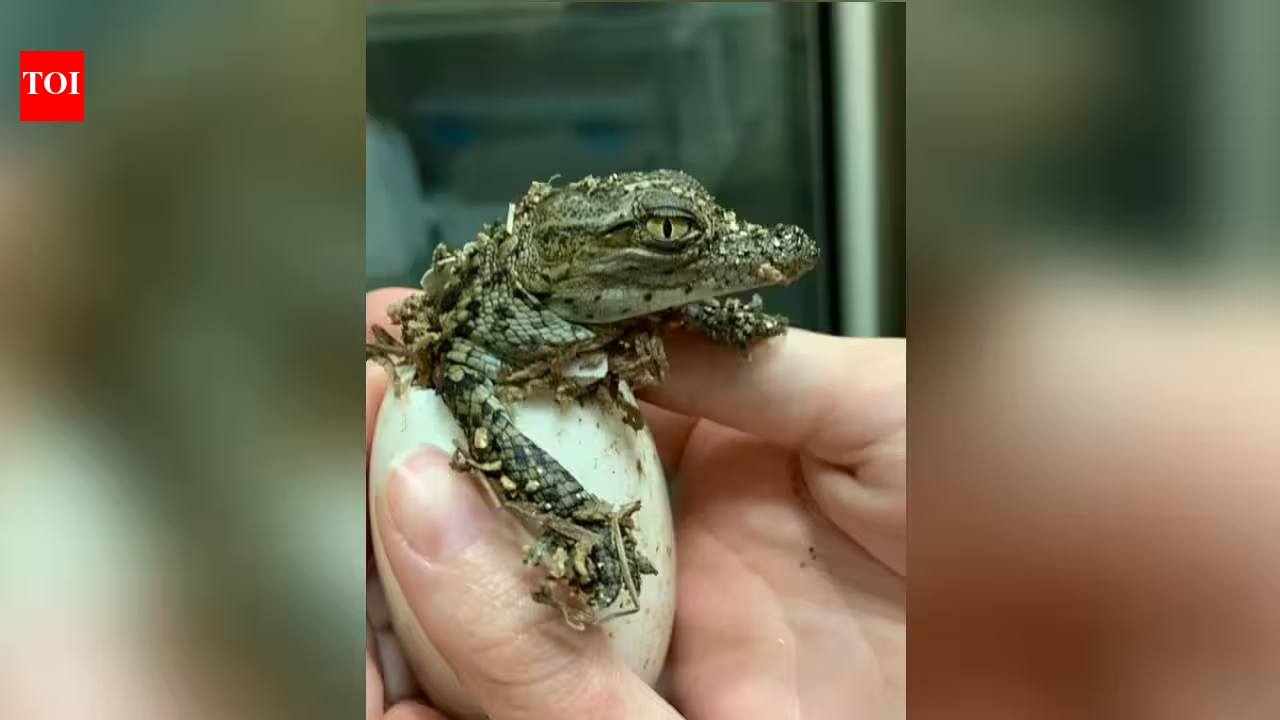
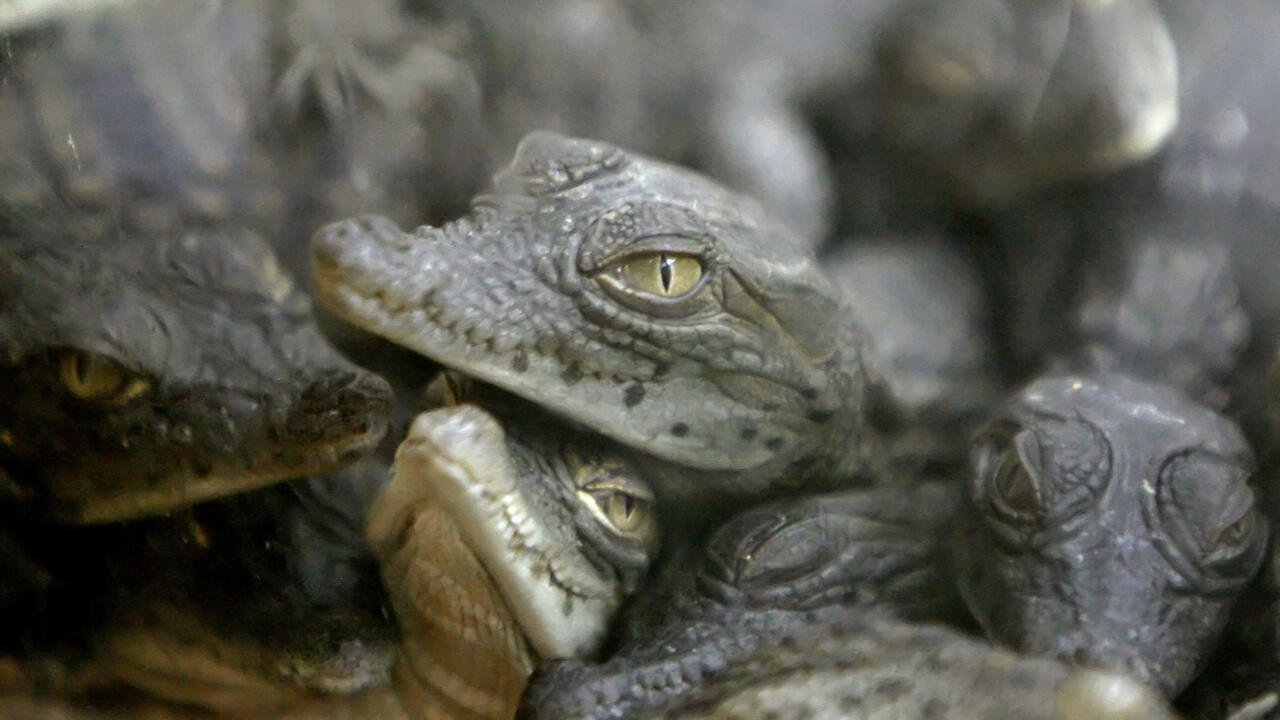
Fifty years since it first began, over 47 gharials (out of 395 crocs) have made the MCBT their home. This is besides the 32 other reptile species including the three Indian crocodilians, turtles, snakes, and lizards, across the eight and a half acre campus. Hundreds of animal handlers, educators, volunteers, staff members, and researchers make Croc Bank the institution it continues to be. Rom and Zai, who made this small piece of land in Vadanamelli village their home, have gone on to commission and pioneer a number of marquee programmes including the Snake Bite Mitigation Project, benefitting and aiding reptilian research essential reading in India. At the Croc Bank today, where Zai sits near a hatchery to write and oversee operations, a certain quiet enthusiasm takes over the space. As we walk through the quieter parts of the campus, amidst trees that the duo planted, half a century ago, Zai says that the years both seem to shrink and expand. Time is, after all, relative.Pothole portalThe story unfortunately began during a point of infliction: a crisis. By the 1960s, hunting crocodiles for their skin had pushed their population into decline. Indian crocs like the mugger crocodile, saltwater crocodile, and gharials, faced massive existential threats. The Indian Government decided that it was time to protect the three species under the Wildlife Protection Act of 1972.Zai says that by then, herpetologist Romulus ‘Rom’ Whitaker was already a well-known conservationist in India. He had been conducting several crocodile surveys besides setting up and running the Snake Park at Guindy. The idea for the croc bank came to him while he was sitting atop a truck, hitching a ride back home from a crocodile survey in 1972 all the way from Odisha.“I think he was coming back from a survey because he’d run out of money. It was just everyday stuff for us. This wonderful truck driver gave him a free ride all the way from Orissa to the gate of the Snake Park in Chennai, which is where he was headed. So he wrote me this letter, which I should still have somewhere, saying why don’t we start a croc-breeding facility, and then rewild them with the help of the Forest Department. ‘People could come to visit and look at the animals, so maybe we could charge a ticket, and the future Mrs Whitaker’ — because by then we were talking about getting married — would have some daily income for food and other necessities. That was actually how it started,” Zai says.