Most Africans speak at least two languages and often blend them in a single sentence, like “My loan imekataliwa, but I paid yesterday.” In most speech recognition systems, English is transcribed while Swahili is dropped. Any company relying on that transcript loses half the meaning.
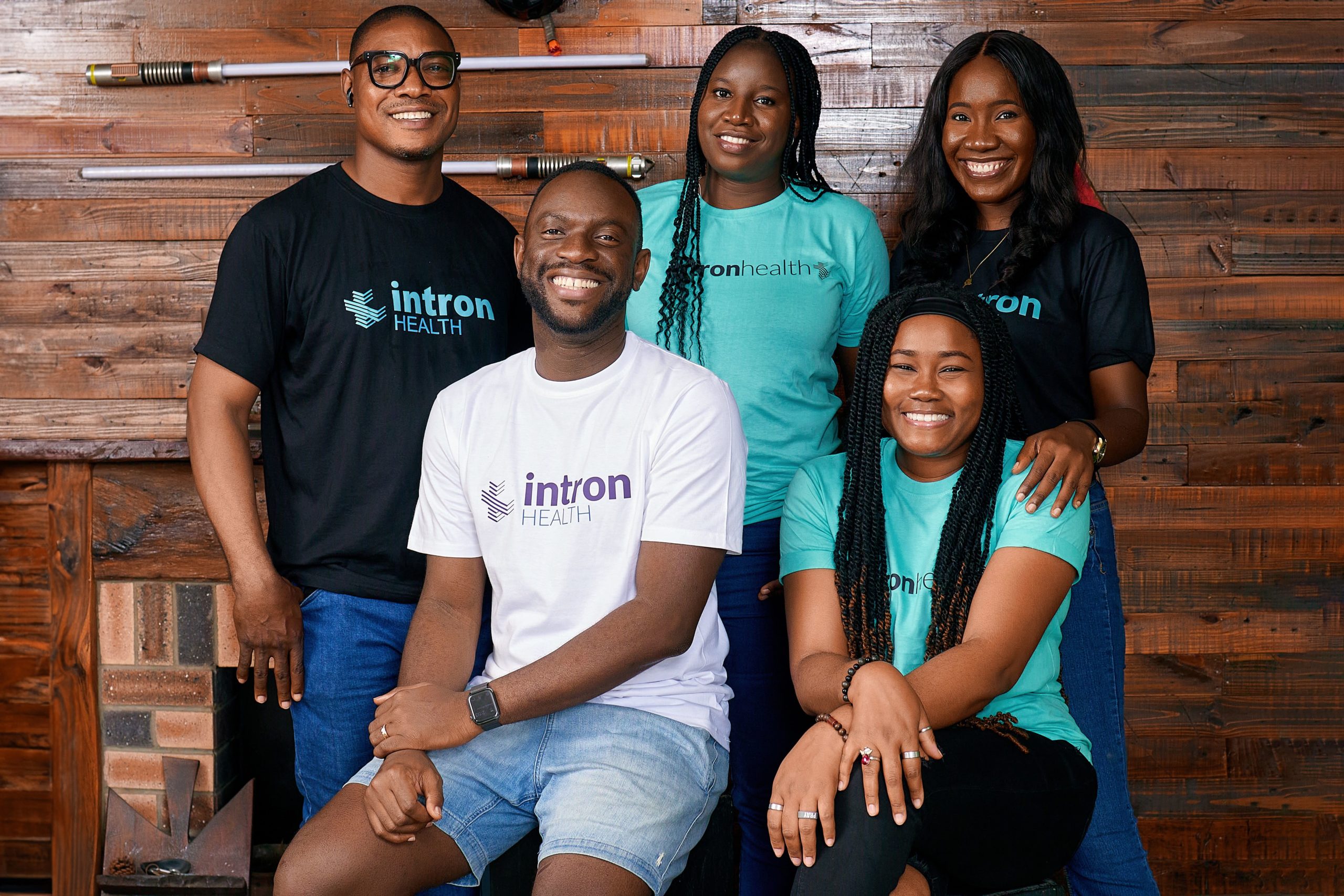
Intron, an Africa-focused voice technology company founded in Lagos, has released Sahara v2.5, a set of models built for that specific scenario. The release adds code-switching support—the ability to follow a speaker moving between languages inside a single sentence—to 12 African languages, including Zulu, Hausa, Swahili and Luganda.
It also introduces what Intron calls the world’s first African trilingual speech recognition model, which handles conversations moving between three languages. It is built for Rwanda, where Kinyarwanda, the national language spoken by almost the entire population, coexists with English and French in everyday professional life. The company says it has filed US patents on the algorithms behind it.
Intron believes that code-switching is a distinct technical problem that global labs have treated as a rounding error. A model can be excellent at English, competent at Swahili, and still fall apart when the two appear in the same breath. Intron thinks that fixing this requires dedicated data, dedicated training, and dedicated evaluation, and that a small company with a narrow problem can beat a large one with a global average.